

A resource for those seeking information on organizing and transforming spaces.
Building a Luxury Home That Reflects Your Vision and Values
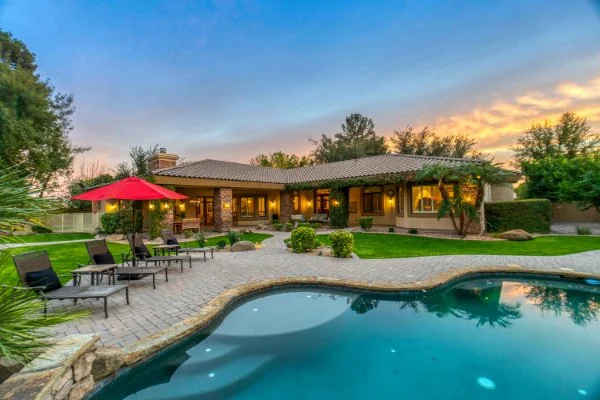
In the world of custom homebuilding, "luxury" transcends expensive finishes and designer fixtures. True luxury emerges from the seamless integration of personalization, exceptional craftsmanship, and enduring value. It's about creating spaces that function beautifully for your unique lifestyle while maintaining architectural integrity that stands the test of time. Beyond surface-level aesthetics, luxury homebuilding prioritizes functionality, comfort, and thoughtful design that enhances daily living. In Utah's dynamic landscape, luxury homes skillfully blend breathtaking mountain views with energy-efficient design and timeless materials, creating residences that honor both natural beauty and modern living standards.
In the world of custom homebuilding, "luxury" transcends expensive finishes and designer fixtures. True luxury emerges from the seamless integration of personalization, exceptional craftsmanship, and enduring value. It's about creating spaces that function beautifully for your unique lifestyle while maintaining architectural integrity that stands the test of time. Beyond surface-level aesthetics, luxury homebuilding prioritizes functionality, comfort, and thoughtful design that enhances daily living. In Utah's dynamic landscape, luxury homes skillfully blend breathtaking mountain views with energy-efficient design and timeless materials, creating residences that honor both natural beauty and modern living standards.
Vision and Planning
The foundation of any exceptional luxury home begins with clearly defining your lifestyle goals, architectural preferences, and long-term needs. This comprehensive planning phase determines whether your finished home will truly reflect your values or simply follow trends. Working with experienced architects and builders, such as someone like AC Developments, who specialize in high-end residential design ensures that your vision translates into practical, buildable plans that maximize both beauty and functionality.
Early consideration of zoning regulations, permitting requirements, and HOA restrictions is crucial, particularly in scenic or environmentally protected areas where additional approvals may be required. These regulatory considerations can significantly impact both design possibilities and construction timelines. Realistic budgeting becomes essential during this phase, with successful luxury homebuilders typically allocating contingency funds specifically for premium materials and custom features that may emerge during the design process. This financial cushion allows for the kind of spontaneous upgrades and refinements that truly distinguish luxury homes from standard construction.
Site Selection and Orientation
Selecting the right building site is perhaps the most critical decision in luxury homebuilding, as it fundamentally shapes every subsequent design choice. The ideal lot should support and enhance your architectural vision while providing optimal views, privacy, convenient access, and abundant natural light throughout the day. Beyond aesthetic considerations, practical factors like topography, natural drainage patterns, and solar orientation directly impact both energy efficiency and long-term comfort.
Properties with challenging topography may offer stunning views but require additional engineering and foundation work that significantly impacts budgets. Conversely, gently sloping lots often provide better value while still offering design flexibility. Comprehensive geotechnical surveys and environmental assessments, while representing upfront investments, prevent costly surprises during construction and ensure that your luxury home's foundation—both literal and figurative—remains solid for decades to come.
Design Features That Define Luxury
Modern luxury homes incorporate specific features that elevate daily living while maintaining timeless appeal:
Open-concept layouts with soaring ceilings and strategically placed windows maximize natural light and create the sense of spaciousness that defines contemporary luxury living. Chef-grade kitchens featuring custom cabinetry, professional-grade appliances, and thoughtfully designed work triangles serve as both functional workspace and entertainment hub. Spa-inspired bathrooms with heated flooring, steam showers, and premium fixtures transform daily routines into rejuvenating experiences.
Smart home systems seamlessly integrate lighting, climate control, and security features, allowing homeowners to customize their environment with effortless precision. Outdoor living spaces—including covered patios, fully equipped kitchens, swimming pools, and fire features—extend the home's livable area while taking advantage of favorable climates. Energy-efficient systems such as solar panels, high-performance windows, and advanced insulation not only reduce environmental impact but also provide substantial long-term savings while maintaining optimal comfort.
Materials and Craftsmanship
The philosophy of quality over quantity drives material selection in luxury homebuilding. Natural stone, carefully selected hardwoods, and architectural-grade finishes create lasting beauty that improves with age rather than showing wear. Thoughtful sourcing—whether incorporating reclaimed lumber for character, selecting regionally appropriate stone for authenticity, or commissioning custom millwork for perfect proportions—ensures that every material choice contributes to the home's unique personality.
The execution of these premium materials demands skilled trades and meticulous attention to detail. Master craftsmen who understand the nuances of working with high-end materials ensure that the inherent beauty of these elements is fully realized. From perfectly mitered corners in custom cabinetry to seamless stone installations that highlight natural patterns, exceptional craftsmanship transforms quality materials into extraordinary spaces that justify their premium investment.
Project Management and Timeline
Successful luxury home construction relies on professional project management that maintains clear communication, documented milestones, and well-defined change order protocols to keep projects on track while maintaining quality standards. Working with experienced builders who offer transparent scheduling and regular site walkthroughs ensures that homeowners remain informed and engaged throughout the construction process.
Common delays including extended material lead times for custom elements, weather-related setbacks, and design revisions discovered during construction require flexible scheduling and proactive communication from your professional team. Experienced luxury home builders build realistic buffers into their timelines while maintaining momentum through careful coordination of trades and suppliers. This balanced approach prevents the rushed decisions that can compromise quality in the final phases of construction.
Luxury homebuilding is a collaborative process rooted in shared vision, quality craftsmanship, and trust that creates homes reflecting your values while elevating your lifestyle for decades to come. Schedule a design consultation, explore our portfolio examples, or download our planning guide to begin building a home that stands the test of time.
From Planning to Profit: Your Complete Guide to Bathroom Remodeling
Bathroom remodels rank among the most popular home improvement projects, offering benefits that extend far beyond aesthetics. A well-planned renovation improves daily functionality, provides a strong return on investment, increases energy efficiency, and significantly boosts resale value. Thinking about a remodel? Here's everything you need to know to navigate the process successfully.
Bathroom remodels rank among the most popular home improvement projects, offering benefits that extend far beyond aesthetics. A well-planned renovation improves daily functionality, provides a strong return on investment, increases energy efficiency, and significantly boosts resale value. Thinking about a remodel? Here's everything you need to know to navigate the process successfully.
Assessing Your Needs
Functional vs. Aesthetic Goals
Before diving into design inspiration, honestly evaluate what's driving your remodel desire. Understanding whether you're primarily focused on functional improvements or aesthetic updates will guide every decision that follows.
Common Triggers for Renovation
Homeowners typically pursue bathroom remodels due to outdated fixtures that no longer function properly, poor layouts that create daily frustration, water damage requiring immediate attention, or changing accessibility needs. Perhaps your morning routine feels cramped, storage is inadequate, or the space simply doesn't reflect your personal style.
Creating Your Priority List
Pro tip: Create a comprehensive wishlist of everything you'd love to change, then categorize items as must-haves versus nice-to-haves. Must-haves might include fixing functional issues or adding essential storage, while nice-to-haves could include luxury features. This exercise helps maintain focus when making budget decisions.
Setting a Realistic Budget
Average Costs by Remodel Type
Understanding financial scope prevents costly surprises and helps inform decisions throughout the process. Cosmetic updates typically require modest investment, while full gut renovations represent significant financial commitments. Mid-range remodels fall somewhere between these extremes.
Hidden Costs to Consider
Don't overlook expenses beyond materials and labor. Permits, plumbing upgrades for older homes, mold remediation, outdated electrical work, or structural issues discovered during demolition can significantly impact budgets. Plan for a contingency fund to handle unexpected discoveries.
Financing Options
Consider various funding approaches, including home equity loans or lines of credit, personal loans for smaller projects, or contractor financing programs. Some homeowners choose phased approaches, spreading costs over time while maintaining functionality.
Designing Your New Space
Layout Considerations
Smart design maximizes both function and visual appeal within existing space constraints. Evaluate traffic flow, natural and artificial lighting integration, and proper ventilation to prevent moisture problems that can lead to costly repairs.
Material Choices
Material selection significantly impacts both budget and long-term satisfaction. Consider durability, maintenance requirements, and aesthetic appeal when choosing flooring, wall treatments, countertops, vanities, and fixtures. Balance initial costs with long-term performance expectations.
Style Inspiration
Popular design approaches include modern styles emphasizing clean lines, farmhouse aesthetics incorporating warm woods and vintage hardware, spa-like retreats focusing on natural materials and calming colors, and minimalist approaches prioritizing function and simplicity.
Design Planning Tools
Pro tip: Create mood boards using magazine clippings or digital tools to visualize how different elements work together. Many retailers offer virtual design services that help visualize ideas before making final selections.
Hiring the Right Professionals
DIY vs. Professional Installation
Project complexity and personal skill levels determine appropriate approaches. Simple updates like painting, replacing hardware, or installing new accessories might be manageable DIY projects, while plumbing relocations, electrical work, and complex installations typically require professional expertise to ensure proper function and code compliance.
Working with professionals, such as RIHI The Home Improvement Specialist, brings significant advantages beyond technical expertise. Experienced contractors understand local building codes, navigate permit processes efficiently, carry insurance protection, and provide warranties on their work. They can also coordinate multiple trades and troubleshoot unexpected issues, ensuring quality workmanship while protecting manufacturer warranties.
Vetting Contractors
Verify appropriate licenses, liability insurance, and workers' compensation coverage. Request and contact recent references, asking about work quality, timeliness, cleanliness, and problem resolution. Online reviews provide additional insights, but focus on patterns rather than individual complaints.
Written Contracts and Scope
Written contracts protect both parties and should include detailed work scopes, material specifications, timeline expectations, change order procedures, and payment schedules. Avoid contractors requesting large upfront payments or pressuring immediate decisions.
Choosing the Right Materials
Flooring Options
Bathroom flooring must withstand moisture, frequent cleaning, and daily traffic. Popular options include porcelain tile, offering excellent water resistance, luxury viny,l providing comfort and easy installation, and natural stone, creating elegant environments while requiring regular maintenance.
Wall Treatments
Wall materials set design tone while protecting against moisture damage. Consider ceramic tiles for durability, specially formulated bathroom paints for budget-friendly updates, and wainscoting for traditional charm with splash protection.
Countertops and Vanities
Bathroom surfaces should resist stains, scratches, and water damage. Engineered materials provide consistent patterns and low maintenance, natural stone offers unique beauty with proper care, and solid surfaces allow integrated features. Vanity selection impacts both storage capacity and overall style.
Fixtures and Hardware
Modern fixtures improve both function and efficiency. Consider water-saving toilets, durable faucet mechanisms, and coordinated hardware finishes throughout the space for a cohesive, professional appearance.
Lighting and Ventilation
Proper lighting combines task, ambient, and accent sources for optimal functionality. Vanity lighting should eliminate shadows, while overhead fixtures provide general illumination. Appropriately sized exhaust fans prevent moisture problems, leading to mold and structural damage.
Doors and Windows
Balance privacy needs with natural light preferences. Consider frosted glass for light transmission with privacy, solid doors for complete privacy in shared spaces, and humidity-resistant window treatments offering adjustable privacy and light control. When selecting door and window frames, lumber options, like what you might find through someone like Dolans Lumber for Doors and Windows, like cedar or treated pine, provide natural beauty and can be customized to match your design aesthetic, though they require proper sealing and maintenance in humid bathroom environments.
Navigating Permits and Compliance
Building Codes and Requirements
Most bathroom remodels require permits, especially when involving plumbing or electrical changes. Local building codes ensure safety and proper installation, while accessibility considerations might be required for certain modifications. Contact local building departments early in planning to understand specific requirements.
Plumbing and Electrical Updates
Upgrades often involve moving water supply lines, drain relocations, or installing modern fixtures with different connection requirements. Electrical work might include adding circuits, upgrading lighting, or installing required safety outlets. These improvements enhance safety but impact your timeline and budget.
Timeline Impacts
Inspections and approvals vary by location, but typically add time to project schedules. Plan accordingly and ensure contractors schedule inspections promptly to avoid delays that extend project duration and increase costs.
Timeline and Project Phases
Typical Duration
Bathroom remodel timelines depend on project scope and complexity. Small updates might take several weeks, while full renovations typically require longer timeframes for complex projects involving structural changes.
Project Phases
Typical phases include demolition and disposal, rough-in work for plumbing and electrical updates, installation of tile and major fixtures, and finishing work, including paint, trim, and final connections. Each phase must be completed and inspected before the next begins.
Minimizing Disruption
Planning alternative arrangements for daily routines reduces construction impact. If multiple bathrooms exist, designate one as primary during construction. For single-bathroom homes, consider temporary solutions during the most disruptive phases.
Maximizing ROI
High-Value Features
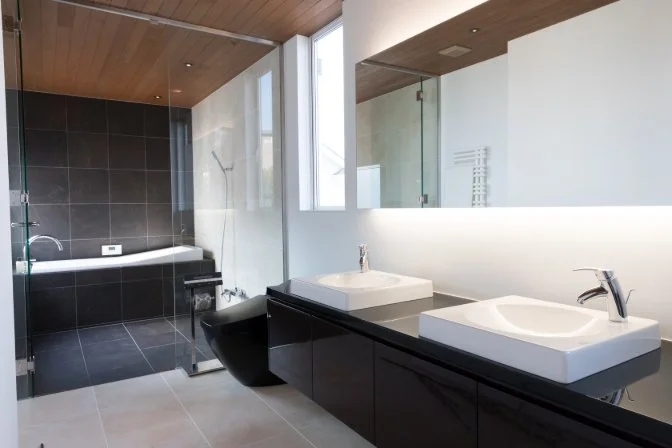
Strategic choices significantly impact return on investment. High-value improvements include double vanities accommodating busy families, walk-in showers appealing to modern preferences, and energy-efficient fixtures reducing utility costs. Focus on enhancements that improve daily functionality.
Resale Considerations
Resale strategies favor neutral design choices appealing to broad audiences over highly personalized selections. Durable materials maintain appearance over time, while classic design elements provide lasting appeal across changing style preferences.
Investment Strategy
Invest in timeless upgrades providing long-term value rather than chasing current trends. Classic materials, neutral colors, and quality fixtures maintain appeal while providing reliable performance for years to come.
Successful bathroom remodeling combines careful planning, realistic budgeting, and strategic material selection to create spaces that enhance daily life while providing strong investment returns. While the process can be disruptive, the end result—a beautiful, functional space tailored to your needs—makes the temporary inconvenience worthwhile. Ready to start your remodel? Contact us for a free consultation.

Wall Space Wisdom: Planning Poster Displays That Complement Your Home, Not Compete With It
When you have a collection, it’s nice to be able to display it. Showcasing your favorite artwork or classic bands can make your home a reflection of your style and interests. If you want to have the perfect design, however, you’ll need to put in some planning. Use these tips to help you create a poster display that works well with your home.

When you have a collection, it’s nice to be able to display it. Showcasing your favorite artwork or classic bands can make your home a reflection of your style and interests. If you want to have the perfect design, however, you’ll need to put in some planning. Use these tips to help you create a poster display that works well with your home.
Find the Focal Point
Every room has a focal point. To understand how you should organize and place your poster displays, you need to find the focal point of the room. It might be a fireplace in the center of one wall or a massive plant in the corner. If you’re trying to draw attention to the displays, you can adjust the design and layout of the room so that they are the focal point. Choose the most eye-catching of them, and select a spot that is easy to see when you first enter the room. You’ll be able to plan the rest of the space around it.
Consider Scale
If you want to have a display that shows off your collection and makes your room look great, you’ll need to consider scale as part of the package. The scale of the posters help you create a focal point and balance out the room. Framed posters that are identical in size are easy to group, which is perfect for larger collections. But don’t worry if the posters are very slightly different in size. You can choose different frame sizes for each one to create balance or asymmetry that draws the eye to the right spot.
Tell a Story
Every room in your home has a story, and you can use the poster display to feature yours. When you consider how to organize your autograph store posters, think about the aesthetic you’re trying to depict. Is it fandom? Whimsy? Artsy? Do more than just choose a color scheme and style. Figure out what you are trying to accomplish with the room and the poster display, and make sure they work together.
Coordinate With the Color Scheme
To avoid clashing with the rest of the room’s décor, you should aim to make a color scheme that fits. Choose posters that work well with the furniture and paint color in your room, or select coordinating frames to help you unify the layout. Although cohesion is an important part of room design, be careful of being too matchy-matchy. You don’t need to select everything to coordinate perfectly with every item. Instead, choose one or two colors or prints to serve as a throughline throughout the room.
Frame Each Depiction
If you’re going to the effort of creating a poster display that unifies the room, you need effective framing to achieve it. The kind of frames you choose should reflect the content of the poster and the display. A framed print of famous artwork might call for an ornate frame that can be a statement piece all by itself. Film posters might need a simple plastic or metal trim that does not draw too much attention.
Don’t Forget the Lighting
Ideally, every room has a combination of lighting options that help you illuminate the space at any time of day. For rooms with detailed displays on the walls, you should consider customizing the lighting to suit. Use a combination of lighting temperatures. Use brighter, downward-facing lights so you can see what you’re doing and lamps or wall sconces for soft evening lighting. For large or ornate frames, look for lighting options that allow you to illuminate from an adjacent wall.
Your posters deserve to have a prominent place in your home. By considering focal point, color scheme, framing, lighting, and other factors, you can design a display that highlights the best of your collection.
SOURCES
https://npiweb.com/blog/posts/how-to-design-the-perfect-gallery-wall-for-you/
https://drool-art.com/blogs/inspiration/8-clever-ways-to-organise-and-lay-out-your-prints-and-art-posters?srsltid=AfmBOoqy1Fp8IovqdDc5q6LeHHEEBfcYI0YMMjzXfdO4SEYx79It8_Gm
Transform a Boring Wall into a Center Piece With Mirror Tile
Are you ready to change a dull, boring space into a dazzling masterpiece? Mirror tiles are the perfect solution. Sometimes, paint feels too basic, and you want to add a personal touch to the space; here, mirror tiles come into the picture. These luxurious and reflective design pieces have the power to enhance any residential or commercial space. They are a classy and affordable choice.
We partnered with a home design company for this post. The opinions in the post are honest. All reviews and opinions expressed in this post are based on our personal views. We are excited because we know you will love it.
Are you ready to change a dull, boring space into a dazzling masterpiece? Mirror tiles are the perfect solution. Sometimes, paint feels too basic, and you want to add a personal touch to the space; here, mirror tiles come into the picture. These luxurious and reflective design pieces have the power to enhance any residential or commercial space. They are a classy and affordable choice.
Mirror tiles, along with a reflective surface, play with light, space, and texture beautifully. They bring shine to any small room, making it brighter and open. Along with appeal, these mirror tiles are robust, stain-resistant, and scratch-proof, excellent for any indoor walls. Add a shimmering beauty to the kitchen backsplash or highlight the shower walls. They are meticulously crafted and can upscale any room.
Whether it’s a kitchen, bathroom, living room, or bedroom, mirror tiles merge seamlessly into different spaces. They’re useful in narrow hallways, entryways, basements, home gyms, and smaller rooms that crave brightness.
This guide will discuss how this flexible tile can turn the atmosphere of your home decor.
Why Mirror Tiles Are a Design Secret?
Let us understand in detail the benefits of installing mirror tiles.
Bring Light:
Mirror tiles are a natural light booster. Install them opposite a window or light source; they bring an ample amount of light to the overall room. This makes space open and spacious. This simple way of adding the tiles can completely transform the rooms that struggle with darkness, such as hallways, entryways, or basements. Mirror tiles make the space expansive and airy.
Create Open Space:
Mirror tiles are a classic design trick to help small areas feel larger. Their reflective surfaces double the surrounding space, and they visually extend the space. This design trick is ideal for small spaces such as a small living room, a narrow hallway, and bathrooms, where every inch matters.
Offer a Texture and Dimension:
A plane wall can feel one-dimensional, and mirror tiles create an awe-inspiring play of light and shadow. It gives your surface a multifaceted texture. This shimmery look radiates luxury and dynamic character, evolving a simple wall into a living, breathing design element.
Flexible Choice:
One of the benefits is its flexibility. They come in a wide range of sizes and finishes, offering a sleek, modern look. The mirror tiles give a confident, bold, and magnificent look to indoor commercial and residential walls. They complement minimalist, bohemian, and bring a touch of glamorous style. It flawlessly blends in or stands out as a captivating design feature.
Where to begin with Mirror Tile?
Mirror wall tile can completely redesign your room with its glowing surface and stylish look. They work well in any kitchen, shower, bathroom, fireplace, or living room, etc, spaces. Their unmatched reflective property brings modern flair, open space, and breathtaking appearance. Along with looking good, these wall tiles are durable, flexible, and designed to deal with everyday use. They are a smart choice for home decor that enhances any space.
You can accentuate the look of the spaces below with Mirror Tiles:
Fireplace Surround:
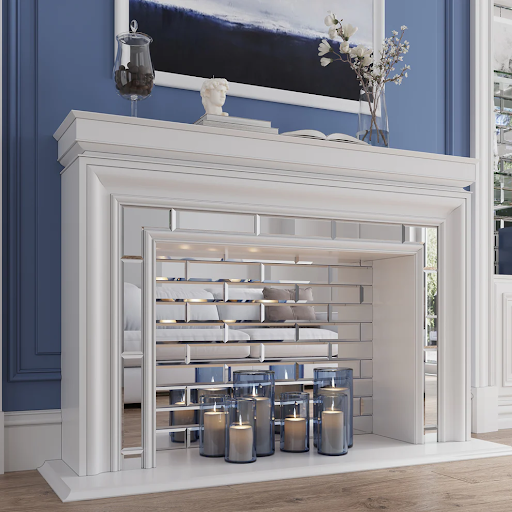
Mirror tiles are an exceptional choice to decorate a fireplace surround. They transform the entire interior decor and create a unique, striking design element in the living room. This mirror tile brings the mesmerizing combination of light and fire, and upscale traditional fireplace into a modern and sleek space.
Feature Wall:
Use Mirror tiles to create a captivating feature wall in the living room or as an accent wall in the bedroom. Complement them with creative paintings or photo frames, which design the space and offer a vivid backdrop. The mirror tiles look innovative, fresh, and peaceful.
Dining Room:
In the dining room, mirror tiles bring an aura of class. Imagine them on the walls, reflecting light gracefully, creating a gorgeous look, along with style, durability, and flexibility. These tiles are a low-maintenance option and are built to last.
How To Clean Mirror Tiles?
Mirror tiles are not just a tile; they are a piece of design statement bringing undeniable luxury, glamour, and practicality. But like other tiles, they also need proper care and maintenance to keep their pristine condition. With the appropriate cleaning methods, you can maintain the flawless appearance of your tiles.
A Gentle Cleaner Solution is Ideal:
To clean the mirror tiles, choose ammonia-free glass cleaner or dish soap. Any rough or strong chemical cleaner will damage the finish of the tile. So it is better to avoid such products.
Choose Proper Cloth:
Make sure to choose the right cloth to avoid any watermarks on the surface of the mirror tiles. A microfiber or soft sponge is suitable for cleaning. Avoid the use of paper towels, rough fabrics, or pads, as they can scratch the surface of the tiles.
Clean the Spills Immediately:
Mirror tiles are an excellent choice for a bathroom or kitchen backsplash. They are the busiest spaces in the house, where water is constant. If there are any spills, oil, or grease on the surface, clean them quickly.
Protect Grout Lines:
Clean grout lines with mild tile cleaner and water. Don't scrub near the edges, as it can damage the grout. Using a soft sponge or cloth dipped in water helps to prevent any damage caused to the mirror tiles. Remember to dry the area immediately after cleaning.
Final Thoughts
A mirror tile’s focal wall is a beautiful way to bring luster and individuality into your home. With the proper positioning and design, mirror tiles can change the look and feel of a room. It turns a plain wall into a standout element. Careful installation ensures a clean finish that not only enhances your décor but also creates a relaxed atmosphere.
The best part? A mirror tile wall is simple to plan yet delivers impressive results. It's a perfect choice for those who desire an appealing look with low maintenance.