

A resource for those seeking information on organizing and transforming spaces.
4 Home Upgrades That Instantly Boost Curb Appeal
First impressions matter, especially when it comes to your home. The moment someone walks by or pulls into your driveway, your exterior tells a story. It reflects how well you care for your space and even hints at what might be waiting inside. Luckily, boosting your home’s curb appeal doesn’t require a complete renovation in places like Toronto. A few smart upgrades can make your property look fresher, cleaner, and more inviting.
We partnered with a home improvement company for this post. The opinions in the post are honest. All reviews and opinions expressed in this post are based on our personal views. We are excited because we know you will love it.
First impressions matter, especially when it comes to your home. The moment someone walks by or pulls into your driveway, your exterior tells a story. It reflects how well you care for your space and even hints at what might be waiting inside. Luckily, boosting your home’s curb appeal doesn’t require a complete renovation in places like Toronto. A few smart upgrades can make your property look fresher, cleaner, and more inviting.
Whether you’re planning to sell or simply want to take pride in your home’s appearance, small changes often make the biggest difference. From enhancing your entryway to refreshing your exterior finishes, here are some simple yet effective upgrades that can transform the look of your home almost overnight.
1. Give Your Front Door and Entryway a Refresh
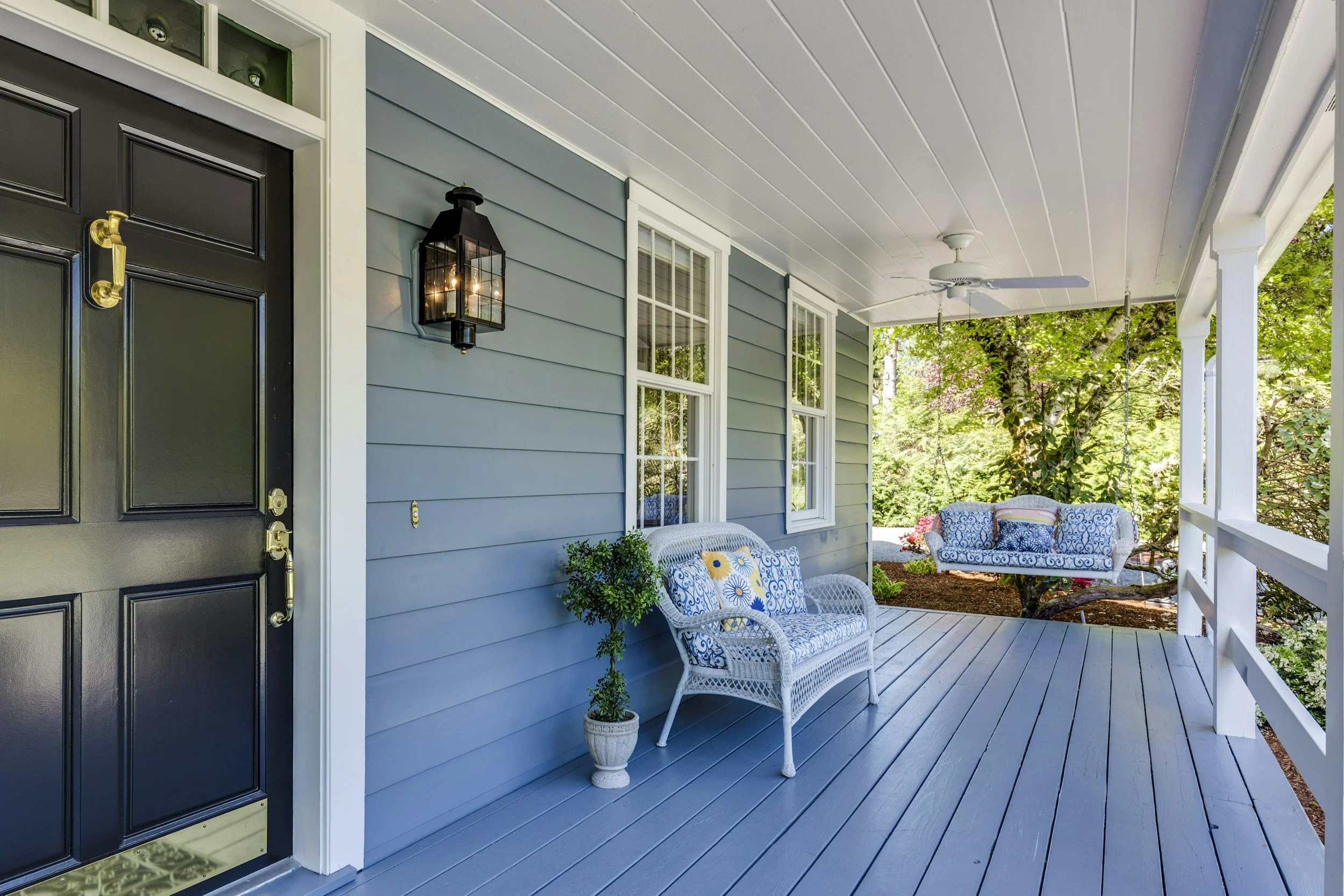
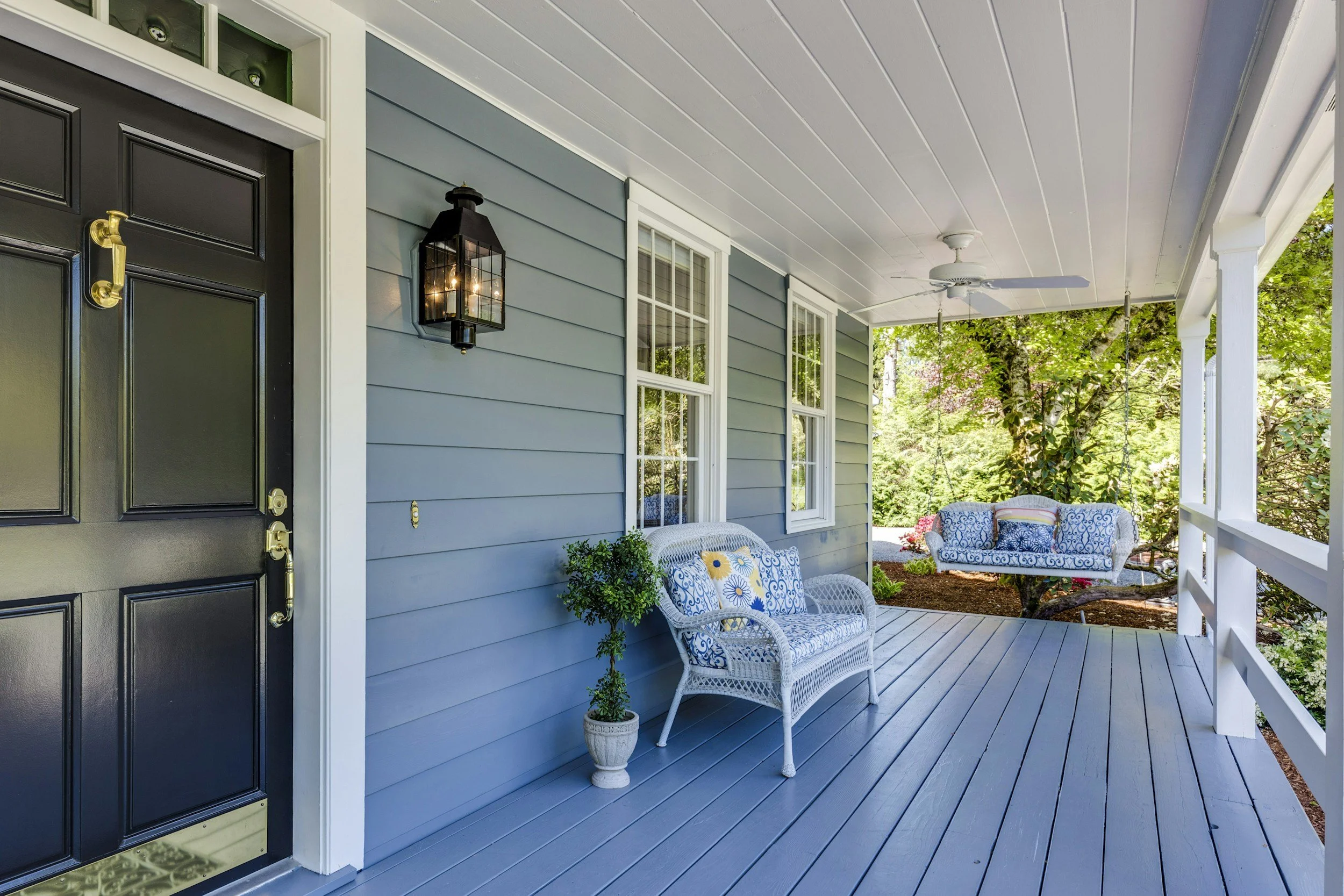
Your front door is one of the first things people notice, so it deserves a little extra attention. A freshly painted or updated door can dramatically change your home’s entire vibe. Choose a color that complements your exterior — something bold yet timeless, like navy blue, forest green, or classic red.
You can also elevate your entryway with new hardware, stylish house numbers, or modern lighting fixtures. Even small touches like a seasonal wreath or a neat welcome mat can make your entry look polished and intentional.
Here are a few simple ways to give your entry a glow-up:
Repaint the door for a fresh, clean look.
Install new fixtures or a door knocker for personality.
Add symmetrical planters or potted flowers on each side of the doorway.
2. Upgrade Your Windows and Doors for a Polished Finish
Windows and doors do more than protect your home — they define its personality. If your frames are faded, drafty, or outdated, upgrading them can completely transform your home’s exterior appeal.
On the other hand, modern, energy-efficient windows and sleek door designs add both style and practicality. They improve your home’s look while reducing energy costs and noise. For homeowners looking for professional installation, working with a trusted Toronto Windows and Doors Installation Company like Premier North Windows & Doors ensures quality craftsmanship and long-lasting results.
Last but not least, whether you choose minimalist black frames for a contemporary touch or classic white for a timeless appeal, replacing old windows and doors instantly refreshes the façade. Plus, the added insulation and energy efficiency can make your home feel as good as it looks.
3. Upgrade Lighting and Exterior Fixtures
Outdoor lighting plays a huge role in creating ambiance and safety. Well-placed lighting highlights your home’s best features and makes it look warm and inviting, even after sunset.
Start by upgrading your main fixtures — porch lights, garage sconces, and pathway lamps. Choose modern styles that match your architecture, such as matte black finishes for contemporary homes or brass tones for traditional exteriors.
Beyond aesthetics, good lighting also improves visibility and security. Consider solar-powered landscape lights or motion-sensor systems for energy-efficient solutions.
Here are a few quick ideas to brighten things up:
Install soft, warm-toned lights to create a cozy evening glow.
Add path lighting to guide guests safely to the door.
Use spotlights to highlight your favorite outdoor features like trees or stonework.
4. Refresh Landscaping and Outdoor Details
A beautiful garden or a well-kept yard can make any home stand out. You don’t need to be a master gardener to achieve great results — just focus on neatness, balance, and a few pops of color.
Start by trimming overgrown bushes, edging your lawn, and adding new mulch to flower beds. Then, introduce low-maintenance plants that thrive in your climate. A mix of evergreens and seasonal flowers creates visual interest year-round.
Don’t forget the little details. A tidy pathway, a well-placed bench, or a simple water feature can add charm without feeling overdone.
Here’s how to make your landscape shine:
Use containers or raised planters for easy upkeep.
Add window boxes filled with bright blooms.
Replace tired mulch or gravel with fresh material to define spaces.
Final Thoughts
Boosting your home’s curb appeal doesn’t require an expensive overhaul. A few thoughtful upgrades — from a fresh coat of paint on your front door to professionally installed windows and doors — can completely change how your home looks and feels.
If you’re ready to give your exterior an upgrade, working with a reliable professional can make all the difference. Their expert craftsmanship ensures not just beauty but long-term durability and energy efficiency, too.
At the end of the day, curb appeal is about pride and comfort. It’s the feeling you get every time you pull into your driveway and think, “Yes, this looks like home.”

How to Enhance a Photo: Editing Tricks Everyone Should Know
Have you ever looked at a photo and felt it could be so much better with just a few tweaks? We all take pictures, but sometimes they do not capture the moment the way we remember it.
We partnered with a home design company for this post. The opinions in the post are honest. All reviews and opinions expressed in this post are based on our personal views. We are excited because we know you will love it.

Have you ever looked at a photo and felt it could be so much better with just a few tweaks? We all take pictures, but sometimes they do not capture the moment the way we remember it.
Learning simple editing tricks can transform your photos from ordinary to eye-catching. With the right tools and techniques, you can bring out colors, details, and moods that truly shine.
This article will guide you through practical tips to make your photos stand out in every way.
Brightness and Contrast Adjustment
Adjusting brightness can transform a dull photo into a vibrant image. Increasing brightness highlights details in shadows, making the subject clear. Reducing brightness in overexposed areas preserves textures and prevents washed-out sections.
Contrast enhances the difference between light and dark parts of a photo. Strong contrast makes images appear more dynamic and sharp. Low contrast can create a soft, dreamy effect that works for some moods.
Balancing brightness and contrast together ensures the photo looks natural. Too much of either can make the image harsh or flat. For a quick improvement, you'll want to use a free online photo quality enhancer to adjust these settings automatically and enhance clarity.
Color Correction
Color correction fixes tones that look unnatural or off. Adjusting warmth can make an image feel cozy or cool. This step is key for making skin tones look realistic and pleasing.
Saturation adjusts the intensity of colors in a photo. Increasing saturation can make an image lively, while reducing it softens the look. Vibrance focuses on muted tones to enhance color subtly.
Fine-tuning color ensures harmony across the entire image. Corrected colors draw attention to the subject and improve visual appeal. It also helps images look consistent across multiple platforms.
Sharpening and Detail Enhancement
Sharpening emphasizes edges to make photos appear crisp. This is especially helpful for textures like hair, fabric, or landscape details. Over-sharpening can cause harsh lines, so moderation is important.
Detail enhancement brings out subtle elements in the image. It can highlight reflections, patterns, or small objects in the background. Enhancing details makes the photo more engaging and professional.
Combining sharpening with careful adjustments creates a balanced image. The photo gains clarity without looking unnatural. This step is often the difference between average and polished visuals.
Removing Blemishes and Distractions
Removing blemishes improves the subject's appearance. Tools like spot healing erase dust, scratches, or unwanted marks. The goal is a clean image while keeping it realistic.
Distractions in the background can take focus from the main subject. Cropping or cloning helps simplify the composition. This makes the subject stand out and keeps viewers' attention.
Consistent cleanup ensures a professional finish. Subtle edits maintain authenticity while improving quality. Photos feel more polished without looking over-edited.
Applying Filters and Focus Effects
Filters can enhance mood by adjusting tone and color. Subtle filters improve aesthetics without overpowering the original photo. They can create a cohesive look for a series of images.
Focus effects guide the viewer's eye to the subject. Blurring backgrounds or using vignettes creates depth. These techniques emphasize the main elements of the composition.
Combining filters and focus effects enhances overall impact. The photo feels intentional and visually appealing. It also strengthens storytelling through imagery.
Cropping and Composition
Cropping helps remove unnecessary parts of a photo. It focuses attention on the main subject. Adjusting the crop can also improve the overall balance of the image.
Composition guides how the viewer's eye moves through a photo. Using the rule of thirds or leading lines enhances visual interest. Proper composition creates a more professional and engaging photo.
A well-composed image feels natural and intentional. Cropping and composition together make the subject stand out. Small adjustments can dramatically improve the photo's overall impact.
Resizing for Purpose
Resizing ensures a photo fits its intended platform. Social media, web pages, and print have different size requirements. Proper resizing avoids stretching or pixelation.
Large images may need compression to load quickly online. This preserves quality while reducing file size. Maintaining clarity is essential when resizing photos.
Resizing also helps maintain aspect ratio and framing. It keeps the subject centered and prevents awkward cuts. Consistent sizes improve the visual experience across multiple platforms.
Exposure Correction
Correct exposure balances light and dark areas in a photo. Underexposed photos appear too dark, while overexposed photos lose detail. Adjusting exposure restores clarity and depth.
Fine-tuning exposure improves texture and highlights. It ensures the subject is visible without flattening the image. Correct exposure creates a more professional and polished look.
Proper exposure also enhances color accuracy. Well-lit images feel more natural and inviting. This step is crucial for creating high-quality visuals.
White Balance Adjustment
White balance controls the color temperature of a photo. A cool tone gives a blueish look, while warm tones appear yellow or orange. Correct white balance ensures colors look realistic.
Adjusting white balance can enhance mood. Warm tones create comfort, while cool tones add a calm or modern feel. Subtle shifts make the image visually pleasing without altering its content.
Consistent white balance across images improves cohesion. It is especially important in photo series or product photography. Accurate colors make the photo look professional and trustworthy.
Noise Reduction
Noise appears as grain or speckles in low-light photos. Reducing noise improves clarity and smoothness. This is particularly important for night or indoor photography.
Noise reduction tools soften the image without removing important details. Overdoing it can blur textures or edges. Controlled noise reduction balances clarity and natural appearance.
Reducing noise also improves print quality. Clean images appear more polished on screens and in prints. It makes the photo more visually appealing overall.
Transform Your Photos Into Moments That Speak Louder Than Words
Enhancing a photo is not just about fixing mistakes, it is about expressing your vision. Each adjustment you make can change the mood, focus, and story your image tells. With practice, even small changes can create powerful results that draw attention and admiration.
The beauty of photo editing is that it gives you control and creativity. Every photo is an opportunity to show the world how you see it.
Was this article helpful to you? If so, make sure to check out our blog for more useful information and resources

Revolutionizing Interior Design with Custom Joinery: A New Era of Personalized Homes
Discover how custom joinery is transforming modern interior design with personalized craftsmanship, sustainable materials, and unique furniture solutions.
As interior design enthusiasts, have you ever wondered how to infuse your living space with personality and distinction? How can we move beyond the standard “pick and choose” approach of store-bought furniture toward something more expressive—something that feels truly ours? What if your home reflected your identity in every curve, joint, and texture?
The answer lies in custom joinery—a modern revival of artisanal craftsmanship that combines beauty, precision, and functionality. In this blog post, we explore how custom joinery is transforming contemporary interiors, redefining the way homeowner’s express individuality, and
What is Custom Joinery?
At its core, joinery is the art of crafting detailed pieces of furniture without using nails or screws—a technique that dates back centuries. This traditional woodworking skill emphasizes strength, precision, and artistry.
Custom joinery, however, takes this heritage a step further by blending craftsmanship with modern design principles. It involves skilled carpenters or joiners designing and constructing bespoke furniture pieces tailored to a home’s unique layout and style preferences.
From built-in wardrobes and kitchen cabinets to statement shelving and entertainment units, custom joinery allows homeowners to achieve a seamless blend of function and aesthetics—perfectly fitted to their lifestyle and living space.
The Joinery Revolution
We are witnessing a design revolution where mass-produced furniture no longer satisfies the modern homeowner’s desire for individuality. People are now embracing bespoke joinery for its ability to bring out authenticity, character, and creativity in interior spaces.
Custom joinery unlocks a room’s true potential—transforming awkward corners into smart storage solutions or blank walls into striking focal points. Beyond functionality, it represents a return to craftsmanship—a movement that values quality over quantity and artistry over assembly lines.
In essence, custom joinery celebrates the beauty of the handmade and the personal story behind every joint, curve, and finish.
The Role of Technology in Custom Joinery
The art of joinery may be traditional, but its modern execution relies heavily on technology. The rise of CAD (Computer-Aided Design) software and 3D rendering tools has revolutionized the design process, enabling clients and designers to visualize furniture pieces before construction begins.
With these tools, homeowners can see how a design fits their space, explore different materials and finishes, and make real-time adjustments—all before a single cut of wood is made.
Furthermore, CNC (Computer Numerical Control) machinery ensures unparalleled accuracy in cutting and shaping materials, reducing waste and time while maintaining the integrity of craftsmanship. Technology, therefore, complements—not replaces—the artisan’s hand, allowing precision and artistry to coexist beautifully.
The Pros and Cons of Custom Joinery
Every design choice has its pros and cons, and custom joinery is no exception. Understanding both sides helps homeowners make informed decisions before committing to bespoke projects.
Advantages of Custom Joinery
Personalization at Its Finest: Every design element—dimensions, finishes, handles, and materials—is tailored to your exact requirements.
Efficient Space Utilization: Custom joinery optimizes available space, making even the smallest areas functional and stylish.
High-Quality Craftsmanship: Handcrafted with care, these pieces often last longer and perform better than factory-made alternatives.
Aesthetic Cohesion: Custom joinery enhances harmony within your interiors, ensuring every piece fits the overall design narrative.
Disadvantages of Custom Joinery
Higher Upfront Cost: The level of detail, quality materials, and skilled labor involved make custom joinery more expensive than mass-produced furniture.
Longer Lead Time: Designing, approving, and constructing bespoke furniture can take weeks or even months.
Limited Flexibility Post-Production: Once built, alterations can be complex or costly compared to off-the-shelf options.
That said, for those who value uniqueness, longevity, and craftsmanship, the rewards far outweigh the challenges.
Best Spaces for Custom Joinery
While custom joinery can enhance any corner of your home, certain spaces particularly benefit from it due to their need for both style and practicality.
1. Kitchens
The kitchen is the heart of the home—and perhaps the most popular space for custom joinery. Bespoke cabinetry, drawers, and pantry designs maximize storage and elevate aesthetics while reflecting the homeowner’s culinary habits and design preferences.
2. Living Rooms
Custom joinery can turn living spaces into elegant showcases of personality. Built-in media units, display cabinets, and shelving not only add functionality but also create a cohesive, uncluttered look.
3. Bathrooms
Bespoke bathroom joinery provides clever storage solutions in compact spaces. Floating vanities, mirror cabinets, and wall-mounted shelves enhance both form and function while maintaining a sleek, modern vibe.
4. Bedrooms
From walk-in wardrobes to under-bed drawers, custom joinery helps create serene and organized bedrooms tailored to your personal needs.
Challenging the Future: Sustainability and Customized Joinery
As awareness around environmental conservation grows, sustainability has become central to modern joinery. The future of custom joinery lies in adopting responsible practices that respect both nature and craftsmanship.
This includes:
Sourcing timber ethically from certified forests.
Reducing waste by designing with precision and using every piece of material efficiently.
Building for longevity, encouraging homeowners to invest in durable, timeless designs rather than disposable furniture trends.
By choosing sustainable materials and methods, custom joinery not only beautifies homes but also contributes positively to the planet.
Why Custom Joinery Is Worth the Investment
Custom joinery is more than just furniture—it’s an experience of creation. It allows you to collaborate with designers, select premium materials, and watch your vision take physical form.
The result is a home that’s deeply personal, visually harmonious, and functionally superior. Moreover, high-quality bespoke joinery adds long-term value to your property, both aesthetically and financially.
Conclusion
Through the art of custom joinery, the dream of owning a home that is unique, personalized, and functionally efficient becomes a reality. While it may require a higher budget and longer waiting period, the craftsmanship, individuality, and space optimization it brings make it a worthwhile investment.
By embracing sustainable practices and merging traditional artistry with modern technology, custom joinery is set to revolutionize interior design—ushering in an era where homes are not merely lived in but crafted to reflect one’s identity, values, and aspirations.
So, the next time you envision an extraordinary home transformation, consider custom joinery. It’s not just furniture—it’s the essence of who you are, beautifully embodied in the spaces you call home.

Home Design Continuity: Matching Style To Setting
A home’s design feels most authentic when it reflects its location. Whether overlooking an ocean, nestled into a mountainside, or standing in the heart of a city, thoughtful design choices create harmony between a home and its surroundings. This continuity can shape how a space feels, functions, and ages over time.
A home’s design feels most authentic when it reflects its location. Whether overlooking an ocean, nestled into a mountainside, or standing in the heart of a city, thoughtful design choices create harmony between a home and its surroundings. This continuity can shape how a space feels, functions, and ages over time.
Coastal Living and Light-Filled Spaces
Coastal homes benefit from light, airy interiors that mirror the openness of the ocean. Large windows maximize natural light, while color palettes inspired by sand, sky, and water create a calming effect. Natural materials such as rattan, driftwood, and linen reinforce the connection to the shoreline. Exterior choices matter as well. Durable siding and corrosion-resistant finishes stand up to salty air, ensuring the home remains both beautiful and practical.
Mountain Homes and Natural Warmth
Mountain settings call for a sense of warmth and grounded comfort. Wood, stone, and metal feature prominently, both for their durability and their ability to echo the landscape. Open floor plans with high ceilings can frame expansive views, while fireplaces and heavy textiles make interiors welcoming in colder months. Earth tones and natural finishes help the structure blend seamlessly into forested or rocky surroundings.
City Living and Modern Precision
Urban homes often benefit from sleek, efficient designs that reflect the pace and density of city life. Clean lines, minimal ornamentation, and multifunctional furniture create interiors that are practical yet stylish. Noise reduction is also an important consideration, making double-paned windows and strategic insulation essential. Outdoor spaces such as balconies or rooftop terraces offer relief from the density and can be designed as green escapes within the urban fabric.
Creating Cohesion Across Styles
Design continuity does not mean every feature must directly mimic the environment. Instead, it involves finding balance between personal taste and environmental cues. Professionals offering interior design services often begin by studying both the site and the client’s lifestyle, then layering in materials, colors, and features that suit both. The result is a home that feels grounded in its setting while still being highly personal.
A home that reflects its location achieves more than aesthetic appeal. It creates a sense of belonging, durability, and connection between people and place. By aligning design with environment, homeowners build spaces that feel natural, timeless, and true to their setting. Look over the infographic below to learn more.
