

A resource for those seeking information on organizing and transforming spaces.
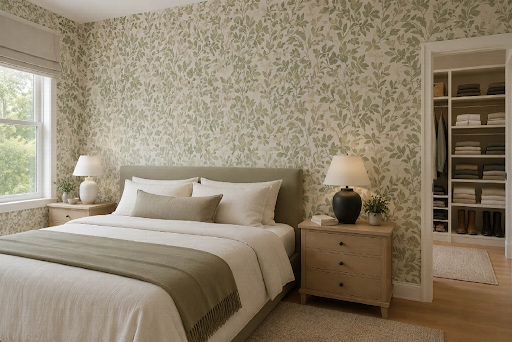
Decluttering Your Home? It Might Be the Perfect Time to Refresh Your Walls
When you finally tackle that overflowing closet, organize the garage, or clear out years of accumulated clutter, something unexpected usually happens—you begin noticing everything else in the room.
We partnered with a home design company for this post. The opinions in the post are honest. All reviews and opinions expressed in this post are based on our personal views. We are excited because we know you will love it.
When you finally tackle that overflowing closet, organize the garage, or clear out years of accumulated clutter, something unexpected usually happens—you begin noticing everything else in the room.
Freshly organized shelves suddenly make worn paint stand out. Empty corners reveal walls that feel flat or unfinished. A cleaner, more functional room often highlights design elements that no longer match the space you've worked so hard to improve.
For many homeowners, that's the moment when wall finishes become part of the conversation.
Why Walls Matter More Than You Think
Decluttering isn't just about getting rid of unnecessary things. It's about creating a home that feels calmer, lighter, and easier to enjoy.
But even the most organized room can still feel incomplete if the walls don't contribute to that atmosphere.
Modern wallpaper has evolved far beyond the patterns many people still associate with it. Today's collections include natural grasscloth textures, linen-inspired finishes, subtle botanicals, contemporary murals, and refined geometric designs that introduce warmth and visual depth without making a room feel busy.
Instead of adding more visual noise, thoughtfully selected wallpaper creates a quieter, more intentional backdrop that complements a clean, organized interior.
A Smart Time to Update Your Walls
Decluttering naturally creates the ideal opportunity for other home improvements.
Furniture has already been moved. Shelves have been cleared. Rooms are easier to access. If you've been considering wallpaper or another decorative wall finish, this is often the most practical time to complete the project before everything goes back into place.
Rather than limiting yourself to whatever happens to be available locally, it's worth exploringdesigner wallpaper collections that offer a much broader selection of textures, colors, and patterns. Premium wallpaper brands make it easier to match your walls to the atmosphere you're creating—whether that's a peaceful primary bedroom, a welcoming entryway, or a focused home office.
Where Wallpaper Makes the Biggest Difference
Some rooms naturally benefit more than others after a major decluttering project.
Home offices — Once paperwork, cables, and unnecessary furniture are gone, a textured or patterned accent wall helps transform the room into a workspace that feels intentional instead of temporary.
Entryways — Often one of the first areas people organize, entryways are also perfect candidates for wallpaper because even a single feature wall can dramatically improve the first impression of the home.
Primary bedrooms — After simplifying furniture and decor, a calming wallpaper behind the bed adds warmth and depth without overwhelming the room.
If you're looking for a statement wall rather than wallpapering an entire space, premium brands such asMilton & King offer bold botanical, artistic, and large-scale designs that create visual impact while still allowing the room to feel clean, balanced, and uncluttered.
Organization Meets Design
Decluttering improves how a home functions. Updating the walls is often what makes it feel complete.
Once the unnecessary items are gone, every remaining design element becomes more noticeable—including the walls that frame the entire room. Refreshing them with thoughtfully selected wallpaper can introduce texture, warmth, and personality without sacrificing the calm feeling you've worked so hard to create.
Sometimes the biggest transformation isn't buying new furniture or adding more décor—it's simply giving your newly organized space a backdrop that finally feels as intentional as everything else.

5 Stylish Ways to Screen Off Your Outdoor Space
Creating a private and stylish outdoor retreat is one of the best ways to enjoy your yard without feeling exposed. If you’re looking for ways to block out neighbors or to add a decorative touch, there are many creative solutions that can be tailored to the lifestyle and needs of your household.
Creating a private and stylish outdoor retreat is one of the best ways to enjoy your yard without feeling exposed. If you’re looking for ways to block out neighbors or to add a decorative touch, there are many creative solutions that can be tailored to the lifestyle and needs of your household.
Below are five approaches that combine practicality with aesthetic appeal, transforming your outdoor space into a welcoming sanctuary.
Vertical Garden Walls for Natural Privacy
A vertical garden wall offers both beauty and seclusion. It’s a perfect choice for homeowners who want greenery to double as a screen by stacking planters or installing modular panels filled with lush plants. It’s a great way to create a living wall that softens harsh lines and adds vibrant color.
This option provides privacy and improves air quality while creating a calming atmosphere. With careful plant selection, such as ferns, ivy, grasses, or flowering vines, you can enjoy year-round coverage while maintaining a stylish, eco-friendly design.
Decorative Lattice Panels With Climbing Plants
Lattice panels are a timeless way to divide outdoor areas while still allowing light and airflow. When paired with climbing plants like jasmine or bougainvillea, they become a dynamic feature that evolves with the seasons, gradually filling in the open spaces with color and texture that change throughout the year.
The geometric patterns of latticework add visual interest, and the growing plants weave through the openings to create a natural curtain. This combination is ideal for patios or garden seating areas where you want a balance of openness and privacy, offering just enough separation to feel secluded while still letting in sunlight and breezes. Over time, the plants will mature and provide even more coverage, blending structure with nature.
Privacy Walls for Durability and Weather Resistance
For homeowners seeking a more permanent and polished solution, privacy walls built by professionals, like Floridas Foam Walls, deliver both durability and elegance. These walls can be customized to match your home’s architecture to enhance curb appeal. Unlike temporary screens, professional walls are engineered to withstand weather conditions and provide long-term value and stability.
They can be designed with textures, finishes, built-in seating, or integrated lighting to elevate the outdoor experience. Choosing a professional installation ensures that the wall is structurally sound and aesthetically refined, giving you confidence that it will stand the test of time while also complementing the design of your home.
Outdoor Curtains for Flexible Screening
Outdoor curtains are a versatile option that allows you to adjust privacy levels depending on the occasion. Hung from pergolas or gazebos, they can be drawn closed for intimate gatherings or pulled back to open up the space, giving you complete control over how open or secluded your outdoor retreat feels.
Available in a wide range of fabrics and colors, outdoor curtains let you personalize your setting. They are especially useful for covered patios or poolside cabanas, providing shade and protection from the wind as well as privacy, for a flexible and adjustable barrier. With weather-resistant materials, they remain functional and attractive throughout the seasons.
Modern Slatted Screens for Contemporary Style
Slatted screens are typically made from wood, composite, aluminum, or metal. They offer a sleek, modern look that complements contemporary homes, offering a balance of privacy and openness that feels functional and stylish. Their horizontal or vertical lines also create a clean aesthetic while still allowing airflow and light.
Slatted screens can be installed as standalone panels or integrated into fencing systems. You can choose finishes that match your outdoor furniture or architectural details for a cohesive garden, patio, balcony, or exterior. They are also particularly great in urban settings where privacy and style need to coexist without feeling heavy or closed off, allowing you to enjoy a sense of separation without losing the openness of the space outdoors.
Conclusion
Screening off your outdoor space doesn’t mean sacrificing style. You have versatile options, like lush vertical gardens, modern slatted panels, resilient privacy walls, and airy outdoor curtains, each providing unique ways to create privacy while enhancing the overall design of your yard.
Whether you prefer natural greenery or professional installations, the right choice will help you enjoy your outdoor retreat with comfort and confidence. Explore these stylish solutions and start building the private oasis you’ve always envisioned!
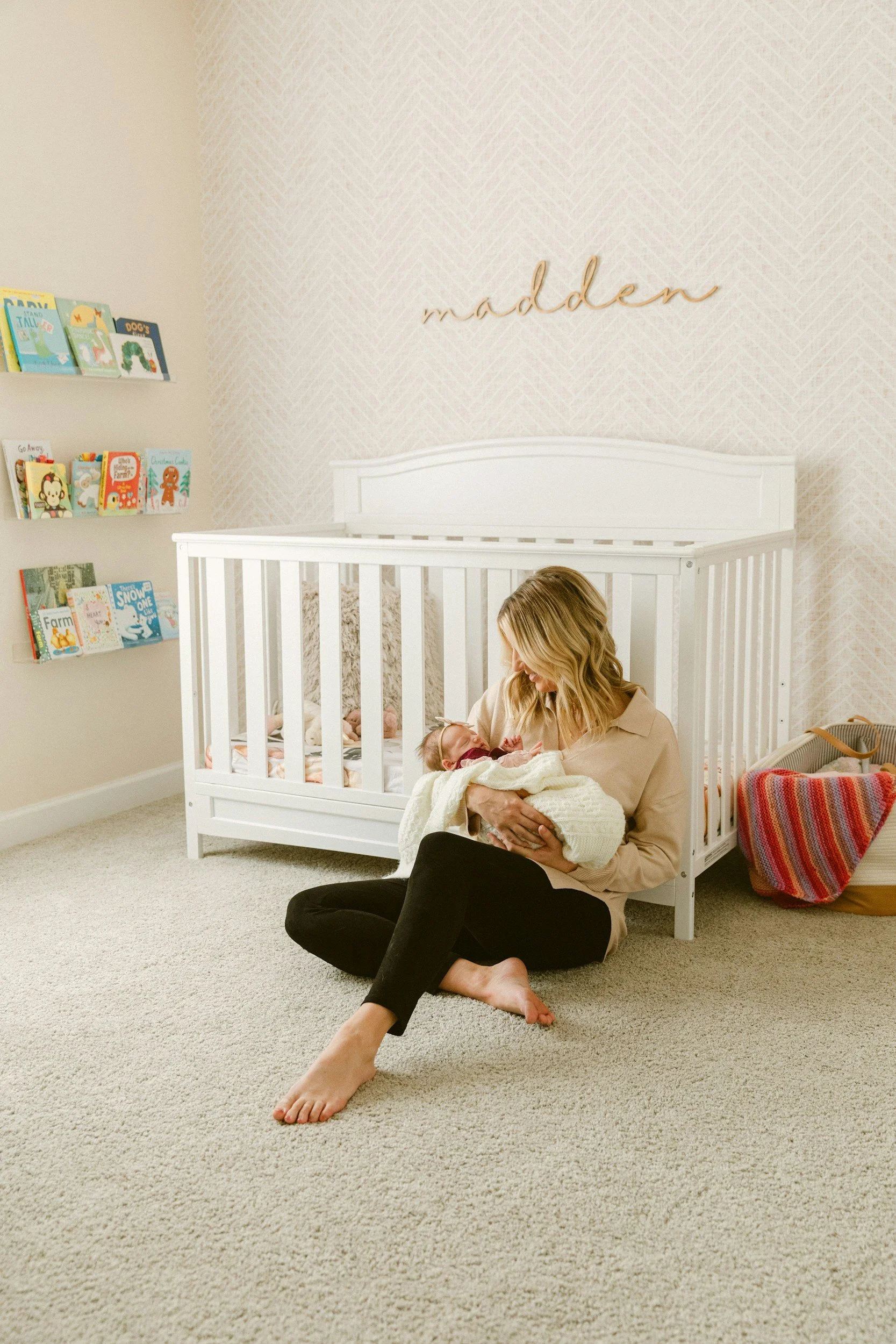
Dream Kids' Rooms: Decor and Wall Ideas for Creative Development
Designing your child's room is more than just aesthetics. You need to focus on creating an environment that fosters your child's creative development. From nurturing their imagination to fostering emotional creativity and growth, every aspect must be looked into.
We partnered with a home design company for this post. The opinions in the post are honest. All reviews and opinions expressed in this post are based on our personal views. We are excited because we know you will love it.
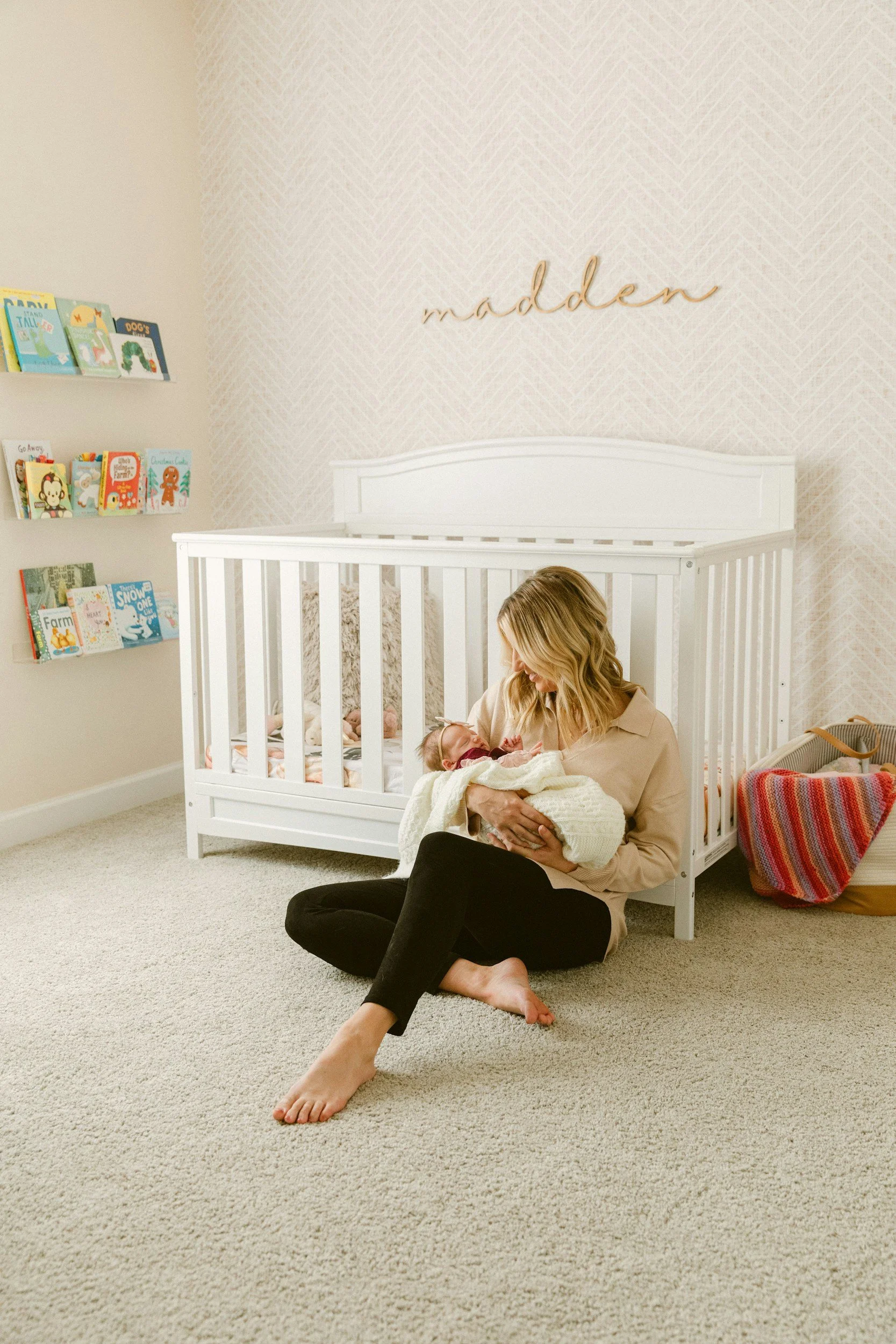
Designing your child's room is more than just aesthetics. You need to focus on creating an environment that fosters your child's creative development. From nurturing their imagination to fostering emotional creativity and growth, every aspect must be looked into.
A kids' room, when designed well, can make all the difference. It becomes their personal universe where they can thrive. It becomes a space where new stories will unfold, ideas will take root, and their confidence grows. There are multiple things you can try, from playful colour wall palettes to expressive wall elements.
Let's explore some of the best decor and wall ideas to boost creative development for kids.
1. Pretty Pink for the Walls
Every child has a favorite color at a young age. It would be wrong to say that they don't. Well, pink is the favourite colour for many. Walls painted in a subtle shade of pink can play an important role in boosting kids' creative development.
A light pink color creates a calming atmosphere for the kids and helps them focus. Kids who face anxiety can have this colour around to foster creative expression and imaginative play. Moreover, the subtle shade of pink also boosts fine motor skills in arts and crafts.
2. Include Fun Wall Themes
Kids love having themed walls. So, from chalkboard walls to cartoon characters and stories, you can include them all. Every time the kid looks at the wall, they should feel excited. These themed walls also set the mood for play and even calm them down to fall asleep.
Chalkboard walls also work wonders, serving as a canvas for the kids. The children can write, draw, and be as creative as they want. It sets the space for learning while also playing. These walls spark their imagination, which can be really helpful for cognitive development. The best part? These chalkboard walls are super easy to clean.
3. Have Nursery Wall Art for Early Development
If you have infants and young children around, it is best to have Nursery wall art. These play a subtle yet important role in a kid's overall development. From soft illustrations to high-contrast patterns and even simple shapes for visual recognition in babies, there's a lot that these walls can foster.
As children grow, these walls can also evolve into pieces of storytelling featuring animal characters, cultural motifs, and more. To introduce your child to concepts such as curiosity, empathy and identity, these wall arts can come in really handy. It's crucial to have such informative walls, especially during kids' early developmental stage.
4. Add a Creative Furniture
If you want to educate your kids, you have to take the creative route. So, you don't always have to include boring furniture, but you do have to include the fun ones. For example, furniture in different shapes, a tent, or a bunk bed can do wonders. These bunk beds are not only cool to have but also save space. Kids love the adventurous vibe these beds bring.
Now that you're experimenting with bunk beds, why not do the same for furniture? Go beyond the regular furniture and choose a different shape. These look cool and keep your child excited about what's next. These can also be great for your kids' cognitive development.
5. Celebratory Corners with Happy Birthday Signs
Celebrations are among the biggest parts of your child's life, especially the memories they will hold dear. Incorporate a dedicated space in the celebration corner that adds excitement for the kids. You can include reusable decor such as banners, Happy Birthday signs, fairy lights, and more.
Apart from temporary signs, you can also choose reusable birthday signage as the decorative element. Use items that can be kept throughout the year. As the birthday approaches, you can make it even better by including photos, themed accessories, and balloons. This should build an emotional connection to the celebrations.
6. Create a Reading Corner for Them
Introduce your child to the habit of reading from a very young age. For this reason, you should create a reading for your young kids. Decorate the space with fairy lights, a small tent and floor cushions. Let them snuggle into the space with a book.
Building a reading habit early should support early cognitive development. Furthermore, you can also keep low bookshelves for the kids. The kids can keep their own books and stack them as they like. Allowing the kids to be in charge of the bookshelf should help them become more independent.
Conclusion
The kids' dream room should be more than visually appealing. It should support learning and creativity and drive emotional well-being. Adopt interactive strategies that help your child become independent. You should create a space that grows with your child. Be careful with the design elements, and include components that make your kids' dream room stand out. Let your child's room tell their story and be a part of their daily routine.

What a Good Stucco Contractor Warranty Looks Like
A trustworthy stucco contractor will hand you a warranty that actually protects you, not a vague promise scribbled on the back of an invoice.
We partnered with a home design company for this post. The opinions in the post are honest. All reviews and opinions expressed in this post are based on our personal views. We are excited because we know you will love it.

A trustworthy stucco contractor will hand you a warranty that actually protects you, not a vague promise scribbled on the back of an invoice.
I learned the difference the frustrating way.
Years ago, I hired someone for an exterior repair based purely on price.
He was friendly, fast, and cheap.
When a crack reopened six months later, I called him.
The number was disconnected.
No warranty, no paper trail, no recourse.
I paid for the same repair twice.
That experience taught me to read the fine print before signing anything, and you can start by understanding what a quality stucco contractor actually offers.
Let me show you what separates a real warranty from an empty one.
Why the Warranty Matters So Much
A warranty isn't just paperwork.
It's a statement of confidence.
When a pro stands behind their work in writing, they're betting on their own quality.
That tells you something important.
Cheap operators avoid written guarantees because they don't expect their work to last.
A solid guarantee shifts the risk off your shoulders.
If something fails within the covered period, the fix is on them.
That protection is worth more than a slightly lower bid.
I've never regretted choosing the contractor who put it in writing.
Workmanship Coverage Comes First
What It Should Include
The most important part is workmanship coverage.
This protects you if the installation or repair itself fails.
Cracks that reopen, poor adhesion, texture that peels.
These are installation issues, and a good warranty covers them.
How Long It Should Last
Length varies, but a confident professional offers a meaningful window.
A one-week guarantee is a red flag.
Multiple years signals real faith in the craftsmanship.
Ask directly how long workmanship is covered and get the answer on paper.
Understanding What's Actually Covered
Here's where people get caught off guard.
Not every warranty covers everything.
A clear one spells out exactly what's included and what isn't.
Material defects might be covered separately by the product manufacturer.
Workmanship is covered by the installer.
Knowing which is which matters when something goes wrong.
I always tell homeowners to ask for the specifics in plain language.
If the contractor can't explain the coverage simply, that's a warning sign.
Vague terms protect the contractor, not you.
The Exclusions You Need to Read
Every honest warranty has exclusions.
That's normal and reasonable.
The key is knowing them before you sign, not after a problem appears.
Damage from natural disasters is usually excluded.
So is damage you cause yourself.
Neglecting basic maintenance can void coverage too.
A reputable pro walks you through these clearly.
A shady one buries them in fine print and hopes you never read it.
I once saw a homeowner lose coverage over a maintenance clause she didn't know existed.
Don't let that be you.
Red Flags to Watch For
Some signals tell you to walk away.
A verbal-only guarantee with nothing in writing.
Pressure to skip the paperwork and just trust them.
Refusal to explain the terms when you ask.
A warranty period so short it's almost meaningless.
These all point to someone who doesn't expect their work to hold.
The contractor who disconnected his phone on me checked every one of these boxes.
I just didn't know to look at the time.
Now I treat a clear written warranty as non-negotiable.
What a Strong Guarantee Includes
Let me lay out the green flags.
A written document you can keep.
Clear workmanship coverage for a meaningful number of years.
Plain-language terms you can actually understand.
Defined exclusions explained upfront.
A reachable business with a real address and phone number.
A simple process for making a claim if something fails.
When you see all of these, you're dealing with a professional who takes pride in their craft.
That combination is what real peace of mind looks like.
Why Reachability Is Part of the Deal
A warranty is only as good as the company behind it.
This is the part I underestimated.
A guarantee means nothing if you can't reach anyone to honor it.
Look for an established business with roots in the community.
Check that they have a verifiable address and reviews from real customers.
Longevity matters here.
A company that's been around for years is far more likely to still exist when you need them.
That stability is part of what you're paying for.
Pairing Warranty With Quality Work
A warranty doesn't replace good work.
It backs it up.
The best protection is hiring someone whose repairs rarely fail in the first place.
Quality work addresses the root cause, seals properly, and matches the existing texture.
The warranty is the safety net beneath that craftsmanship.
When you combine skilled repair with a clear guarantee, you get true durability.
That's the standard worth holding out for.
Skimping on either one tends to cost you later.
The Bottom Line
A good warranty tells you a contractor believes in their own work.
It puts the promise in writing, explains the coverage, and comes from a business you can actually reach.
The cheap, no-paperwork route cost me a repair I had to pay for twice.
I won't make that mistake again.
Before you hire anyone, ask for the warranty in writing and read every line.
Understand what's covered, what isn't, and how long it lasts.
Pair that guarantee with proven quality work, and you protect both your home and your wallet.
Get the paperwork right upfront, and you'll never be left calling a disconnected number.