

A resource for those seeking information on organizing and transforming spaces.

7 Modern Trends in Luxury Home Renovation and Organization
Renovations to your elegant home are a terrific way to increase comfort and marketability. Reclaimed wall paneling, all-year indoor-outdoor spaces, and opulent bedrooms fit for a hotel are some of the most significant trends in home design.
We partnered with a home improvement company for this post. The opinions in the post are honest. All reviews and opinions expressed in this post are based on our personal views. We are excited because we know you will love it.
Renovations to your elegant home are a terrific way to increase comfort and marketability. Reclaimed wall paneling, all-year indoor-outdoor spaces, and opulent bedrooms fit for a hotel are some of the most significant trends in home design.
Upgrades for luxury homes have become increasingly popular in recent years. It is now more crucial than ever to maximize home comfort by including more upscale features that fit the lifestyles of families.
With an upscale makeover, the possibilities are endless. You can knock down walls and rearrange your entire home's design, install several opulent features, update your aesthetic, and add anything else you can imagine.
Choosing which features to implement in your remodel is the only challenge presented by having infinite options. Enjoy the benefits of affluent living using this guide to find some excellent ideas for luxury home upgrades.
Incorporate Nature-Inspired Features
Spending time in nature is beneficial to your physical and emotional well-being. However, considering how much time people spend indoors, it makes sense that luxury designers and homeowners now pay close attention to the trend of incorporating nature into interior spaces.
Natural materials, like marble and wood, have distinctive patterns, textures, and designs that draw the eye and contribute to a space's harmony between cutting-edge sophistication and the natural world.
Interior design still embraces the trend of natural shapes, particularly the common houseplants, which give spaces a playful yet earthy feel. Light wood cabinetry now replaces traditional white cabinets, creating an airy and soulful environment that feels closer to the natural world. Textiles made of organic materials, such as cotton and silk, foster a connection with nature.
These materials and styles give any space character, elegance, splendor, and an aura of calm.
Art-Focused Design
Art has always been an excellent way to draw attention to a space, and 2024's luxury aesthetic will be no different. Artwork gives a space life, which adds depth, color, and texture. In addition to generating curiosity, it can convey the homeowner's character, sense of style, morals, and worldview.
Creating a room that reflects and highlights the artwork it contains is the goal of art-focused design. It entails giving careful thought to every element of the setting, including the furniture, lighting, and color scheme. It's about implementing a cohesive vision that honors the art and offers spectators a singular experience. Art-focused areas can become memorable and inspiring with careful design.
Grand-Entryway
When guests enter your space, you want them to feel like they have come to a special place. The trick should be a stunning entryway with an arched ceiling, plenty of space, and an elegant staircase to access the upper floor.
Sometimes, homeowners overlook the significance of this first impression because they are preoccupied with their homes' living areas and curb appeal. Is the lighting in your house dim when you walk in? Is your foyer always cluttered when it should be displaying a beautiful design? Adding windows or enlarging your entrance could be the ideal fix.
Outdoor Living
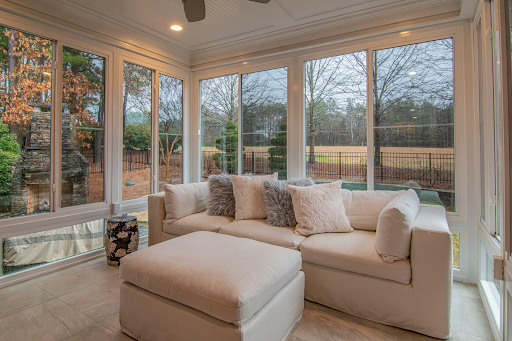
Even with the weather challenges in your neighborhood, you can still create an enjoyable outdoor space in overcast, rainy weather.
Without a doubt, being outside is healthy for you, and having a nice, cozy place to spend time outdoors improves your life quality significantly. Thus, ensure that outdoor living areas and livable garden design are at the top of your list of priorities.
You might have a lot of creative freedom if your yard is plain and mainly made of grass. Is fencing an excellent means to raise the value of a property, you ask?
Yes, but you can also benefit from better weather days, have more space for relaxing, and see a much higher increase in your home's value by adding other features, like an outdoor kitchen.
Hard landscaping installation creates the ideal foundation for a large grill arrangement, prep areas, and family or guest seating.
Efficient Storage and Less Clutter
Increasing the storage space available for your wardrobe makes sense because closets are a common area for household clutter. The best location is a spare room, ideally next to the master bedroom. An area of your spacious master bedroom can also be a practical space if you don't have a spare room.
You can designate specific spaces for your clothing and accessories if you have a large amount of storage space and a high-quality custom closet organizer. It saves significant time you would otherwise lose due to item misplacement and a lack of a practical wardrobe setup system.
Premium Flooring
A luxury home's design elements must strike a harmonious balance between resilience, functionality, and aesthetics. It's particularly true for flooring, which significantly impacts how a living area looks and experiences some of the most damage in homes.
The right kind of attractive flooring can effectively complement the architectural style of a luxurious residence. Valuable stone, marble, and tile floor coverings come in many finishes and designs to give the desired appearance of luxury, and they have long been a mainstay in the homes of wealthy homeowners.
Have Fun with Texture
The biggest trend in home remodeling is texture on the walls. Texture suggests comfort and luxury. Hence, you can instantly make a room more elegant with interior decor rich and soulful in terms of texture and appearance.
Playing with texture can help you create a beautiful, suspenseful experience for yourself. Every surface in a home renovation or remodel needs to have rich textures applied to it. Show boldness.
Select fabrics with relief surfaces or thick patterns. Select stones with distinct figures, such as marble. Use chic wallpaper to alter the space's color, size, and design. In addition, 3D rugs are a fun way to add texture (tactile and visual), especially when placed against a plastered wall.
Renovating and Organizing Your Home
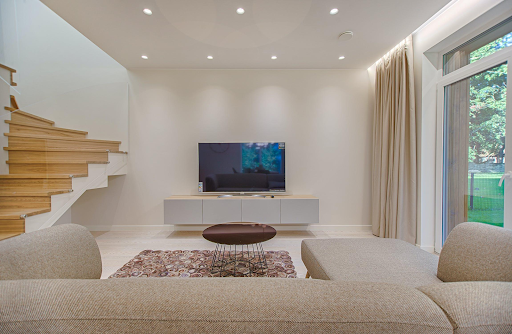
Creating an elegant style for your home design is easier than it might seem. You can create an aesthetic that will impress your guests with the right flooring, reclaimed wall paneling, texture, and color scheme.
Ultimately, these tips are recommendations that you may find valuable to improve your mood, encourage well-being, and improve your house looks through remodeling and organizing. They are not rules. Instead of controlling you, let the advice inspire you. come
It is not a serious endeavor. It's supposed to be fun, so try not to worry too much. Ultimately, your definition of beauty will determine how you enhance the aesthetics of your residence.

Tips for Choosing a Good Plot of Land to Build a House On
Building a home is a lifetime investment, and selecting the right plot of land is an integral part of this decision. The process of choosing good land might seem straightforward, but it is more complex than most people think. You need to look beyond the beauty of the site and consider various other factors that will impact your decision to build a home. From zoning to soil composition, there are numerous things that you need to consider before settling on a plot of land for building your dream home. This blog post will discuss some tips for choosing a good plot of land to build a house on.
Building a home is a lifetime investment, and selecting the right plot of land is an integral part of this decision. The process of choosing good land might seem straightforward, but it is more complex than most people think. You need to look beyond the beauty of the site and consider various other factors that will impact your decision to build a home. From zoning to soil composition, there are numerous things that you need to consider before settling on a plot of land for building your dream home. This blog post will discuss some tips for choosing a good plot of land to build a house on.
Location is Key
Location is one of the most important factors to consider when choosing a plot of land. Other than this, you must consider proximity to amenities like schools, hospitals, and shopping centers. A piece of land far from the city might sound great if you are looking to build a small and cozy home, but it can cause problems with access to utilities and infrastructure. Before deciding on building on a piece of land, check whether it is a victim to floods or forest fires, which can cause severe damage, especially if your home is built on a low-lying area or surrounded by forests.
Check the Soil Composition and Drainage
The soil composition and drainage of the land are significant indicators of the position of your home's foundation and its stability in the long term. Before making an offer on the land, ensure that the soil is stable to avoid the possibility of having to sink additional costs on ground preparation when it comes to building the foundation. It's worth noting that steep hills and low-lying areas are an unstable foundation, which will require additional ground preparation like retaining walls, adding up extra costs to the already expensive process of building a home.
Verify All Utilities and Building Codes
Ensure that the plot of land you want to build a home on has access to all the needed utilities like water, sewage, and electricity. Check with the local council for building codes and requirements for specific neighborhoods. In some situations, installing utilities in a new area can be costly, so understanding the requirements before building a home helps prevent any unexpected delays or avoidable expenses.
Zoning Regulations
Before buying land to build a house, it's important to do your homework on zoning regulations in the area. Check with your local council on zoning limitations and the specific neighborhood's size or location of the home. Consider if there are any additional zoning requirements like minimum property size or home height restrictions.
Consult with a Professional Land Surveyor
Before finalizing the process of choosing an ideal plot of land, it is advisable to consult a professional land surveyor who understands all elements of the area. A land surveying expert will help identify potential issues you might not have noticed while ensuring property boundaries are accurate. With their advice, you will have a well-designed plot for your dream home, equipped with drainage and foundation plans, and the appropriate legal documents to avoid any future land disputes.
Choosing a good plot of land to build a house on is an intricate process that requires patience, research, and diligence. You must consider the land's geographical location, quality of soil, access of utilities, zoning regulations, and having professional advice from a land surveyor. These tips, along with thorough research, will help ensure that you find the ideal plot of the land to suit your home design needs while preparing your groundwork for a new home. Ultimately choosing the right plot of land can save you expenses and time, leading to a successful home building process with no regrets.

8 Tips for Moving to a Big City with Your Pets
Relocating to a bustling metropolis may be an exciting prospect, but it also presents a unique set of challenges—especially if you’ll be bringing your pets along for the big move. They may initially be disoriented by the concrete jungle and by the disruption of the daily routine they’d built with you in a smaller town.
Relocating to a bustling metropolis may be an exciting prospect, but it also presents a unique set of challenges—especially if you’ll be bringing your pets along for the big move. They may initially be disoriented by the concrete jungle and by the disruption of the daily routine they’d built with you in a smaller town.
You’ll want to be proactive in your approach when it comes to acclimatizing to a big city with your pets in tow. Here are some tips for preparing yourself and your pets for the move and ensuring a smooth transition for all of you into your new urban life:
1) Do Your Research on Pet-Friendly Housing
The first step you should take towards setting up roots in the big city with your pets is to find a home that welcomes their presence. City living often means smaller spaces and closer proximity to neighbors, which may result in restrictions on pet ownership.
Before anything else, make sure your new residence can accommodate your pets’ needs. Look for apartments or housing complexes with pet-friendly amenities, such as nearby dog parks or pet stores. Consider, too, the proximity to green spaces for dog walks and the local policy on pet sizes or breeds. This is essential for a hassle-free move to the city.
2) Educate Yourself about Local Pet Regulations
Every city has its own set of rules when it comes to pets. You’ll need to educate yourself about the local ordinances regarding leashes, pet waste disposal, and noise control. Some cities may also require specific licenses or have breed-specific legislation. Make it a point to be well-informed about these and to be compliant with local laws, as they will help you advocate for your pet's rights and needs in an urban setting.
3) Gradually Introduce Your Pets to Their New Environment
Warm your pets up to your new home by taking short walks in quiet areas before gradually exposing them to the city’s busier streets. Also make sure to keep your pets close by and invest in high-quality collars, leashes, and pet merchandise. This way, you can prevent them from getting lost or straying away from you in an initially unfamiliar area.
You should also make sure that your pets have a taste of home with them in your new place, for example the same type of custom dog beds they’ve always used. This gradual introduction will help reduce their anxiety and afford them a sense of security and stability.
4) Maintain a Consistent Routine
Consistency is also vital when it comes to helping your fur babies adjust to their new urban environment. Despite the change in setting, you should strive to keep their feeding, walking, and playtime schedules as consistent as possible. This familiarity will allow your pets to feel grounded and secure amidst all the major changes of the move.
Set routines will also make it easier to establish new habits and boundaries within your new living space. With a routine in place, pretty soon both you and your pets will fall into step and adjust to the rhythms of city life.
5) Prioritize Exercise and Socialization
Even in a city with limited open spaces, you’ll want your pets to get enough exercise and social interaction. Look for dog parks or pet-friendly areas where your furry friends can run, play, and interact with other pets. The exercise will preserve both their physical health and mental well-being, and regular socialization will allow them to start interacting with new people and animals on a positive note.
6) Desensitize Pets to Common City Noises
The sounds that are unique to a big city–like constant honking from car horns due to the traffic—can be startling for pets unused to such noise, especially if you moved from a relatively quiet town. To reduce your pets’ anxiety, it would be good to gradually acclimatize them to these sounds.
You can start this process even before the move, using recordings of urban sounds and playing them through the speakers in your home. Once in the city, reassure and calm your pets during noisy moments to help them adjust to the noise from the rest of the city outside.
7) Ensure Balcony and Window Safety
If your new city home includes balconies or large windows, you’ll want to pet-proof these as soon as possible. Your balconies must be securely enclosed, and windows must have sturdy screens. Pets, especially curious dogs and cats, may be tempted to explore these high areas and can be at risk of falls. Taking these precautions will prevent accidents and keep your pets safe in your high-rise urban home.
8) Find a New Veterinarian
Some pet owners overlook the importance of having a go-to veterinarian when they move to a new area. But this should be one of your top priorities after the move.
Research local veterinary clinics and consider their proximity, availability, and range of services. Schedule a visit soon after moving to establish a relationship and ensure your pets’ health records are up-to-date. This is also an excellent opportunity to discuss any concerns about urban living with your vet, such as exposure to city hazards or changes in your pets’ behavior.
Embracing the City Life with Your Pets
Your journey to the big city with your pets will kickstart an exciting new chapter in your lives, filled with urban adventures. While the transition may come with its challenges, the companionship of your pets will make every step worthwhile.
We partnered with a pet supply company for this post. The opinions in the post are honest. All reviews and opinions expressed in this post are based on our personal views. We are excited because we know you will love it.

How to Identify Fraudulent Rental Applications?
Renting out your property can be a rewarding endeavor, but it comes with the responsibility of ensuring that you choose tenants who are genuine and trustworthy. With the unfortunate rise of fraudulent rental applications, landlords must sharpen their detective skills to navigate the screening process effectively. In this guide, we'll unravel the complexities of identifying red flags, offering you practical insights to fortify your defenses against fraudulent practices. From verifying identity documents to scrutinizing employment details, we'll equip you with the tools needed to make informed decisions and safeguard your property from potential risks. Let's dive into the world of tenant screening, where vigilance is your greatest ally in maintaining a secure and transparent landlord-tenant relationship.

Renting out your property can be a rewarding endeavor, but it comes with the responsibility of ensuring that you choose tenants who are genuine and trustworthy. With the unfortunate rise of fraudulent rental applications, landlords must sharpen their detective skills to navigate the screening process effectively. In this guide, we'll unravel the complexities of identifying red flags, offering you practical insights to fortify your defenses against fraudulent practices. From verifying identity documents to scrutinizing employment details, we'll equip you with the tools needed to make informed decisions and safeguard your property from potential risks. Let's dive into the world of tenant screening, where vigilance is your greatest ally in maintaining a secure and transparent landlord-tenant relationship.
1. Verify Identity Documents
Begin by scrutinizing the provided identification documents. Ensure that the names and details match across all paperwork. Pay attention to any signs of tampering, such as altered dates or inconsistent fonts. Legitimate applicants will provide genuine and unaltered identification.
2. Cross-Check Employment Details
Verify the applicant's employment details, such as job title, company name, and income. Contact the employer directly to confirm these details. Fraudulent applicants might provide false information in an attempt to appear more financially stable than they are.
3. Thoroughly Examine Credit Reports
Request and review the applicant's credit report. Look for unusual patterns, significant debts, or recent applications for credit. A poor credit history doesn't necessarily mean fraud, but it's a crucial aspect to consider in the broader context of the application.
4. Speak to Previous Landlords
Reach out to the applicant's previous landlords to gather insights into their rental history. Ask about the timeliness of rent payments, any property damages, or any other concerns. Fraudulent applicants may provide fake landlord references, so it's essential to validate their authenticity.
5. Scrutinize Social Media Presence
A quick online search can reveal a lot about an applicant. Check social media profiles to gauge their lifestyle, stability, and any potential discrepancies with the information provided in the application. Be cautious if the online presence seems inconsistent with the details on the application.
6. Beware of Rushed Applications
Fraudulent applicants may pressure landlords for quick approvals, avoiding thorough scrutiny. Be wary of those who seem overly eager to bypass standard procedures or insist on an expedited decision. A legitimate tenant will understand the need for due diligence.
7. Request Additional Documentation
When in doubt, ask for additional documentation to support the application. This could include recent pay stubs, bank statements, or reference letters. Legitimate tenants will typically be willing to provide the necessary documentation to reassure landlords.
8. Watch for Overpayment
Be cautious if an applicant offers to pay several months' rent upfront or proposes an overpayment. Fraudulent applicants may use this tactic to create a sense of urgency and pressure landlords into quick acceptance.
9. Check for Consistency in Application Details
Scrutinize the application for consistency. Discrepancies in the provided information, such as different addresses on official documents, could be indicators of fraudulent activity.
10. Trust Your Instincts
Landlords often have a gut feeling about potential tenants. If something feels off or doesn't add up, take the time to investigate further. Your instincts can be a valuable tool in identifying fraudulent rental applications.
Conclusion
In the realm of landlordship, mastering the art of identifying fraudulent red flags on a rental application is your shield against potential pitfalls. By employing a diligent screening process, cross-referencing details, and trusting your instincts, you're fortifying your property against deceptive practices. Remember, the transparency embedded in a thorough rental application form is the linchpin of a successful landlord-tenant relationship. As you embark on this journey, remain vigilant, stay informed, and let the commitment to a meticulous rental application form process guide you to tenants who not only fulfill the criteria but also contribute to a secure and harmonious living environment. Here's to responsible renting and the assurance that your property is in trustworthy hands. Happy renting!

