

A resource for those seeking information on organizing and transforming spaces.
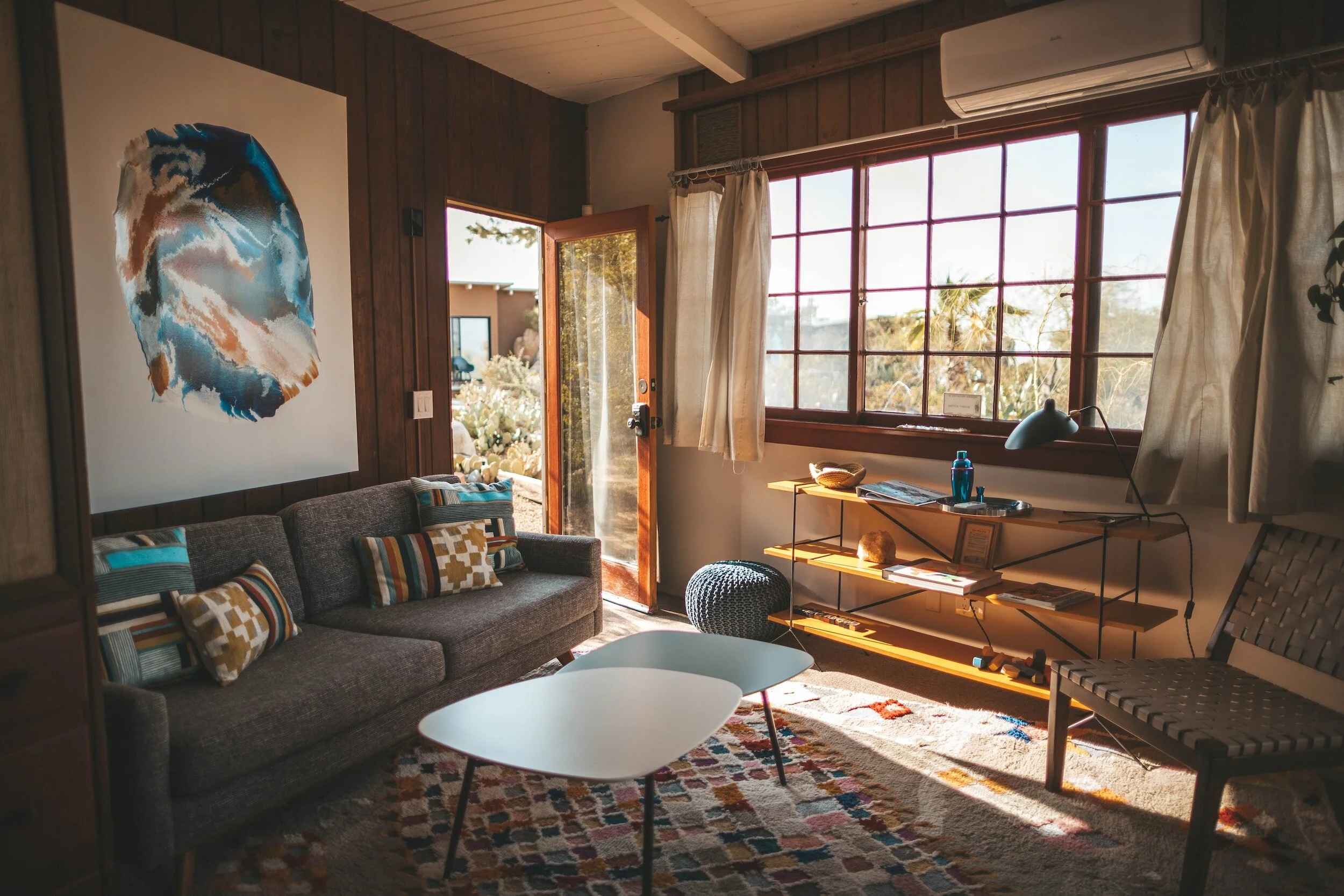
Ways to Add More Natural Light to Your Home
Nothing compares to the glow of natural light streaming into your home. It can completely enhance your mood, improve overall functionality, and enliven any room. However, not every house comes with bright, abundant sunlight. Natural light can make a cramped room feel larger, and even create a sunny space from a dark one. If you would like to learn how to add more natural light to your home, this is the blog post for you. Let's explore some of the best ways to brighten up your space and maximize the amount of natural light in your home.
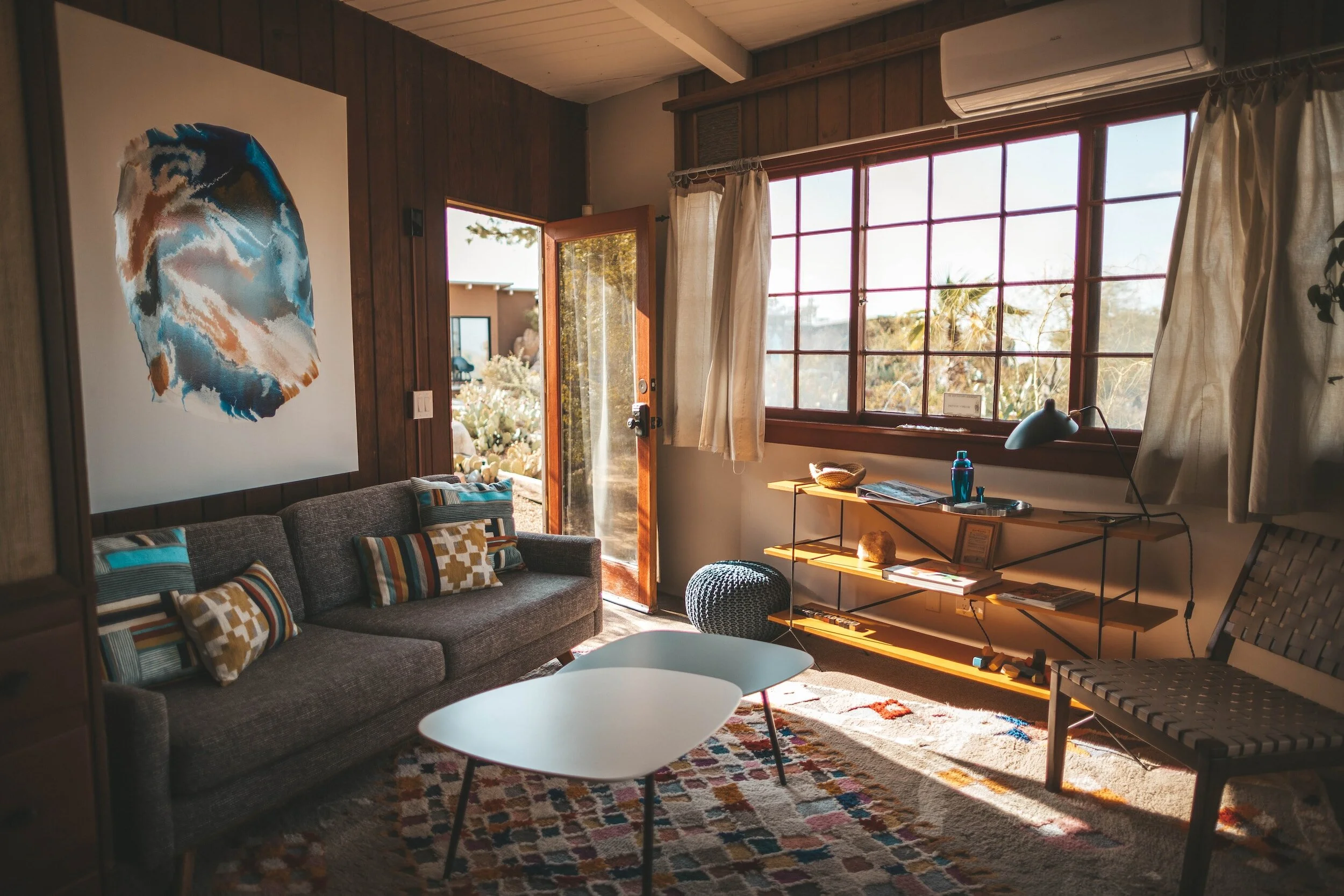
Nothing compares to the glow of natural light streaming into your home. It can completely enhance your mood, improve overall functionality, and enliven any room. However, not every house comes with bright, abundant sunlight. Natural light can make a cramped room feel larger, and even create a sunny space from a dark one. If you would like to learn how to add more natural light to your home, this is the blog post for you. Let's explore some of the best ways to brighten up your space and maximize the amount of natural light in your home.
Mirrors
Mirrors are one of the best ways to enhance natural light in a room. A well-positioned mirror can reflect light from the outside and create an illusion of more space. Place mirrors opposite to the windows or on the adjacent walls to maximize natural light. You can even mount a mirror on a wall behind a lamp to amplify the light and create a luminous effect.
Install Skylights
For homeowners who are looking for a permanent solution to add more natural light to their homes, installing a skylight can be a great option. A skylight is an opening on the roof that allows sunlight to enter naturally into your room. It not only reduces the amount of electricity you use to light your home but also improves ventilation, which can reduce your energy bills.
Window Treatments
Consider changing your window treatment to allow more natural light in. Install sheers, voiles, or other sheer window treatments so that natural light can filter through. If you need privacy, opt for translucent shades that will allow light in but obstruct the view.
Paint It Light
Did you know that the color of your walls can affect the amount of natural light in your home? Darker colors absorb more light, while lighter colors reflect light. Painting your rooms with light tones like white, beige, or cream can make a significant impact and help maximize the natural light that enters your space.
Trim the Trees
Overgrown trees or shrubs outside your windows can block sunlight. It's essential to trim them regularly to allow natural light to enter your space. Make sure you also keep your windows clean to maximize the amount of sunlight entering your home.
Glass Doors
If you have a patio or deck, consider installing a glass door. They not only add an elegant touch to your home but also allow natural light to flood in. Glass doors are available in various styles and designs, so you can choose one that best fits your home's aesthetics.
Brightening up your home with natural light is the best way to make the most of the space you have. With these tips, you can easily transform any room into a cheery, welcoming space that's full of light. Try implementing some of these ideas and see what a difference natural light can make in your home.
How to Child-Proof Your New Home Before Moving In
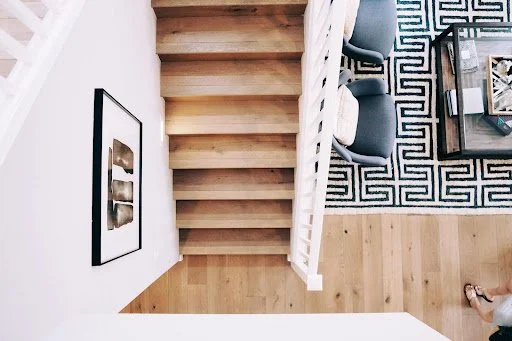
Moving into a new home is an exciting time for any family. But if you have little ones, safety is a paramount concern that can't be overlooked. Child-proofing your new home is an essential step to creating a safe and friendly environment for your children to explore and grow. This guide will provide you with a comprehensive plan to effectively child-proof your new home before moving in, ensuring peace of mind as your children embark on new adventures in their new surroundings.
Moving into a new home is an exciting time for any family. But if you have little ones, safety is a paramount concern that can't be overlooked. Child-proofing your new home is an essential step to creating a safe and friendly environment for your children to explore and grow. This guide will provide you with a comprehensive plan to effectively child-proof your new home before moving in, ensuring peace of mind as your children embark on new adventures in their new surroundings.
Storing Dangerous Items
One of the first things you should do before moving in is to gather all potentially dangerous items and store them out of reach or in secured cabinets. This includes cleaning products, sharp objects such as knives and scissors, medications, and any other hazardous materials. Consider installing child-proof locks on your cabinets for an added layer of security.
It's also a good idea to invest in child-proof containers for items like medications, which can be easily opened by curious little hands. The folks at https://everlastingsafes.com/pages/best-gun-safes note that a gun safe is a must-have for any household with firearms, especially with children around. Properly storing and securing dangerous items will greatly reduce the risk of accidents or injuries.
Living Area Safety
Your living room needs to be a safe place for play and relaxation. Cover all electrical outlets with safety caps and keep cords and blinds out of reach to prevent choking or strangulation. Secure tall furniture pieces like bookcases and TV stands to the wall to prevent them from tipping over.
When it comes to the fireplace, consider using a safety gate or a fireplace screen to keep children at a safe distance. Ensure that any small decorative items that could be a choking hazard are removed or kept out of reach.
As with the kitchen and bathroom, use corner guards on coffee tables, TV stands, or any other furniture with sharp edges. Always keep remote controls, batteries, and other small items that can be swallowed out of reach.
Securing the Kitchen
The kitchen can be a dangerous place for little explorers. Keep cleaning supplies, sharp utensils, and other hazardous items out of reach or locked away. Install safety latches on drawers and cabinets, and consider adding stove knob covers to prevent your child from accidentally turning on the burners.
Appliances like refrigerators, dishwashers, and ovens could potentially tip over if a child tries to climb on them. Secure these with appliance straps or anchor them to the wall. Don't forget to make sure garbage cans have child-resistant lids to keep curious hands out of harm's way.
For added precaution, use corner guards on sharp-edged furniture such as tables and chairs to prevent injuries. Install door and drawer pinch guards to prevent little fingers from getting caught. Remember to keep chairs and stools away from counters and stove tops to discourage climbing.
Baby-Proofing the Bathroom
Similar to the kitchen, the bathroom poses several risks to small children. Always keep the toilet lid closed, or better yet, install a toilet lock. Never leave your child unattended in a bath and ensure bath water is at a safe temperature.
Medicines, cosmetics, and other personal care products should be stored in a locked cabinet. Make sure to keep small items that can be easily swallowed like hairpins, razors, or toothpaste caps out of reach.
Remember to secure the bathroom door with a child-proof door knob cover to ensure your child cannot enter without adult supervision. Also, consider adding a non-slip mat to the bathtub and bathroom floor to prevent falls and injuries.
Making the Bedrooms Safe
In your children's bedrooms, ensure all furniture is sturdy and secure. Anchor heavy furniture, such as dressers and bookcases, to the wall to prevent them from toppling over. Avoid using drop-side cribs as they can pose a risk of injury.
Ensure windows have locks and limit how much they can be opened with window guards. Keep blind cords out of reach, and never place a crib or bed near a window.
Remove small toys, pillows, and blankets from cribs as they can pose a suffocation risk for younger children. For older children, ensure toys are age-appropriate and without small parts that can be a choking hazard.
Safeguarding the Garage and Garden
Garages and gardens can hold a multitude of dangers for small children. Keep all tools, garden equipment, and chemicals locked away. Ensure vehicles are always locked, and never leave your child unattended in a car.
Garden ponds or pools should be securely fenced off. Install self-locking gates to prevent children from wandering into potentially dangerous areas. Always supervise your child when they are playing outside.
Check outdoor play equipment regularly for wear and tear. Make sure they are securely anchored and have no sharp edges. Keep sandboxes covered when not in use to prevent animals from getting in.
In conclusion, child-proofing your new home before moving in is a crucial step to ensuring the safety of your children. By following these guidelines and constantly staying vigilant, you can create a safe and nurturing environment for your little ones to thrive in. Remember, accidents can happen at any time, but with proper precautions and preparation, you can greatly reduce the risk and provide peace of mind for you and your family.

Key Considerations for a Restful Sleep of Your Pet
Similar to humans, pets also require a good night's sleep to function at their best. Inadequate sleep in pets can result in various health issues, such as compromised immune function, behavioral problems, and reduced lifespan. It is crucial to understand the factors that influence your pet's sleep quality to ensure their overall well-being. By staying attuned to your pet's sleep schedule, you can ensure they receive the appropriate amount of rest based on their age and breed. So, what are the key factors to consider for promoting restful sleep for your beloved companion?
Similar to humans, pets also require a good night's sleep to function at their best. Inadequate sleep in pets can result in various health issues, such as compromised immune function, behavioral problems, and reduced lifespan. It is crucial to understand the factors that influence your pet's sleep quality to ensure their overall well-being. By staying attuned to your pet's sleep schedule, you can ensure they receive the appropriate amount of rest based on their age and breed. So, what are the key factors to consider for promoting restful sleep for your beloved companion?
Understanding Your Pet's Sleep Cycles
Sleep patterns in pets vary depending on their species, age, and lifestyle. For instance, cats tend to spend most of their day sleeping while dogs have a more active lifestyle with multiple naps throughout the day. Understanding your pet's sleep cycles is essential as it allows you to create a suitable sleep environment for them. Cats, for example, need a quiet and comfortable spot away from distractions while dogs may benefit from having their own designated sleeping area.
During your pet's slumber, its body undergoes various sleep stages, encompassing light sleep, deep sleep, and REM (rapid eye movement) sleep. Similar to humans, pets also engage in dreaming during the REM phase, emphasizing the importance of providing them with uninterrupted rest.
The Importance of Orthopedic Dog Beds for Enhanced Sleep Comfort
Just like humans, pets can also develop musculoskeletal issues that can impact their sleep quality. Choosing the right bed for your pet is crucial, especially if they are prone to joint problems or are older. Orthopedic dog beds offer superior support and comfort by reducing pressure points and promoting proper alignment of the spine.
The beds are designed with memory foam, providing the required cushioning to alleviate any discomfort your pet may experience while sleeping. Namely, these incredible memory foam dog beds mold your canine's body, resulting in enhanced comfort and a better sleep experience. When investing in an orthopedic bed for your pet, ensure that it is the appropriate size and thickness to support their weight and body shape.
Maintaining a Consistent Sleep Schedule
Establishing a consistent sleep schedule for your pet can help them develop healthy sleep habits. While it may vary depending on species, age, and lifestyle, most pets require around 12-14 hours of sleep per day. Make sure to include nap times in their daily routine, especially for younger or older pets who may need more rest.
On the other hand, try to avoid changing your pet's sleep schedule abruptly as it can disrupt their internal body clock and lead to sleep disturbances. If you need to adjust their sleep schedule, do so gradually over a few days while monitoring how it affects your pet.
Exercise and Mental Stimulation

Regular exercise and mental stimulation are crucial for promoting restful sleep in pets. By providing your pet with enough physical and mental activity throughout the day, you can help them expend their energy and decrease any potential restlessness or anxiety that could disrupt their sleep at night.
For example, taking your dog for a walk or playing with your cat using interactive toys can help tire them out and promote better sleep. Keep in mind that some pets may have specific exercise needs based on their breed and age, so it's essential to consult with your veterinarian about the best activity level for your pet. If the dog is not getting enough exercise during the day, they may resort to disruptive behaviors at night, such as barking, scratching, or chewing.
Diet and Nutrition
Diet and nutrition also play a significant role in your pet's sleep quality. Providing your pet with a well-balanced diet that meets their individual needs can ensure they receive the necessary nutrients for healthy brain function and overall well-being. Avoid feeding your pet close to bedtime as it can lead to discomfort and disrupt their sleep.
Additionally, make sure your pet has access to fresh water throughout the day, especially before bedtime, to prevent dehydration which can also affect their sleep.
Creating a Calm Sleep Environment
A serene and comfortable sleep environment can significantly enhance your pet's sleep quality. Ensure the sleeping area is clean, quiet, and has a comfortable temperature. Minimize exposure to bright lights and loud noises, particularly during their sleep times, as these could interrupt their rest. For pets who are easily startled or anxious, consider using a crate or a separate room where they can sleep undisturbed. Additionally, certain calming aids such as pet-friendly aromatherapy or white noise can be beneficial in creating a tranquil environment conducive to sleep. Remember, a safe and quiet sleep environment will help your pet feel more relaxed and promote restful sleep.
It's undeniable that the quality of your pet's sleep has profound implications on their overall health and well-being. From understanding their sleep cycles to creating a calm sleep environment, every element plays a crucial role in ensuring your companion is getting the rest they need. Opt for an orthopedic bed if they have joint issues, maintain a consistent sleep schedule, and keep them active during the day to promote better sleep at night. Providing a balanced diet and ensuring they stay hydrated is also fundamental. Keep in mind that your four-legged friend's sleep needs might differ from yours, and it's about understanding those needs and making suitable arrangements. Your pet's peaceful slumber is a pathway to a happier, healthier life.

Important Things You Should Consider Before Starting Home Restoration
The idea of restoring a house from its former glory can be exciting and tempting, as it allows you to create your dream home with unique history and character. However, before diving into this endeavor, there are some crucial things that you should consider. Home restoration is not an easy task, but with careful planning and consideration, it can be a rewarding experience both financially and emotionally.
The idea of restoring a house from its former glory can be exciting and tempting, as it allows you to create your dream home with unique history and character. However, before diving into this endeavor, there are some crucial things that you should consider. Home restoration is not an easy task, but with careful planning and consideration, it can be a rewarding experience both financially and emotionally.
In this blog post, we will discuss the important factors that you need to keep in mind before embarking on a home restoration project. From identifying the scope of work to estimating costs and understanding potential challenges, we will provide you with all the necessary information to ensure a successful restoration journey. So let's get started on creating your dream home!
Getting Rid of Mold and Water Damage
One common issue that many homeowners face during a home restoration project is the presence of mold and water damage. These problems can be caused by various factors such as leaks, flooding, or poor ventilation. Not only do they affect the overall appearance of your house, but they can also pose serious health risks if left unaddressed. It is essential to address mold and water damage before starting any restoration work, as they can compromise the structural integrity of your house and lead to further issues down the line.
The first step in getting rid of mold and water damage is identifying the source of the problem. This could be a leaky pipe, a damaged roof, or even poor drainage around your house. Once the source is identified and fixed, it is crucial to properly clean and remove any traces of mold or water damage, professionals from www.cutanddryresto.com/ explain. This includes removing affected materials, such as drywall and insulation, and disinfecting the area thoroughly. It's best to hire a professional restoration company for this task, as they have the necessary expertise and equipment to handle the job safely and effectively.
Enhance Curb Appeal with a Fresh Coat of Paint
There's no denying the power of curb appeal - it makes a huge impact on the impression your home makes on guests and passersby alike. One of the simplest ways to refresh your home's exterior and boost its curb appeal is with a fresh coat of paint. A new or updated color can breathe new life into your home's façade, making it instantly more inviting and eye-catching. Whether you choose a bold, bright hue or a classic, timeless shade, investing in a paint job can be a cost-effective way to transform your home's appearance. So why not take the plunge and give your home the upgrade it deserves?
Upgrade to LED Lighting for Energy Efficiency
As we all aim to reduce our carbon footprint and become more energy-efficient, upgrading to LED lighting is a smart choice that makes a real difference. Not only do LED lights consume less energy, but they also last much longer than traditional light bulbs, which means a reduction in waste and lower maintenance costs. And, even better, LED lights emit a brighter, more consistent light that can improve the look and feel of any space. By making the switch to LED lighting, you'll not only save money on your energy bills but also make a positive impact on the environment. So, why not make the upgrade today?
Small Changes, Big Impact
Making small changes can have a big impact on the overall look and feel of your home. If you're looking for a simple yet effective way to boost your home's curb appeal, why not replace your mailbox? This might not seem like a big deal, but a stylish new mailbox can truly transform your home's exterior. From sleek modern designs to classic traditional options, the possibilities are endless. Not only will a new mailbox add some visual interest to your home, but it can also improve functionality and security. With just a small shopping trip to your local hardware store, you can make a big change that will leave you feeling proud of your home's appearance.
Transform Your Outdoor Space
Transforming your outdoor space can be the perfect way to create your oasis right in your backyard. An outdoor rug is one simple and effective way to add a touch of style and sophistication to your patio, deck, or balcony. With a wide variety of colors, patterns, and materials to choose from, an outdoor rug can completely change the atmosphere of your outdoor space. Whether you prefer bold stripes or intricate designs, an outdoor rug can be just the statement piece you need to tie everything together. Not only does it add a touch of beauty, but it can also make your outdoor space feel more inviting and comfortable. So why not consider investing in an outdoor rug and take that step to transform your outdoor haven into the perfect relaxation destination?
Declutter for A Cleaner and More Spacious Home

Are you tired of feeling cramped in your own home? It may be time to declutter! Getting rid of unnecessary items can help create a cleaner and more spacious living environment. Instead of holding onto sentimental items or impulse purchases, consider donating or selling them. Not only will it free up physical space, but it can also provide peace of mind. A clutter-free home can lead to reduced stress and increased productivity. Start small by tackling one room at a time and before you know it, you'll have a more organized and inviting home.
In conclusion, no matter what home restoration projects you may have in mind, it's important to consider the impact on both your wallet and the environment. By incorporating these tips into your home restoration plans, you can achieve a more efficient, stylish, and inviting home while making a positive impact on the environment. So go ahead and start making those small changes today for a better tomorrow.

