

A resource for those seeking information on organizing and transforming spaces.

How to Get Rid of Common Kitchen Bugs
Do you find that your kitchen is a breeding ground for pesky bugs like ants, flies, and cockroaches? Not only are they annoying and downright unpleasant to look at, but they can also be a threat to your family's health.

Do you find that your kitchen is a breeding ground for pesky bugs like ants, flies, and cockroaches? Not only are they annoying and downright unpleasant to look at, but they can also be a threat to your family's health.
A dirty and bug-infested kitchen can harbor harmful bacteria and germs that can contaminate your food and put your hygiene in jeopardy.
Ready to say goodbye to these uninvited guests and rediscover the joy of cooking in a clean, healthy space? Let's get started!
Identifying Common Kitchen Bugs
If you want to get rid of common kitchen bugs, then first, you need to take some time to fully understand the enemy. What kinds of bugs are you most likely to encounter?
Cockroaches
First up, we have cockroaches - the ultimate survivors, capable of withstanding almost any environment. These nocturnal creatures are attracted to food and water and are often found scurrying around at night, so keep an eye out for any movement in the corners of your kitchen. If you start seeing droppings or a musty odor, it's time to call in the professionals.
Ants
Next, we have little ants, the tiny creatures that march in uninvited armies to find food in your pantry and cupboards. Their pheromone trails are fascinating but annoying as they lead more ants to swarm in.
Keep an eye out for these trails of ants, or little piles of crumbs that they've left behind.
Pantry Moths
Moving on, we have the pantry moths whose larvae can wreak havoc on your stored food items like flour, grain, and cereals. The adult moths may look pretty harmless, but they lay eggs on your food, and their larvae grow to munch their way through it.
Look for small, furry larvae, or webbing in your pantry. If you do spot an infestation, you'll need to toss all affected food and give your pantry a thorough cleaning.
Fruit Flies
Last but not least, we have the infamous fruit flies - the tiny flying insects that seem to appear out of nowhere and swarm around fruit that's left out on the counter. They breed quickly, so get rid of any rotting fruit and ensure the drain isn't clogged.
Health Risks and Concerns
So why are these kitchen pests such a problem?
For starters - they’re just downright gross to look at. But the list doesn’t end there.
Some pests, like rodents and cockroaches, can actually transmit diseases to humans through their droppings and urine. And the bugs we mentioned earlier, like ants, cockroaches, and flies, can quickly run amok in your kitchen, leaving behind bacteria and pathogens that could make you sick.
How to Get Rid of the Most Common Kitchen Bugs
You know what's not so fun about owning your own property? Dealing with those pesky kitchen bugs. They seem to appear out of nowhere, and before you know it, they've taken over your pantry and countertops.
But don’t worry - here are some expert tips you can incorporate to get rid of the most common kitchen bugs fast.
Natural Remedies and DIY Solutions
Let's start with the natural remedies and DIY solutions that you can try before resorting to commercial pest control products or professional services. One of the simplest and easiest ways to get rid of kitchen bugs naturally is to regularly clean your kitchen. Make sure you wipe down all the surfaces with a mixture of vinegar and water. This mixture is an effective natural remedy that helps to repel insects and bugs.
Another simple solution is to sprinkle salt or baking soda around areas where you frequently see bugs. These substances work by drying out and killing insects, thus preventing them from surviving and reproducing in your kitchen.
You can also create your own bug spray by combining apple cider vinegar and water in a spray bottle. This solution works well against fruit flies and other small insects. Simply spray the solution on the bugs or around the areas where you frequently see them, and the bugs will be repelled right away.
Commercial Pest Control Products
If your kitchen infestation is beyond a natural remedy, it's time to consider commercial pest control products such as insect repellent spray, sticky traps, and baits. Most supermarkets and hardware stores offer a wide variety of insecticide products in different forms, so choose the one that suits your needs.
Insect-repellent sprays are an excellent option to keep away ants and other crawling insects. These products are designed to repel or kill pests on contact. Just spritz around the areas you've seen pests and set them to work.
Sticky traps, on the other hand, are best for catching flying insects such as fruit flies and gnats. These sticky strips are coated with a substance that attracts bugs, causing them to get stuck and unable to fly away.
Baits are specifically designed for cockroaches and ants. These products contain a poison that is toxic to pests but safe for humans and pets. Make sure you read the labels and follow the instructions carefully to ensure you keep everyone safe.
Professional Pest Control Services
If natural remedies and DIY solutions or commercial pest control products have failed to eliminate your kitchen bugs, it might be time to seek the help of professionals. Professional pest control services are well-equipped with the tools and expertise to eliminate all kinds of pests.
A reputable pest control company will assess your situation and provide a customized plan to solve the issue. This might include an integrated pest management plan that involves sealing up entry points, removing potential food and water sources, and using low-toxicity pest control strategies.
Professional pest control pest control companies also offer preventative maintenance services, which can stop pest invasions before they happen. Since different pests reproduce at different rates, having regularly scheduled visits from a professional can prevent pest issues from getting out of control.
Routine Maintenance Tips
Once you've gotten rid of the kitchen bugs, make sure you take the necessary steps to prevent another infestation from taking place. Here are some routine maintenance tips that successfully repel kitchen bugs:
Wipe down all the surfaces, sweep up crumbs, and remove food waste immediately.
Don't leave dishes in the sink, and don't leave food out overnight.
Store food in tightly sealed containers so that bugs can't get in.
Use silicone caulk to seal all cracks and crevices where bugs can enter.
Install screens over open windows and doors to keep flies and other flying insects outside.
Regularly empty and clean the garbage can.
Key Takeaways
From fruit flies to cockroaches, dealing with bugs in your kitchen can be a nightmare for homeowners. But fear not!
By implementing the tips and strategies we've provided, you can say goodbye to those pesky pests and enjoy a happy, bug-free kitchen. Remember to keep your kitchen clean, store your food properly, and seal up any cracks or crevices.
And if you do spot a bug, don't panic - there are plenty of natural remedies and pest control options available. So don't wait any longer. Take action today and reclaim your kitchen from those unwanted intruders! Dinner is waiting (for you, that is - not them).
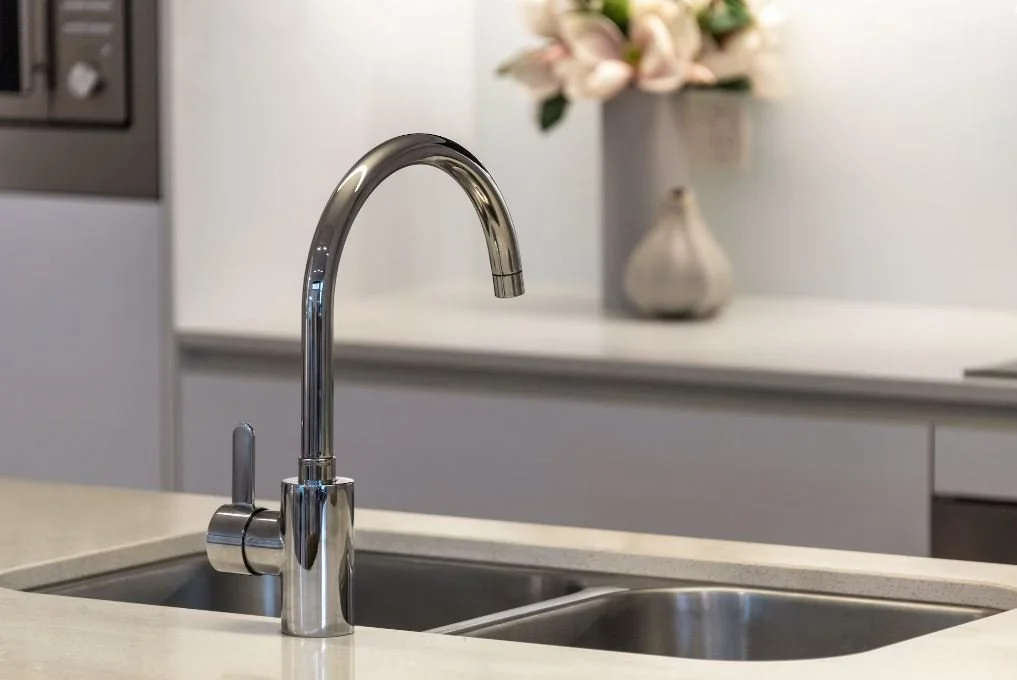
5 Signs Your Kitchen Sink Needs Replacement
The kitchen sink is a common feature of any household. It serves the purpose of cleaning kitchen wares and preparing meals. But, it can sometimes be challenging to know when the kitchen sink needs to be replaced. Some damages may require repair, while others may require a complete replacement. This blog post will discuss five signs that indicate that your kitchen sink may need to be replaced.
The kitchen sink is a common feature of any household. It serves the purpose of cleaning kitchen wares and preparing meals. But, it can sometimes be challenging to know when the kitchen sink needs to be replaced. Some damages may require repair, while others may require a complete replacement. This blog post will discuss five signs that indicate that your kitchen sink may need to be replaced.
Cracks or Chips
The kitchen sink is susceptible to cracks and chips, whether it is made of steel, porcelain, or cast iron. Cracks and chips can lead to leaks and may undermine the hygiene and maintenance of your kitchen. If you notice any cracks or chips, it may be time to replace your kitchen sink.
Rust and Discoloration
If you notice rust or discoloration in your sink, it is usually a sign of damage that cannot be repaired. Even though rust can be removed, it will continue to spread, destroying your kitchen sink’s integrity. Rust can also harm the health of people using the kitchen sink. If your sink has this issue consider calling a plumbing professional to help.
Water Damage
If you notice water damage under your kitchen sink, you should consider replacing your sink. Water damage occurs when water has been leaking over a long period, and the existing sink may be beyond repair. A new kitchen sink will help eliminate the source of water damage in your kitchen space while also making it a more hygienic place.
Lack of Functionality
If your sink is not fully functional, it may need replacement. An inefficient sink with issues such as blocked or slow draining, or low water pressure, can be frustrating and may indicate an underlying issue. Replacing the sink offers a chance to modernize the space and make it more functional.
Outdated Style and Design
An outdated sink can make your kitchen feel uninviting and uninspiring. Replacing an outdated style and design sink is a great way to improve the aesthetics of your kitchen. By upgrading your kitchen sink, you are also increasing the property value of your entire home.
Your kitchen sink is a critical component of your kitchen, and keeping it in top condition is important. In conclusion, knowing the signs that indicate the need for replacement is essential for ensuring the well-being of your kitchen and your loved ones. If you think it's time for a replacement, call a professional plumber. They will help you select the best kitchen sink replacement option and guide you through the installation process.

Interested in Real Estate Investments? Here’s What You Need to Know
Real estate investments have long been an attractive option for those looking to diversify their portfolios and generate passive income. The promise of long-term appreciation, rental income, and tax benefits make real estate a compelling investment choice. However, before diving into the world of real estate investments, it's crucial to understand the fundamentals and factors that can contribute to success. In this blog, we will explore everything you need to know about real estate investments, from understanding the different types of investments to evaluating potential properties and managing your investment effectively.
We partnered with a real estate company. for this post. The opinions in the post are honest. All reviews and opinions expressed in this post are based on our personal views. We are excited because we know you will love it.
Real estate investments have long been an attractive option for those looking to diversify their portfolios and generate passive income. The promise of long-term appreciation, rental income, and tax benefits make real estate a compelling investment choice. However, before diving into the world of real estate investments, it's crucial to understand the fundamentals and factors that can contribute to success. In this blog, we will explore everything you need to know about real estate investments, from understanding the different types of investments to evaluating potential properties and managing your investment effectively.
Understanding Real Estate Investments
Real estate investments refer to the purchase, ownership, and management of real property with the expectation of generating income or profit. There are various types of real estate investments, including residential properties, commercial properties, industrial properties, and even vacant land. Each type of investment has its own set of considerations and potential returns. Understanding these benefits is crucial for real estate investing success. Real estate investments offer the potential for long-term appreciation, passive income through rental properties, portfolio diversification, and tax advantages such as depreciation deductions and capital gains tax treatment.
Factors to Consider Before Investing
Before jumping into real estate investments, assessing your financial readiness and setting clear investment goals is important. Evaluating your financial situation, including your budget, savings, and creditworthiness, will help determine your investment capacity and your financing options. Additionally, conducting a thorough market analysis is crucial. Researching local real estate markets will provide insights into trends, supply and demand dynamics, and potential growth areas. Lastly, it's essential to assess the risks involved with real estate investments. Identifying potential risks and understanding the potential returns will help in making informed investment decisions.
Different Investment Strategies
Real estate investments offer various strategies to choose from, depending on your goals and risk appetite. One popular strategy is investing in rental properties. Purchasing a property and renting it out allows for passive income generation. However, being a landlord requires careful property management and tenant selection to ensure a steady cash flow. Another strategy is the fix and flip approach, where an investor purchases a distressed property, renovates it, and sells it at a profit. This strategy requires a keen eye for identifying undervalued properties and strong project management skills to make the most of emerging investment property opportunities in a competitive market. For those seeking a more hands-off approach, real estate investment trusts (REITs) offer an opportunity to invest in a diversified portfolio of properties without the need for direct property ownership.
Financing Your Real Estate Investment
Financing plays a crucial role in real estate investments. Traditional loans, such as mortgages, are commonly used to finance real estate purchases. It's important to explore different mortgage options and understand the terms, interest rates, and repayment schedules before committing to a loan. Alternative financing options, such as private lenders, hard money loans, and crowdfunding platforms, provide additional avenues for securing funding. Having a solid financial plan and budgeting is essential to ensure that the investment aligns with your overall financial goals and capabilities.
Finding and Evaluating Potential Properties
Sourcing potential properties can be done through various channels, including real estate agents, online listings, auctions, and networking. When evaluating properties, several key factors need to be considered. Location is crucial, as properties in desirable neighborhoods tend to have better appreciation potential and attract quality tenants. Property condition is also important, as costly repairs and maintenance can eat into your profits. Additionally, evaluating the potential for growth, rental demand, and amenities in the area are vital factors to consider. Conducting due diligence, such as inspections, property appraisals, and title searches, before finalizing a purchase is essential to uncover any hidden issues or liabilities.
Managing Your Real Estate Investment
Effective management is key to maximizing the returns on your real estate investment. Property management can be done either through self-management or by hiring professionals. Self-management allows for more control over the property, but it requires time, effort, and knowledge of landlord-tenant laws and regulations. Hiring professional property managers can alleviate the burden of day-to-day management tasks and ensure that your investment is being well-maintained. Maintaining a healthy cash flow is essential, as regular rental income should cover expenses such as mortgage payments, property taxes, insurance, and maintenance costs.
Risks and Challenges

Like any investment, real estate also comes with its fair share of risks and challenges. Market fluctuations, economic downturns, and changes in interest rates can impact property values and rental demand. It's important to understand these risks and have contingency plans in place. Additionally, the potential pitfalls of real estate investments, such as unexpected repairs, vacancies, or difficult tenants, need to be accounted for. Diversification and long-term planning can help mitigate these risks and provide stability to your real estate investment portfolio.
Real estate investments can offer lucrative opportunities for wealth building and passive income generation. However, it's crucial to approach this investment with careful consideration and thorough research. Understanding the different types of real estate investments, evaluating potential properties, and managing your investment effectively are key steps to success. You can make informed decisions that align with your goals and capabilities by assessing your financial readiness, conducting market analysis, and understanding the risks involved. Whether you choose rental properties, fix and flip projects, or real estate investment trusts, having a solid financial plan and budgeting is essential. And remember, effective property management and risk mitigation strategies are crucial for long-term profitability. With the right knowledge and preparation, real estate investments can be a rewarding venture that helps you build wealth and generate passive income.

The Benefits of Selling Your House 'As Is'
In the real estate market, selling a house 'As Is' can be a strategic choice for homeowners. It means putting your property up for sale in its current condition, with no additional repairs or enhancements from the seller. This method can offer an array of benefits that might not be immediately apparent. Let's delve into the advantages and potential considerations of selling your house 'As Is'.
In the real estate market, selling a house 'As Is' can be a strategic choice for homeowners. It means putting your property up for sale in its current condition, with no additional repairs or enhancements from the seller. This method can offer an array of benefits that might not be immediately apparent. Let's delve into the advantages and potential considerations of selling your house 'As Is'.
Reduced Repair Costs
One of the main advantages of selling your house 'As Is' revolves around the potential savings on repair and renovation costs. Instead of spending considerable amounts of money on major repairs or improvements, homeowners can directly list their property as it stands. This can significantly offset the financial burden often associated with prepping a home for the market.
However, while saving on upfront costs, selling 'As Is' may result in a lower selling price. The discount on the sale price often mirrors the estimated repair costs that the buyer will have to shoulder, and it's crucial to keep this in mind while pricing your property. When collecting property sales information, it's best to compare similar properties' final prices in your area to establish a reasonable listing price. Also, consider seeking professional advice from a real estate agent or property appraiser.
Simplified Selling Process
Selling 'As Is' simplifies the process as sellers can bypass the often time-consuming and stressful steps of home improvement projects before listing the property. This translates to a faster selling process as there's no need to wait for renovations to be completed before showing the property. On the downside, an 'As Is' sale may limit the pool of potential buyers. Some buyers may be reluctant to take on a property that may require substantial repairs or upgrades. It's essential to be transparent about the property's condition to attract serious buyers.
Legal Protection
Honesty is critical when selling a property 'As Is'. Sellers are legally obliged to disclose any known issues to potential buyers. These disclosures offer some legal protection as they help prevent future lawsuits about undisclosed defects. Sellers must be careful not to hide any known issues. Misrepresentation or failure to disclose known problems can lead to legal issues down the line. An open and honest dialogue about the home's condition can foster trust with potential buyers.
Not only does selling 'As Is' protect sellers from potential legal issues, but it also saves them time and money that might be spent on costly repairs or renovations. By being transparent about the property's condition, sellers can save themselves from future headaches and prolonged litigation processes.
Lower Marketing Costs
Homeowners selling their house 'As Is' may also save on staging and marketing costs. Typically, sellers invest in professional staging, high-quality photography, and even virtual tours to present their property in the best light. With an 'As Is' sale, these costs may be significantly reduced or eliminated. Again, it's worth noting that while saving on marketing costs, the property may not command the same price as it would if it were professionally staged and photographed. Assessing your financial goals and timelines can help you decide if an 'As Is' sale is the best fit for you.
Keep in mind, also, that an 'As Is' sale does not free sellers from their legal obligations to provide accurate property disclosures to potential buyers. Your state's laws may also require specific disclosures in addition to the general ones. It's best to consult with a real estate attorney or agent for guidance before listing your house.
Quick Closure of Sale

Lastly, an 'As Is' sale can expedite the closure of the sale. As there are no expected repairs or renovations, the sale can proceed directly to closing once a buyer is found. This can be especially beneficial for sellers who need to quickly move due to a job relocation, divorce, or other personal circumstances.
Despite the potential for a speedy sale, the buyer's financing could pose potential hurdles. Some lenders may be hesitant to finance a property in need of extensive repairs. Therefore, sellers should be prepared for potential hiccups and have a plan in place for dealing with them. Additionally, sellers should ensure that any required documentation, such as disclosures and title reports, are readily available to avoid further delays.
In conclusion, selling a house 'As Is' presents both opportunities and challenges. The potential to save on repairs and renovations, reduce marketing costs, and expedite the selling process can be appealing. However, these benefits must be weighed against potential drawbacks like a lower selling price and a possibly smaller pool of interested buyers.
Ultimately, the decision to sell 'As Is' should be dictated by the specific circumstances of the seller, including their financial situation, timeline, and the condition of the property. It's crucial to seek professional advice to navigate the complexities of the real estate market and make an informed decision.

