

A resource for those seeking information on organizing and transforming spaces.
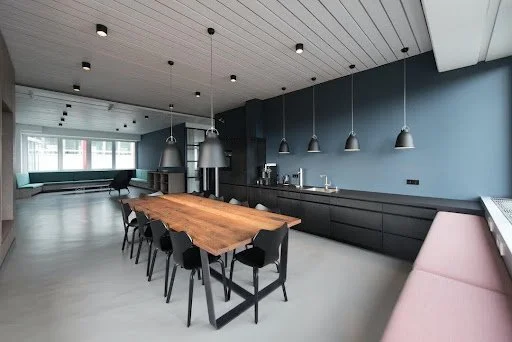
Essential Tips for Designing Commercial Spaces
Designing commercial spaces is far more than just an exercise in aesthetics; it's about creating an environment that stimulates productivity, embodies your brand's identity, and leaves a lasting impression on every visitor. Whether you're remodeling an office, refurbishing a retail store, or designing a restaurant from scratch, a well-thought-out design sets the difference between a space that merely exists and one that lives and breathes your business's ethos. This guide provides essential tips to help you master the art of commercial space design, creating environments that please the eye and serve their intended functions flawlessly.
We partnered with a home improvement company for this post. The opinions in the post are honest. All reviews and opinions expressed in this post are based on our personal views. We are excited because we know you will love it.
Designing commercial spaces is far more than just an exercise in aesthetics; it's about creating an environment that stimulates productivity, embodies your brand's identity, and leaves a lasting impression on every visitor. Whether you're remodeling an office, refurbishing a retail store, or designing a restaurant from scratch, a well-thought-out design sets the difference between a space that merely exists and one that lives and breathes your business's ethos. This guide provides essential tips to help you master the art of commercial space design, creating environments that please the eye and serve their intended functions flawlessly.
Focus on Functionality
When designing a space, you must prioritize functionality above all else. Especially for a commercial space, the goal should be to create a space that promotes productivity and convenience for its users. This means taking into consideration the intended use of each area and designing with a focus on practicality. For instance, if the space needs to be accessible to individuals with mobility impairments, ramps should be included in the design to make the space inclusive for everyone. Suppliers like Upside Innovations offer a wide range of ramps, stairs, and canopies to ensure that your commercial space is functional for all. Other practical considerations include proper lighting, well-placed outlets for electronics, and ergonomic furniture to promote comfort and good posture.
Understand the Brand
The physical environment should serve as an extension of the company's brand identity, reflecting its core values and ethos in every corner. This can be achieved through the careful selection of colors, textures, and furnishings that align with the brand's personality, and tasteful incorporation of the company logo and other branding elements.
A tech startup might opt for a modern, minimalist design with bold colors and innovative furniture while a luxury fashion boutique might prefer a more elegant, sophisticated aesthetic with high-end finishes and intricate detailing. Effective commercial space design tells a story about the brand, engendering a sense of connection and loyalty among employees and customers alike.
Prioritize Comfort
Research has shown that comfortable employees are more productive and have higher job satisfaction. So, how should you prioritize comfort when designing a commercial space? Here are a few tips to take into account:
Temperature control: Make sure the space has proper heating and cooling systems installed to maintain a comfortable temperature.
Natural light: Incorporate as much natural light as possible through windows or skylights. This will be sure to reduce energy costs and create a more inviting, uplifting atmosphere.
Acoustics: Consider using sound-absorbing materials like acoustic panels to reduce noise levels and create a calmer, more peaceful environment.
Ergonomic furniture: As mentioned earlier, ergonomic chairs and desks can promote good posture and minimize discomfort for employees who spend long hours at their desks.
Breakout spaces: Provide areas for employees to take breaks, relax, and recharge. These could be in the form of comfortable lounge areas, outdoor spaces, or quiet rooms.
Creating a comfortable space for your employees promotes productivity and shows that you value their well-being and satisfaction.
Create a Welcoming Entrance
The saying, "You never get a second chance to make a first impression" holds true in many scenarios, including our workspace. A welcoming entrance sets the tone for the rest of the space and leaves a lasting impression on customers, employees, and potential candidates.
Make sure the entrance is well-lit, clutter-free, and incorporates elements that reflect the brand's identity. Maybe it's a bold and eye-catching sign or a sleek reception desk with the company logo. Whatever it may be, ensure that it is inviting and represents your brand in a positive light.
Incorporate Biophilic Elements
Biophilic design is a concept that integrates natural elements into interior spaces to create a more harmonious, soothing environment. Mother Nature has been known for its therapeutic effects, and incorporating nature-inspired design elements can be the perfect solution to bring that serene feeling into your home or workplace.
Aside from boosting your mood, greenery can also improve air quality. Even water walls can be an excellent feature to incorporate, providing a calming sound and a beautiful aesthetic. Consider incorporating these biophilic elements into your space to create a natural haven that will improve your mental and physical well-being.
Plan for Growth

When designing your commercial space, you must keep your future growth in mind. Your business won't stay the same size forever, so it's essential to plan for potential expansion or changes in your company's needs.
This could mean incorporating flexible workspaces that can be easily reconfigured as needed, leaving room for future equipment or technology upgrades, and considering the impact of any design choices on scalability. If you plan for growth from the start, you can save time and resources in the long run and ensure that your space can adapt and grow with your business.
Designing a commercial space requires careful planning, attention to detail, and a deep understanding of the brand's identity. By prioritizing functionality, comfort, and biophilic elements, you can create an inviting environment that reflects your brand and promotes productivity. And don't forget to plan for growth so that your space can evolve with your business. With these essential tips in hand, you'll be well on your way to designing commercial spaces that impress and inspire.

Across Oceans and Borders: Your Essential Guide to Moving Abroad
Embarking on the journey of moving abroad is a thrilling and life-altering experience. Whether you are pursuing new career opportunities, seeking an adventure, or simply looking for a change of scenery, the prospect of living in a foreign country opens the door to a myriad of possibilities. However, the excitement of a fresh start comes hand in hand with the challenges of navigating the complex process of relocation. This comprehensive guide aims to serve as your compass, providing valuable insights and practical advice to ease your transition from one home to another.
Embarking on the journey of moving abroad is a thrilling and life-altering experience. Whether you are pursuing new career opportunities, seeking an adventure, or simply looking for a change of scenery, the prospect of living in a foreign country opens the door to a myriad of possibilities. However, the excitement of a fresh start comes hand in hand with the challenges of navigating the complex process of relocation. This comprehensive guide aims to serve as your compass, providing valuable insights and practical advice to ease your transition from one home to another.
Deciding to Move - A Personal Odyssey
The decision to move abroad is a deeply personal one, influenced by a myriad of factors ranging from career aspirations to personal growth. Before packing your bags, take the time to reflect on your motivations and expectations. Are you seeking professional advancement, cultural enrichment, or an escape from routine? Consider the impact on your relationships and lifestyle. Moving abroad entails more than a change of address; it’s a transformative experience that will shape your identity and worldview. Engage in open conversations with family, friends, and yourself to ensure that your decision aligns with your values and long-term goals.
Researching Your Destination - Beyond the Tourist Brochure
Once you've decided to move, the next crucial step is selecting your destination. Extensive research is paramount, going beyond the glossy images found in tourist brochures. Delve into the local culture, cost of living, healthcare system, and educational opportunities. Consider language barriers and the availability of support networks for expatriates. Online forums, social media groups, and travel blogs can be valuable resources for gaining insights from individuals who have already leaped. A reconnaissance trip to your prospective new home is highly recommended, providing an authentic feel for the environment and helping you make an informed decision.
Moving Your Belongings Across Borders - Navigating the Logistics
The process of relocating your belongings to another country is a pivotal aspect of the international move, demanding meticulous planning and strategic execution. Begin by taking inventory of your possessions, and categorizing items based on necessity and sentimental value. Research international shipping companies with expertise in overseas relocations such as pssremovals.com, and obtain quotes to understand the costs involved. Consider whether air freight or sea freight aligns with your budget and timeline. Familiarize yourself with customs regulations in your destination country, ensuring that you adhere to any restrictions on specific items. Efficiently packing your belongings is essential, utilizing quality packing materials to safeguard against potential damage during transit. Labeling boxes with detailed inventories streamlines the unpacking process upon arrival. Stay informed about shipping timelines, allowing for any unforeseen delays. Lastly, stay organized and maintain clear communication with the moving company, ensuring a smooth and secure transition for your cherished possessions across borders.
Navigating Legalities - Visas, Permits, and Residency
Understanding the legal requirements of your chosen destination is essential to avoid any bureaucratic roadblocks. Research the visa and residency processes, keeping in mind that regulations can vary significantly from one country to another. Consult with immigration experts or legal professionals who specialize in international relocations to ensure that you are compliant with all the necessary documentation. Begin the application process well in advance, as obtaining visas or permits can be a time-consuming affair. Familiarize yourself with local laws and regulations to prevent any legal complications once you arrive. A smooth transition often hinges on meticulous planning and adherence to legal procedures.
Finances - Budgeting for the Global Shift
Moving abroad comes with financial implications that extend beyond the cost of plane tickets and shipping containers. Create a detailed budget that encompasses all aspects of your relocation, including visa fees, accommodation, transportation, and daily expenses. Research banking options in your new country and explore the best methods for transferring funds internationally. Establishing a financial safety net is crucial, as unexpected expenses are inevitable. Familiarize yourself with the local currency and banking regulations to navigate the financial landscape seamlessly. Additionally, investigate the tax implications of your move, as different countries have varying taxation systems for residents and expatriates.
Housing - Finding Your Home Away from Home

Securing suitable housing is a pivotal aspect of a successful relocation. Research the local real estate market and consider whether renting or purchasing aligns with your plans. Explore different neighborhoods, taking into account factors such as proximity to work, safety, and access to essential amenities. Leverage online platforms, local real estate agents, and expatriate communities to streamline your housing search. Factor in cultural differences in housing norms and be open to adapting your expectations. Visiting potential residences in person before making a decision is ideal, allowing you to assess the living conditions and ensure they align with your preferences and lifestyle.
Moving abroad is a multi-faceted journey that demands careful planning, resilience, and adaptability. From the initial decision-making process to settling into your new home, each step requires meticulous attention to detail. Remember that challenges are an inherent part of the expatriate experience, but they also pave the way for personal growth and self-discovery. By approaching your move with a blend of preparation, an open heart, and a willingness to embrace change, you can transform the challenges into opportunities for a fulfilling and rewarding life across oceans and borders. Bon voyage!

Best Practices For Increasing Rent Without Losing Tenants
Embarking on the journey of adjusting rental rates can be a delicate undertaking for landlords, often requiring a fine balance between maintaining healthy landlord-tenant relationships and addressing the financial realities of property ownership. In this guide, we'll delve into the art of implementing rent increases without jeopardizing tenant satisfaction. Discover best practices that go beyond mere numbers, focusing on transparent communication, value-added services, and tenant-centric strategies to ensure a smooth transition for both landlords and their valued tenants. Let's explore how landlords can navigate the realm of rent adjustments with finesse, fostering a positive rental experience for everyone involved.

Embarking on the journey of adjusting rental rates can be a delicate undertaking for landlords, often requiring a fine balance between maintaining healthy landlord-tenant relationships and addressing the financial realities of property ownership. In this guide, we'll delve into the art of implementing rent increases without jeopardizing tenant satisfaction. Discover best practices that go beyond mere numbers, focusing on transparent communication, value-added services, and tenant-centric strategies to ensure a smooth transition for both landlords and their valued tenants. Let's explore how landlords can navigate the realm of rent adjustments with finesse, fostering a positive rental experience for everyone involved.
1. Communicate Transparently
Open and honest communication is the foundation of successful rent increases. Provide tenants with ample notice, typically 60 to 90 days, and clearly articulate the reasons behind the adjustment. Transparency fosters trust and allows tenants to plan for the change.
2. Regularly Review Rental Market Trends
Stay informed about local rental market trends. Regularly assess property values, demand, and comparable rental rates in the area. Understanding the market landscape enables you to set fair and competitive rental prices.
3. Offer Value-Added Services
Introduce new amenities or services that justify the rent increase. Whether it's enhanced security features, upgraded appliances, or additional community perks, providing extra value can soften the impact of the adjustment.
4. Implement Incremental Increases
Instead of a significant one-time hike, consider incremental increases over several lease renewals. Gradual adjustments are generally more palatable to tenants and allow for better financial planning.
5. Maintain Property Excellence
A well-maintained property enhances its perceived value. Regular upkeep, landscaping, and improvements contribute to tenant satisfaction. When tenants see the ongoing investment in property quality, they are more likely to accept reasonable rent increases.
6. Personalize Rent Increase Notices
Tailor rent increase notices to individual tenants. Acknowledge their positive contributions as responsible renters and express gratitude for their tenancy. Personalization adds a human touch, making tenants feel valued.
7. Incentivize Longer Lease Terms
Offer discounts or incentives for tenants who sign longer lease agreements. This not only secures stable income for you but also provides tenants with a tangible benefit, making the prospect of a rent increase more acceptable.
8. Evaluate Rent Control Laws
Be aware of local rent control laws and regulations. Understanding the legal framework in your area ensures compliance and helps you navigate any restrictions on the frequency or amount of rent increases.
9. Provide Alternatives
Offer alternatives to tenants who may be financially strained by the increase. Options such as a phased-in increase or a flexible payment plan can demonstrate your willingness to work with tenants during challenging times.
10. Encourage Open Dialogue
Foster an environment where tenants feel comfortable expressing their concerns. Promote open communication and remain open to receiving feedback. Addressing tenant concerns promptly can prevent dissatisfaction from escalating.
11. Conduct Tenant Surveys
Prior to implementing a rent increase, consider conducting tenant surveys to gauge their preferences and expectations. This proactive approach allows you to factor in tenant feedback when making decisions about adjustments.
12. Highlight Property Improvements
If you've made significant improvements to the property, highlight them when communicating a rent increase. Showcase the tangible benefits tenants will enjoy due to these enhancements.
13. Offer Lease Renewal Incentives
Sweeten the deal by providing incentives for tenants who promptly renew their leases despite the increase. This could include a one-time discount, complimentary services, or other perks that make the renewal appealing.
14. Stay Proactive with Maintenance
Timely address maintenance issues and respond to repair requests promptly. A well-maintained property contributes to tenant satisfaction and can soften the impact of a rent increase.
15. Educate Tenants on Market Realities
Educate tenants on market realities and the factors influencing rent adjustments. Helping them understand the broader economic context can foster acceptance of the increase.
Conclusion
Mastering the art of increasing rent without losing tenants involves a thoughtful blend of communication, value addition, and tenant-centric practices. By implementing these best practices, landlords can navigate the intricacies of rent adjustments with finesse, fostering positive landlord-tenant relationships. Remember, the key lies in transparent communication, offering added value, and addressing tenant concerns promptly. So, as you prepare your Increase in Rent Notice, consider these strategies to ensure a seamless transition and a harmonious rental environment for both landlords and tenants alike.

Crafting Excellence: 7 Easy Tips to Select the Ideal Building Materials
Are you embarking on a home renovation or construction project and feeling overwhelmed by the vast array of building materials available? From eco-friendly options to high-end luxury finishes, it can be challenging to choose the right materials for your specific needs and budget. However, fear not!
We partnered with a home improvement company for this post. The opinions in the post are honest. All reviews and opinions expressed in this post are based on our personal views. We are excited because we know you will love it.
Are you embarking on a home renovation or construction project and feeling overwhelmed by the vast array of building materials available? From eco-friendly options to high-end luxury finishes, it can be challenging to choose the right materials for your specific needs and budget. However, fear not!
In this blog post, we will guide you through 7 easy tips to help you select the ideal building materials for your project, no matter its size or scope. Whether you're looking for durability, sustainability, or design versatility, our expert suggestions will assist you in creating a space that reflects excellence in craftsmanship. So grab a cup of coffee and get ready to craft the perfect foundation for your dream space!
Keep Up With Pricing Changes
One of the key factors in selecting building materials is cost, which can fluctuate significantly over time due to supply chain issues, changes in demand, and economic circumstances. Therefore, it's crucial to stay informed about the current market prices of various building materials. Consider keeping up with the latest price trends in building materials through industry publications, online sources, and even local suppliers. This will help you make informed decisions and potentially save money in the long run. Just remember to factor in the quality and longevity of the materials, as sometimes spending a little extra upfront can save you money on repairs or replacements down the line.
Understanding Your Project Needs
Your choice of building materials should align with the specific needs and goals of your project. For instance, if you're renovating a bathroom, you'll need materials that can withstand moisture and humidity, such as ceramic or porcelain tiles. If you're building a deck, you may require materials that are durable, weather-resistant, and suitable for outdoor conditions, such as pressure-treated lumber or composite decking.
Also, consider the aesthetic appeal of the materials - they should complement the overall style you envision for your space. Always remember to factor in aspects like the project's budget, timeline, and scope while making your selections. A clear understanding of your project's needs will act as a guiding framework when navigating the vast landscape of building materials.
Prioritizing Durability
Durability is a critical factor to consider when selecting your building materials. Durable materials can withstand the test of time and provide long-term value for your investment. For example, materials such as brick, stone, and metal, including metal building wall louvers, are known for their longevity and can provide a strong, lasting structure for your project. They are typically more resistant to wear and tear, weather conditions, and other environmental impacts, resulting in less frequent replacements and lower maintenance costs over time.
For example, materials such as brick, stone, and metal are known for their longevity and can provide a sturdy, lasting structure for your project. Always consider the life span of your building materials, alongside other factors like aesthetics and cost. Investing in durable materials may seem more expensive initially, but they can save you money and effort in the long run by reducing the need for repair or replacement.
Considering Aesthetics
While functionality and durability are essential, aesthetics should not be overlooked when selecting your building materials. The materials you choose will significantly influence the style and visual appeal of your project. For instance, polished granite can lend a luxurious and timeless appeal to your kitchen countertops, while glass or steel can help achieve a modern, minimalist aesthetic.
On the other hand, reclaimed wood or natural stone can help create a warm, rustic ambiance. Always have the desired aesthetic in mind while choosing materials, and remember to choose colors, textures, and finishes that complement the overall design scheme. After all, the ultimate goal is to create a space that is not only functional and durable but also visually pleasing and reflective of your style.
Assessing Maintenance Requirements
Maintenance is another key aspect to consider when deciding on building materials. Different materials come with different levels of upkeep, which can impact long-term costs and the overall lifespan of your project. For instance, while hardwood flooring can offer a warm and classic look, it tends to require more maintenance than materials like ceramic tile or laminate. Similarly, natural stone countertops may require sealing to prevent staining and damage.
Before choosing a material, research its maintenance requirements thoroughly. Consider factors such as the need for regular cleaning, the frequency of repairs or replacements, and any special care instructions. Opt for materials that balance durability, aesthetics, and manageable maintenance requirements, keeping in mind that lower maintenance materials can save you considerable time and money in the long run.
Evaluating Environmental Impact

In this day of increased environmental awareness, it is critical to examine the ecological impact of your building materials. Certain materials are more sustainable and environmentally friendly than others. For instance, recycled or reclaimed materials, such as reclaimed wood or recycled steel, reduce the need for new resource extraction and help in avoiding waste from landfills.
Other materials, like bamboo or cork, are rapidly renewable and therefore have a lower impact on the environment. There are also materials available that are locally sourced, reducing the carbon footprint associated with long-distance transportation.
However, it's not just about the materials themselves. Consider also the manufacturing process behind them. Does it involve harmful chemicals? Is it energy-intensive? All these factors contribute to the overall environmental footprint of the material.
Lastly, remember that an environmentally friendly choice is not only good for the planet but can also be beneficial for you. Many sustainable materials also come with benefits such as durability, energy efficiency, and healthier indoor air quality. By choosing eco-friendly building materials, you're investing in a more sustainable and resilient future.
Budgeting Wisely
There's no denying the importance of a well-planned budget in any construction or renovation project. Your budget dictates the kind of building materials you can afford and plays a pivotal role in decision-making. Start by calculating the total budget for your project, including a contingency for unexpected costs. Once you know what you can spend, you can allocate funds to different aspects of the project.
Remember that while cost is a factor, it shouldn't be the only one. Cheaper materials might save you money initially, but they could incur higher maintenance costs or need replacing sooner, making them more expensive in the long run. On the other hand, more expensive materials might provide better value due to their durability, aesthetics, or lower maintenance needs. It's all about striking a balance between cost-effectiveness and value.
In conclusion, selecting the ideal building materials for your project can seem daunting, but with these 7 easy tips in mind, you can navigate the process with confidence. Remember to keep up with pricing changes, understand your project needs, prioritize durability, consider aesthetics and maintenance requirements, evaluate environmental impact, and budget wisely.

