

A resource for those seeking information on organizing and transforming spaces.
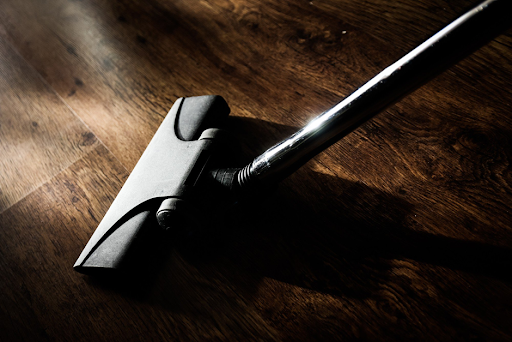
Keeping a Tidy Home: How to Choose the Right Vacuum for the Job
In an age where cleanliness and hygiene take center stage, maintaining a tidy home is more important than ever. One of the key tools that can make this task easier and more efficient is a good vacuum cleaner. But with a wide range of available options, choosing the right vacuum cleaner for your needs can be daunting. This guide aims to shed light on the various factors you should consider when purchasing a vacuum cleaner, ensuring that you end up with an appliance that efficiently cleans your home and suits your lifestyle.
In an age where cleanliness and hygiene take center stage, maintaining a tidy home is more important than ever. One of the key tools that can make this task easier and more efficient is a good vacuum cleaner. But with a wide range of available options, choosing the right vacuum cleaner for your needs can be daunting. This guide aims to shed light on the various factors you should consider when purchasing a vacuum cleaner, ensuring that you end up with an appliance that efficiently cleans your home and suits your lifestyle.
Understanding Different Types of Vacuum Cleaners
Traditional upright vacuums are powerful and effective for deep cleaning carpets. They often come with attachments that allow you to clean hard-to-reach spots. Bagged upright vacuums generally perform better on carpeted floors than their bagless counterparts. Canisters offer a different style, with the motor and bag in a separate unit connected to the vacuum head by a hose. They tend to be lighter and quieter than upright vacuums and are easier to maneuver around furniture and corners.
When looking at models, make sure to consider the type of flooring in your home. For hardwood floors or tiled surfaces, a canister vacuum with a floor attachment is often preferable as it won't damage delicate surfaces. If you have a mix of carpet and hard floors, an upright vacuum with adjustable height control is ideal.
For homes with predominantly carpeted floors, an upright vacuum with strong suction and a motorized brush is the best option. From comparing the Gen5 outsize vacuum to the Soniclean SFC-7000 Soft Carpet Upright Vacuum, it's important to note that not all upright vacuums are created equal. Some models are specifically designed for high-pile carpets, while others may struggle with thicker carpet fibers.
Analyzing Features and Attachments
Vacuum cleaners come with various features and attachments that can enhance their performance and usability. For example, a vacuum with a HEPA filter is an excellent choice for individuals with allergies as it can trap a large amount of tiny particles that other vacuum cleaners would simply recirculate back into the air.
Attachments like crevice tools, upholstery brushes, and dusting brushes can help you tackle specific cleaning tasks more effectively. Also, some vacuums include features like dirt sensors, full bag indicators, and self-propelled motors to make your cleaning tasks easier. However, keep in mind that the more features and attachments a vacuum has, the higher the price tag may be.
Sizing Up Your Space
If you live in a small apartment, a stick or handheld vacuum might be ample for your needs. These compact devices are lightweight, easy to maneuver, and can clean hard-to-reach places. They're not as powerful or durable as full-sized vacuums, but they're convenient for quick spill clean-ups and can be stored in small spaces.
For larger homes or homes with lots of carpet, an upright or canister vacuum would be a better option. These vacuums have larger capacities and more power, allowing them to clean larger areas more efficiently.
Evaluating Noise and Weight
The noise level of a vacuum cleaner is an important consideration, especially if you live in an apartment or have young children. Look for models with noise-reduction technology if you need a quiet vacuum. Remember, though, that powerful vacuums often make more noise. The weight of a vacuum can affect its maneuverability and your comfort when using it. Lighter models are easier to carry up and down stairs, but they might not be as durable or powerful as heavier ones.
Considering Budget and Brand

The price of a vacuum cleaner can range dramatically, so it's important to set a budget before you start shopping. Keep in mind that cost often correlates with performance and durability, but there are plenty of affordable vacuums that get the job done. When it comes to brands, some have built reputations for their reliability, customer service, and innovation. Researching product reviews and consumer reports can provide valuable insights.
Keep in mind, also, that a higher-priced vacuum may offer more features, attachments, and durability. However, if you're on a tight budget or have specific needs for your cleaning tasks, there are plenty of options available from various brands at different price points.
Choosing the right vacuum cleaner involves more than just picking out a model from the store shelf. It requires a careful evaluation of your home’s cleaning needs, your budget, and the features you value most. From the type of flooring in your home to the size of your space, various factors play a role in determining the best model for you.
Whether you opt for a traditional upright vacuum, a portable stick model, or a sophisticated canister vacuum, the most important thing is to find an appliance that makes your cleaning tasks easier and more efficient. Remember, investing in a good vacuum cleaner is investing in a cleaner, healthier home.

Lead Generation: A Handbook for Starting a Brand-New Venture
Greetings to enter the realm of lead generation, a revolutionary strategy that drives businesses to thrive in the cutthroat market currently. It is impossible to overstate the significance of lead generation, as 61% of advertisers cite it as their largest difficulty and 79% list it as their most significant content marketing objective.
We partnered with a home improvement company for this post. The opinions in the post are honest. All reviews and opinions expressed in this post are based on our personal views. We are excited because we know you will love it.

Greetings to enter the realm of lead generation, a revolutionary strategy that drives businesses to thrive in the cutthroat market currently. It is impossible to overstate the significance of lead generation, as 61% of advertisers cite it as their largest difficulty and 79% list it as their most significant content marketing objective.
The methods used in generating leads now may be identical to those used in the past. The only things needed are slight modifications to tried-and-true tactics and a friendly push to substitute outdated ones currently not working.
Oversimplifying, good lead-generating techniques include content marketing, inbound lead creation, careful outbound email, and other approach deployment. So, here are the best ways to generate the best leads for your venture.
1. Use Social Media Strategically
Whenever you publish on Facebook, Twitter, LinkedIn, and other social media platforms, include links to the homepages of your top deals. To create standards, inform readers that they will be directed to a landing page. Organize an event on social media to increase prospects. With competitions, you may learn much about your target audience and have fun and engagement.
For example, in order to establish yourself as the best movers in glendale ca, you may promote your moving and packing services at a 50% discount for new customers and share the lucrative details on social media to attract new leads.
2. Conduct Referral Marketing
Word-of-mouth advertising, often known as referrals, has an alternative benefit for lead generation. It raises the popularity of your company's name among more individuals, improving your likelihood of obtaining more leads.
You should direct consumers to your website's landing page via whichever lead generation source you choose. The rest will work if you have created a landing page that sells. For example, if you're the owner of a hood cleaning company, you may generate a higher number of leads through referral marketing.
3. Offer a Free Service Upgrade
Offering a no-cost upgrade to customers in exchange for their contact information or trial sign-up is another strategy to increase lead generation. This is a relatively inexpensive method because you will only upgrade paid clients. While different lead-generating tactics are present, it's vital to underline the value of A/B testing. With this strategy, companies may identify the things that connect with their target market, making initiatives more efficient and successful.
4. Use Calls to Action
A call to action (CTA) button directs potential customers to a particular webpage with a promotional deal. Certain non-sales CTAs give the customer—or potential customer—more details about the original search query. Certain CTAs offer prospects entry to a webinar or freebies like an ebook.
When CTAs direct users to the landing page, they can accept a targeted offer that corresponds to their current position in the sales process and eventually convert them into consumers. Avoid directing visitors to your homepage with CTAs. For example, if you own an automotive firm focusing on porsche ppf, you may add CTAs to attract potential customers and generate maximum leads.
The demographic you want to reach should have the same energy as your lead-generation efforts. Keep in mind that your lead generation campaigns and approaches should adapt to changing and behavioral patterns.

How to Use Windows to Make Your Home More Private and Practical
In a world where our privacy is increasingly precious, it's essential to create a home that both reflects your style and serves as a sanctuary away from prying eyes. Windows, often overlooked, can play a pivotal role in establishing this balance of aesthetics and privacy. They can frame picturesque views, let in natural light, and also provide the necessary seclusion from the outside world. This guide will unearth the potential of windows in making your home more private and practical, giving you control over your space and the light that enters it.
In a world where our privacy is increasingly precious, it's essential to create a home that both reflects your style and serves as a sanctuary away from prying eyes. Windows, often overlooked, can play a pivotal role in establishing this balance of aesthetics and privacy. They can frame picturesque views, let in natural light, and also provide the necessary seclusion from the outside world. This guide will unearth the potential of windows in making your home more private and practical, giving you control over your space and the light that enters it.
Choosing the Right Window Treatments
Window treatments are a crucial element in controlling privacy. Curtains, blinds, and shades come in various styles and materials that cater to different privacy levels and aesthetic preferences. Blackout curtains, for instance, offer maximum privacy and light control, while sheer curtains allow natural light to flood in while still offering a certain level of privacy.
Roman shades and plantation shutters, with their adjustable slats, offer a compromise between the two, allowing you to control light and privacy levels. Additionally, reflective window films are a modern solution that prevents outsiders from seeing in, without compromising your view or natural light.
Aside from their practical benefits, window treatments also contribute significantly to the overall aesthetic of your home. Choose designs and materials that complement your home's decoration scheme for a cohesive look.
Installing Blinds and Shutters
To maximize privacy and light control, consider installing blinds or shutters on your windows. These come in various styles such as Venetian, vertical, or horizontal slats that can be adjusted to let in the desired amount of light while still maintaining privacy.
Shutters are an excellent practical option for ground-level windows as they provide a sturdy barrier against unwanted intruders. They also offer insulation, keeping your home cooler in the summer and warmer in the winter.
Blinds, on the other hand, are a more affordable option that can be easily installed on all types of windows. Consider vertical blinds for windows or patio doors, as they provide better light control and privacy compared to horizontal ones. Keep in mind that both blinds and shutters require maintenance, so be sure to clean them regularly.
Incorporating Frosted or Stained Glass
Frosted or stained glass can add a unique aesthetic appeal to your home while enhancing privacy. Frosted glass obscures the view from the outside, but still allows a diffuse light to enter, which can create a warm and inviting atmosphere.
Stained glass, on the other hand, can act as a vibrant piece of art in your home, catching and scattering colorful light throughout your space. This adds an artistic touch to your interiors, all while ensuring that you maintain a level of privacy.
Intricate designs in stained glass can also serve as a conversation starter, showcasing your style and taste. However, make sure to pair these window types with other privacy measures, like curtains or blinds for times when you need complete privacy.
Opting for Double Glazing for Noise Reduction
Double glazing can enhance the privacy of your home by significantly reducing noise pollution from the outside. This is particularly beneficial if you live near a busy road or in a noisy neighborhood. The additional layer of insulation not only keeps out the noise but also helps regulate your home's temperature, making it more energy-efficient.
Moreover, double-glazed windows have the added benefit of being more difficult to break, adding an extra layer of security to your home. Many modern designs of double-glazed windows also incorporate privacy features, allowing you to enjoy the benefits of a quiet and secluded space.
Remember, double glazing can be an investment, but the benefits they provide, from energy efficiency, and noise reduction, to increased security, make them a worthy addition to your home.
Using Window Placement to Your Advantage

The placement of your windows can significantly affect your home's privacy. Higher windows or skylights can let in plenty of natural light while maintaining a high level of privacy, as they are usually out of the line of sight from the outside. For rooms on the ground floor, consider placing windows higher on the wall to ward off prying eyes.
Another technique is to angle your windows away from the direct view of neighbors or the street. Combined with strategic landscaping like trees or tall plants, this can provide an extra layer of privacy without sacrificing natural light.
Windows, far from being a mere architectural feature, holds the key to transforming your home into an oasis of privacy and practicality. Whether it's choosing the right window treatments, installing blinds or shutters, incorporating frosted or stained glass, opting for double glazing, or strategically placing your windows, each decision contributes significantly to both the aesthetics and privacy of your home. With these tips, you can leverage the potential of windows to create a space that is not only visually appealing but also offers the tranquility and seclusion you desire. Remember, your home is your sanctuary, and you hold the power to shape it to your liking.

Turning Your Cleanup Project into a Breeze With These 6 Tips
Cleanup projects can be an overwhelming task, whether you're dealing with the aftermath of a natural disaster or simply trying to declutter your home. They involve a systematic approach to identifying, categorizing, and properly disposing of unwanted material. However, with the right preparation and tips at hand, you can turn this daunting task into a manageable and even rewarding process. In this guide, we will delve into everything you need to know about cleanup projects, from the planning stage to waste disposal and restoration. Read on to discover valuable strategies that are guaranteed to make your next cleanup project a breeze.
Cleanup projects can be an overwhelming task, whether you're dealing with the aftermath of a natural disaster or simply trying to declutter your home. They involve a systematic approach to identifying, categorizing, and properly disposing of unwanted material. However, with the right preparation and tips at hand, you can turn this daunting task into a manageable and even rewarding process. In this guide, we will delve into everything you need to know about cleanup projects, from the planning stage to waste disposal and restoration. Read on to discover valuable strategies that are guaranteed to make your next cleanup project a breeze.
1. Hire a Professional Service if Necessary
They have the experience and resources to handle the job efficiently. Cleanup services vary depending on the type of project, but they generally include waste removal, sanitizing and disinfecting services, and restoration of damaged property. With a professional service, you can rest easy knowing that the task will be tackled with expertise and following industry standards. Even if you are going to tackle things on your own, opting for services like Bin There Dump That Chattanooga dumpster rental or a similar company to remove heavy debris and waste can make the entire process more manageable. Most professionals offer free consultations, so don't hesitate to reach out if you need assistance.
2. Plan Ahead
Before you start your cleanup project, identify what needs to be done and prepare a detailed plan. This should include estimating the scale of the project, collecting necessary tools, and setting a realistic timeline. If you are working with a team, assign specific tasks to each member and establish communication channels for updates. Planning ahead allows you to anticipate potential obstacles and come up with effective solutions, making the process more efficient. When planning, also consider your waste disposal options and make arrangements for proper handling and disposal of hazardous materials. When in doubt, reach out to your local waste management department for guidance.
3. Prioritize Tasks
Prioritize them based on their necessity and deadlines. This way, you can complete the cleanup process systematically without being overwhelmed. Start with the most urgent tasks and tackle them first. This could be removing hazardous materials or clearing out a damaged area. By prioritizing, you ensure that essential tasks are taken care of before moving on to less important ones. For example, if you are dealing with a natural disaster, make sure to secure your property and take care of any immediate health hazards before moving on to less pressing tasks like decluttering. Even in less urgent situations, prioritizing can help you stay organized and focused.
4. Use Proper Tools and Equipment
Having the right tools at your disposal can significantly speed up your cleanup project. These might include trash bags, gloves, brooms, and disinfectants. If you're dealing with a large-scale cleanup, consider renting equipment such as dumpsters or heavy machinery. A good set of tools makes the process easier and ensures safety and efficient completion of tasks. If you need help with what tools to use, consult with professionals or do thorough research beforehand. For example, if your project involves mold remediation, make sure to use proper protective gear and equipment to avoid health risks. A large portion of your budget should also be allocated to the purchase or rental of tools and equipment.
5. Recycle and Donate
Not only will this reduce waste, but it can also help those in need. Before discarding items, determine if they can be recycled or donated. This includes furniture, clothing, appliances, and other household items that are still in good condition. If you're unsure about the donation process, reach out to local charities or organizations that accept donations. Recycling not only helps the environment but also reduces disposal costs and makes your cleanup project more sustainable. Moreover, donating items can provide a sense of satisfaction and motivation throughout the project. Most office renovations will result in waste materials, from office furniture to office equipment. If you want to donate your old office furniture and equipment, there are many organizations out there that will take them.
6. Follow Safety Guidelines

Always wear appropriate protective gear and follow the established safety guidelines to ensure your well-being during the cleanup process. This is especially important when dealing with hazardous materials, such as mold, asbestos, or chemicals. Make sure to have proper ventilation and avoid direct contact with these substances. If you're unsure about how to handle a particular material safely, consult with professionals or refer to safety guidelines provided by your local waste management department. Furthermore, make sure to take breaks and stay hydrated, as cleanup projects can be physically demanding.
With these tips at hand, you can turn any daunting cleanup project into a manageable and even rewarding experience. Remember to take your time, plan, prioritize tasks, use proper tools, recycle and donate when possible, and always keep safety in mind. With the right approach and mindset, you can tackle any cleanup project with ease and efficiency. So next time you're faced with a messy situation, don't panic – be prepared and turn it into a breeze

