

A resource for those seeking information on organizing and transforming spaces.

Why Mental Health Awareness is Essential in Workplaces
How do mental health issues affect modern organizational settings? How does employee well-being impact productivity, teamwork, and organizational culture in high-pressure environments?
We partnered with a wellness company for this post. The opinions in the post are honest. All reviews and opinions expressed in this post are based on our personal views. We are excited because we know you will love it.

How do mental health issues affect modern organizational settings? How does employee well-being impact productivity, teamwork, and organizational culture in high-pressure environments?
An important topic in this article is the role of mindfulness in understanding organizational culture. We begin by understanding the major challenges employees face, recognizing that poor mental health can lead to addiction and other issues.
Exploring Mental Health in the Workplace
Mental health encompasses an individual’s psychological, emotional, and social well-being, influencing their behavior and thought patterns. This is evident in areas like Richmond, Texas, and Virginia, where life's demands vary.
Mental health concerns in the workplace play a critical role and significantly impact how personnel perform their duties, their productivity, and their relationships with subordinates, peers, bosses, and customers.
These areas often present sources of stress such as heavy workloads, job insecurity, and more. As many people are experiencing stress and anxiety, many seek help in local rehab centers in virginia to deal with their condition effectively. This highlights the need for accessible mental health support to manage workplace-related challenges.
The Influence That Mental Health Plays on Workplace Relationships
Employee Well-being and Productivity

Employees with mental health issues may struggle to maintain peak performance and productivity. Stress, anxiety, and depression can cause loss of concentration, poor decision-making, and difficulty completing tasks.
This hampers productivity as employees find it difficult to concentrate and work efficiently. As a result, mental health issues may lead to absenteeism or presenteeism, where employees are present but unable to perform effectively, thus affecting organizational performance.
Workplace Culture and Morale
A mental health-friendly workplace creates a positive and supportive environment where employees' well-being is recognized and valued. When employers embrace mental health care policies and promote awareness, it enhances the organization’s credibility.
As employees become more open about their concerns and challenges, morale and job satisfaction tend to increase.
Team Collaboration and Communication

Mental health literacy encourages open communication about feelings, stressors, and personal struggles among employees. Workplace mental health services empower staff to speak openly about their mental health issues without fear of discrimination or punishment.
Recommendations include fostering openness in interactions and discourse among stakeholders to enhance support, understanding, and teamwork.
Organizational Reputation
Organizations that raise awareness about mental health and provide support are seen as credible and trustworthy by stakeholders.
By focusing on mental health, organizations demonstrate their commitment to CSR and ethical management. This enhances their appeal to prospective employees, consumers, investors, and the broader society.
Employers’ Responsibility Regarding Promotion of Mental Health
Employers play a crucial role in promoting mental health awareness and prevention through policies, programs, and resources. Some of these programs are not only beneficial in the job setting, but they are also beneficial to the organization's success and the employees as well.
Training and Education
Mental health workshops and training sessions raise awareness and make employees more comfortable seeking treatment at work.
These sessions raise awareness of possible mental health issues in employees and managers to develop compassion and act with caution and proper time management.
Employee Assistance Programs (EAPs)

EAPs are workplace psychological services that provide employees with confidential help for personal or workplace problems, including mental health. EAPs commonly provide crisis interventions of 3-6 sessions, client lists for licensed psychologists, psychiatrists, social workers, and other professionals.
Mental Illness and Substance Use
The present paper looks at one of the essential components of addressing mental health in organizations, namely its possible relation with the issue of substance dependency.
Psychopathological conditions if ignored or treated ineffectively can raise chances of reverse or dual diagnosis of substance use disorders or impulse control disorderss. Here’s how mental health problems can contribute to addiction:
Self-Medication: People with stress, anxiety, or depression may turn to substances like alcohol or drugs to manage or avoid painful emotions.

Co-Occurring Disorders: Mental illnesses like depression or anxiety are common to people who indulge in substance use. Both this diagnosis and its treatment methods necessitate the use of an interdisciplinary treatment model that addresses both a patient’s depression and substance abuse problem.
Escapism: One can remember how addiction helps to deliver a person from numerous thoughts, feelings, or stress which is also the proprietor to various mental health disorders, when helping him or her to escape from this momentarily.
Cycle of Dependency: This creates a cycle where individuals become dependent on substances or harmful activities, exacerbating their mental and physical health issues.
Organizational Solutions for Mental Health and Substance Use
To effectively address mental health and addiction concerns in the workplace, employers can take proactive measures:
Promote Awareness and Education: Host employee seminars on mental health symptoms, substance dependency signs, and available assistance.
Destigmatize Seeking Help: Promote mental health and employment wellness by eradicating the stigma that is associated with well-being issues or substance abuse and encourage workers to seek assistance without being penalized for their decisions.
Provide Access to Treatment: Offer EAPs that cover mental health for all employees, including counseling sessions and referrals to treatment facilities for substance abuse.
Implement Workplace Policies: Policies should include substance abuse prevention, identification, treatment plans without prejudice, and confidentiality measures.
Support Recovery: Offer flexible arrangements for employees returning to work after recovering from mental health or addiction issues.
Practical Steps for Supporting Mental Health in the Workplace.

Conclusion
Focusing on mental health care in organizations is essential for building a strong organizational culture.
Employers should assist individuals in seeking medical attention and support for related substance use disorders, enabling them to live healthy lives and perform well at work.
The workplace plays a central role in leveraging mental health as a powerful driver for creating policies, support structures, and education that enhance performance for both employers and employees.
Promoting mental health is not only an ethical concern for employee well-being but also a managerial and strategic priority for sustaining a healthy economy.
FAQs
What is mental health awareness in the workplace?
Mental health awareness in the workplace refers to initiatives and programs aimed at promoting understanding, empathy, and support for employees' mental well-being.
Why is mental health awareness important in workplaces?
It is crucial because mental health significantly affects employee performance, productivity, job satisfaction, and overall organizational success.
How does mental health impact employee productivity?
Mental health issues such as stress, anxiety, and depression can impair concentration, decision-making, and task completion, leading to decreased productivity.

The Ultimate Guide to Buying Property
Purchasing a home is likely the biggest investment you'll ever make. It's an exciting milestone, but the process can also be daunting, especially for first-time buyers. From getting pre-approved for a mortgage to making a competitive offer to negotiating inspections and repairs, there are dozens of steps that can easily overwhelm buyers who aren't prepared. Whether you're an experienced buyer looking for a refresher or an anxious first timer hoping to avoid costly mistakes, this guide will give you the knowledge and confidence every buyer needs.
We partnered with a real estate company for this post. The opinions in the post are honest. All reviews and opinions expressed in this post are based on our personal views. We are excited because we know you will love it.
Purchasing a home is likely the biggest investment you'll ever make. It's an exciting milestone, but the process can also be daunting, especially for first-time buyers. From getting pre-approved for a mortgage to making a competitive offer to negotiating inspections and repairs, there are dozens of steps that can easily overwhelm buyers who aren't prepared. Whether you're an experienced buyer looking for a refresher or an anxious first timer hoping to avoid costly mistakes, this guide will give you the knowledge and confidence every buyer needs.
Things to Consider Before Buying a Home?

Before considering buying a home you must consider working with a buyers agents to represent your interest. They'll help you find ideal properties, negotiate offer terms favorably, recommend other professionals like lenders and inspectors, and ensure all paperwork and deadlines are properly handled. A good agent knows the local market intimately and can advocate for you every step of the way. While they receive a commission, reputable agents earn their fee by protecting your biggest investment.
Budget and Costs
One of the most important factors is ensuring you have a realistic budget and understand all the costs involved beyond just the home's price tag. This includes:
Down payment (typically 20% of the home's value)
Closing costs (3-5% of home's value for taxes, fees, etc.)
Moving costs
Cost of maintenance, repairs, utilities
Property taxes
Home insurance
Private mortgage insurance if down payment is less than 20%
Getting pre-approved for a mortgage is critical to know what you can truly afford. Just because you qualify for a large loan doesn't mean that's what you should spend.
Location Priorities
Make a list of your ideal location priorities like:
Commute time to work
School districts if you have children
Proximity to family and friends
Access to services, shopping, entertainment you desire
Neighborhood safety and demographics
This will help you narrow your home search to specific areas or suburbs.
Home Needs and Wants
Determine your must-haves for a home like:
Minimum number of bedrooms and bathrooms
Single-family vs multi-family
Yard size and parking needs
Age and condition of the home
Desired finishes and upgrades
Budgeting for Ongoing Costs
In addition to the mortgage, make sure you've accounted for
Property taxes
Homeowner's insurance
HOA fees if applicable
Maintenance costs like lawn care, repairs, etc.
Utilities
These ongoing expenses are easy to underestimate but are crucial for an accurate monthly budget.
Long-Term Plans
Consider your future plans like potentially starting a family, retirement, career changes, etc. That may impact your home needs in 5-10 years in terms of space, location, amenities and more.
Step-by-step Guide To Purchasing A Property
Getting Pre-Approved for a Mortgage

Before you start house hunting, you'll need to get pre-approved for a mortgage. This involves meeting with a lender and providing documentation like pay stubs, tax returns, and bank statements. The lender will look at your income, debts, credit score and downpayment amount to determine how much they are willing to lend you. Getting pre-approved will let you know your true price range and will show sellers you are a qualified buyer.
Finding the Right Real Estate Agent
Your real estate agent will be your guide through the entire home buying journey. Take the time to interview a few different agents and ask about their experience, numbers of homes they've sold in your target area, marketing strategies, and how they negotiate. You want an agent who is a great communicator and has deep knowledge of the neighborhoods you're considering.
Defining Your Must-Haves and Nice-to-Haves

Make two lists - one of your must-have features for a home and one of nice-to-have features. Must-haves may include number of bedrooms, bathrooms, parking needs, yard space and location. Nice-to-haves could be things like an updated kitchen, finished basement or pool. Knowing what's important to you will make house hunting more efficient.
Searching for Homes
In addition to your real estate agent's listings, be sure to also scour listings online, attend open houses and drive around neighborhoods you're interested in. The more homes you see, the better you'll understand what you can realistically get for your budget. When you find a few options you like, your agent can help you determine fair market value.
Making an Offer
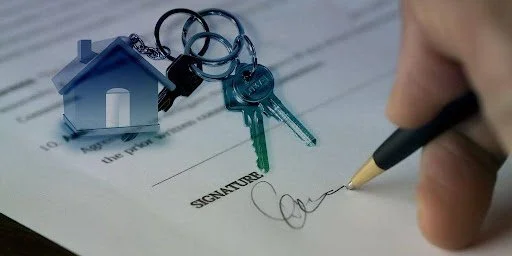
Once you've found the right home, your agent will help you put together an offer that not only states the price you're willing to pay, but also includes other requests and contingencies. This may include the closing timeline, asking for the seller to make repairs, or asking for a home warranty. Your agent can advise you on an offer price and terms.
Negotiating
In many cases, the sellers will come back with a counter offer rather than simply accepting your initial proposal. This is where the negotiation process begins. Your agent will work on your behalf to go back and forth to reach an offer you're both willing to accept. Your agent's experience in negotiations can make a big difference.
Getting a Home Inspection
After your offer is accepted, you'll need to schedule a home inspection from a qualified third-party inspector. They will thoroughly examine the home top-to-bottom, looking at everything from the foundation to electrical to plumbing to the roof. This allows you to re-negotiate for repairs or even back out of the deal if significant issues are found.
Finalizing the Mortgage
If you were pre-approved, now is the time to go through the final mortgage underwriting process to get full approval. The lender will re-verify your income, debts, assets and will require an appraisal of the home's value before granting final approval.
Conclusion
In the final stage, you'll meet with the sellers, agents, title company and lender to officially transfer ownership of the property. You'll sign a mountain of paperwork, pay the down payment and closing costs, and get the keys to your new home! Buying a home involves a lot of steps, but having an experienced realtor by your side makes it manageable. Take it one step at a time, be patient through the process, and you'll get the keys to your dream home before you know it.

5 Key Reasons to Prioritize Electrical Services in Your Home Renovation
Renovating a home is an exciting yet challenging endeavor. Amidst the focus on aesthetics and new layouts, homeowners often overlook the importance of prioritizing electrical services. Ensuring your home’s electrical system is up-to-date and efficient is not only a matter of convenience but also a critical aspect of safety and functionality. This post will explore the five key reasons why electrical services should take precedence in your home renovation.
Renovating a home is an exciting yet challenging endeavor. Amidst the focus on aesthetics and new layouts, homeowners often overlook the importance of prioritizing electrical services. Ensuring your home’s electrical system is up-to-date and efficient is not only a matter of convenience but also a critical aspect of safety and functionality. This post will explore the five key reasons why electrical services should take precedence in your home renovation.
The Foundation of Safe and Efficient Living
Ensuring Safety for Your Family
Safety is paramount when it comes to home renovations. Electrical systems that are outdated or improperly installed can pose significant hazards. Fires resulting from faulty wiring or overloaded circuits are common risks that can be mitigated by investing in professional electrical services. Licensed electricians can thoroughly inspect, upgrade, and repair your electrical system, ensuring it meets current safety standards. By prioritizing this aspect, you create a safer environment for your family.
Compliance with Building Codes
Every home renovation project must comply with local building codes and regulations. These codes are designed to ensure safety and quality in construction practices, including electrical systems. Failure to comply can result in fines, delays, or even the need to redo portions of the work. Professional electrical services ensure that your home’s electrical system is up to code, saving you from potential legal issues and ensuring peace of mind.
Future-Proofing Your Home
Technology is evolving rapidly, and modern homes are increasingly integrated with advanced electronic devices. From smart home systems to energy-efficient appliances, an updated electrical system is crucial to accommodate these advancements. By prioritizing electrical services during your renovation, you future-proof your home, making it adaptable to new technologies and ensuring seamless integration of modern conveniences.
Enhancing Functionality and Convenience
Optimizing Electrical Layouts
A well-planned electrical layout is essential for the functionality and convenience of your home. During renovation, it’s the perfect time to reassess and redesign your electrical system to match your new layout. Professional electricians can strategically place outlets, switches, and lighting fixtures to enhance the usability of your space. This optimization ensures that every corner of your home is functional and accessible, making daily life more convenient.
Improving Energy Efficiency
Energy efficiency is a growing concern for homeowners looking to reduce their environmental footprint and lower utility bills. Modern electrical upgrades, such as energy-efficient lighting and appliances, can significantly impact your home’s overall energy consumption. Electricians can recommend and install energy-saving solutions that align with your renovation goals, ensuring your home is both eco-friendly and cost-effective.
Enhancing Lighting Design
Lighting plays a crucial role in setting the mood and functionality of your home. During renovations, it’s an opportunity to revamp your lighting design to suit the new interior. Electricians can help you choose the right fixtures and placements to create a well-lit, aesthetically pleasing environment. Whether it’s task lighting for the kitchen or ambient lighting for the living room, professional electrical services ensure your home is beautifully illuminated.
Supporting Advanced Home Technologies
Integrating Smart Home Features
Smart home technology is becoming increasingly popular for its convenience and efficiency. From automated lighting and climate control to security systems, integrating these features requires a robust and modern electrical system. By prioritizing electrical services, you lay the groundwork for incorporating smart technologies seamlessly into your home, enhancing comfort and control at your fingertips.
Preparing for Electric Vehicles
With the rise of electric vehicles (EVs), many homeowners are considering the installation of EV charging stations. This addition requires substantial electrical capacity and proper installation to ensure safety and efficiency. Professional electricians can prepare your home’s electrical system for this upgrade, making it easier to transition to EVs and future-proofing your home for sustainable transportation options.
Boosting Home Value
Investing in electrical services during renovations can significantly boost your home’s value. Potential buyers prioritize homes with updated, safe, and efficient electrical systems. By demonstrating that your home is equipped to handle modern conveniences and technologies, you make it more attractive to buyers, potentially increasing its market value and ensuring a higher return on investment.
Addressing Common Electrical Issues
Resolving Overloaded Circuits
One of the common issues in older homes is overloaded circuits, which can lead to frequent tripping of circuit breakers, posing a fire hazard. During renovations, electricians can assess the load capacity and redistribute or add circuits to balance the load effectively. This upgrade prevents overloading issues, ensuring a safer and more reliable electrical system.
Eliminating Faulty Wiring
Faulty wiring is another prevalent issue that can cause power outages, electrical shocks, and fires. Renovation projects provide an opportunity to identify and replace outdated or damaged wiring. Professional electricians use high-quality materials and techniques to ensure that your wiring is safe and durable, eliminating potential risks and enhancing the overall reliability of your electrical system.
Upgrading Electrical Panels
Older homes often have outdated electrical panels that cannot handle the demands of modern appliances and technologies. Upgrading your electrical panel during renovation ensures that your home can support higher electrical loads safely. Electricians can install new panels with increased capacity, reducing the risk of overloads and enhancing the efficiency of your electrical system.
The Importance of Professional Electrical Services
Ensuring Quality Workmanship
Professional electricians bring expertise, experience, and precision to the table. Their knowledge of industry standards and best practices ensures that the electrical work in your home is of the highest quality. This professionalism not only guarantees safety but also enhances the longevity and performance of your electrical system.
Providing Insurance and Warranties
Hiring licensed electricians often comes with the benefit of insurance and warranties on their work. This coverage provides additional security, protecting you from potential liabilities and ensuring that any issues arising post-renovation are promptly addressed. This peace of mind is invaluable, knowing that your home’s electrical system is in capable hands.
Offering Expert Advice
Electricians can offer valuable insights and recommendations tailored to your renovation project. Whether it’s choosing the right fixtures, planning the electrical layout, or integrating new technologies, their expert advice can help you make informed decisions. This guidance ensures that your home’s electrical system aligns perfectly with your renovation goals and lifestyle needs.
Final Thoughts
Incorporating top-notch electrical services into your home renovation is not just about upgrading wires and circuits; it’s about ensuring safety, enhancing functionality, and preparing your home for the future. By prioritizing this critical aspect, you create a safe, efficient, and modern living space that meets the demands of contemporary life.
Take the next step in transforming your home. Reach out to a team of professional electricians today for remodeling electrical services needs and ensure that your renovation project is a resounding success. Your dream home deserves nothing less than the best in electrical services.

9 Affordable Aging in Place Modifications for Seniors
Are you looking to help your senior loved ones stay safe, independent, and comfortable in their homes? If so, there are many affordable home modifications that can enhance safety, improve accessibility, and help seniors maintain their independence. From decluttering to installing grab bars and even using smart technology, the following nine tips can make a big difference in their quality of life.

Are you looking to help your senior loved ones stay safe, independent, and comfortable in their homes? If so, there are many affordable home modifications that can enhance safety, improve accessibility, and help seniors maintain their independence. From decluttering to installing grab bars and even using smart technology, the following nine tips can make a big difference in their quality of life.
1. Declutter and Organize
A well-organized home can make life safer and easier for seniors. Start by decluttering each room, getting rid of unnecessary items that might cause trips or falls. Use labeled bins and containers to keep similar items together and within easy reach. Also, ensure frequently used items are stored at waist height to avoid bending or stretching. This way, daily activities are simpler and the home stays neat and accessible.
2. Install Affordable Lighting Solutions
Good lighting is essential for nighttime navigation. Affordable solutions like adding nightlights in hallways and bedrooms can make a big difference. These small lights help prevent slips and falls during nighttime trips to the bathroom or kitchen. Additionally, switching out dim or old bulbs for brighter, energy-efficient LEDs can also improve visibility without raising your energy bill much.
3. Use Non-Slip Mats and Secure Loose Rugs
Bathrooms can be especially dangerous for seniors because of the risk of slipping. Adding non-slip mats inside and outside the shower or bathtub can provide extra traction and help prevent falls. Similarly, securing loose rugs in other parts of the home with non-slip backing or double-sided tape can stop them from moving around and causing trips.
4. Try Handheld Showerheads and Shower Chairs
Installing a handheld showerhead and a shower chair can make the bathroom safer and more convenient. Handheld showerheads offer better control and flexibility, making it easier for seniors to bathe while seated. Additionally, shower chairs provide stable seating, reducing the risk of slips and falls.
5. Install Easy-to-Use Grab Bars
Grab bars are a simple and effective way to provide support and stability. These bars are especially useful in bathrooms and near stairs. You can find grab bars with easy-to-follow instructions and all the necessary hardware. Luckily, even if you're not very handy, you can install these with basic tools.
6. Rearrange Furniture
Rearranging furniture is an affordable way to make a home safer for seniors. The key is ensuring furniture placement creates clear, wide pathways for easy movement, especially if using mobility aids like walkers or wheelchairs. Also, remove any unstable furniture that could tip over and keep essential items, like remote controls and phones, within easy reach. This combination should maximize comfort and ease of navigation.
7. Add Non-Slip Treads and Stable Handrails
Stair safety is crucial for seniors, as falls can cause serious injuries. Adding non-slip treads to each step boosts traction and reduces slips. Also, make sure all handrails are stable. Over time, handrails can loosen, compromising support. So you should regularly tighten or replace handrails to ensure they provide the necessary support for safely navigating stairs.
8. Use Smart Devices for Lighting, Security, and Reminders
Smart technology can improve seniors' quality of life by adding convenience and home safety. Luckily, there are many affordable smart devices available for use, such as:
Motion-activated lights: Automatically light spaces to prevent trips and falls.
Smart plugs and bulbs: Controlled via smartphone or voice commands for easy use.
Smart cameras and doorbells: Allow remote home monitoring and interaction with visitors.
Smart reminder devices: Ensure important tasks and routines are followed, like talking clocks or medication dispensers.
9. Use Medical Alert Systems and Wearable Devices
Medical alert systems and wearable devices are essential for seniors living alone or concerned about emergencies. These systems can be lifesaving, offering instant connection to emergency services at the push of a button. Wearable tech provides cost-effective solutions that support both in-home and mobile use, ensuring coverage everywhere. Options include:
Fitness trackers and smartwatches: Can monitor heart rate, detect falls, and provide SOS functions.
Pendants and wristbands: These are lightweight, stylish devices for easy emergency alerts.
Conclusion
Affordable home modifications are key for seniors to age safely and comfortably. Simple changes like adding grab bars, rearranging furniture, making bathrooms safer, and securing stairs can improve their living conditions. Plus, incorporating smart technology and wearable devices adds convenience and peace of mind. By making these easy, cost-effective changes, you can help seniors stay independent and enjoy a higher quality of life at home for years.

