

A resource for those seeking information on organizing and transforming spaces.

From Overseas to Organized: Your Guide to a Smooth Home Setup
While moving abroad is an exciting venture in itself, especially the thought of it, when it comes to the logistical elements, it can be a very stressful scenario. The reality of packing everything up and shipping it over, whether it’s on a boat, flight, or driven, or all three, and the unpacking element again after that, can throw you off your game and leave you feeling like your entire world is a mess.
While moving abroad is an exciting venture in itself, especially the thought of it, when it comes to the logistical elements, it can be a very stressful scenario. The reality of packing everything up and shipping it over, whether it’s on a boat, flight, or driven, or all three, and the unpacking element again after that, can throw you off your game and leave you feeling like your entire world is a mess.
But fear not! Organizing is something we are not only extremely fond of but have built a brand on so organizing your life from overseas to your new home, we have a range of phases that you can follow to bring some more structure to this new element in your life.
Phase 1: Send Based On Importance
Before you even think about unpacking, you need to establish how you are sending and in what way. I would suggest keeping your essentials with you and taking as much with you as possible during your flight. This could include two large under-the-plane bags and a carry-on.
Be sure to pack a few clothes to change into between the days when waiting for your other belongings.
The cheapest mode to send you other items is by boat but it can take a while and might be dropped off at a location that is also a fair distance away. Alternatively, you can send it by flight or alternatively, you can decide to take minimal stuff with you and sell everything and start fresh but it’s unlikely the majority of people would do that.
Phase 2: The Essential Unpack
Once you arrive with all your key belongings that you use mostly daily, you can begin to unpack them, which will not only allow you to establish a sense of normality but also give you some structure to your new day-to-day.
This might also include you going out and buying new things like pots and pans or cutlery.
Be sure when unpacking, you are picking safe spaces for your important documents.
Phase 3: Room by Room
Once all of your other belongings have finally arrived, begin by placing the boxes in the relevant rooms; therefore, packing items that belong to the same area would be very helpful during this stage to avoid more mess and an unstreamlined unpacking experience.
Begin with the bedroom and get the beginning on, then hang up and do a rough organization to come back to once the other rooms are done.
Move on to the bathroom; organize toiletries, towels, and cleaning supplies. Consider using a stand-alone movable tiered tray for all your essentials and everyday products, but also save up on the other storage.
The kitchen is a good place to move on to, but can be one of the quicker ones if you have a rough plan on where you want everything to go beforehand. Start with the basics: your plates, cutlery and pans. Then you can see what remaining space you have left for your pantry items and what places would be better for which.
Lastly, you can start working on your living space, which just needs a splash of interior design. If you are coming with this with a fresh plan and new items, then this can be slowly built and added to, but if you are bringing loads of home pieces, you can have a good mess around with potential homes for your artwork and soft furnishings. As this bit is very low priority, you can afford to take your time.
If you have other rooms, like a guest room or office, these are similar to your living space; you can, with time, add new elements to the space once you feel the others are complete. Start with one project at a time, and it shouldn't feel as overwhelming.
Phase 4: The Expat Factor
Early aboard, unpack a few treasured objects from your native country. During the early phase of transition, these familiar objects might offer a sense of comfort and connection. Look into local shops for anything you need to buy in your new place or couldn't bring with you. It will be simpler to settle in if you know where to obtain necessities like groceries, cleaning supplies, and household items. The layouts and storage choices of homes in your new country may differ from those in your own country. Be adaptable and imaginative while coming up with organisational solutions. Think about investing in storage containers that suit your new surroundings or making use of vertical space.
Be sure to keep all of your important immigration documents, like your immigration lawyers documents, lease agreement, and local identification.
What Homeowners Wish They Knew Before Starting A Home Upgrade Project
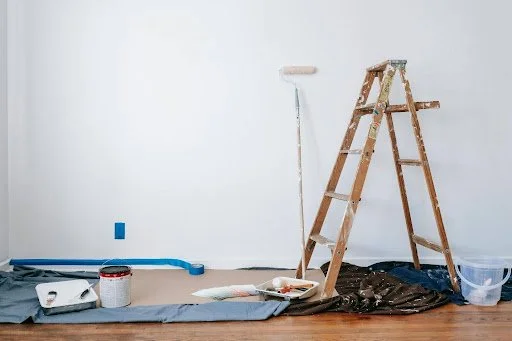
Let’s be real—upgrading your space sounds exciting. New paint, fresh tiles, fancy lighting - what’s not to love? But here’s the thing: jumping into a makeover without knowing what’s ahead can turn that dream project into a total stress fest. From surprise costs to weird permit rules, a lot can go sideways when you're not fully prepared.
Let’s be real—upgrading your space sounds exciting. New paint, fresh tiles, fancy lighting - what’s not to love? But here’s the thing: jumping into a makeover without knowing what’s ahead can turn that dream project into a total stress fest. From surprise costs to weird permit rules, a lot can go sideways when you're not fully prepared.
In San Diego, where sunshine and style go hand in hand, it's no surprise that people are constantly upgrading their living spaces. But with frequent upgrades come just as many mishaps. Talk to anyone local, and you’ll hear at least one “wish I knew that earlier” story. That’s why we've pulled together this helpful list—to ensure your project goes smoothly from start to finish.
Planning Isn’t Optional—It’s Essential
Many people get excited and rush into upgrades without a proper plan. This usually ends in delays, extra expenses, or half-finished projects. A solid plan helps you stay focused, know your limits, and work with the right people from the start. It’s also easier to avoid costly surprises when you have clear steps in place.
Not All Services Are Equal: Trust Local Experts for Precision Work
If you're thinking of upgrading your lights, plumbing, or electrical systems, don’t assume any general contractor will do. These tasks require trained professionals who know what they’re doing. Hiring someone with real experience in these areas can save you a lot of stress. For trusted results and stress-free work, you must only rely on experienced professionals. If you’re looking for trusted professionals for fixture installation San Diego has many options, like Switch Your Fixture, which offers expert services for lighting, plumbing, and electrical needs, making it easier to finish upgrades without issues. Their local reputation and customer-first approach make a big difference.
Budget for the Unexpected
No matter how solid your quote looks, keeping some extra funds aside is wise. Upgrades often come with surprise costs—old wiring, water damage, or delivery delays are more common than you’d think. These issues can easily throw off your timeline and add stress if you’re not prepared. Most experts recommend setting aside at least 10–20% of your total budget to handle any unexpected bumps. Having that cushion gives you peace of mind and helps you keep the project moving, even when the unexpected shows up.
Permits and Regulations Matter More Than You Think
Many people skip permits to save time or money, but this can backfire quickly. If your upgrade isn’t up to code, you might face fines or be forced to redo the work. Getting the proper permits from the beginning saves a lot of trouble later on. It’s also something most experienced contractors will guide you through.
DIY Isn’t Always Cheaper or Smarter
While DIY videos make upgrades look easy, not every job should be done alone. Tasks like plumbing or electrical work can be dangerous and need specific knowledge. What might look like a money-saving move can actually lead to higher repair costs. Always think twice before skipping professional help for tricky jobs. Always think twice before skipping professional help for tricky jobs, especially when the risks outweigh the savings.
Prioritize Function Before Aesthetics
Yes, new design trends are exciting. A cool backsplash or fancy faucet might look amazing, but make sure it works well, too. Think about what you use every day and upgrade those things first. Plumbing, ventilation, and electrical outlets matter more than color schemes. Once these systems are strong, you can layer on all the design details you want. A project that looks good but doesn’t function will never feel like a win in the long run.
Communication with Contractors Can Make or Break Your Project
Clear communication with your contractor is one of the most important parts of a smooth upgrade. Be honest about your expectations, your budget, and your timeline. Set up regular check-ins to stay updated on the progress and ask questions when you’re unsure about something. Even something small, like a material delay, can throw off your schedule if you’re not in the loop. A contractor who keeps you in the know makes managing the process much easier.
Good Lighting Makes a Huge Difference
Lighting is often one of the last things people think about, but it plays a much bigger role than most expect. The right setup not only changes the look of a space, but it also affects your mood and energy use. Natural lighting during the day and warm lights at night can create a perfect balance. Try to plan lighting for function and style. Add task lighting where you work, ambient lights to relax, and accent lights to highlight areas you love.
You’ll Probably Need to Make Temporary Living Adjustments
Let’s face it—upgrades can get messy. You might have limited access to bathrooms, kitchens, or other key rooms. There could be dust, noise, or even no water for a few hours. That’s why it helps to prepare ahead. Move furniture, set up a quiet work area, or plan meals you don’t need to cook. For bigger jobs, staying with family or booking a short-term rental might be smart. Planning ahead avoids frustration.
Upgrades Can Boost Home Value—If Done Right
Not every upgrade increase property value, so making smart choices is important. Focus on the spaces that buyers care about most—like kitchens, bathrooms, and energy-saving features. Also, always hire licensed professionals who follow safety codes. Poor or incomplete work might scare buyers away later. When done correctly, your upgrade can boost your living experience and your resale value down the road.
Starting an upgrade is exciting, but it comes with many moving parts. Knowing what to expect and planning ahead will save time, money, and stress. These tips aren’t just helpful—they’re the same things experienced homeowners wish they knew earlier. Use these lessons to make smarter decisions and avoid common mistakes. Whether it’s a small improvement or a big project, being prepared is the key to loving the result. Good luck, and enjoy the journey!

The Hidden Benefits of Maintaining Your Home’s Exterior
When most people think about home upgrades, they picture new furniture, paint colors, or kitchen remodels. The focus often stays inside. But the outside of your home matters just as much, sometimes even more.
When most people think about home upgrades, they picture new furniture, paint colors, or kitchen remodels. The focus often stays inside. But the outside of your home matters just as much, sometimes even more.
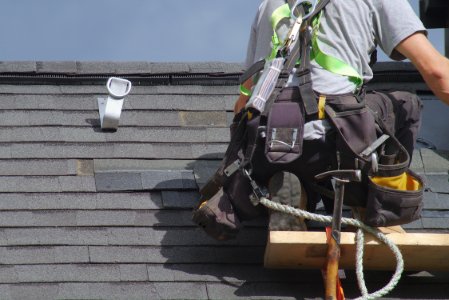
The exterior of your home does more than add to the look of the property. It plays a big role in keeping your space safe, comfortable, and in good shape. Things like siding, roofing, gutters, and trim work together to protect everything underneath. When left unchecked, small problems out front can become major issues indoors.
Protecting Your Home from Long-Term Damage
Your home’s exterior takes on a lot every day. Rain, wind, heat, and even pests all test its strength over time. Cracks in siding, loose shingles, or clogged gutters might not look like much at first, but they can lead to leaks, rot, and foundation issues if ignored for too long.
A bit of water that slips behind your siding or under your roofing can spread quickly. Mold can build up. Wooden structures may weaken. All of this affects the comfort and safety of the inside of your home.
Keeping up with regular maintenance helps avoid those larger problems. Washing siding, cleaning out gutters, or replacing worn-out trim can all extend the life of your home’s structure. It’s not just about making the place look better—it’s about keeping everything underneath it protected.
Improving Comfort and Efficiency
The way your house feels indoors depends a lot on what’s happening outside. The exterior materials—siding, roofing, windows, and doors—all work together to create a barrier from the elements. When they’re in good shape, your house holds in heat during winter and keeps cool air in during summer.
That’s why insulation isn’t just found in the walls. The materials on the outside also matter. Siding helps to insulate your home, cutting down on heat loss in winter and keeping it cooler in the summer. If you’ve noticed rising utility bills or drafts near walls, aging siding could be part of the reason.
This is the kind of benefit that often goes unnoticed. People see their siding starting to fade or warp and think it’s just about appearance. But replacing or upgrading it can also lead to real savings on heating and cooling costs. It adds comfort without having to adjust the thermostat all day.
Supporting Property Value and Curb Appeal
A clean, well-kept exterior gives off a strong first impression. Whether you plan to sell soon or stay long-term, how your home looks from the outside sends a message. Faded paint, cracked siding, or rusted gutters don’t just hurt curb appeal—they signal that other areas of the home might need work, too.
Buyers notice these things. Even if the inside is fully updated, a neglected exterior can turn people away before they walk through the door. Simple updates, like power washing your siding, repainting trim, or fixing worn railings, can lift your home’s overall look without spending a lot.
But the benefit goes beyond resale. It feels better to come home to a place that looks cared for. Even if you’re not planning to sell, regular upkeep keeps your property looking sharp and helps maintain pride of ownership.
Reducing Risk of Costly Repairs
Small exterior problems don’t stay small for long. A cracked piece of siding or a loose gutter might seem minor, but over time they can cause bigger damage. Water leaks, pests, and wood rot often start where the outside layer of your home has been compromised.
Doing seasonal walkarounds is an easy way to spot trouble early. Look for peeling paint, damaged caulking, soft spots in the wood, or signs of rust. These small fixes are often quick to handle and much cheaper than dealing with water damage or foundation issues down the road.
Professional inspections help, too. Bringing in a roofing or siding expert every few years can catch problems that might not be visible from the ground. Staying ahead of repairs saves time and money in the long run.
Making Routine Maintenance a Habit
One of the best ways to keep your home’s exterior in top shape is by making maintenance part of your routine. You don’t need to set aside full weekends. Instead, break tasks into smaller pieces and space them out over the year. Clean gutters in early spring and late fall. Check siding and trim after big storms. Walk around the house once each season to spot damage before it spreads.
Create a basic checklist and revisit it every few months. This approach keeps tasks manageable and helps you stay on top of repairs. When maintenance becomes a habit rather than a chore, your home stays in better condition and you avoid the stress that comes with last-minute fixes.
Keeping Your Home Safer and Healthier
Maintaining the outside of your home supports safety and health indoors. Water from damaged roofing or siding can get into walls and create mold. This affects air quality and can lead to health issues over time, especially for those with allergies or asthma.
Pests are another concern. Small gaps in your siding or under eaves can give insects and rodents an easy way inside. Once they settle into wall spaces or attics, getting rid of them becomes more complicated and costly.
Keeping materials sealed and in good condition blocks many of these entry points. When the outside of your home holds up well, the inside stays dry, secure, and free from unwanted visitors. This kind of protection doesn’t take much—just regular checks and small fixes when needed.
Taking care of your home’s exterior brings quiet, long-lasting rewards. It helps you avoid big repairs, supports energy savings, and keeps your property looking its best. What might seem like small tasks—cleaning siding, patching trim, or replacing worn gutters—actually have a big impact.
Your home works hard every day. Giving a little attention to the outside helps protect everything inside. Regular upkeep is less about chasing perfection and more about building peace of mind—one small job at a time.

Comprehensive Senior Care Plans: Tailored Solutions for Every Need
As people grow older, taking care of their well-being becomes more important. Families want to make sure their loved ones are safe, healthy, and happy. A senior care plan is one way to make that happen.
We partnered with a senior care company for this post. The opinions in the post are honest. All reviews and opinions expressed in this post are based on our personal views. We are excited because we know you will love it.

As people grow older, taking care of their well-being becomes more important. Families want to make sure their loved ones are safe, healthy, and happy. A senior care plan is one way to make that happen.
These plans give families a clear path to support aging relatives in ways that meet their personal needs. Dive in to discover how this can benefit you.
What Is a Senior Care Plan?
A senior care plan is a guide that helps families and caregivers take care of an older adult. It looks at the whole person and includes everything from health care to daily activities. These plans often include help with medications, doctor visits, food preparation, and staying active.
They are designed to match the unique needs of each person. Some older adults may need a lot of help, while others may just need a little support to stay independent. By looking closely at what the senior needs, families can build a plan that makes life easier and more comfortable.
What Makes a Care Plan Strong
A good senior care plan covers many parts of daily life. Healthcare is one of the most important areas. Seniors often need regular check-ups, help with taking medicine, and ways to manage health problems.
The care plan also includes daily tasks such as eating well, moving around safely, and keeping the home tidy and secure. It's also important for seniors to stay social. Spending time with others can help keep their minds sharp and reduce feelings of loneliness.
A care plan might also include time with family, group activities, or visits to community centers. Another key part of any care plan is safety. This means checking the home for hazards like slippery floors or poor lighting.
Planning for emergencies, such as a fall or sudden illness, is just as important. Having a plan in place helps families feel ready for anything.
Making the Plan Fit the Person
Some people might need more help with walking, while others need reminders to take their medicine. Others might still enjoy hobbies like gardening or reading, so their plan should give them time and support to enjoy these things. That's why it's important to check the plan often and make updates when needed.
This helps make sure the plan always supports the senior's current needs. Services like respite care for seniors in Burlington can also play a helpful role, giving families a break while making sure their loved one's care stays personalized and up to date.
Why Families Should Be Involved
Families play a big part in making a care plan work. Talking with doctors, caregivers, and the senior helps everyone understand what is needed. When everyone shares their ideas and works together, it makes the plan stronger.
This also helps the senior feel more supported and respected.
Finding the Right Help
A strong senior care plan does more than offer basic help. It supports all parts of a person's life-health, safety, fun, and friendship.
It builds a full system of care around the person. The first step is to talk with local care providers and see what options are available.
With the right plan, seniors can live their later years with comfort, respect, and joy. Looking for more answers? Our blog has what you need!

