

A resource for those seeking information on organizing and transforming spaces.
Smart Home Improvements to Make During Renovation
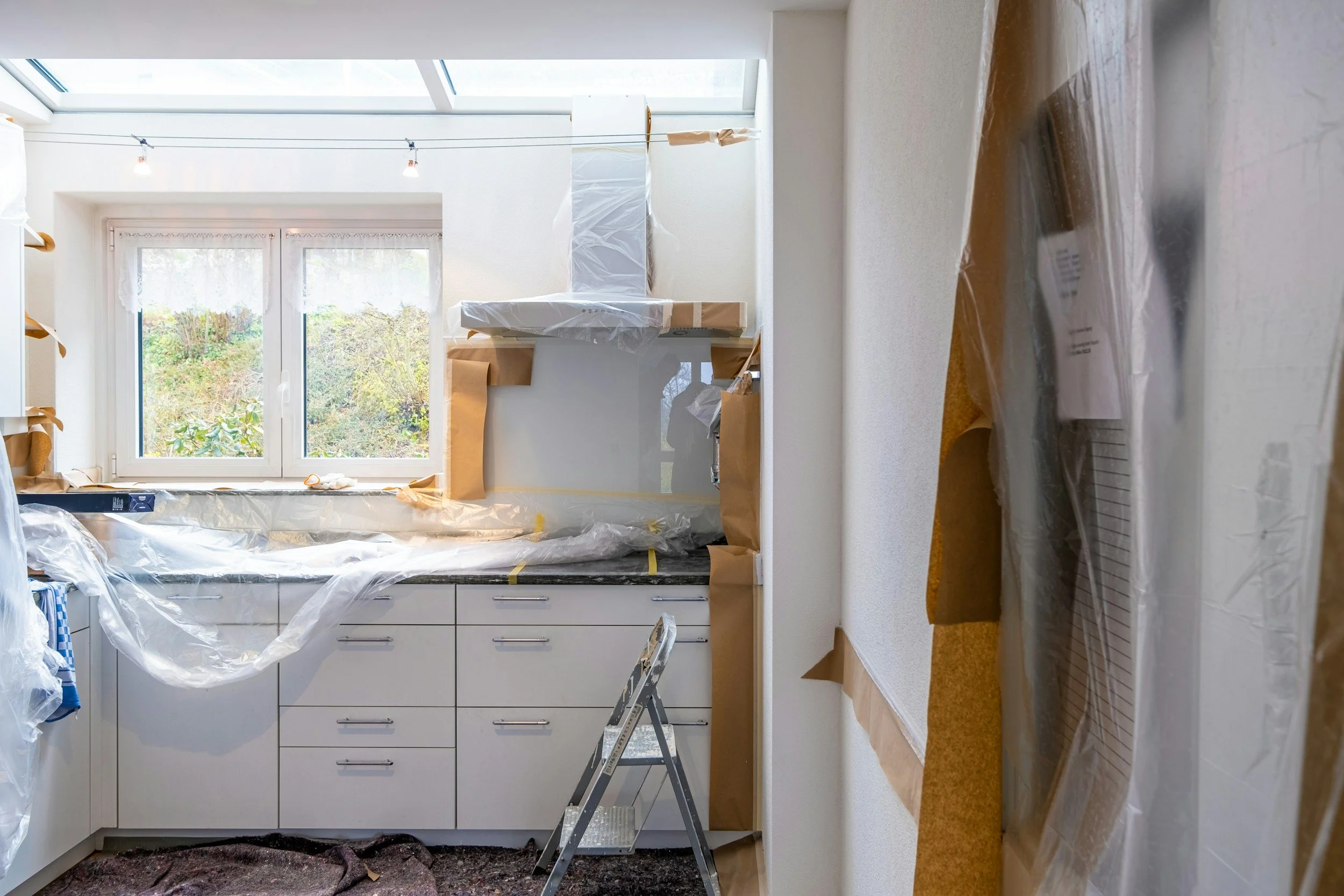
Renovating your home is the perfect time to incorporate smart technologies that enhance comfort, convenience, and efficiency.
We partnered with a home improvement company for this post. The opinions in the post are honest. All reviews and opinions expressed in this post are based on our personal views. We are excited because we know you will love it.
Renovating your home is the perfect time to incorporate smart technologies that enhance comfort, convenience, and efficiency. Unlike retrofitting, which can be costly and disruptive, integrating smart home improvements during renovation allows for seamless installation, better wiring, and future-proofing your living space. From smart lighting to advanced security systems, here are the top smart home upgrades to consider for your renovation project.
Smart Lighting Systems: Easy, Efficient, and Transformative
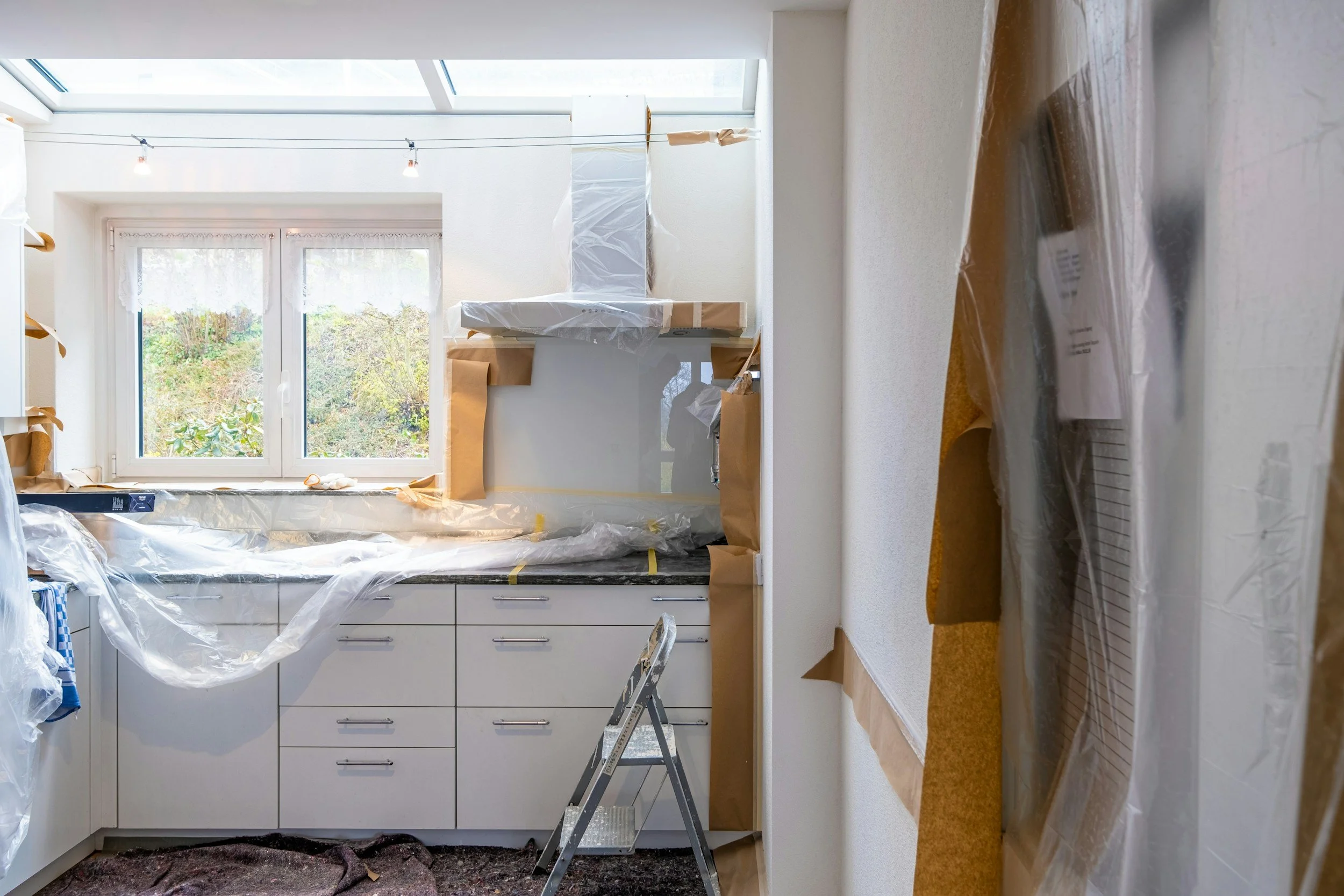
Smart lighting is one of the simplest yet most impactful upgrades you can make during renovation. Unlike traditional lighting fixtures, smart lighting offers automation, voice control, scheduling, and even the ability to adjust color temperature based on the time of day. Renovation is an ideal opportunity to rewire rooms and replace outdated fixtures with modern, energy-efficient smart bulbs and switches.
With smart lighting, you can control your home’s lights remotely via smartphone apps or voice assistants like Alexa, Google Home, or Siri. Program lights to turn on automatically when you arrive home, dim gradually at night, or switch off when you leave a room — saving energy and adding convenience. Beyond functionality, smart lighting enhances your home’s ambiance. Customize brightness and color tones to create warm, cozy living rooms or bright, energizing kitchens, all tailored to your lifestyle.
Energy-Efficient Thermostats: Smarter Climate Control
A smart thermostat is another essential upgrade that pays dividends in comfort and savings. These devices go beyond basic temperature control by learning your daily routines and adjusting heating and cooling automatically to optimize energy use. For example, a smart thermostat can lower the temperature while you’re away and start warming your home just before you return.
Many smart thermostats integrate with occupancy sensors to control room-by-room climate, ensuring no energy is wasted heating or cooling empty spaces. Remote access allows you to monitor and change settings from anywhere, making it easy to stay comfortable without unnecessary costs. Installing a smart thermostat during renovation also means easier integration with your HVAC system and other smart devices for a connected home experience.
Home Security Enhancements: Safety Meets Smart Tech
Modern smart security systems far surpass traditional locks and alarms. Renovation provides the perfect chance to plan and install wiring for these systems without the mess of post-construction retrofits. Popular smart security devices include video doorbells, motion-activated outdoor cameras, window and door sensors, and smart locks.
These devices offer real-time alerts, live video feeds, and remote access so you can monitor your home’s safety from anywhere. Some advanced systems even offer facial recognition and package detection for added security and convenience. Installing smart security during renovation not only protects your home better but also boosts property value and appeals to tech-savvy buyers.
Consider Community Guidelines for Exterior Upgrades
Before installing visible smart home elements such as security cameras, solar panels, or satellite dishes, it’s important to check your community’s regulations. Many homeowners’ associations (HOAs) or planned developments have strict rules about exterior modifications. Submitting an HOA Proposal in advance ensures your renovation complies with guidelines, preventing costly delays or conflicts.
Planning early helps maintain your home’s curb appeal and keeps harmony in your neighborhood — especially when upgrading exterior lighting or installing smart security devices.
Automated Window Treatments: Comfort and Efficiency
Automated window treatments are an underrated but highly effective smart home upgrade. Motorized blinds or curtains can open and close based on the time of day, sunlight, or your personal schedule. During renovation, you can install the necessary motorized tracks and wiring discreetly, avoiding bulky or exposed hardware later on.
These window treatments not only enhance convenience but also improve energy efficiency. For example, shades can close during peak sunlight to keep your home cool and reduce air conditioning costs, or open in the morning to maximize natural light and reduce electricity usage.
Smart Appliance Upgrades: Convenience Meets Efficiency
Kitchen and laundry renovations are excellent opportunities to upgrade to smart appliances. Modern smart refrigerators can track grocery inventories, suggest recipes, and sync with your smartphone. Ovens can be preheated remotely, while washing machines notify you when cycles are complete.
Smart appliances often feature energy-saving modes and self-diagnostics that alert you to maintenance needs before problems become costly. By integrating these into your renovation, you streamline daily chores and enhance overall home management efficiency.
Structured Cabling for Future-Proof Connectivity
Even if you’re not ready to automate your entire home immediately, laying the groundwork during renovation will save you time and money later. Structured cabling provides a robust network backbone supporting fast internet, strong Wi-Fi, and seamless integration of smart devices.
Since walls are open during renovation, it’s the perfect time to install Ethernet cables, extra power outlets, and hubs for smart home controllers. This infrastructure prepares your home for future upgrades such as home theaters, electric vehicle chargers, or complete smart home ecosystems.
Final Thoughts
Smart home improvements are more than a trend—they’re practical investments that improve daily living, lower energy costs, and increase property value. Renovation presents a rare opportunity to integrate these technologies seamlessly and cost-effectively, avoiding expensive retrofits down the line.
By planning and prioritizing upgrades like smart lighting, thermostats, security systems, automated window treatments, and smart appliances during renovation, you create a home that’s not only efficient and functional but also perfectly aligned with modern living standards. Whether you’re starting small or going all-in, these smart home improvements will pay off in comfort, convenience, and long-term value for years to come.
5 Outdoor Living Upgrades That Reclaim Your Backyard Paradise
Your backyard should be more than just a patch of grass—it can be your personal escape, a place to relax, entertain, and reconnect with nature. Whether you're dreaming of cozy evenings, lively gatherings, or peaceful mornings with coffee in hand, the right upgrades can transform your outdoor space into a true paradise.
Your backyard should be more than just a patch of grass—it can be your personal escape, a place to relax, entertain, and reconnect with nature. Whether you're dreaming of cozy evenings, lively gatherings, or peaceful mornings with coffee in hand, the right upgrades can transform your outdoor space into a true paradise.
So, here are five impactful ways to reclaim your backyard and make it a destination you’ll never want to leave. Let’s dive into them!
Create a Cozy Screened Porch for Year-Round Enjoyment
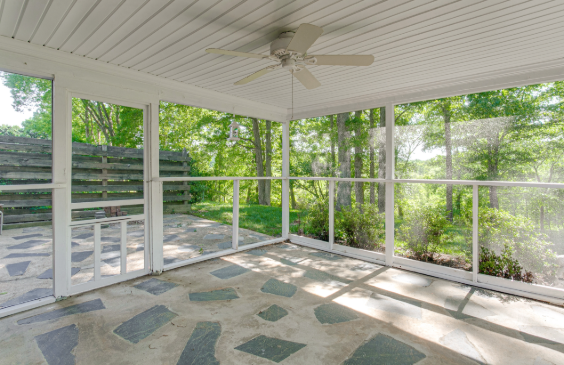
A screened porch is one of the most versatile additions you can make to your backyard. It offers the comfort of indoor living with the fresh air and natural views of the outdoors. With protection from bugs, rain, and harsh sun, a screened porch becomes a year-round retreat. You can furnish it with cushioned seating, add a ceiling fan for warm days, and even install a fireplace or heater for cooler nights.
Moreover, this addition is perfect for reading, dining, or simply unwinding. In the long term, it also adds value to your home and expands your usable living space without the cost of a full room addition. Whether you’re hosting guests or enjoying quiet time alone, a screened porch blends comfort and nature beautifully.
Build a Functional Outdoor Kitchen for Effortless Entertaining
Outdoor kitchens are no longer just a luxury—they’re a smart investment for homeowners who love to entertain. A well-designed outdoor kitchen can include a built-in grill, prep counters, a sink, and even a mini fridge. It keeps the cooking mess outside and lets you stay connected with guests while preparing meals.
You can also customize it to match your cooking style, whether that’s weekend barbecues or gourmet pizza nights. Durable materials like stainless steel and stone ensure it stands up to the elements. With the right lighting and layout, your outdoor kitchen becomes the heart of your backyard gatherings, making every meal feel like a celebration.
Add a Fire Feature to Warm Up Your Evenings
There’s something magical about gathering around a fire. Whether it’s a sleek gas fire pit or a rustic wood-burning fireplace, adding a fire feature brings warmth and ambiance to your outdoor space. It extends your backyard’s usability into cooler seasons and creates a natural focal point for conversation and relaxation.
You can also surround it with comfortable seating, use it for roasting marshmallows, or simply enjoy the glow on a quiet night. Fire features also add a touch of luxury and can be tailored to fit any style—from modern minimalism to cozy cabin vibes. It’s an upgrade that invites connection and comfort.
Install Landscape Lighting to Highlight and Protect
Lighting can completely change the mood and functionality of your backyard. With well-placed landscape lighting, you can highlight architectural features, illuminate pathways, and create a warm, inviting atmosphere. Solar-powered or low-voltage options make installation easier and more energy-efficient.
Beyond aesthetics, lighting improves safety by reducing trip hazards and deterring intruders. You can use spotlights to showcase trees or water features, string lights for a festive touch, or lanterns for a soft glow. Thoughtful lighting design turns your backyard into a nighttime haven, perfect for entertaining or unwinding after sunset.
Design a Relaxing Water Element for Peaceful Ambiance
Water features emanate calmness and elegance to any outdoor space. You can opt for a small waterfall, bubbling fountain, or a koi pond, which all soothe the senses and mask unwanted noise. These installations can be as simple or elaborate as you like.
A compact fountain near your seating area adds charm without taking up much space. Larger installations like ponds or streams create a lush, natural feel and attract birds and butterflies. Water features also help regulate temperature and humidity, making your backyard more comfortable. They’re a beautiful way to introduce tranquility and movement into your landscape.
Conclusion
Your backyard has the potential to be more than just an outdoor area—it can be your sanctuary, your social hub, and your favorite place to unwind. With upgrades like a screened porch, outdoor kitchen, fire feature, lighting, and water elements, you can reclaim your space and make it truly yours.
Each improvement adds comfort, beauty, and functionality, helping you enjoy your home to the fullest. Start with one change and build from there. Your backyard paradise is closer than you think!

Renting vs. Buying a Luxury Apartment: Which Offers Better Financial Flexibility?
Deciding where, and how, to live is one of the most important financial choices you’ll ever make. For those considering luxury apartments, the question becomes even bigger: should you commit to ownership or keep things flexible by renting?
We partnered with a real estate company for this post. The opinions in the post are honest. All reviews and opinions expressed in this post are based on our personal views. We are excited because we know you will love it.

Deciding where, and how, to live is one of the most important financial choices you’ll ever make. For those considering luxury apartments, the question becomes even bigger: should you commit to ownership or keep things flexible by renting?
Buying a home may feel like the traditional “grown-up” move, but tying up a large portion of your wealth in one property isn’t always the smartest play — especially in a market where interest rates, job opportunities, and lifestyles change fast. Renting, on the other hand, can free up cash flow and keep your options open — but you won’t build equity.
So which choice makes sense for 2025? Let’s break it down step by step, comparing upfront costs, monthly commitments, and long-term flexibility so you can choose the option that supports your financial goals.
Upfront Costs: Down Payment vs. Security Deposit
Buying a luxury apartment requires a serious upfront investment — often 20% down plus closing costs, inspection fees, property taxes, and homeowner association dues. That’s money that becomes tied up in one asset for years.
Renting significantly lowers the entry barrier. Most luxury communities ask for a first month’s rent and a refundable security deposit. Some even offer incentives like waived application fees or move-in specials.
Communities like daltonapartmentsmckinney.com make it easier for residents to access upscale living without the financial strain of a six-figure down payment. Their apartments don’t just save you money up front — they deliver a resort-level experience with features like:
Resort-style swimming pool and rooftop lounge for relaxation
Golf and sports simulator for unique on-site recreation
State-of-the-art fitness center and business conference spaces
Modern interiors with quartz countertops, wine racks, and stainless-steel appliances
These perks turn renting into a lifestyle choice rather than just a financial one.
Monthly Commitment: Predictable vs. Variable Expenses
Mortgages lock you into a payment schedule for decades — and that’s before you factor in rising property taxes, insurance premiums, and surprise maintenance costs. A sudden roof repair or HOA assessment can easily throw off your budget.
Renters, on the other hand, enjoy a single predictable payment each month, often covering not just the apartment but also amenities and some utilities. This keeps your cash flow more consistent and makes budgeting easier, freeing you to spend on experiences, investments, or savings goals.
Long-Term Value: Equity vs. Opportunity Cost
Buying does build equity, but it also ties up a large amount of capital in one asset. That money becomes harder to access unless you refinance or sell — both of which take time and can be market-dependent.
Buying means:
Equity growth as you pay down your mortgage
Potential appreciation if the market rises
Risk of property value dips, reducing your net worth
Renting means:
Cash remains liquid and easy to redirect into other investments
No risk of being “house poor” or over-leveraged
Flexibility to adjust your housing budget as life changes
Lifestyle Flexibility: Stay or Go
Luxury apartment leases usually run 12–18 months, giving renters the ability to upgrade, downsize, or move for work without long-term consequences.
Renting offers:
Quick transitions between neighborhoods or cities
Ability to test-drive an area before committing long-term
No stress of listing, staging, and waiting for a sale
Buying requires:
Time and effort to list, sell, or rent out your home
Potential overlap of mortgage payments and new housing costs
Longer timelines that make relocation less spontaneous
Maintenance and Responsibility: Hands-On vs. Hands-Free
Owning property puts you in charge of every repair and upkeep task, from leaky faucets to full appliance replacements.
Owners handle:
Maintenance scheduling and costs
Seasonal tasks like landscaping or pest control
Emergency repairs that can disrupt budgets
Renters enjoy:
On-site maintenance teams that fix issues quickly
No surprise expenses for major repairs
The ability to focus on lifestyle instead of property upkeep
When Buying Still Wins
While renting offers flexibility, there are clear scenarios where buying is the smarter long-term move. Ownership can be financially rewarding if:
You plan to stay put for at least 5–7 years. This allows enough time for equity growth to offset closing costs and market fluctuations.
You want full creative control. Owning lets you renovate, customize, and design your space without landlord restrictions.
You value long-term stability. A fixed-rate mortgage locks in predictable housing costs, shielding you from rising rents.
You’re focused on wealth-building. Property appreciation, mortgage interest deductions, and the ability to leverage your home’s equity can all contribute to growing your net worth.
For some, the emotional satisfaction of ownership and the sense of permanence it provides outweighs the extra responsibility and cost.
Wrap-Up
Renting and buying both have their strengths, but the right answer depends on your financial goals and life stage. Renting gives you liquidity, predictability, and freedom, while buying gives you equity, control, and long-term stability.
In many cases, renting a luxury apartment provides the best balance of comfort and financial flexibility — especially if you value mobility and want to keep cash free for investments or future opportunities. The key is choosing the option that supports where you are now — and where you want to be next.
Which Exterior Upgrades Do Professionals Recommend for Maximum Impact?
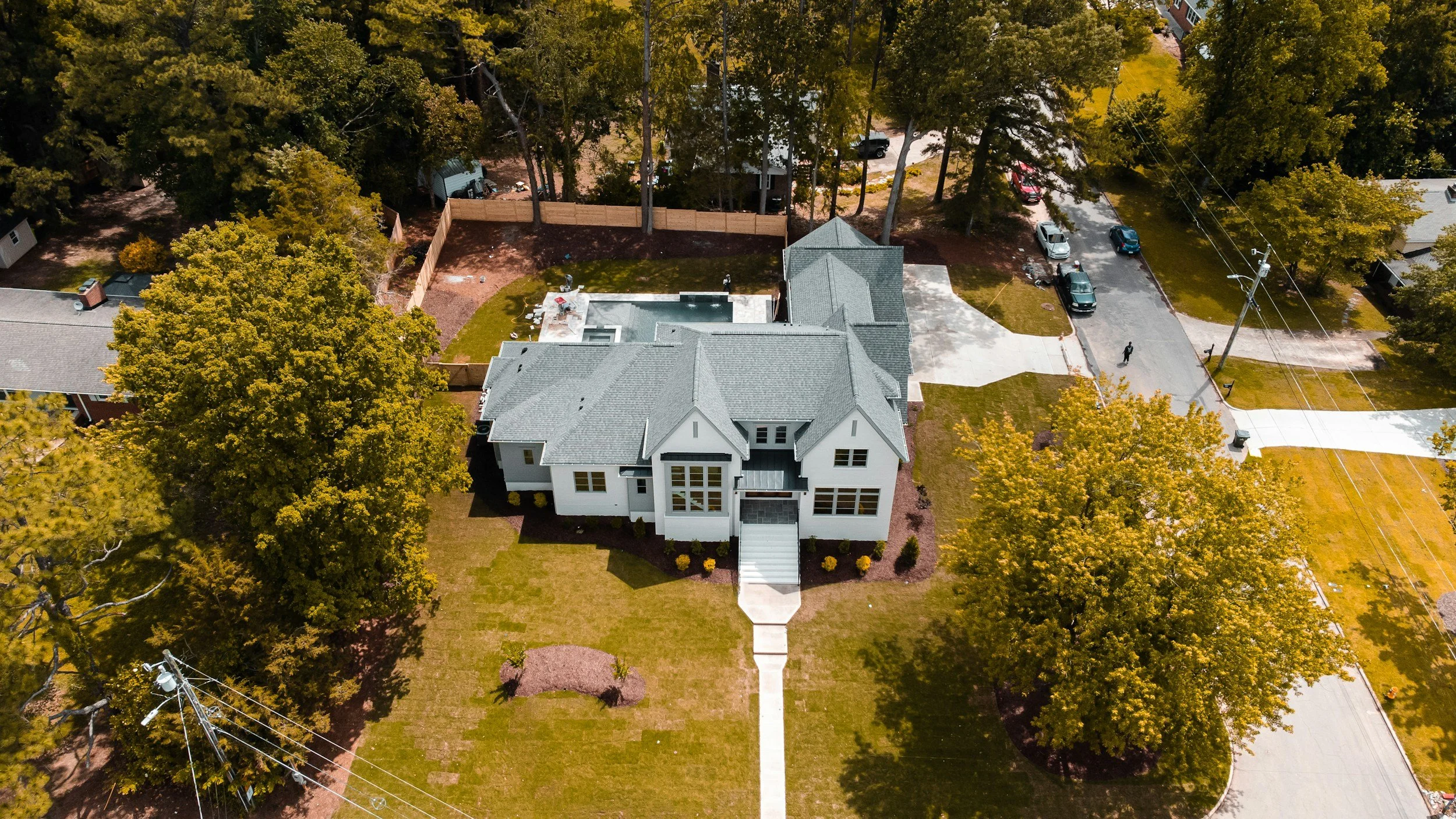
First impressions matter, especially when it comes to homes. Neighbors, guests, and even potential buyers often form opinions before stepping through the front door. A faded roof, peeling paint, or a worn entryway can make an otherwise solid house feel neglected. On the other hand, a polished exterior signals care, boosts value, and creates pride for homeowners.
We partnered with a home improvement company for this post. The opinions in the post are honest. All reviews and opinions expressed in this post are based on our personal views. We are excited because we know you will love it.
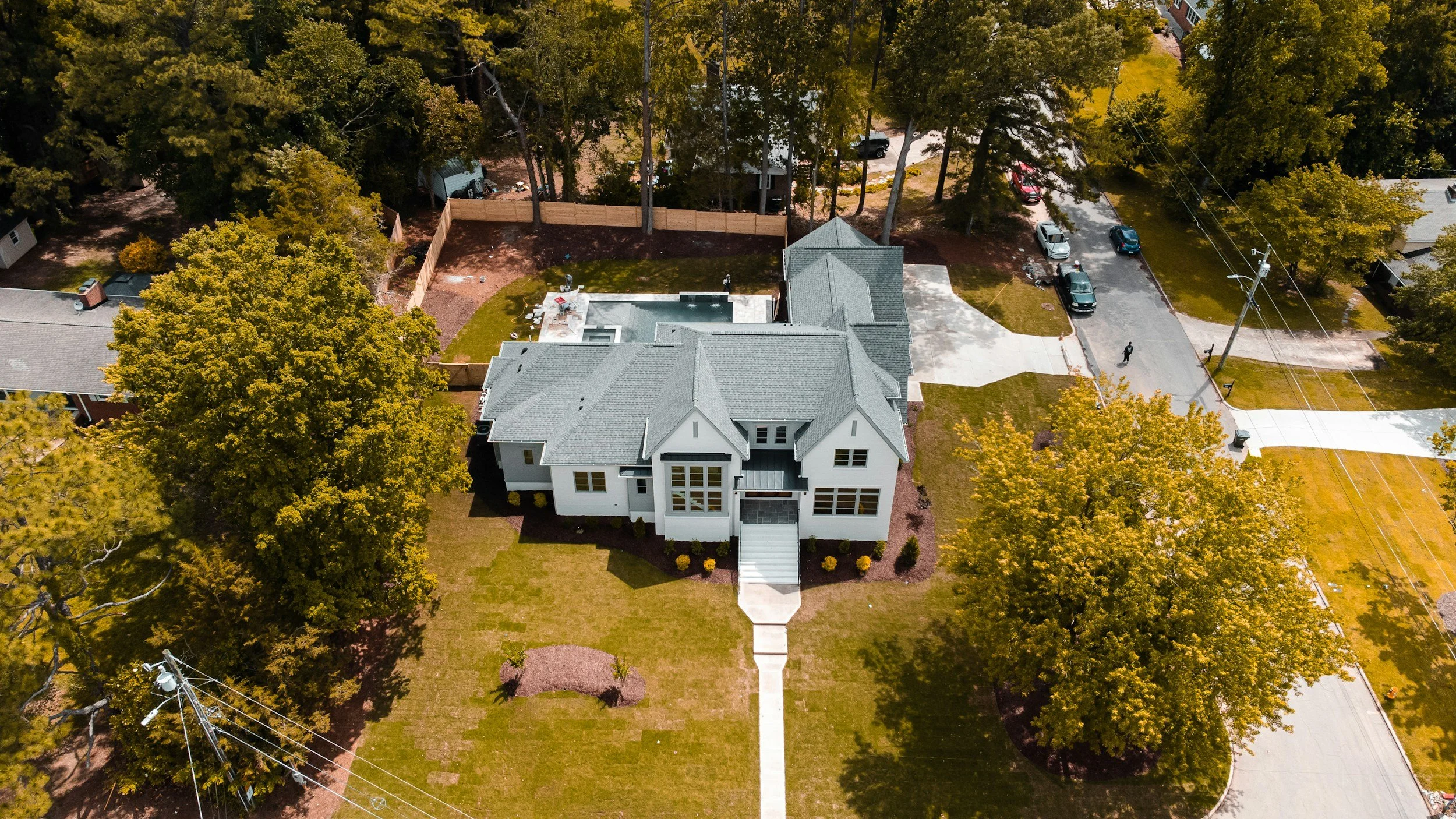
First impressions matter, especially when it comes to homes. Neighbors, guests, and even potential buyers often form opinions before stepping through the front door. A faded roof, peeling paint, or a worn entryway can make an otherwise solid house feel neglected. On the other hand, a polished exterior signals care, boosts value, and creates pride for homeowners.
Yet knowing which upgrades truly make an impact isn’t always easy. Some changes transform curb appeal instantly, while others may drain money without much return. That’s where professional insight proves invaluable. In this article, you’ll see why working with experts makes a difference and which exterior improvements professionals recommend most often for lasting value and beauty.
Why Choose Professionals for Exterior Projects
It’s tempting to think a fresh coat of paint or a DIY repair is enough. But exterior projects demand more than enthusiasm. They require precision, knowledge of materials, and awareness of local building standards.
A poorly installed siding panel or misaligned roof shingle can lead to leaks, drafts, or expensive repairs down the line. Professionals bring both experience and efficiency. They know which upgrades deliver the biggest return and how to execute them correctly.
That’s why working with trusted providers such as Curb Appeal Exterior makes sense. Their team combines design expertise with technical skill, ensuring upgrades enhance beauty while improving durability. Instead of juggling patchwork fixes, homeowners get solutions that add value and peace of mind.
Upgrades That Deliver Maximum Impact
When it comes to curb appeal, not all upgrades deliver equal results. Professionals highlight a few key improvements that instantly transform how a home looks and functions. These include:
Roofing for Protection and Style
The roof is one of the first features people notice—and one of the most critical for protection. Worn shingles or water stains immediately signal neglect. Beyond looks, a compromised roof affects insulation, energy bills, and even structural safety.
Professionals recommend investing in high-quality roofing materials like asphalt shingles, slate, or metal. These not only improve aesthetics but also last longer and require less frequent replacement. A well-installed roof reassures buyers and keeps families safe, making it one of the smartest exterior upgrades.
Siding That Refreshes the Entire Facade
Siding covers the largest surface area of your home, so even minor damage or discoloration stands out. Cracked panels or faded paint make houses appear older than they are.
Professionals suggest replacing outdated siding with durable, modern materials such as fiber cement or vinyl. These resist weather, insects, and rot while offering a variety of colors and textures. With expert installation, siding creates a clean, fresh look that transforms the entire home exterior instantly.
Front Doors That Welcome and Secure
The entryway sets the tone for the whole house. A flimsy or dated door undermines curb appeal and raises security concerns. By contrast, a strong, stylish door makes guests feel welcome while protecting the household.
Designers often recommend upgrading to steel or fiberglass doors for maximum impact. These options balance beauty and safety, offering modern finishes without sacrificing durability. Add features like sidelights or bold colors, and the upgrade makes a dramatic difference without overwhelming your budget.
Windows That Brighten and Save Energy
Windows do more than let in light. They influence comfort, efficiency, and style. Drafty or fogged panes not only look unattractive but also waste energy.
Professionals recommend energy-efficient double- or triple-pane windows. These reduce heat loss in winter, keep interiors cooler in summer, and lower utility costs. From a design perspective, updated windows frame views better and increase natural light. For buyers, this signals a modern, well-maintained home.
Landscaping That Frames the House
Even with a pristine roof and freshly installed siding, a neglected yard can take away from a home’s overall appeal. Overgrown shrubs, patchy grass, or a lack of defined pathways often make the space look unfinished. The good news is that small, thoughtful landscaping upgrades create a big difference.
Trimmed hedges and lush, green grass provide a clean foundation.
Flower beds or shrubs add layers of color and texture.
Pathways and subtle lighting guide visitors while improving safety.
Professionals go further by tailoring landscaping to the home’s style. This way, the yard doesn’t just look tidy—it feels connected to the architecture, creating a welcoming flow from the street to the front door.
Conclusion
Exterior upgrades aren’t only about looks—they protect, save energy, and raise property value. From roofing and siding to windows, doors, and landscaping, each improvement adds layers of beauty and function. With professional help, these changes become long-lasting investments rather than temporary fixes.
Choosing experts ensures every detail is handled with care, giving your home an exterior that impresses, protects, and pays off. In today’s market, that combination is what truly delivers maximum impact.

