

A resource for those seeking information on organizing and transforming spaces.

The True Cost Of Bad Tenants
A rental property is often viewed as a stable investment, but the wrong tenant can quickly turn it into a financial burden. The costs associated with bad tenants go far beyond missed rent and can affect both short-term income and long-term property value.
A rental property is often viewed as a stable investment, but the wrong tenant can quickly turn it into a financial burden. The costs associated with bad tenants go far beyond missed rent and can affect both short-term income and long-term property value.
Lost Rental Income
The most immediate impact comes from unpaid rent. A tenant who fails to pay on time or stops paying altogether disrupts cash flow and may leave the landlord covering mortgage, taxes, and insurance out of pocket. Even partial or inconsistent payments can strain budgets and make it harder to maintain the property properly.
Property Damage and Repairs
Normal wear and tear is expected, but careless or destructive tenants can cause significant damage. Broken appliances, stained carpets, holes in walls, and neglected plumbing issues add up quickly. Repairing these problems can cost thousands of dollars and delay the ability to re-rent the unit. In some cases, hidden issues may surface only after a tenant moves out, further increasing expenses.
Legal Fees and Eviction Costs
Evictions are not only stressful but also expensive. Depending on the state, legal fees, court filings, and attorney costs can range from several hundred to several thousand dollars. During this process, the property often remains unoccupied, which means no rental income is generated while expenses continue. The eviction timeline can stretch for months, leaving landlords in a financially vulnerable position.
Impact on Property Value
Bad tenants can also harm long-term property value. Neglecting maintenance, ignoring pest problems, or damaging key systems like heating and cooling can reduce the overall condition of the home. A neglected property is harder to market to quality renters and may even lower resale value if left unresolved.
Preventing Costly Mistakes
Screening tenants thoroughly is the most effective way to avoid these losses. Checking credit, rental history, and references helps identify red flags before signing a lease. Some landlords choose to work with a property management company, which often has more resources and experience in screening applicants, enforcing lease agreements, and handling disputes. This upfront investment can prevent greater losses later.
Bad tenants can create ripple effects that extend beyond missed payments. From expensive repairs to prolonged vacancies, the true cost often exceeds what many landlords expect. Proactive tenant screening, strong lease agreements, and consistent oversight are essential tools for protecting rental properties and preserving long-term value. Check out the infographic below to learn more.


The Cycle Of Household Damage
Household damage rarely happens overnight. Small problems often grow into larger ones, and once a cycle begins, it can feel endless. Recognizing how issues start and how they progress is key to breaking the pattern and protecting your home from recurring damage.
Household damage rarely happens overnight. Small problems often grow into larger ones, and once a cycle begins, it can feel endless. Recognizing how issues start and how they progress is key to breaking the pattern and protecting your home from recurring damage.
Water Damage as the Starting Point
Many cycles begin with water. A slow roof leak, a dripping pipe, or poor drainage near the foundation introduces moisture into areas that should stay dry. Over time, this weakens materials, encourages mold growth, and creates an environment that accelerates other types of damage. Left unchecked, water intrusion can undermine structural integrity and lead to costly repairs.
Structural Weakness and Wear
Once moisture has taken hold, materials such as wood, drywall, and flooring lose their strength. Cracks may appear in walls, floors can warp, and ceilings may sag. These weak points then open the door to further issues, such as pests or additional water intrusion, creating a repeating cycle of deterioration. What starts as a minor repair can quickly expand into a widespread problem across different parts of the home.
The Role of Pests in Damage
Household pests thrive in environments where structural weaknesses already exist. Rodents and insects can enter through cracks or gaps caused by earlier water or structural damage. Once inside, they can chew wires, nest in insulation, and contaminate surfaces. Addressing these issues often requires professional pest control, but prevention through proper maintenance is just as important.
How Small Problems Lead to Bigger Costs
The cycle of household damage intensifies when small, overlooked issues grow into larger ones. For example, a minor roof leak can lead to mold in the attic, which then weakens beams, allowing pests to move in. Each stage builds on the previous one, making repairs more extensive and expensive.
The best way to stop the cycle is through consistent attention and early action. Regular inspections of roofing, plumbing, and foundations can prevent water damage from starting the chain. Promptly sealing cracks and maintaining ventilation reduces moisture and discourages pests. Proactive care can save time, stress, and money while keeping the home safe and sound. For more information, look over the infographic below.

Smart Home Improvements to Make During Renovation
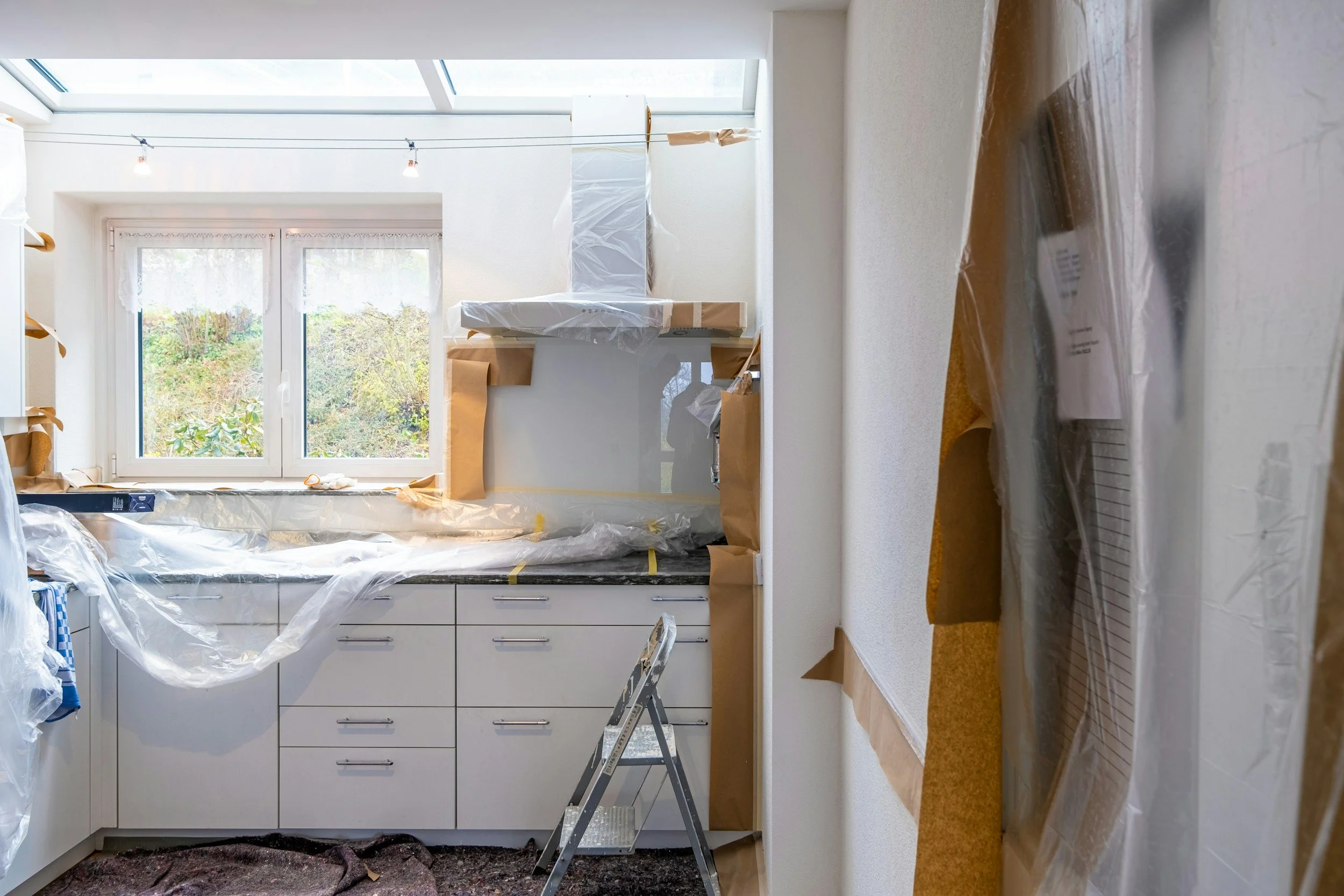
Renovating your home is the perfect time to incorporate smart technologies that enhance comfort, convenience, and efficiency.
We partnered with a home improvement company for this post. The opinions in the post are honest. All reviews and opinions expressed in this post are based on our personal views. We are excited because we know you will love it.
Renovating your home is the perfect time to incorporate smart technologies that enhance comfort, convenience, and efficiency. Unlike retrofitting, which can be costly and disruptive, integrating smart home improvements during renovation allows for seamless installation, better wiring, and future-proofing your living space. From smart lighting to advanced security systems, here are the top smart home upgrades to consider for your renovation project.
Smart Lighting Systems: Easy, Efficient, and Transformative
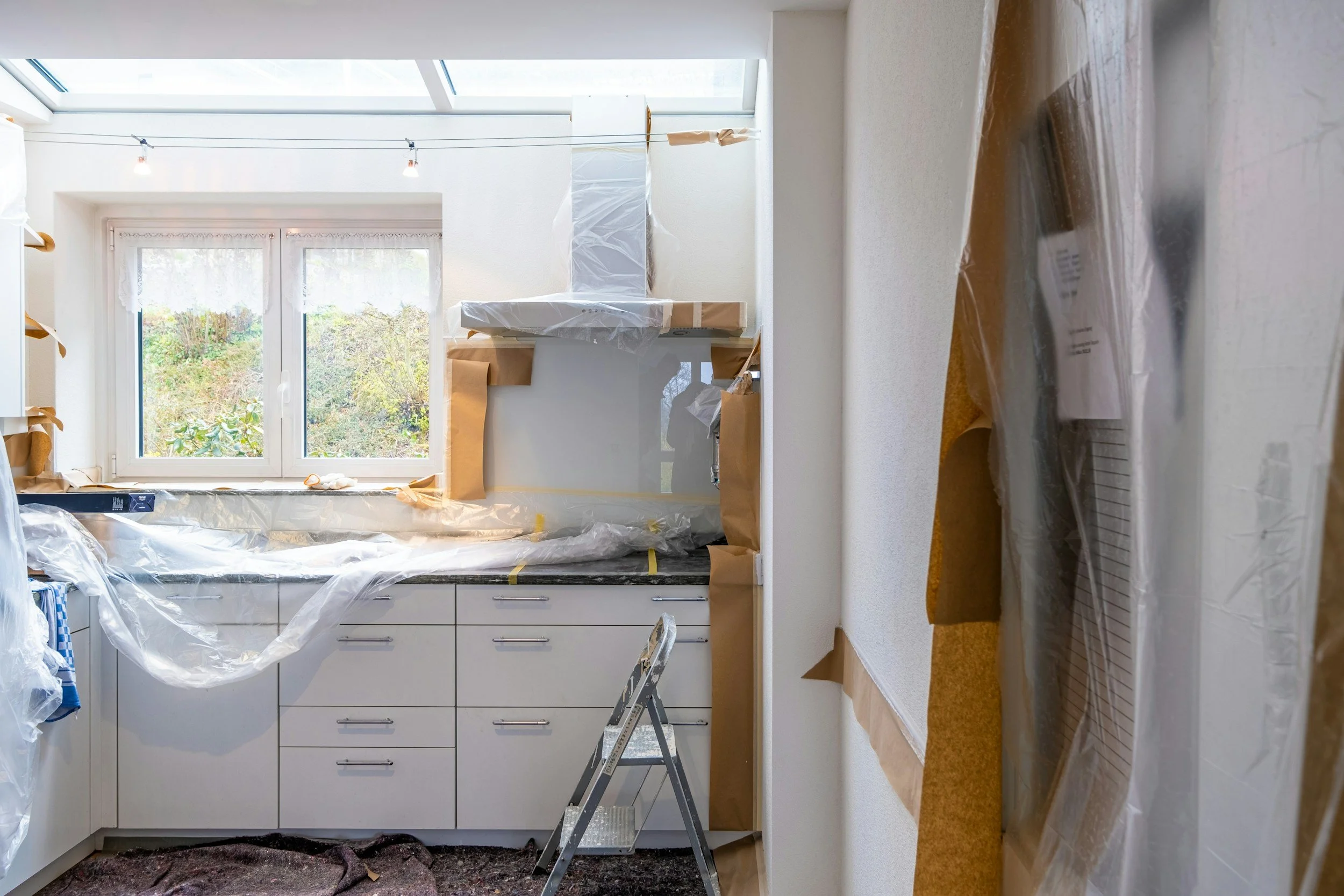
Smart lighting is one of the simplest yet most impactful upgrades you can make during renovation. Unlike traditional lighting fixtures, smart lighting offers automation, voice control, scheduling, and even the ability to adjust color temperature based on the time of day. Renovation is an ideal opportunity to rewire rooms and replace outdated fixtures with modern, energy-efficient smart bulbs and switches.
With smart lighting, you can control your home’s lights remotely via smartphone apps or voice assistants like Alexa, Google Home, or Siri. Program lights to turn on automatically when you arrive home, dim gradually at night, or switch off when you leave a room — saving energy and adding convenience. Beyond functionality, smart lighting enhances your home’s ambiance. Customize brightness and color tones to create warm, cozy living rooms or bright, energizing kitchens, all tailored to your lifestyle.
Energy-Efficient Thermostats: Smarter Climate Control
A smart thermostat is another essential upgrade that pays dividends in comfort and savings. These devices go beyond basic temperature control by learning your daily routines and adjusting heating and cooling automatically to optimize energy use. For example, a smart thermostat can lower the temperature while you’re away and start warming your home just before you return.
Many smart thermostats integrate with occupancy sensors to control room-by-room climate, ensuring no energy is wasted heating or cooling empty spaces. Remote access allows you to monitor and change settings from anywhere, making it easy to stay comfortable without unnecessary costs. Installing a smart thermostat during renovation also means easier integration with your HVAC system and other smart devices for a connected home experience.
Home Security Enhancements: Safety Meets Smart Tech
Modern smart security systems far surpass traditional locks and alarms. Renovation provides the perfect chance to plan and install wiring for these systems without the mess of post-construction retrofits. Popular smart security devices include video doorbells, motion-activated outdoor cameras, window and door sensors, and smart locks.
These devices offer real-time alerts, live video feeds, and remote access so you can monitor your home’s safety from anywhere. Some advanced systems even offer facial recognition and package detection for added security and convenience. Installing smart security during renovation not only protects your home better but also boosts property value and appeals to tech-savvy buyers.
Consider Community Guidelines for Exterior Upgrades
Before installing visible smart home elements such as security cameras, solar panels, or satellite dishes, it’s important to check your community’s regulations. Many homeowners’ associations (HOAs) or planned developments have strict rules about exterior modifications. Submitting an HOA Proposal in advance ensures your renovation complies with guidelines, preventing costly delays or conflicts.
Planning early helps maintain your home’s curb appeal and keeps harmony in your neighborhood — especially when upgrading exterior lighting or installing smart security devices.
Automated Window Treatments: Comfort and Efficiency
Automated window treatments are an underrated but highly effective smart home upgrade. Motorized blinds or curtains can open and close based on the time of day, sunlight, or your personal schedule. During renovation, you can install the necessary motorized tracks and wiring discreetly, avoiding bulky or exposed hardware later on.
These window treatments not only enhance convenience but also improve energy efficiency. For example, shades can close during peak sunlight to keep your home cool and reduce air conditioning costs, or open in the morning to maximize natural light and reduce electricity usage.
Smart Appliance Upgrades: Convenience Meets Efficiency
Kitchen and laundry renovations are excellent opportunities to upgrade to smart appliances. Modern smart refrigerators can track grocery inventories, suggest recipes, and sync with your smartphone. Ovens can be preheated remotely, while washing machines notify you when cycles are complete.
Smart appliances often feature energy-saving modes and self-diagnostics that alert you to maintenance needs before problems become costly. By integrating these into your renovation, you streamline daily chores and enhance overall home management efficiency.
Structured Cabling for Future-Proof Connectivity
Even if you’re not ready to automate your entire home immediately, laying the groundwork during renovation will save you time and money later. Structured cabling provides a robust network backbone supporting fast internet, strong Wi-Fi, and seamless integration of smart devices.
Since walls are open during renovation, it’s the perfect time to install Ethernet cables, extra power outlets, and hubs for smart home controllers. This infrastructure prepares your home for future upgrades such as home theaters, electric vehicle chargers, or complete smart home ecosystems.
Final Thoughts
Smart home improvements are more than a trend—they’re practical investments that improve daily living, lower energy costs, and increase property value. Renovation presents a rare opportunity to integrate these technologies seamlessly and cost-effectively, avoiding expensive retrofits down the line.
By planning and prioritizing upgrades like smart lighting, thermostats, security systems, automated window treatments, and smart appliances during renovation, you create a home that’s not only efficient and functional but also perfectly aligned with modern living standards. Whether you’re starting small or going all-in, these smart home improvements will pay off in comfort, convenience, and long-term value for years to come.
5 Outdoor Living Upgrades That Reclaim Your Backyard Paradise
Your backyard should be more than just a patch of grass—it can be your personal escape, a place to relax, entertain, and reconnect with nature. Whether you're dreaming of cozy evenings, lively gatherings, or peaceful mornings with coffee in hand, the right upgrades can transform your outdoor space into a true paradise.
Your backyard should be more than just a patch of grass—it can be your personal escape, a place to relax, entertain, and reconnect with nature. Whether you're dreaming of cozy evenings, lively gatherings, or peaceful mornings with coffee in hand, the right upgrades can transform your outdoor space into a true paradise.
So, here are five impactful ways to reclaim your backyard and make it a destination you’ll never want to leave. Let’s dive into them!
Create a Cozy Screened Porch for Year-Round Enjoyment
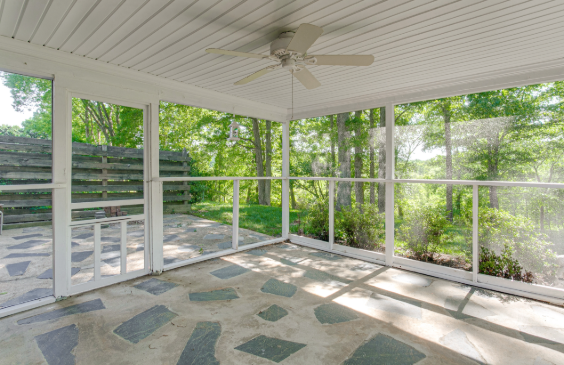
A screened porch is one of the most versatile additions you can make to your backyard. It offers the comfort of indoor living with the fresh air and natural views of the outdoors. With protection from bugs, rain, and harsh sun, a screened porch becomes a year-round retreat. You can furnish it with cushioned seating, add a ceiling fan for warm days, and even install a fireplace or heater for cooler nights.
Moreover, this addition is perfect for reading, dining, or simply unwinding. In the long term, it also adds value to your home and expands your usable living space without the cost of a full room addition. Whether you’re hosting guests or enjoying quiet time alone, a screened porch blends comfort and nature beautifully.
Build a Functional Outdoor Kitchen for Effortless Entertaining
Outdoor kitchens are no longer just a luxury—they’re a smart investment for homeowners who love to entertain. A well-designed outdoor kitchen can include a built-in grill, prep counters, a sink, and even a mini fridge. It keeps the cooking mess outside and lets you stay connected with guests while preparing meals.
You can also customize it to match your cooking style, whether that’s weekend barbecues or gourmet pizza nights. Durable materials like stainless steel and stone ensure it stands up to the elements. With the right lighting and layout, your outdoor kitchen becomes the heart of your backyard gatherings, making every meal feel like a celebration.
Add a Fire Feature to Warm Up Your Evenings
There’s something magical about gathering around a fire. Whether it’s a sleek gas fire pit or a rustic wood-burning fireplace, adding a fire feature brings warmth and ambiance to your outdoor space. It extends your backyard’s usability into cooler seasons and creates a natural focal point for conversation and relaxation.
You can also surround it with comfortable seating, use it for roasting marshmallows, or simply enjoy the glow on a quiet night. Fire features also add a touch of luxury and can be tailored to fit any style—from modern minimalism to cozy cabin vibes. It’s an upgrade that invites connection and comfort.
Install Landscape Lighting to Highlight and Protect
Lighting can completely change the mood and functionality of your backyard. With well-placed landscape lighting, you can highlight architectural features, illuminate pathways, and create a warm, inviting atmosphere. Solar-powered or low-voltage options make installation easier and more energy-efficient.
Beyond aesthetics, lighting improves safety by reducing trip hazards and deterring intruders. You can use spotlights to showcase trees or water features, string lights for a festive touch, or lanterns for a soft glow. Thoughtful lighting design turns your backyard into a nighttime haven, perfect for entertaining or unwinding after sunset.
Design a Relaxing Water Element for Peaceful Ambiance
Water features emanate calmness and elegance to any outdoor space. You can opt for a small waterfall, bubbling fountain, or a koi pond, which all soothe the senses and mask unwanted noise. These installations can be as simple or elaborate as you like.
A compact fountain near your seating area adds charm without taking up much space. Larger installations like ponds or streams create a lush, natural feel and attract birds and butterflies. Water features also help regulate temperature and humidity, making your backyard more comfortable. They’re a beautiful way to introduce tranquility and movement into your landscape.
Conclusion
Your backyard has the potential to be more than just an outdoor area—it can be your sanctuary, your social hub, and your favorite place to unwind. With upgrades like a screened porch, outdoor kitchen, fire feature, lighting, and water elements, you can reclaim your space and make it truly yours.
Each improvement adds comfort, beauty, and functionality, helping you enjoy your home to the fullest. Start with one change and build from there. Your backyard paradise is closer than you think!