

A resource for those seeking information on organizing and transforming spaces.

Inherited a House in Sacramento? Here's What to Do First
Nobody plans to become the sudden owner of a house. One day you are living your life, and the next you are holding a deed to a property you did not ask for — one that may be across town, in need of repairs, or still carrying a mortgage.
We partnered with a real estate company for this post. The opinions in the post are honest. All reviews and opinions expressed in this post are based on our personal views. We are excited because we know you will love it.
Nobody plans to become the sudden owner of a house. One day you are living your life, and the next you are holding a deed to a property you did not ask for — one that may be across town, in need of repairs, or still carrying a mortgage.
If you have recently inherited a house in Sacramento, take a breath. You have more options than it probably feels like right now. This guide walks you through everything you need to do — in the right order — so you can make a smart, informed decision.
Step 1: Determine Whether Probate Is Required
Before you can do anything with an inherited property, you need to confirm whether it must pass through probate — the court-supervised process of validating a will and transferring assets.
In California, probate is generally required if the estate's assets exceed $184,500(as of current thresholds). However, several types of transfers skip probate entirely:
• Property held in a living trust
• Property with a joint tenancy designation
• Homes with a recorded transfer-on-death deed
If you are unsure, a probate attorney or estate attorney in Sacramento can clarify your situation quickly — many offer free initial consultations.
Step 2: Get Clear on Who Owns What
If multiple heirs are involved, all decisions about the property will need to be made collectively. This includes whether to sell, rent, move in, or hold the home. Family dynamics can complicate even straightforward estates, so it helps to have a written agreement among heirs about the plan before moving forward.
Step 3: Understand the Tax Implications
Here is the good news that many heirs do not know: inherited property in the U.S. typically receives a stepped-up cost basis, which means your taxable gain is calculated from the home's fair market value at the time of inheritance — not what the original owner paid for it.
For example, if your parent bought the home in 1985 for $80,000 and it is now worth $450,000, your capital gains basis is $450,000. If you sell it for $465,000, you would only owe capital gains tax on $15,000 — not $385,000.
That said, tax law is nuanced. Always confirm your situation with a CPA or tax attorney before making assumptions.
Step 4: Assess the Property's Condition
Walk through the home and take stock of what you are dealing with. Make note of major systems — roof, HVAC, plumbing, electrical — and any deferred maintenance. This assessment will shape your decision about what to do next.
According to Bobby Buys Homes, many inherited homes in Sacramento have been lived in for decades and need updating or repairs. Understanding the scope of work — and the cost — is essential before deciding whether to invest in renovations or sell the property as-is.
Step 5: Decide What to Do with the Property
Option A: List with a Real Estate Agent
If the home is in good shape and you are not in a hurry, listing on the open market may yield the highest sale price. Expect the process to take 60 to 90 days from listing to close, plus additional time for any repairs or negotiations.
Option B: Sell As-Is to a Cash Buyer
If the property needs significant work, or if multiple heirs want to settle the estate quickly, selling to a cash buyer is often the most practical option. Cash buyers purchase inherited homes in any condition, handle all closing paperwork, and typically close within 1 to 2 weeks.
Option C: Rent It Out
If the property is in good condition and you want ongoing income, renting is an option. Be aware that becoming a landlord in Sacramento comes with responsibilities — including compliance with California's tenant protection laws.
Watch Out for These Common Pitfalls
• Letting the property sit: Vacant homes deteriorate and attract liability. Every month of delay has a cost.
• Underestimating carrying costs: Property taxes, insurance, utilities, and maintenance add up quickly.
• Skipping professional advice: Probate and estate tax rules are complicated. One misstep can be expensive.
• Making decisions under pressure: If other heirs are pushing for a quick sale, make sure you understand what you are agreeing to.

Closing Process Explained: What to Expect When Selling to a Cash Buyer in Indiana
Selling your Indiana home to a cash buyer is faster and simpler than a traditional sale. If you know what to expect. Here is a clear, step-by-step look at how the closing process works.
We partnered with a real estate company for this post. The opinions in the post are honest. All reviews and opinions expressed in this post are based on our personal views. We are excited because we know you will love it.
Selling your Indiana home to a cash buyer is faster and simpler than a traditional sale. If you know what to expect. Here is a clear, step-by-step look at how the closing process works.
If you have been thinking about selling your home to a cash buyer in Indiana, you probably have questions about how the closing process works. It can feel unfamiliar, and that is completely normal. Most people have only ever sold a home the traditional way through a real estate agent, mortgage lenders, and weeks of back-and-forth paperwork. Cash sales are different, and in many ways, much simpler. This guide walks you through exactly what happens from the moment you accept an offer to the day you hand over the keys.
How a Cash Sale Differs from a Regular Home Sale
In a traditional home sale, there is a buyer, a seller, and usually a mortgage lender in the middle. That lender needs to approve the loan, order an appraisal, and sign off on dozens of conditions before closing can happen. This is where delays come from. Cash buyers skip all of that. They are purchasing your home with funds they already have, so there is no waiting on a bank.
In Indiana, this makes a big difference in your timeline. A traditional sale can take 45 to 60 days or more to close. A cash sale, depending on your situation, can close in as little as 7 to 14 days. That speed is one of the main reasons homeowners choose to sell to cash buyers. When they are dealing with a tight timeline, an inherited property, or a home that needs repairs.
Working with a reliable company like Simple Quarters means you get a straightforward process without the usual headaches of showings, negotiations, and financing fall-throughs. They make fair cash offers and handle most of the heavy lifting for you.
From Offer to Signed Agreement: What Happens First
Once you reach out to a cash buyer, they will typically want to learn about your property. They may ask for basic details like the address, square footage, condition of the home, and any known issues. Some buyers will schedule a quick walkthrough, while others can make an initial offer based on the information you provide.
After reviewing your home, the cash buyer will present you with a written offer. This offer usually has no financing contingency, which means it will not fall apart because a lender backed out. Take your time reading it. You are not obligated to accept, and you can ask questions or negotiate terms if something does not feel right.
In Indiana, a cash offer typically comes with fewer contingencies than a traditional offer. That means less risk of the deal collapsing at the last minute.
What Goes on During the Due Diligence Period
Even with cash buyers, there is usually a short due diligence window. This is when the buyer verifies the condition of the property and confirms there are no major title issues. In Indiana, this period is often shorter than in a traditional sale, sometimes just a few days.
During this time, the buyer may order a title search. This is a standard process where a title company reviews public records to make sure the property has a clean ownership history and no outstanding liens or judgments. If any issues come up, they are usually handled before closing, so there are no surprises at the table.
Step 1
Offer accepted
Step 2
Title search ordered
Step 3
Title issues resolved
Step 4
Closing date set
Step 5
Documents signed
Step 6
Funds received
Paperwork You Will Sign at Closing
Closing day in Indiana involves signing a set of legal documents. You do not need to memorize all of them, but it helps to know what you are looking at. A title agent or closing attorney will typically guide you through each document and explain what you are signing.
Common documents include the settlement statement (which shows all costs and credits), the deed (which transfers ownership to the buyer), and any required Indiana disclosures. You may also sign a bill of sale if personal property, like appliances, is included in the sale.
Settlement statement (HUD-1 or Closing Disclosure)
Warranty deed or quitclaim deed
Indiana seller disclosure form
Bill of sale (if applicable)
Transfer tax documents
Getting Paid: How Funds Are Transferred
One of the most common questions sellers have is: When do I actually get my money? In a cash sale, payment is made at or shortly after closing. The most common method is a wire transfer directly to your bank account. Some buyers may offer a certified check, though wire transfers are more common for security and speed.
In Indiana, the closing agent handles the transfer of funds. They collect the money from the buyer, confirm that all documents have been signed and conditions are met, and then release the funds to you. This usually happens the same day as closing, though it can occasionally take until the next business day for the wire to fully clear on your end.
Common Things That Can Slow Down a Cash Closing
Cash sales are faster, but they can still hit snags. Knowing what to watch for can help you avoid delays.
Title issues are the most common holdup. If there are old liens on the property, an error in a previous deed, or an unresolved ownership dispute, those need to be cleared before closing. In Indiana, unpaid property taxes or HOA dues can also create delays if not addressed early in the process.
Seller-related delays can also happen. If you have not yet vacated the property or gathered all the required documents, closing might need to be pushed back. It is a good idea to start gathering your mortgage payoff statement, utility account information, and any warranty documents for appliances or systems as soon as you sign the purchase agreement.
Selling your Indiana home to a cash buyer is one of the most straightforward ways to move on quickly and with confidence. When you understand each step of the closing process ahead of time, there are no surprises: just a clean, simple transaction that puts money in your pocket fast.
FAQs
1. How long does it take to close on a cash home sale in Indiana?
Most cash sales in Indiana close in about 7 to 14 days, depending on title work and how quickly documents are completed. In some simple cases, it can move even faster if there are no title issues or delays in paperwork.
2. Do I still need to do inspections or repairs when selling to a cash buyer?
Usually no major repairs are required. Many cash buyers purchase homes “as-is,” meaning you don’t have to fix anything before closing. However, the buyer may still do a basic walkthrough or inspection for their own evaluation.
3. When do I receive my money after closing a cash sale?
In most cases, you receive your funds on the same day as closing through a wire transfer from the title company. Sometimes, it may take until the next business day for the transfer to fully clear in your bank account.
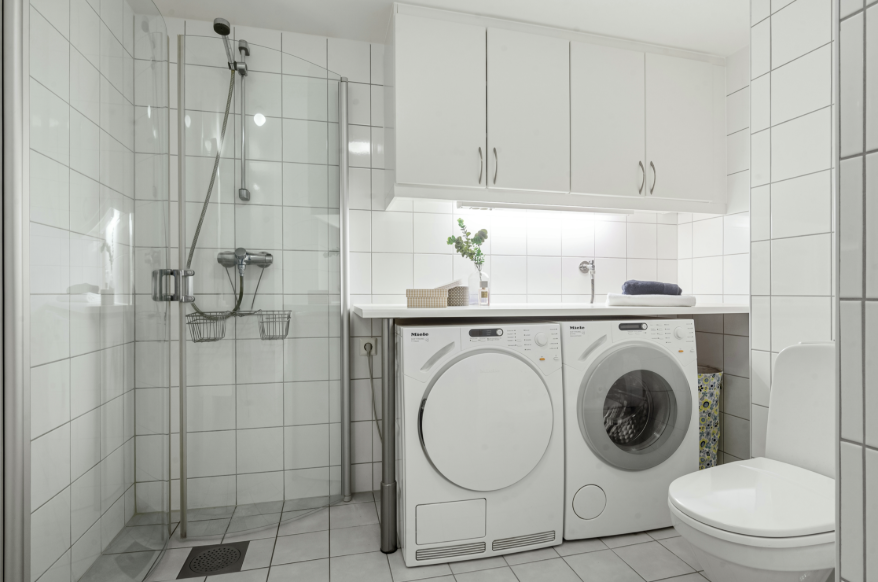
How to Keep Your Dryer Running at Peak Performance All Year Long
A clothes dryer is one of the most relied-upon appliances in any household. When it runs smoothly, it saves time, energy, and effort. But like any machine, it needs consistent care to stay efficient and safe. By following a few practical steps, you can keep your dryer performing at its best throughout the year.
A clothes dryer is one of the most relied-upon appliances in any household. When it runs smoothly, it saves time, energy, and effort. But like any machine, it needs consistent care to stay efficient and safe. By following a few practical steps, you can keep your dryer performing at its best throughout the year.
Clean the Lint Trap After Every Load
The lint trap is the first line of defense against clogs and overheating. Cleaning it after each cycle ensures proper airflow and reduces strain on the motor. A clogged lint screen forces the dryer to work harder, which can shorten its lifespan and increase energy use.
This simple habit takes seconds but makes a big difference in performance and safety. Over time, lint buildup can also create a fire hazard, so staying consistent with this step is one of the easiest ways to protect your home.
Clean and Maintain the Dryer Vent System
Your dryer’s vent system is responsible for carrying heat and moisture safely out of the appliance. As months go by, lint and debris can collect inside the ductwork, blocking airflow and increasing the risk of overheating or fire. Scheduling professional dryer vent duct cleaning at least once a year helps remove hidden buildup that regular cleaning can’t reach. This service not only improves efficiency but also protects your home from potential risks.
A clean vent system allows the dryer to operate with less strain, which means shorter drying times and lower energy bills. By relying on expert cleaning, you ensure that your dryer’s vent system remains safe, efficient, and capable of supporting peak performance all year long.
Check the Drum and Seals for Wear
The dryer drum and door seals play a key role in keeping heat inside during operation. If seals are worn or cracked, hot air escapes, forcing the dryer to run longer. Inspecting these parts regularly and replacing them when needed helps maintain consistent drying times and prevents unnecessary energy waste.
A well-sealed drum also ensures that clothes dry evenly, reducing the need for repeat cycles and helping fabrics last longer. By staying proactive with seal maintenance, you safeguard your dryer’s efficiency and extend its overall service life.
Keep the Exterior and Interior Clean
Dust and dirt can accumulate around the dryer’s exterior and inside the drum. Wiping down surfaces and vacuuming around the appliance prevents particles from entering the system. A clean dryer also reduces the chance of odors transferring to clothes.
Periodic deep cleaning of the drum ensures fabrics come out fresh and lint-free. Taking the time to clean both the inside and outside of the dryer helps it run more smoothly and keeps your laundry area looking neat.
Monitor Drying Times for Efficiency
Longer drying cycles are often a sign of restricted airflow or worn components. If you notice clothes taking longer to dry, it’s time to troubleshoot. Start by checking the lint trap and vent system, then move on to seals and heating elements.
Addressing issues early prevents costly repairs and keeps the dryer running smoothly. Paying attention to drying times also helps you spot problems before they become serious, saving both money and frustration.
Schedule Regular Professional Maintenance
While routine cleaning is essential, professional servicing provides a deeper level of care. Technicians can inspect electrical connections, heating elements, and safety features to ensure everything is working properly.
Annual maintenance helps extend the dryer’s lifespan and gives you peace of mind that your appliance is safe and efficient. Professional checkups are especially important for older dryers, which may need more frequent attention to stay reliable.
Use the Dryer Responsibly to Prevent Strain
Overloading the dryer or running back-to-back cycles without breaks can strain the motor and heating system. Following manufacturer guidelines for load size and giving the dryer time to cool between cycles helps prevent overheating.
Responsible use not only protects the appliance but also improves drying results. By treating the dryer with care, you can avoid unnecessary wear and keep it performing well for years. Consistently practicing these habits ensures your dryer remains dependable, efficient, and ready to handle everyday laundry needs without interruption.
Conclusion
Keeping your dryer at peak performance all year long comes down to consistent care and smart habits. From cleaning the lint trap to scheduling professional dryer vent duct cleaning, each step contributes to efficiency, safety, and longevity. With regular attention and responsible use, your dryer will continue to serve your household reliably for years to come.

Sell your restaurant with confidence how buyers evaluate opportunities
Selling your restaurant is a decision that often starts quietly, like a thought you revisit after a long shift when the chairs are stacked and the kitchen finally goes silent.

We partnered with a real estate company for this post. The opinions in the post are honest. All reviews and opinions expressed in this post are based on our personal views. We are excited because we know you will love it.
Selling your restaurant is a decision that often starts quietly, like a thought you revisit after a long shift when the chairs are stacked and the kitchen finally goes silent.
I remember talking to an owner who stood in his empty dining room at midnight, wondering if he still loved the place or just felt responsible for it.
If you want to move forward with clarity, you need to understand how buyers actually think when they evaluate a deal, especially if you’re planning to sell your restaurant.
That moment matters because buyers sense it when you’re ready to move on and when you’re still emotionally tied to every corner.
If you want to move forward with clarity, you need to understand how buyers actually think when they evaluate a deal.
What buyers look for first
Buyers rarely fall in love with the décor or the menu first.
They start with numbers.
Revenue consistency is usually the first filter, followed by profit margins and cost stability.
If your monthly sales swing wildly, expect questions.
If your expenses are unclear, expect hesitation.
A buyer once told me he walked away from a great-looking space simply because the owner couldn’t explain three months of missing invoices.
Clarity builds trust faster than anything else.
The story behind your numbers
Numbers alone don’t sell a business.
They need context.
Was there a dip because of construction outside your restaurant?
Did you recently change suppliers or pricing.
Explain those details early.
I’ve seen deals fall apart because the buyer assumed the worst when simple explanations were missing.
On the flip side, I’ve seen average-performing restaurants sell quickly because the story behind the numbers made sense.
Location and lease matter more than you think
A strong location can save a mediocre concept.
A weak lease can kill a strong one.
Buyers pay close attention to lease terms, renewal options, and rent increases.
One owner I worked with lost a serious buyer because there were only six months left on the lease.
The food was great, the reviews were solid, but the risk was too high.
If your lease is solid, highlight it early.
If it’s not, be ready to negotiate.
Operations tell the real story
Buyers want to know how the business runs when you’re not there.
If everything depends on you, that’s a problem.
Documented processes, trained staff, and reliable managers increase value instantly.
I once visited a restaurant where the owner handled ordering, scheduling, and even payroll manually.
The buyer walked away because it felt like buying a job, not a business.
The more independent your operation is, the more attractive it becomes.
Reputation and customer loyalty
Online reviews are the new word of mouth.
Buyers will check them before they even ask for financials.
Consistent ratings, customer engagement, and repeat business all signal stability.
One buyer told me he reads negative reviews first because they reveal patterns.
If complaints repeat, it raises concerns.
If they’re handled professionally, it builds confidence.
The emotional side of selling
This part gets ignored, but it shouldn’t.
Selling a restaurant is personal.
You’ve likely invested years of effort, stress, and identity into it.
Buyers can feel that energy.
If you’re defensive, they get cautious.
If you’re open and realistic, they lean in.
I’ve seen owners sabotage deals by refusing to accept fair feedback.
And I’ve seen others close quickly because they stayed flexible.
Pricing your restaurant realistically
Overpricing is the fastest way to lose serious buyers.
Underpricing leaves money on the table.
The sweet spot comes from understanding market comparisons, financial performance, and growth potential.
A buyer once told me, “I don’t mind paying a premium if I can see the path to growth.”
That’s the key.
Show potential, not just current performance.
Timing the market
Timing plays a bigger role than most people expect.
Selling during a strong economic period can bring more buyers.
Selling during uncertainty requires stronger positioning.
I’ve seen restaurants sit for months simply because they entered the market at the wrong time without adjusting expectations.
Flexibility helps you navigate this.
Marketing your opportunity the right way
How you present your restaurant matters.
Clear listings, professional photos, and transparent details attract better buyers.
Vague descriptions attract tire-kickers.
When you present your business clearly, you filter for serious interest.
Negotiation is where deals are won or lost
Most deals don’t fail because of price.
They fail because of terms.
Payment structure, transition support, and contingencies all matter.
I’ve seen deals saved by offering short-term training support after the sale.
And I’ve seen deals collapse over small misunderstandings that could have been avoided.
Stay focused on the bigger picture.
Preparing for due diligence
Once a buyer is interested, they will dig deep.
Expect requests for financial records, permits, employee details, and vendor agreements.
Being prepared speeds everything up.
I once worked with an owner who had everything organized in advance.
The deal closed in weeks instead of months.
Preparation signals professionalism.
Transitioning smoothly after the sale
The sale doesn’t end at signing.
A smooth transition protects the business and your reputation.
Introducing the new owner to staff, suppliers, and regular customers helps maintain stability.
Buyers value sellers who stay involved briefly to ensure continuity.
It builds trust and protects the legacy you’ve built.
Final thoughts on making the move
Deciding to sell your restaurant is not just a financial decision.
It’s a strategic and emotional one.
The more you understand how buyers think, the better positioned you are to succeed.
Focus on clarity, preparation, and realistic expectations.
When those pieces come together, the process becomes less stressful and far more rewarding.

