

A resource for those seeking information on organizing and transforming spaces.

5 Signs It’s Time To Replace Your Windows
Know the five signs it’s time to replace your windows. If your energy bill is rising and you are noticing drafts throughout your home, it may be time.
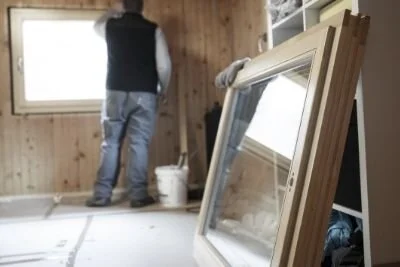
You may have been too busy to notice the slow damage that’s been happening to your widows. Wind, rain, and the occasional hailstorm—not to mention stones and debris from all the cars that drive by—can really take a toll on them. Your windows are your portal to the outside world, especially on days when you can’t go outside. Don’t let them be a burden! Know the five signs it’s time to replace your windows so that you can enjoy them for all they’re worth.
Visibly Damaged Windows
Your home’s windows are constantly exposed to wind, rain, and debris. Overtime, wear and tear can cause the glass or frame of your windows to crack, warp, or rot. Check for cracks and chips in both the glass and frame of your window. Sometimes these can be repaired, but often, you will need a full replacement. If your frame is soft, it may be a sign of dry rot and mold caused by too much moisture.
Windows that are too foggy and can’t be easily cleaned should also be replaced. It’s important to allow natural light into your house so you can enjoy it. If your house is near a lake, field, or other stunning view, you will want to enjoy the views. Keep your windows clean to avoid having to repair or replace them as often.
Drafty Windows
Drafty windows are most noticeable in the winter; they’ll cause curtains to billow and produce a whistling sound from all the wind rushing by them. If you still feel a breeze near a closed window, it could be coming from damage to the glass or frame of your window. While a draft is one of the signs it’s time to replace your windows, a window repair may be enough to solve the problem.
Windows That Won’t Close
A properly working window is important to your safety as well as your overall comfort. If your window won’t lock properly or is difficult to open, something may be hindering your ability to use it. You may need to replace your window when it isn’t functioning due to:
Poor installation
Rust around the lock and window frame
Failure with the sealing
Balance problems
Window Condensation
When your windows start to sweat in the summer and frost in the winter, it’s a sure sign they have lost their insulation. Poorly insulated windows allow the air from inside your home to escape. It’s typically due to failed weather stripping, possibly because of a crack in the frame or glass.
Pro Tip: If your energy bills are starting to rise, it could be a sign you need to have your windows replaced. Houses with poor insulation overwork their heating and cooling systems.
Noise
It’s great if you can hear birds through your windows in the morning, but it might not be so wonderful if you are woken up by the cacophony of a busy road or your noisy neighbor. Windows that are poorly sealed or poorly made can allow noise pollution into your home. Get double or triple pane glass insulated with Argon gas to decrease exterior sounds.
If you’re feeling uncomfortable in your home due to the temperature, noise levels, or rising energy costs, check your windows. They just might be the culprits. The main signs it’s time to replace your windows are that they are cracked, causing drafts, or have lost their insulation. New windows are a fabulous way to spruce up your home’s interior and exterior.
4 Reasons Your Tile Roof Might Start Needing Repairs Earlier Than Expected
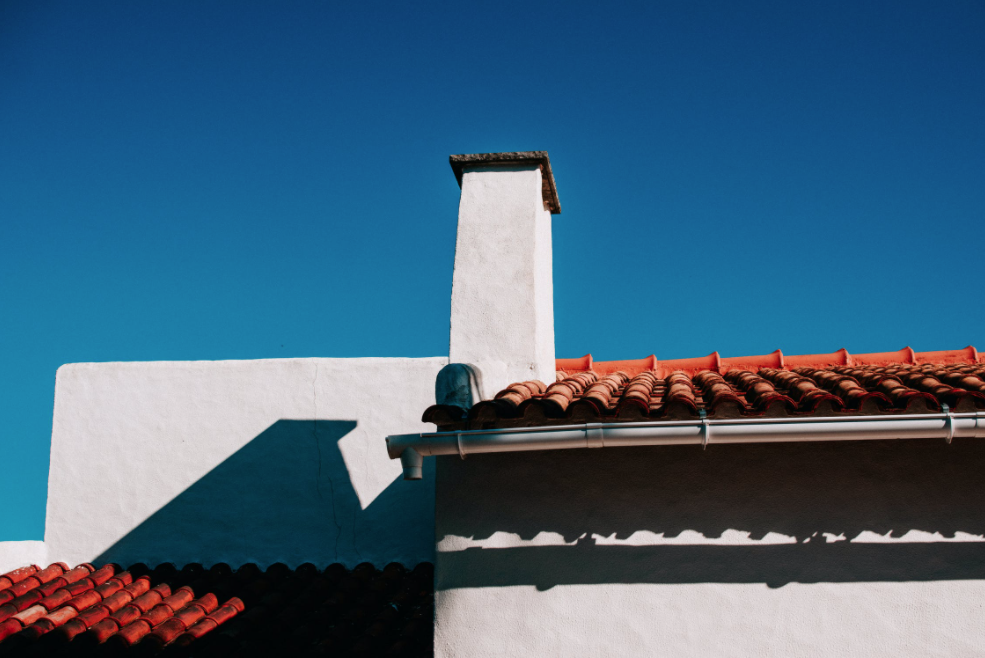
A good tile roof can last for decades under the right circumstances. Since roof replacement is a major investment, you should get your money's worth. When you choose quality products and experienced installers and use care in the years following your tile roof installation, you can avoid these four common reasons that a tile roof might fail.

A good tile roof can last for decades under the right circumstances. Since roof replacement is a major investment, you should get your money's worth. When you choose quality products and experienced installers and use care in the years following your tile roof installation, you can avoid these four common reasons that a tile roof might fail.
Poor Tile Roofing Product
High-quality materials simply last longer than inferior ones. Selecting tile roofing that is approved by the American Society for Testing and Materials (ASTM) is a good start. Because tile roofing is so popular, substandard foreign-made materials are becoming common. Cheaper products almost certainly mean a shorter roof lifespan and a greater chance of failure. Saving money now with bad tile roofing could mean replacement in just a few years.
Improper Maintenance
Inspection is key to good roof maintenance. You should check monthly for broken tiles and dried or worn-away sealants, which can cause leaks that compromise the roof underlayment. Even the best roofing materials can be compromised by hail, sun, wind, and falling tree limbs or other objects. If you notice changes in your roof or see something that doesn't look right, get a professional tile roofing company to have a look. Quick action can limit the cost of repairs and prevent early replacement of the entire roof.
Bad Installation
Likely the most common cause of tile roof failure is bad installation. Many roofing contractors are overworked and staffed with poorly trained people, especially if there has been a hailstorm or wind event in the area recently. Good installers use the right fasteners for the material and add sealants, leak barriers and ventilation as necessary, always following product maker guidelines and local ordinances. You should never trust a handyman or carpenter with your roofing job.
Missing or Corroded Flashing
Flashing is a thin metal channel that protects the most vulnerable areas of a roof where water is likely to run, such as the joint between two sections of roof or around the chimney and vents. When flashing is missing, poorly installed, or corroded, it can lead to roof failure and damage to the home. All valleys, hips, skylights, and chimneys should be properly flashed. No matter the type or quality of roofing material, an improperly flashed roof will fail. Flashing is inexpensive and easy to install when replacing a roof.
If you have noticed any of these issues, you need to get your tile roof fixed as soon as possible to avoid further problems like water damage, structural damage, and mold in your home. A tile roofing company can fix or replace the sections of damaged tile. As long as you choose a reliable company and high-quality products this time, your roof should be able to last for years to come.
A tile roof can dramatically improve the look of a home, especially if the product is of high quality and carefully installed. But like any roof, tile can fail over time due to poor installation, low product quality, or lack of maintenance. When you make smart choices and keep an eye on your roof, however, your tile roof can last for the life of your home.
Guest Post - Tips you need to know about wall paints before going through painting on your own
Watching paint dry won't do you any good, which is why we're going to cover the basics of applying paint and how to tell if the process is complete.
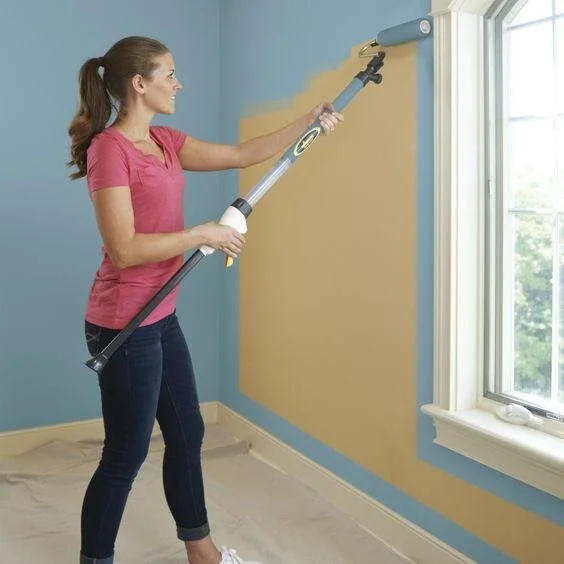
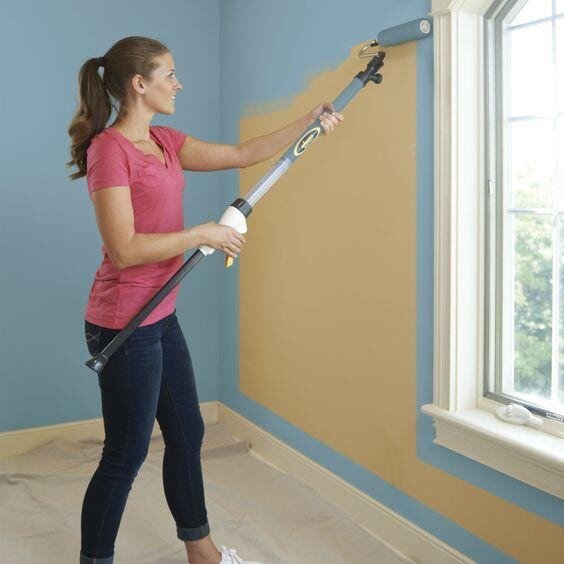
Putting a fresh coat of paint on the wall is a great way to refresh your living space and bring a little extra charm to it. While anyone can repaint their walls, it takes a bit of skill and know-how to do it properly and avoid making a mess. Many Australian homeowners start moving furniture or hanging photos on the wall before the paint is dry, which leaves stains and ruins the paint job.
It's crucial that you get the timing right before you start decorating your room again. Since the process may require multiple coats and primers, you have to figure out when each layer is dry before you can apply the next one.
Watching paint dry won't do you any good, which is why we're going to cover the basics of applying paint and how to tell if the process is complete.
How long does it take for wall paint to fully dry?
There's no simple answer to this question, as it depends on the primer or paint involved, as well as the conditions of the room.
If you use an oil-based paint, the wall will be dry to the touch within six to eight hours. However, you can only recoat it after a full day has passed. Latex paints set faster, becoming dry to the touch within an hour or so. You can safely recoat this type of paint within four hours.
Since there are many different brands and types of paint out there, your safest bet would be to read the instructions on the can itself. It should give you a rough timeline for how long it takes to dry and when you can add another coat.
Does paint dry better in heat or cold?
Using instructions on the paint can won't give you a definitive answer for drying time, as it also depends on the conditions in the room. The temperature and humidity will influence how long it takes and how well the paint will dry.
The temperature of the room has to be at least 10 degrees Celsius for the paint to dry properly. If it drops below this threshold, there's a chance that the paint will start cracking and that the layer will be compromised. If the temperature is well above 30 degrees Celsius, the paint won't bind to the surface well, leading to flaking and cracks within a few months.
Make sure that you avoid rainy days when applying a coat of paint, or try to keep the windows closed during this process. The optimal humidity for painting a wall is between 40 and 70 per cent.
How can I make my wall paint dry faster?
If you want to speed up the process, there are several ways to make the paint dry faster.
Don't apply heavy coats of paint on the wall immediately. Instead, use multiple light coats to cover the wall. Each individual light coat will dry faster than a single heavy coating.
Try to paint your room one wall at a time. Once you've finished the last wall, the first one will already be ready for a second coat, especially if you've only used light coats.
You can also use a hairdryer to take care of areas of the wall that seem to be setting too slow. As long as you set the dryer on a cold setting and keep it at least two inches away from the wall, it will speed up the process significantly.
What happens if you recoat paint too soon?
Plenty of Australian homeowners make the mistake of recoating paint before the previous layer has dried completely. If you're in a rush or aren't paying attention, the coat will become sticky once you apply another layer. In these cases, the layer below won't dry and you'll have what is known as “blocking.”
If both layers aren't too thick, you can wait a few weeks to see if the paint will dry properly on its own. Should the paint remain sticky after this time, you might have to start over. Instead of waiting it out and hoping for the best, you should consult professional house painters in Sydney to get the job done quickly. Those with experience will complete the paint job within days and make sure that the walls are fresh and ready for decoration as soon as possible.
Why is my paint not drying?
There are lots of reasons why your paint might not dry correctly. You might have added a few too many layers to the wall or used coats that were too thick and created a sticky layer. If the weather isn't optimal and you opened the windows too soon, the humidity or temperature might have affected the drying process. In Sydney, you have to watch out for weather changes before you start your paint job.
If the wall stays sticky or mushy after you've completed the paint job, you should probably start over anew. There's no reason to wait for the wall to crack or lose its colour over the next few months if you know that the paint hasn't set correctly.
When you start painting the wall again, make sure you follow the exact instructions on the can and work with a little more patience. Rushing the job will only increase the risk of mistakes while taking your time will guarantee that you'll create the perfect paint job.
Conclusion
While painting a wall might seem like a simple and straightforward task, the reality is far from it. You have to pay attention to a myriad of factors that can make or break your paint job. If you aren't careful, you can end up with a mushy layer of paint that will crack after only a few months. It's a job that you might be able to DIY with some care and luck, but it's recommended that you hire professionals. They can complete the process without hassle and produce near-perfect results every time. To save yourself the trouble of worrying about ruining your furniture or walls, consider using professional painters for your home.
Author Bio
My name is Grace Wilson. I’m a 27-year-old biotechnologist and kind of a bookish girl. Surfing the Internet is my favorite, that’s why I’ve turned into blogging. Following the healthy mindset and lifestyle is what I consider as my life principle. If interested, follow my twitter.
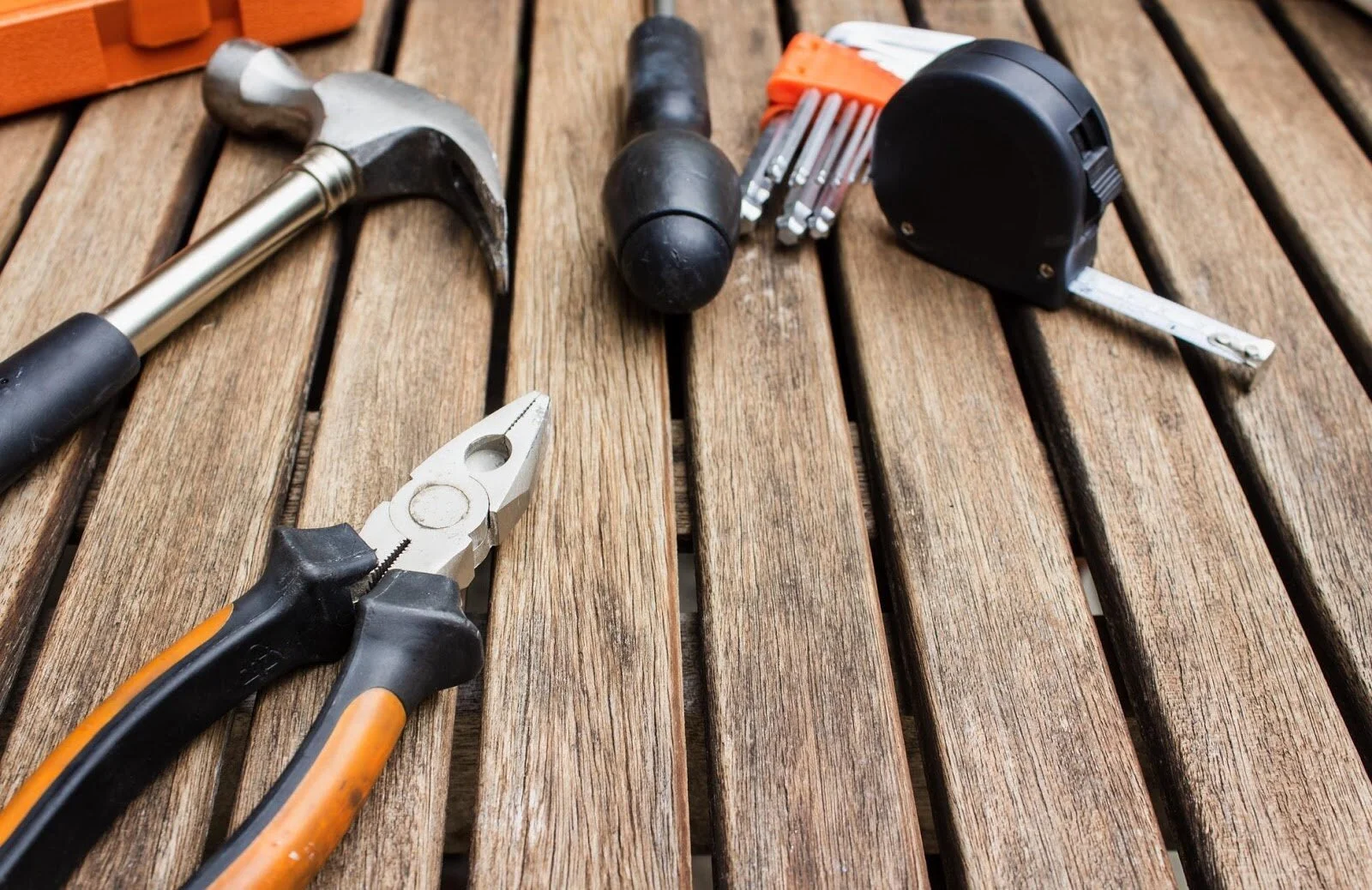
Home Improvement Projects: When to DIY and When to Hire a Pro
Home improvement shows often make it easy to believe that anyone can turn their home into a designer’s dream with a couple of weeks of work, a tool belt, and a video or two. However, the reality of the situation is that even with committing to blood, sweat, and tears, sometimes doing it yourself is just not worth it. The last thing you want to do is pour all that time and effort into a project only to find you have to call a professional to fix a job that you botched.

Home improvement shows often make it easy to believe that anyone can turn their home into a designer’s dream with a couple of weeks of work, a tool belt, and a video or two. However, the reality of the situation is that even with committing to blood, sweat, and tears, sometimes doing it yourself is just not worth it. The last thing you want to do is pour all that time and effort into a project only to find you have to call a professional to fix a job that you botched.
Considerations Before Making Your Choice
Before you decide to take on the next project yourself, let’s take a look at some factors that will help you decide if this is a true DIY project or whether you’re better off hiring a professional.
Take Your Own Safety Into Consideration
Can you perform the task safely? This question isn’t specific to skills — you need to make sure you have the proper equipment, as well. Before you begin to take on a home improvement adventure, you should always determine the possible liabilities involved so you can take whatever safeguards are needed to make certain that no one’s health may be compromised. If you can’t be 100% sure that you and your helpers can tackle the project safely, then hiring a professional is definitely the right plan of action.
Be Realistic About Your Skill Level
It is great to be able to save cash on home renovations by doing it yourself! If you don’t know what you are doing, however, it can end up costing more than it would to hire a contractor to do it for you. Before you commit to handling a project, do some research to see what skills are needed to get the job done to its completion. Then ask yourself if this project is really something you have the skill to do on your own. If you don’t have the expertise to take it on, then hiring someone who is experienced at the task is a smarter idea.
Investing Your Time and Money

When you hire a professional, you can sit back and do something else instead of using your own time. The trade-off is that instead of costing you time, it will cost you money. If you have the skill to do the job, then the next question is to ask yourself what you’d rather spend: time or money?
Many are motivated to try their hand at DIY home improvement in the hopes of saving money. While you can save money doing many projects yourself and buying second-hand tools or supplies, it doesn’t always end up that way. Contractors are often able to get better deals on materials and they probably have all of the tools already on-hand. If you have the time and skill but lack the tools, find out how much it will cost you in tools and materials to see if you’ll really save on cash.
If it turns out to be cheaper to do it yourself and you decide to do the task yourself, consider putting the project on your calendar. This will help you plan and manage your time so you don’t put it off or let it slip through the cracks.
Choosing the DIY Approach

If you have considered all the important factors and decided a DIY approach is a reasonable option, there are many reasons to make it your final choice! Perhaps it’s not about the time or money and you just want to learn a new skill. A DIY home improvement project may require you to watch videos about how to install a tile backsplash, or read about the different types of stain for your deck. If you are willing to learn how to execute a task properly, doing it yourself might be the right choice.
Another time that it makes sense to DIY is if you truly enjoy the type of work that needs to be done. For example, if woodworking and painting your recreation room are pleasurable activities for you, it seems appropriate to handle similar jobs around your house. You may even find the process of doing the job itself is as enjoyable as seeing the final result.
When is it Better to Hire a Professional?
Sometimes, it doesn’t make sense to DIY a project. Let professionals do jobs that would be expensive to fix if they aren’t done correctly. When you work with a reputable contractor, they warranty their work so you are protected from any property damage if they make a mistake. You should also leave it to the professionals if your home renovation requires a permit or it might impact the structure of your home.
Are you planning on selling your home immediately or in the next few years? This is another time when you should be cautious about DIY projects. Buyers expect that they’ll need to paint, but fixing a botched floor installation may be enough to keep them away. This is a time when you want new projects to look professional rather than “good enough.”

