

A resource for those seeking information on organizing and transforming spaces.

4 Signs It's Time to Replace the Roof on Your Home
Your roof plays an important role in your home. It prevents water damage and keeps your home insulated. To ensure it continues to perform those functions, it needs to be kept in good repair. Here are four signs that indicate the roof needs to be replaced

Your roof plays an important role in your home. It prevents water damage and keeps your home insulated. To ensure it continues to perform those functions, it needs to be kept in good repair. Here are four signs that indicate the roof needs to be replaced.
Missing Granules
If you've ever seen your roof glimmer under the sunlight, then you've seen its granules. Over time, those granules can be worn away. Some may even be ripped off from the shingles. They help the roof reflect the heat and radiation of the sun.
Once the granules start to disappear, you know it's time to replace the roof. You may find the granules in your gutter or along the edge of your roof if they're not washed away.
Warped Shingles
One of the most obvious signs that you need residential roofing is when your shingles start to warp. This is also a sign that your roof may have experienced water damage. When water manages to get under the shingles, it pulls them up from the base of the roof. You'll need to have them replaced quickly in order to stop the spread of water damage even further.
Sloping Roof
If you notice that your roof is starting to slope, then you have a serious problem on your hands. A sloped roof indicates that water has damaged some of the structural components on your roof. The entire roof needs to be replaced, and the damage needs to be inspected. This is a problem that can't wait to be fixed. The sloping will only become worse. If you wait too long, then your roof may collapse on your home. You'll have far more damage to deal with than just water damage at that point.
The Date Says So
You should inspect the receipts from the last time the roof was replaced. If it's been longer than 10 or 15 years, then it may be time for a replacement. Most shingle roofs are built to last for only 10 or 15 years. Metal roofs can last twice that amount of time. A new roof can keep your home better insulated and safe from water damage.
While it may be an annoying repair, a roof replacement is always worth it. It can make your house appear younger, keep your energy bill down, and ensure your family is safe. Schedule your roof replacement today and enjoy its benefits.

Guest Post - Most Important Things To Consider For Skip Bin Hire

Starting from industrial sites to residential places, skip bins are used widely in different areas where wastes are generated. These open-topped bins can be hired for a couple of days during which you can dispose of the waste and then wait for the removal. At the end of the hiring time, the wastes will be taken to the management facility where they will be sorted. Once this process is complete, the bins will be returned to the company, ready for a new hire.
With the increasing demand for skip bins, several companies have introduced skip bin hire facilities to ensure that one can properly dispose of the waste. Presently, your options are endless, and you can choose the perfect bin from any company in your city. But that is where the main problem lies.
With so many options, it is difficult to choose the bins. If you are getting the wrong one, wastes will not be disposed of easily and hence, you will encounter the same problems for which you had to hire the bin services in the first place. Therefore, here we will talk about the factors that will affect your bin choice and help you in getting the best and the most appropriate one.
Choose The Proper Bin Size As Per Requirement

Your first task will be to understand what size of the skip bins you required and then you can discuss your requirements with the skip bin hire services. Not everyone has the same size requirement. For example, for a simple garden or home renovation, you will need a medium-sized skip bin. But if we are considering a construction site or a healthcare facility, large size will be needed. So, based on the type of business you are dealing with and the estimated amount of waste to be generated, you need to select the perfect bin size. If you do not have any idea, then you can contact your nearest skip bin hire services to choose the best one.
Learn More About The Different Skip Bin Types
Several bin types are there in the market that you can get for your business. Based on your requirement and the type of waste generated, you need to select the ideal bin type so that waste disposal can be done perfectly without any hassle. For example, if you want to dispose of the hazardous wastes, the skip bins will be of one type while for removing the construction and garden wastes, you need to choose another bin type. So, be very certain about the type of skip bin hire while you are selecting the waste container.
Discuss The Costs With The Bin Company

To be very honest, skip bins do not come at a small cost. These bins are costly, but the expenses will depend on several factors. So, the total expenditure would not be the same for every person. For example, let us say for one contract, you want to hire the bin for three days. So that will roughly amount to about $150. But, for the next contract, you will need the skip bin hire service for six days. So, in this case, you will have to pay about $300. So, you can ask for the quote from different skip bin hire services and compare their prices to choose an affordable option.
Before you finalize the skip bin hire with the concerned company, it will be beneficial for you if you discuss the entire waste disposal process. You need to ask whether the company dispose of all the collected wastes as per the compliance and regulatory standards of the state or not.
Author Bio: Alyssa Moylan is an ordinary woman from Australia, a writer by day and a reader by night. She writes on various topics like home improvement, business, lifestyle, health, travel and fashion. She likes to think of ways on how to solve daily life problems of people. Follow her on Twitter to stay updated.
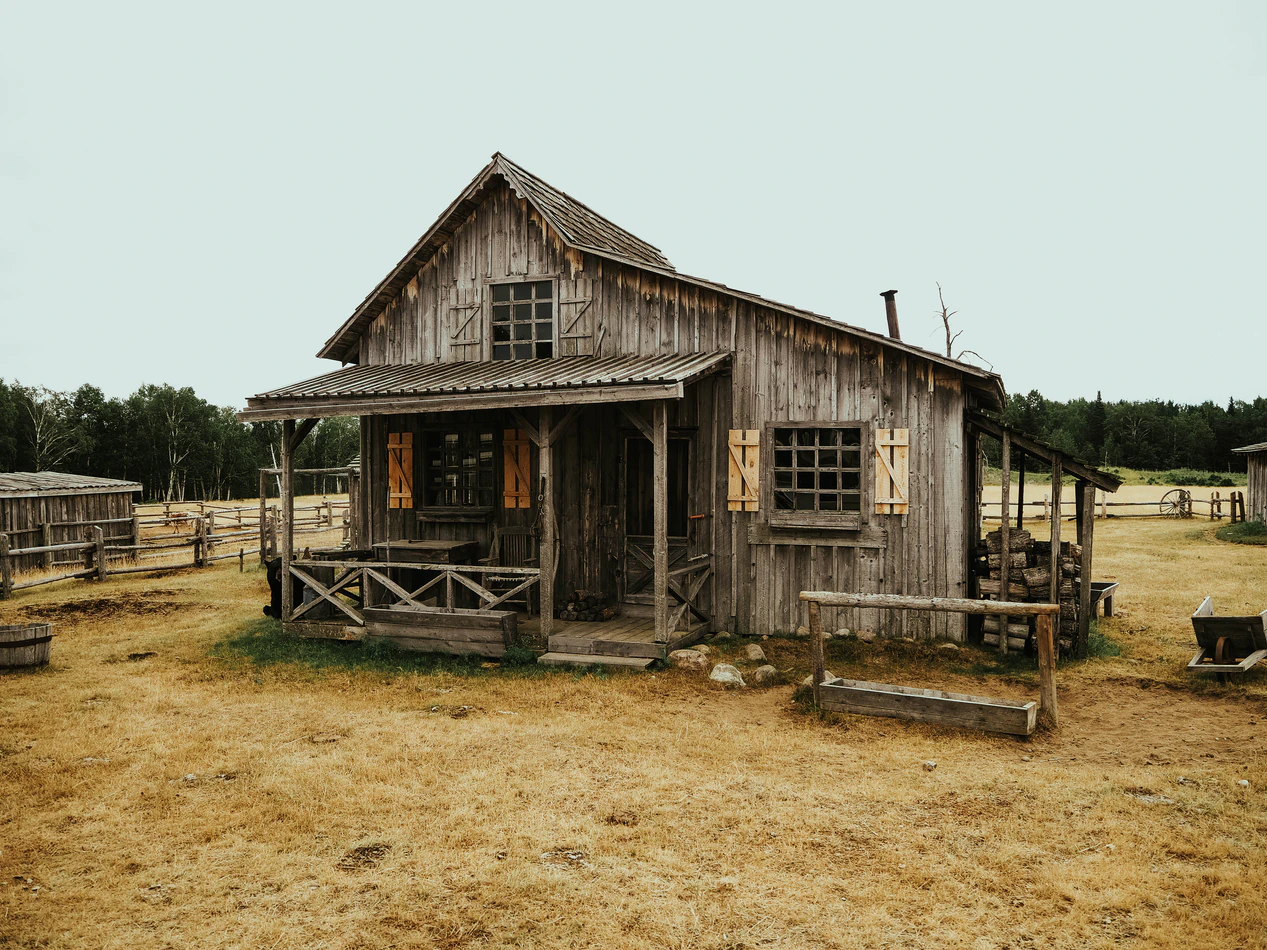
6 Things To Check Before Buying Your First Fixer Upper
Tune in to almost any HGTV show and you’ll see episode after episode of people flipping houses and making some serious bucks. You can make a pretty penny by taking a run-down property that no one on the market wants and turning it into someone’s dream home.
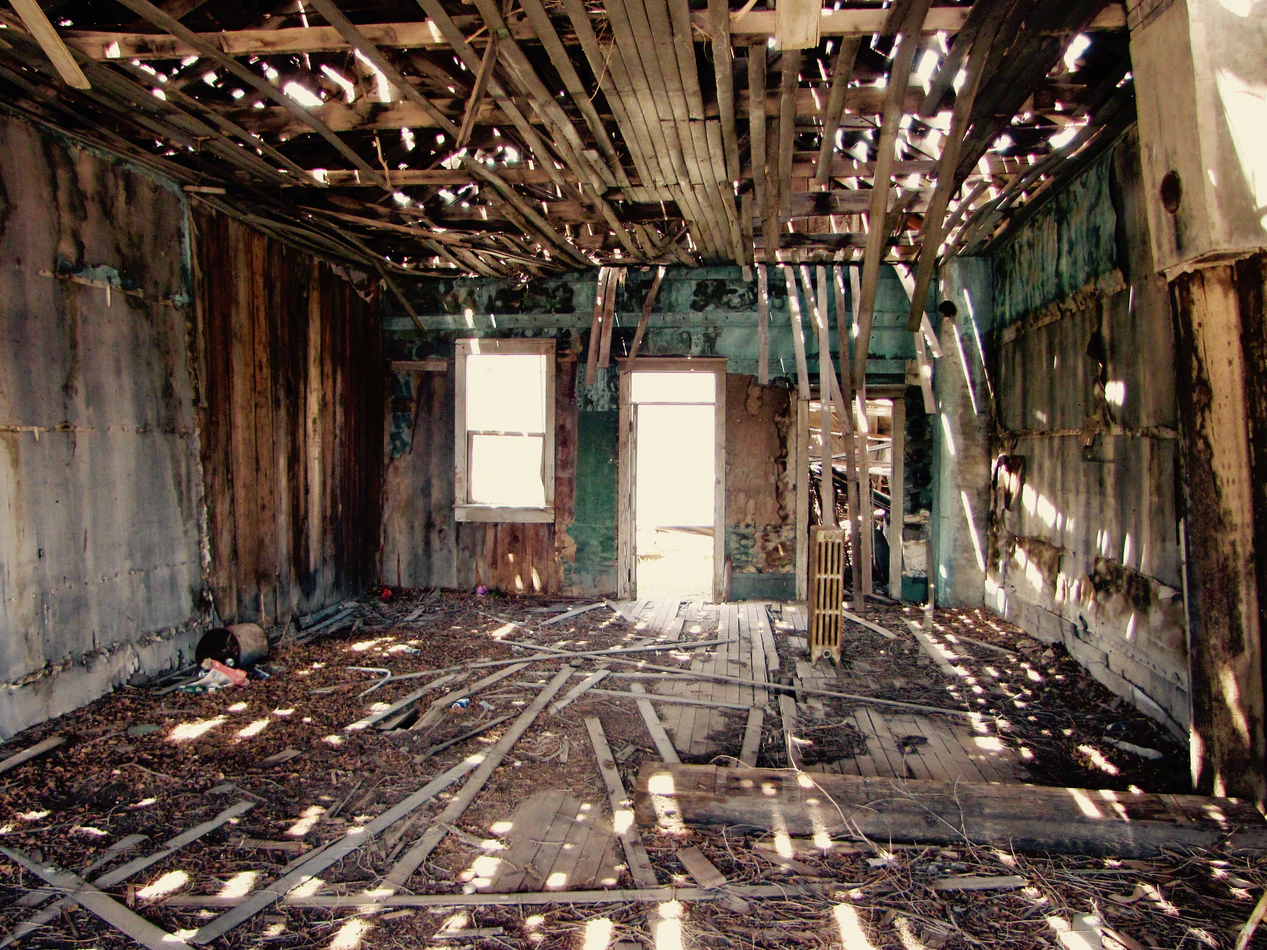
Tune in to almost any HGTV show and you’ll see episode after episode of people flipping houses and making some serious bucks. You can make a pretty penny by taking a run-down property that no one on the market wants and turning it into someone’s dream home.
But before you sign your name on the dotted line, there are a few things in your fixer-upper home you need to check. Here are six common problem areas in old houses that could make flipping it for a profit more costly than you’d first think.
The Roof
Replacing a leaky and deteriorating roof can be one of the most expensive renovations for people who want to flip a property. Roofs usually last up to 25 years before they start to break down—if your fixing up an old home, you’ll want to check how old the roof is and when the last roof inspection was done. If you buy a home with a damaged roof, you can spend on average up to $40,000 for a new roof.
Some signs your potential fixer upper will need extensive repairs include:
Loose or missing shingles
Smooth shingles
Curled shingles
Moisture in the attic or ceiling
Cracked or rusting flashing
You’ll also want to see whether or not the current homeowner’s roof warranty will transfer to the new owners after the purchase—some people assume it automatically does but that’s not always the case.
The Plumbing
Water damage is one of the worst issues that potential homeowners can find in their prospective property since it’s hard to tell just how serious the damage actually is at first glance. If there is a significant plumbing leak, a clogged pipe and plumbing vent, or overflowing drains, there could be a much more serious issue with the home’s entire plumbing system. It could cost thousands of dollars to fully replace the faulty plumbing, leaving you in the red for the rest of the renovation.
Make sure your home inspector or plumber checks for these common plumbing issues:
Broken thermostats
Rusty pipes
Clogged sewer line
Polybutylene or polyethylene piping
Galvanized pipes
Sediment build-up
The Flooring
One of the first things home inspectors do is search for signs of wood rot and insect damage. Carpenter bees, carpenter ants, powder post beetles, and termites destroy wood, making the flooring structurally unsound and can force new homeowners to cash up for entirely new flooring if they buy before having it carefully inspected.
Prospective buyers can quickly inspect the flooring by using their feet to detect any weak, soft spots in the wood—this is a clear indication that there is internal structural damage. If there is also a moldy or musty smell coming from the flooring, this could also be a sign of wood rot. The National Institute of Certified Floorcovering Inspectors can inspect your floors before you buy to make sure there aren’t serious issues that could be dangerous in the near future.
Gas
The U.S. Environmental Protection Agency (EPA) recommends that all homes be tested for radon—a radioactive and carcinogenic gas that is difficult to detect since it’s colorless, odorless, and tasteless. Even if the home has been tested for radon in the past, it’s a good idea to do another test before you close any deal. The test results only take a couple of days to be processed and can make your entire renovation happen without having to worry about faulty gas pipes leaking noxious gas into your home.
Asbestos
Fixer-upper homes are often built before 1980—making the presence of asbestos extremely likely. Asbestos was a common home insulation material for many years until it was found to be hazardous to human health. Even old floor tiles, paint, and roofing materials were made with asbestos. Thankfully, asbestos is only harmful if it’s released into the air, so undamaged asbestos doesn’t pose a threat.
Home sellers can still sell a home if it has asbestos, but they need to fully disclose it before selling or else they run the risk of being sued. If you’re considering buying a home that has asbestos, you can remove it, but most home inspectors recommend simply containing it rather than fully removing it and risking it becoming airborne.
Electrical Wiring
Problems with a home’s electrical distribution system is the fourth most common cause of home fires. It’s important to check a house’s electrical wiring before buying a home—if there are significant safety issues it could cost upwards of $30,000 to rewire the entire home depending on the size of the house the extent of the repairs. At that point, it may be more cost-effective to keep searching for a different property.
Some common electrical concerns to have checked by a home inspector or electrician include:
Exposed wiring and splices
Painted outlets
Improperly modified electrical panels
No GFCI (ground-fault circuit interrupter) protection
Aluminum wiring
Reversed polarity
Double-tapping of circuit breakers

8 Common Water Leaks at Home and How to Fix Them
A water leak can be one of the most serious problems in your plumbing system if left neglected. Many homes right now are vulnerable to water loss and a higher water bill because of unnoticed leakage. It may seem that a simple leak will not harm your home, however, it can lead to bigger problems in the future. This is because a water leak can seriously damage the structure of your home, at the same time, stimulate an unfavorable bacterial or fungal growth leading to illness.

A water leak can be one of the most serious problems in your plumbing system if left neglected. Many homes right now are vulnerable to water loss and a higher water bill because of unnoticed leakage. It may seem that a simple leak will not harm your home, however, it can lead to bigger problems in the future. This is because a water leak can seriously damage the structure of your home, at the same time, stimulate an unfavorable bacterial or fungal growth leading to illness.
As long as the water is contained in pipes, your home can run efficiently as it should be. While some leaks are discoverable such as dripping faucets and showerheads, unfortunately, many leaks are undetectable because of your complicated pipework. Moreover, water can also seep into the cracks of your bathroom walls or ceiling. Thus, when it comes to water leakage, you need to know the basics so that you can protect your home from potential damage. Luckily, there are ways to prevent such leaks in your home, and one of them is to take advantage of a waterproofing system, especially bathroom waterproofing. Your local plumbing service can do the job for you.
1. Advanced Pipe Corrosion
No matter how expensive your piping system is, it is a fact that pipes can eventually deteriorate and wear out. In the long run, corrosion will damage your home’s piping system, creating little crack for water to seep out. This can usually happen in homes that have already existed for decades. To prevent this leakage, you need to check for discoloration in your pipes. If this happens, you need to seek the help of a professional plumber. Likewise, if the pipes are already old and too corroded, a new piping system must be installed immediately.
2. Seals Your Water Connectors Are Broken
Seals are placed on water connectors when you installed appliances in your home. Wear and tear is one reason for broken and damaged seals, hence, resulting in water condensation on or near your appliances.
3. Clogged Drain Lines
Clogged lines can be very problematic especially if you find yourself caught in a bursting pipeline. This is usually caused by air obstruction in your drain pans or your gutter. In this case, you need to make sure that your HVAC system is clean and gutters free from clogs in order to save your home from damage.
4. Damaged Pipe Joints
Damaged pipes are also one of the things that you need to consider fixing or replacing. Over time, pipe joints become prone to deterioration which will eventually cause leaks. The problem with pipes is that they are not easy to check because most of them are either installed underground or between walls. Moreover, you will know that your pipe joints may have become damaged because of a ticking sound coming out whenever you turn on the shower. To prevent this, seek the assistance of your local plumber to check your piping system once a year.
5. Loose Water Connector
Leaks are also caused by loose water connectors between your appliances and water supply. This can usually happen in appliances such as washing machines and dishwashers. For instance, a loose connection between the water hose and the dishwasher may result in water flooding your floor. Similarly, a loose water connection can also happen while using your washing machine. If you are seeing water puddles near your appliance, there is a big chance that you have a water connector leak. Hence, it is important to check for loose connections before using your appliances in order for you to prevent water loss.
6. High Water Pressure
You should always remember that excessive water pressure can damage your pipes. With constant pressure, water will eventually seep out and cause leaks. Furthermore, because pipes have a pressure threshold, your pipes may potentially burst, and you might end up paying a large amount of money for the repair and replacement. If you are having doubts or suspecting any concern about your water pressure, contact a professional to check your water system.
7. Water Supply Line Leaks
The main water supply line is also prone to leakage. It is almost impossible to check the pipes because they are buried underground. However, you first check your meter if its box contains water. If this is not due to rain or an irrigation source, then this is an indication of water leakage. This happens when the leaking water travels between pipes and back to the meter. Moreover, water leakage from the supply line may enter your house and cause flooding. In this case, you should refrain from fixing your main water supply leakage. Instead, call a professional for a complete repair.
8. Incorrect Pipe Laying
Homeowners must be very meticulous when it comes to the installation of a piping system. Incorrect pipe laying is a serious cause of any water leak and must be fixed by a professional plumber. Fixing the pipes on your own might lead to costly repairs and replacement.

