

A resource for those seeking information on organizing and transforming spaces.
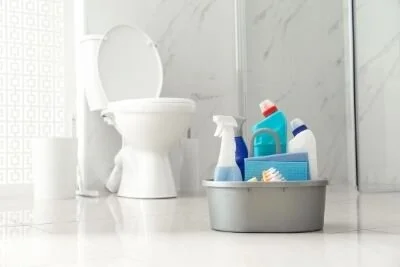
How To Keep Your Bathroom Spotlessly Clean
Have you ever found yourself staring at your dirty bathroom and wondering where to start? We’ll teach you how to keep your bathroom spotlessly clean.
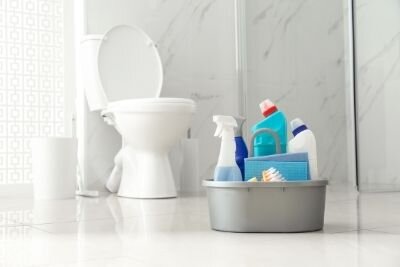
The bathroom is one of the oft-used rooms in your home that, somehow, gets dirty faster than all the others. Mere days after wiping everything down, you probably find yourself asking, “How did this sink get so grimy? I could have sworn I just cleaned it.” Cleaning a bathroom is certainly an ongoing job, but it’s a job that needs to be done and should be done well. To make your life a little easier, here are some tips for how to keep your bathroom spotlessly clean.
Clean Every Surface
In a bathroom, you must regularly wipe down basically every surface, including counters, mirrors, showers, and toilets. On most surfaces, like countertops and showers, a general bathroom cleaner and a soft cloth or disinfectant wipes will get the job done. For mirrors or glass shower doors, you’ll want to use a glass cleaner that won’t leave unattractive streaks. Scrub toilets with disinfectant toilet bowl cleaner and a toilet brush, then wipe down the outside with disinfectant wipes.
Tackle the Big Jobs
Inevitably, you’ll encounter a few bigger jobs while cleaning, like stubborn hard water deposits or mildew that has sneakily grown on the inside of your shower curtain. For these types of jobs, you’ll usually need something stronger than everyday bathroom cleaner—use either a heavy-duty bathroom cleaner specifically for that purpose or a solution that includes vinegar, which will break down tough stains.
Eradicate Excess Moisture
Have you ever noticed mold or mildew growing on your sinks, shower curtains, or even the walls of your bathroom? This is because bathrooms, especially full bathrooms with showers, notoriously accumulate tons of moisture. To get rid of excess moisture, turn on the exhaust fan in your bathroom every time you shower. That way, you won’t have to deal with getting rid of mold, mildew, or peeling wallpaper down the road.
Stay On Top Of Cleaning
Once you’ve done all that hard work to clean your bathroom, make sure you stay on top of cleaning it, so it actually stays clean. Now that you know how to keep your bathroom spotlessly clean, you should be able to do so easily! Make a cleaning schedule and perform smaller tasks, like wiping down surfaces and cleaning the toilet, regularly. Performing tasks like these daily or weekly will keep your bathroom cleaning from becoming a huge, day-long chore.
Keeping Your Plants and Garden Clean and Healthy
Like anything else around your home, plants must be clean to look good and thrive. Here are some tips for keeping your plants and garden clean and healthy.

It’s time to think about getting back to the land—namely, the plants around your home. Plants grant a fresh, natural beauty to your home while providing plenty of fresh air. But while they seem independent, they need your help to look good and thrive. Give your indoor and outdoor plants a makeover! Here are tips for keeping your plants and garden clean and healthy.
Spring Cleaning! But Wait...
If you garden, you probably get the hankering to pull weeds, trim plants, and turn over the soil on the first pleasant day. Resist the urge. Hundreds of species of insects—including bees, caterpillars, ladybugs, and others—are hibernating in your garden’s soil and plants. Let the temperatures linger around the 50-degree mark for a week before you start digging and cutting. Give all those wonderful pollinators and pest-eating bugs a chance to wake up! When you start cutting, consider leaving the trimmings off to the side for a few days before disposal, just in case any are still napping. Hold off on mulching until the ground dries up a bit so as not to trap any bugs that can help your garden grow.
Clear the Way!
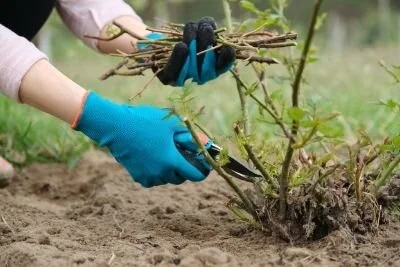
When it’s time to clean up, make sure you remove any leaves that have fallen into your garden. You should remove dry leaves in fall, of course, because they can collect, get damp, and permit the development of harmful plant diseases that can hurt new growth in the spring. Likewise, remove any winter mulch you laid down in the fall. Look at shrubs, bushes, and similar plants and inspect them for damage. Clip off the damaged parts to prevent insect infestation or disease. Pull all the dead annual plants, and trim away the dead parts of your perennials. Slip on your gloves, pull the weeds that are starting to pop up, and trim the edges of your garden against encroaching grass. It’s a tough job, but it all pays off at harvest time—plus the wet, post-melt soil makes it all easier to do.
Another way to prevent insect and pest manifestation from running over your plants is by using nets as protection or fence. This will also discourage birds from roosting too close and feeding on your plants or creating nests.
Indoor Plants
When keeping your plants and garden clean and healthy, don’t forget the ones inside. If you maintain an indoor garden through hydroponics, you already ensure your system is clean and runs efficiently, protecting your crops from disease and more (and if you don’t, you really should). However, it’s easy to overlook potted plants. After all, they’re like furniture—they’re beautiful but blend into the background. Even so, they need more than the occasional watering. Gently dust them with a soft-bristled brush or toothbrush, and wipe down larger leaves with a wet cloth. Handle them with care, and don’t use cleaners that can prevent the plants from breathing. Trim dead leaves and stems, and clear the pot of any dead matter that can attract insects and promote mold or mildew growth.

How to Seal Your Home’s Basement and Foundation
Poor or insufficient basement and foundation waterproofing could result in some waterproofing issues. If not correctly fixed, water leakage may lead to many damages. You might be trying to apply products or coats to seal your basement while the main issue is with your outer walls. Below are some tips that may guide you to seal your basement and foundation.

Poor or insufficient basement and foundation waterproofing could result in some waterproofing issues. If not correctly fixed, water leakage may lead to many damages. You might be trying to apply products or coats to seal your basement while the main issue is with your outer walls. Below are some tips that may guide you to seal your basement and foundation.
Dig Around
For you to properly seal your basement and foundation, you might need to dig around your outer perimeter down to your base foundation. To complete the waterproofing process successfully, make sure that you apply the correct product over your wall. Then have drainage gravel, tiles, or perforated pipe, crushed stone drains, and other recommended materials fixed below or at your basement area. Following this installation, the discharge will be via mechanical means or gravity into the primary drainage system.
Use a Membrane
Have a waterproofing membrane installed. An asphalt polyurethane material is usually sprayed or troweled on your wall. This helps you seal your basement and foundation from leaking. The elastomeric membrane is a heavy membrane coat (asphalt modified) that will help you seal your basement and foundation successfully.
Additionally, elastomeric membranes have the advantage that they can move and flex; hence, they can afford to accommodate new cracks when they occur. It would be wise if you apply a waterproofing product as it yields great results.
Inspect for Cracks
After the excavation work, clean your basement wall and inspect cracks or areas leading to leakage. Once you identify this problem, use hydraulic cement to seal your basement or foundation from leaking. Most hydraulic cement has a curing property, and hence it will expand to seal the cracks, thus reducing leakage.
Apply Sealant
To all your exterior walls, apply a cement-based sealant coat to seal your foundation as well as your basements. Generally, sealant cement is relatively easy to use, and you can apply it over masonry and concrete surfaces. Once you apply it, it will harden and seal the concrete openings. Some hairline cracks could have gone unfixed when applying hydraulic cement, this process will help you seal them up.
Install a Drainage Mat
To seal your home from leaking, have a dimple molded drainage mat installed. The process uses materials that have air gaps between themselves and your basement, allowing moisture to travel through the main drainage structure. However, you should ensure you install the drainage mat within your foundation depth. Also, it helps ease horizontal force against your foundation.
Finally, you can have a weeping tile installed below your basement floor, usually for easy maintenance purposes. For all your basement and foundation waterproofing services, be sure to call or visit us today.

How to Choose What Kind of Fence Material to Use for Your New Home's Yard
While a fence offers better security and privacy, the material of the fence can determine just how well it does its job. There are a few main types of fencing material. Here's what you need to know about each one to help you determine which is best for your needs.
We partnered with a home improvement company. for this post. The opinions in the post are honest. All reviews and opinions expressed in this post are based on our personal views. We are excited because we know you will love it.

While a fence offers better security and privacy, the material of the fence can determine just how well it does its job. There are a few main types of fencing material. Here's what you need to know about each one to help you determine which is best for your needs.
PVC
A common type of fencing used around pool areas is PVC. This is a type of plastic fence that is durable and holds up well against water. That makes it a great choice for pool areas or in other areas frequently exposed to water. The rigid plastic also holds up well against damage. Because PVC is white, it can sometimes start to become stained. This can make it look older than it actually is. However, if you take the time to clean it, your white PVC fence will look fantastic for years.
Steel
If you're interested in durability and longevity, then you may want to consider a steel fence. Like all steel products, a fence made of steel will last for years without any problems. It holds up well against physical abuse which makes it a great choice for security or perimeter fences. It also looks fancier and upscale than other materials. If you want an ornate gate that won't twist or deform under the powerful sun, then steel may be right for you.
Wood
A classic fencing material is wood. This type of material is commonly used for privacy fences. The thick panels can be pressed together to remove any gaps for nosy neighbors to peek through. Wood can also be stained a certain color to complete an outdoor aesthetic that you have in mind. Unfortunately, wooden fences don't last as long as other materials. Even sealed wooden fences will eventually start to erode when exposed to water. They may also start to warp or bend when soil erodes.
Aluminum
One final fencing material to consider is aluminum. This has many of the same qualities as steel or PVC but doesn't have a risk of becoming corroded. Aluminum also looks lavish and can make your pool area appear more luxurious. Aluminum is not as strong as steel, however, and may eventually succumb to physical abuse. Though regular or decorative aluminum fences are not as strong as steel or wrought iron fences and are prone to cosmetic damage, they are a more sustainable choice if you don't want to spend too much on maintenance.
Based on the information above, you should be able to choose the fencing material that matches your needs the most. If you want better security, then you may want a steel fence. For better privacy, then you may want wood or PVC.

