

A resource for those seeking information on organizing and transforming spaces.
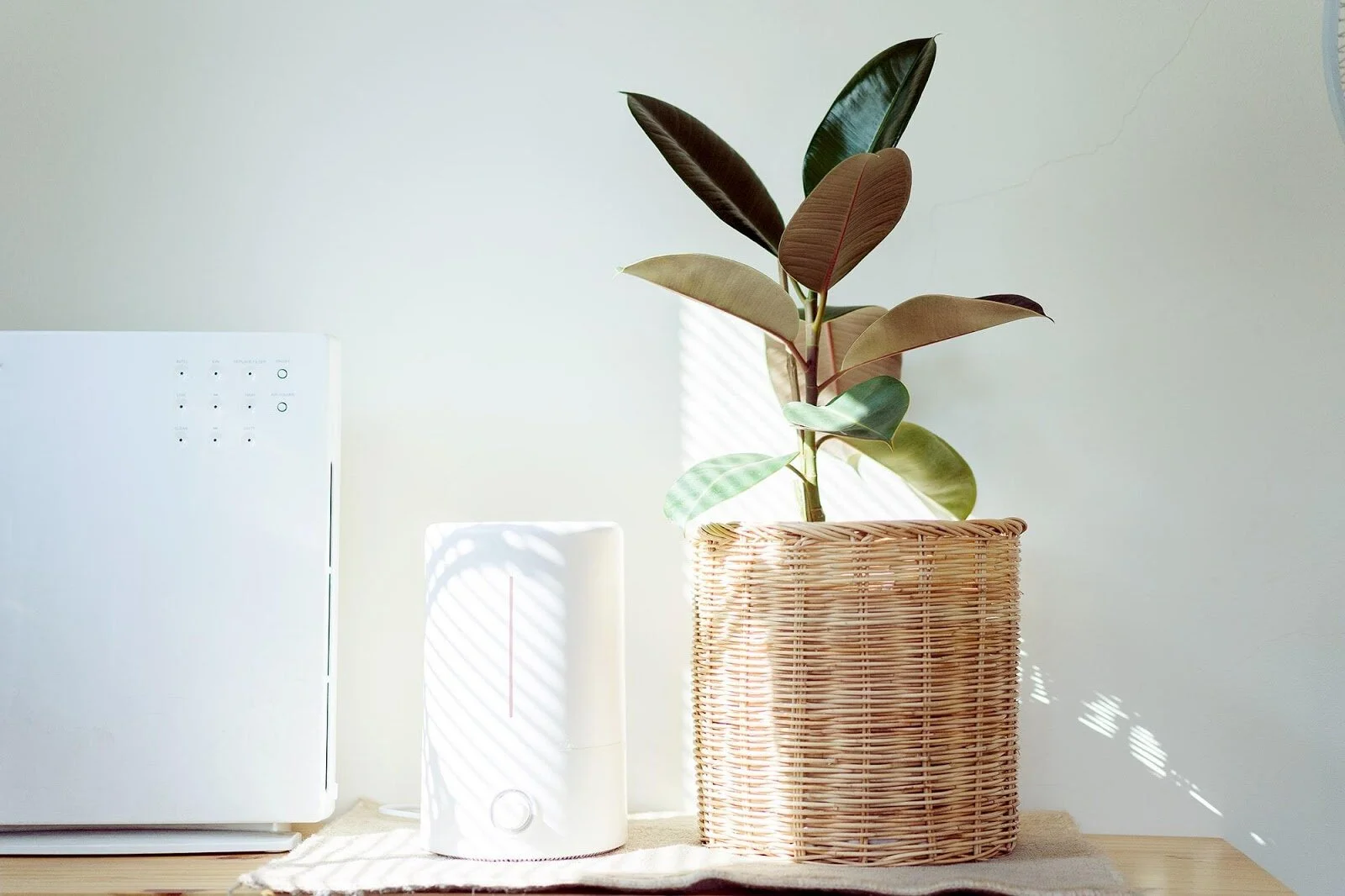
Air purifiers: What you should know about them despite the lack of scientific evidence for their health benefits
If you've successfully sealed your home for energy savings, give yourself a pat on the back. It's a good idea to keep drafts out of the house to save money. What's the snag? Pet dander, smoke, dust mites, mold, and other irritants can be trapped in a tightly sealed home, causing respiratory problems.
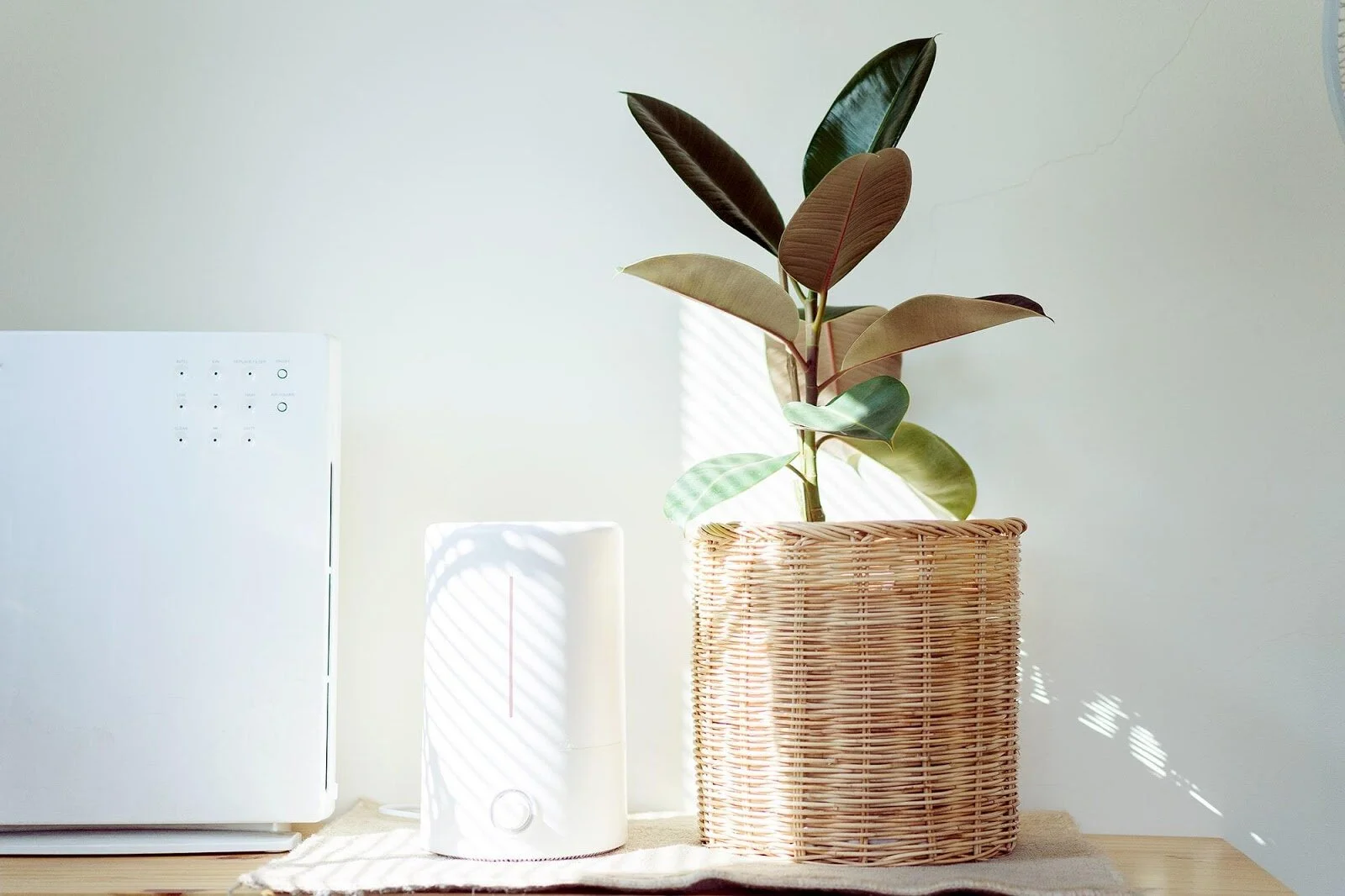
If you've successfully sealed your home for energy savings, give yourself a pat on the back. It's a good idea to keep drafts out of the house to save money. What's the snag? Pet dander, smoke, dust mites, mold, and other irritants can be trapped in a tightly sealed home, causing respiratory problems.
An air purifier is one potential solution. According to manufacturer figures, about one in every four U.S. households owns a portable indoor air purifier, which includes those that come packaged with a fan, says Perry Santanachote, home editor at Consumer Reports. This is unsurprising. Manufacturers make "remedies" for us to purchase or, at the very least, buy into as indoor air quality becomes a problem for consumers. Is it, however, worthwhile to invest in an air purifier?
“Air purifiers can be helpful in avoiding allergens, but they aren't a panacea,” says Manav Singla, an allergist, an immunologist with MedStar Health locations in Maryland. “I don't tell any of my allergy sufferers to get an air purifier, just as I don't tell them to put hardwood floors in their homes.”
Air purifiers can work best for people with animal allergies who own a dog or cat or who leave doors and windows open because they remove airborne particles like dander and pollen. Since dust mites live in carpet and bedding, they are ineffective for those who are allergic to them.
The evidence for the effectiveness of air purifiers is mixed. The American Academy of Allergy, Asthma, and Immunology conducted a review of research on eight asthma interventions, including air purifiers, in 2018. “Despite a large evidence base spanning decades, the evidence base as a whole is inadequate to support concrete conclusions about the efficacy of many commonly used products and strategies for enhancing patient outcomes by reducing environmental allergen exposure,” it concluded. It also advocated for further testing.
According to a 2010 study by the academy, “the primary function of air cleaning and filtration in the living environment for those with allergic respiratory diseases can contribute more toward disease prevention than treatment.” Although portable room air cleaners with high-efficiency particulate air, or HEPA, filters tend to be advantageous in households with forced-air HVAC systems, “regular maintenance schedules and the use of high-efficiency disposable filters appear to be the best choices,” according to the study.
Remember that your furnace and/or air conditioner are basically whole-house filtration systems, so an air purifier might not be necessary. The issue is that many homeowners use inexpensive, thin air filters that do nothing to actually clean the air. Furthermore, most of us fail to adjust the filter as much as we can. The installation of a media cabinet, which can accommodate a deeper (up to five inches) disposable filter, can significantly improve filtration capabilities. These filters usually last eight weeks to six months and cost less than $35 each.
If you do decide to buy an air purifier, the first decision you'll have to make is whether you want a portable or whole-house model. A whole-house system will work if you have ductwork and a forced-air system. Portable stand-alone models would be needed in homes with radiant heat but no air conditioning.
If your home has forced ventilation, Travis Jackson, a home heating, cooling, and air purification specialist in Warrenton, Va., recommends hiring a qualified professional to examine your entire system, including equipment and ductwork. “An inspection looks for underlying problems like unsealed ducts, moldy stagnant water, soil, or vapor-emitting glue-filled seams. It's possible that what the machine needs is a good cleaning,” he says. This form of inspection can be free or cost up to $100, depending on your place and provider.
You don't need an indoor air quality evaluation unless you have reason to believe the air in your home is making you sick, Jackson says. They're time-consuming, costly ($800 to $1,200), and usually unnecessary.
You must measure the square footage of the space you're attempting to treat, whether it's a single room or your whole house, with any form of purifier. The size and efficiency of any unit determine its price. Here's what else you should be aware of.
Air purifiers that can be carried around
There are many styles to choose from. To extract particles, basic mechanical models use a fan to push air through a filter. Higher-grade HEPA filters are qualified to absorb even the tiniest particles, such as dust, smoke, pollen, and pet dander.
Electronic air purifiers work by creating an electric charge that attracts particles to metal plates in the machine, which you then wipe clean. Other models have a UV light and claim to destroy mold and bacteria, but Santanachote says Consumer Reports hasn't checked them and there's currently no proof that they do what they claim.
An activated carbon filter is used in certain purifiers to absorb odors and/or eliminate gases. Carbon filters that are thicker and heavier are more powerful, but they are more expensive. Santanachote believes that thin mesh ones are a waste of resources.
A portable device will set you back at least $200. Models that purify vast spaces and are highly rated will cost up to $700. Furthermore, replacement filters range in price from $20 to $200 (some models have washable filters), and you'll need to account for power because experts recommend running purifiers 24 hours a day, seven days a week.
Don't be fooled by slick looks or mistakenly believe that higher prices equal better results. Look for AHAM (Association of Home Appliance Manufacturers) accredited versions (AHAM). Then look at the machine's Clean Air Delivery Rate (CADR), which explains how well it eliminates cigarette smoke, pollen, and dust. It's easier if the number is higher. According to Santanachote, a score of less than 60 is bad, and a score of more than 240 is excellent.
If a floor model is available, look inside for a thick filter that covers a large area. Better still, request that it be plugged in. By its very nature, an air purifier — which is essentially a fan and a filter — is noisy, especially at higher speeds. You'll want to hear it for yourself if that's a problem. One solution is to buy a larger-capacity purifier and operate it at a slower, quieter pace.
Air purifiers for the whole house
A whole-house air cleaner is an easy, quiet, no-fuss solution if your home has ducts. There are units with several filters to collect airborne particles as well as an activated carbon filter to eliminate odors if you want to go all out. These range in price from $2,500 to $5,000, plus installation. Models with germicidal UV lamp technology to irradiate bacteria and mold spores in the air stream or on the filter cost even more, but research showing their effectiveness is lacking once again.
A UV light system can also be added to your HVAC system, but they aren't inexpensive. There are two types of air purification systems: object cleaners and in-duct air purification systems.
An object cleaner placed next to your air conditioner's coil — a dark, damp breeding ground for mold and bacteria — floods the area with UV light, killing organisms before they can reach your ventilation system. These range in price from $350 to $800. Replacement bulbs range in price from $100 to $300 for a one- to two-year lifespan.
A UV in-duct air purification system is your second, more expensive choice. Consider UV light to be the sun's rays. “By inserting the ‘sun' into your ductwork, the UV light bulb releases vaporized hydrogen, which attacks germs, bacteria, mold spores, fungi, and odors as the air circulates into your home,” Jackson explains. As the treated air is pushed out of vents in your home, some models claim to clean countertops and other surfaces.
An in-duct UV system can cost anywhere from $800 to $1,500, depending on the size of your home and the size of your HVAC system. Bulbs will last up to three years and range in price from $300 to $400. The majority of units can be assembled in under two hours, and you'll usually be paying a flat rate that covers all parts and labor.
While some users swear by UV air scrubbers, Singla points out that since allergens are not living tissue like mold, UV filtration is of limited use for the average customer with allergies. Bottom line: Whether you or a family member suffers from extreme allergies or is susceptible to respiratory infections, you may want to focus on keeping your living space clean and your HVAC device in good working order before investing in an air purification system.

Guest Post - Top Factors to Consider When Repairing or Replacing a Garage Door
You have a garage door issue, so you contact a garage door repair company. However, you may begin to remember other fixes you have performed or the age of your garage door, and you may begin to question if you should have the garage door fixed again or whether it is time to consider purchasing a new garage door. Consultation with a repair company will assist you in making the right decision. Nevertheless, here are four factors you should consider.

You have a garage door issue, so you contact a garage door repair company. However, you may begin to remember other fixes you have performed or the age of your garage door, and you may begin to question if you should have the garage door fixed again or whether it is time to consider purchasing a new garage door. Consultation with a repair company will assist you in making the right decision. Nevertheless, here are four factors you should consider.
Garage Door Age
A garage door will last between 20-30 years, based on the kind of door and how it is being maintained. The higher the maintenance, the longer the door will last. Nevertheless, every garage door has an expiry date. And, if somebody else stayed in your house before you, you had no say in how the door was maintained previously.
As a result, if your garage door is approaching the end of its projected lifetime, you may choose to replace it rather than fixing it. A repair will allow you additional time with the garage door, but only for a short period. Eventually, the cost of maintenance will exceed the cost of a new garage door.
Frequency of Issues
Perhaps your garage door still has years of useful life left in it. Rather than replacing it, repairing it is likely to be the better option. If you've been making fix after fix, it's possible that you have a faulty garage door and will have to replace it. Discuss with the maintenance company how much you have been fixing the door compared to what the expectations are. You may have made repair errors or just have a faulty garage door that has to be replaced.
Problem Types
Some garage door issues, such as fixing rusted springs or oiling some components, are simple to fix. Some issues will necessitate extensive – or very costly – repairs. If you need a big fix and it comes on the heels of other fixes or nearing the end of the door's lifetime, you may want to consider a replacement.
Energy Conservation
The garage door takes a considerable amount of real estate on your property. A poorly insulated garage door can make it more difficult for your HVAC unit to keep your home cold or warm.
Replacing the garage door with the assistance of a garage door contractor will increase the energy efficiency of your home. The door could be made of a natural insulator or fitted with heavy-duty insulation. The greater the insulation, the better your home's ability to control its energy consumption. This will help you save a significant amount of money in the long run.
Working with a professional garage door repair contractor would enable you to better understand your garage door state and determine whether it is best to repair it or purchase a new garage door. Installing a new garage door can cost significantly more upfront, but it could save you cash in the long haul.
Author Bio:
Meghan Belnap / Blogger, Researcher and Freelance Writer
Meghan Belnap is a freelance writer who enjoys spending time with her family. She loves being in the outdoors and exploring new opportunities whenever they arise. Meghan finds happiness in researching new topics that help to expand her horizons. You can often find her buried in a good book or out looking for an adventure. You can connect with her on Facebook right here and Twitter right here.
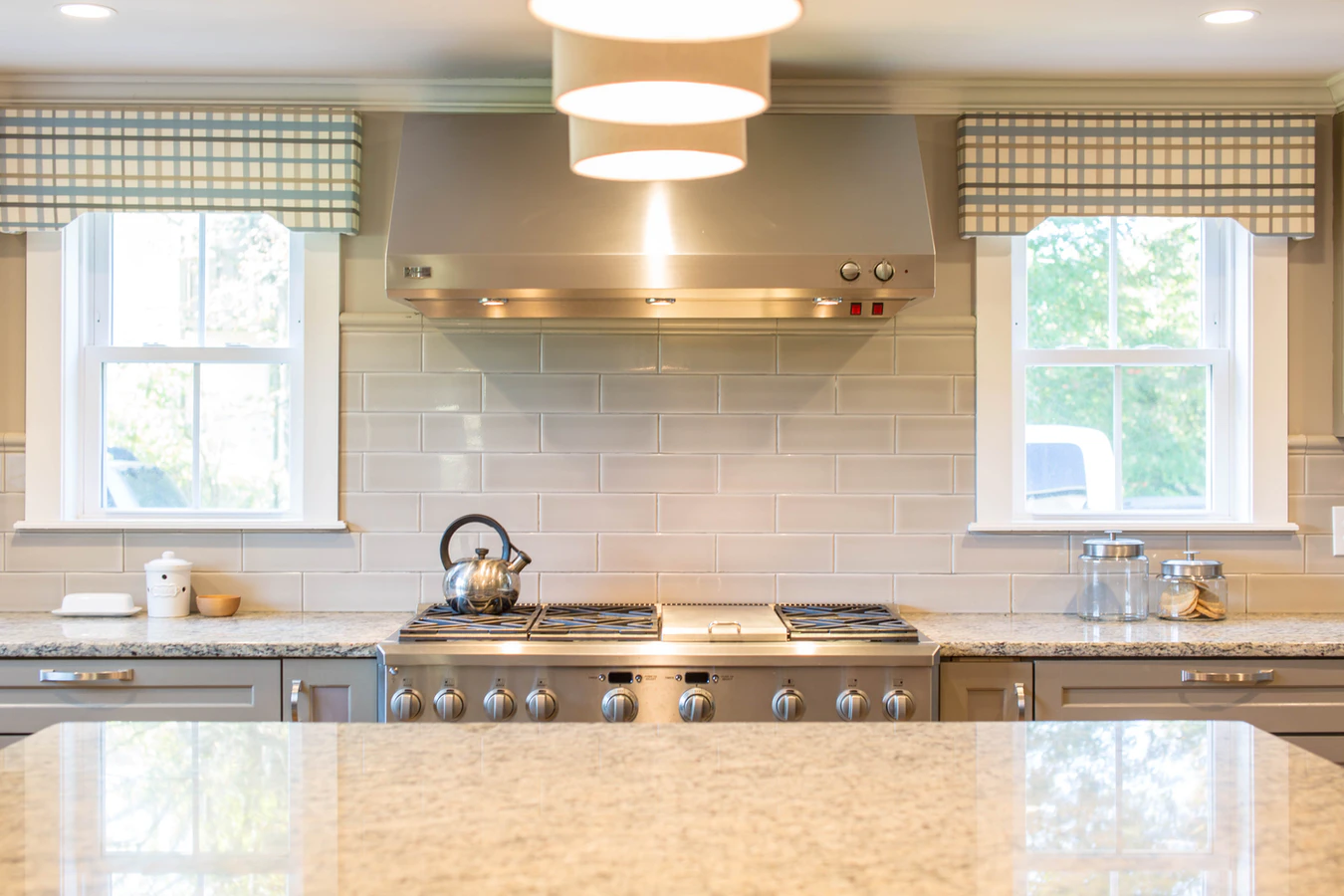
Common Kitchen Damage You Can Avoid With a Little Care
If your kitchen is one of the family hubs on most days, you may begin to see a fair amount of wear and tear in that area. Food prep, cooking, cleanup, and family interactions can take a loving toll on the room and fixtures. Here are a few tips to help you take precautions and avoid serious damage to your cooking area.
If your kitchen is one of the family hubs on most days, you may begin to see a fair amount of wear and tear in that area. Food prep, cooking, cleanup, and family interactions can take a loving toll on the room and fixtures. Here are a few tips to help you take precautions and avoid serious damage to your cooking area.
Countertops

Avoid setting hot dishes or cookware on the counter without a potholder or pad beneath it. Don't scrape pots and pans across the countertop or let food spills remain uncleaned, or you could end up with permanent scarring or staining on the counter surface. Use a cutting board to chop meat or vegetables to protect your counter space. If a nick or chip should occur, contact a countertop repair expert to take care of the problem pronto.
Appliances
Wipe out the refrigerator shelves to prevent odors and mold from forming. Keep the fridge door, including the freezer compartment, completely closed, as kids sometimes leave the door partly open. Set the refrigerator's interior temperature to a suitable range for the products that need to be chilled. Don't store pots that are too heavy for the shelving to avoid cracks developing. Clean spills and drips promptly to avoid spoilage. Try to keep your fridge moderately stocked to ensure the foods remain adequately chilled. Call a service technician if the temperature begins to fluctuate.
Stove
Check your stove occasionally to ensure the heat is dispersed evenly and safely. Clean the burners after each use to avoid buildup after a spill, which can cause the burner to smoke the next time it is used. Clean up oven drips after baking to prevent the residue from hardening and smoking with the oven's next use.
Sink
Keep your sink free of debris like chopped food residue and leftover food scraped after meals. Don't pour grease or other substances into the drain that can cause clogs or backup. Tighten the faucet handles if they become loose or if a drip develops from the water spout. Clean the sink each day after using it to prevent spotting, aging, and attracting insects.
Flooring
Sweep and mop your kitchen floor every couple of days to remove crumbs and clear away food spills. If cracks or breakage occurs in the floor materials, have them fixed right away to prevent anyone from tripping. A trip or fall in the kitchen while holding hot foods in a dish or can could cause a serious burn.
Your kitchen can remain a family haven of fun and food when you take good care of it. Maintain a clean and safe environment to avoid damage or personal injury.

Home Areas With the Largest Renovation Expenses
Home renovation is sometimes necessary, but it can cost quite a bit. Here are some of the areas in your home that will cost you the most to renovate.

We would all love the ability to renovate our houses whenever we get tired of seeing the same old thing. Unfortunately, expenses are all too real, and the only way to avoid them is to refrain from incurring them at all. Some projects do tend to take up more money than others, however. If you plan to renovate soon, you should understand what kind of monetary situation you’re getting yourself into. Here are some of the home areas with the largest renovation expenses to look out for.
Kitchen
Your kitchen will always be a room where a lot of extra work needs to take place. Your appliances alone make the renovation process much more difficult and time-intensive. Fully gutting your kitchen could cost you tens of thousands of dollars as you move elements like water lines and gas lines. If you want to renovate your kitchen, prepare yourself for a large expense.
Bathroom
Bathroom remodels, especially with fancy add-ons like spa amenities or large showers, can cost quite a pretty penny if you’re not careful. Despite often being a smaller room, a remodel often requires you to move or replace water lines and electrical wires. This kind of work often translates to higher renovation costs.
Floors
One area with a large renovation cost is your flooring. Flooring gets surprisingly expensive, especially if you opt for higher-end options like hardwood or tile. The labor involved in tearing up the old flooring can also skyrocket the price. Of course, these prices are completely subject to the square footage of the area you want to replace. The larger the floor plan, the more it will cost to redo.
Windows
Homeowners will often replace their windows to improve their home’s energy efficiency. It’s a good thing this renovation provides that benefit, as replacing your windows can cost you thousands of dollars depending on the material you use. A cheaper material like vinyl will save you some money, but fully wooden windows can quickly drain your bank account.
Roof and Siding
Whether you hire a professional for your roofing or decide to do your own siding work, the cost can quickly go over what you’d prefer. This is a popular renovation for house flippers because it can drastically improve the home’s outside appearance. However, replacing a roof or redoing exterior siding can cost thousands of dollars and quite a few hours of labor for a quality job.

