

A resource for those seeking information on organizing and transforming spaces.

The Signs You Need To Use Water Softeners
Water softeners purify your home’s water, protecting you from harsh chemicals, bacteria, and excess minerals. Learn the signs that your home needs a softener.
Adding a filtration system has many perks, and many of them are related to its ability to prevent hard water. Once you’ve considered the signs you need to use water softeners, determine which water softener is best for your home, so you can make an optimal investment.
Unsightly Limescale
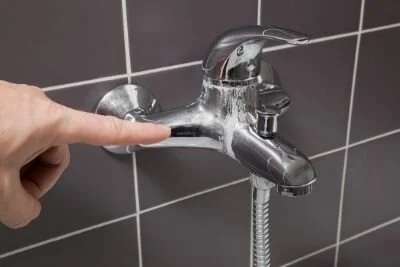
Limescale usually builds up when hard water is present. The unsightly grime is a buildup of calcium and magnesium, two minerals that contribute to hard water. You may catch scale on various water fixtures around the home—this includes anything that spouts water, from your coffee pot to your showerhead.
Make sure you address limescale’s presence on your faucets and fixtures, as it usually indicates the presence of limescale in your home’s pipes. Too much buildup could lead to serious home damage and costly repairs.
Dull Hair, Dry Skin
Hard water doesn’t lather well with soaps and shampoos, leaving your skin and hair to suffer. Water that’s been softened ensures a more comprehensive lather and rinse, making the most of every shower.
Decrease in Water Pressure, Increase in Water Bills
Pipes that have buildup must work harder to work sufficiently. Even as it works harder—and garners a steeper water bill—your pipeline system will not perform to the best of its abilities.
One sign your home needs a water softener is a decrease in water pressure. Due to an unfortunate amount of buildup, your pipes cannot serve the pressure you desire, leading to subpar appliance performance and disappointing showers.
Water That Tastes or Looks Peculiar
Of the signs you need to use water softeners for your water fixtures, odd-tasting water is one of the most obvious. Water with a high mineral count often has a metallic-y taste.
Another way to tell whether your home could use a water softener is by looking at the water when it comes out of the faucet. If it’s cloudy or has high turbidity, your home may be due for a filtration system.
Faded Clothing
Just as it doesn’t lather well with soaps and shampoos, hard water does not lather with detergent. Insufficient suds cause detergent residue to accumulate on your clothing, leaving you with stiff, itchy, and dull clothes. If your laundry appears faded, it’s a sign your water’s mineral content is unfavorably high.

4 Signs Rodents Have Started Living in Your Home During the Winter
Now that you're ready for Spring cleaning, this is a great time to look for evidence of mice or other rodents having moved into your home over the winter. While they are often nocturnal and more likely to be seen at night, here are some signs to look for that may indicate the presence of these pests.

Now that you're ready for Spring cleaning, this is a great time to look for evidence of mice or other rodents having moved into your home over the winter. While they are often nocturnal and more likely to be seen at night, here are some signs to look for that may indicate the presence of these pests.
Mouse Tracks
Rodents tend to creep along the walls and drawer edges as they move around your home. You can usually find mouse tracks, which is their fecal droppings, when they are in the area. You've probably seen them, but if not, they look like small, dark pellets or seeds about a quarter inch in length. Don't handle them directly, as they are germy, but clean them out with tissue or a cloth and then sanitize the area.
Unusual Openings
Inspect the outside of your home or small openings that should not be there. Cracks in the concrete foundation or small torn spots in the siding may provide an entrance for pests. Look in the basement and attic or cracks or damage in the walls that may reveal an opening from the outside. Check the baseboards in your house as well as the floors of closets and cupboards, which is where rodents prefer to nest.
Nesting
You may find signs of rodent nesting in stacks of newspapers or magazines that are mostly undisturbed. Mice also look for dark corners in cupboards where the shelf liner can be scratched loose to make a nest. You can even find them in dresser drawers where old books or pictures are loosely stored. Shredded paper, cardboard, and similar substances could mean that rodents are your new boarders, and they may be having a family!
Burrowing Sounds
Although less common, you might hear the faint sounds of rodents in your house, especially at night. Sometimes they enter through a hole in the roof, so you could even hear them scratching around in the ceiling or walls. Coming down through the chimney is another common entryway, so keep the flue closed. But even if you don't hear them, they might be getting comfortable in your home. If you are not sure, call mice removal experts to evaluate the signs you have noticed and eliminate the rodents from your house.
No one wants to share their home with pesky creatures from outdoors. Look for evidence they have invaded your property and take steps to remove them before they multiply.

7 Air Conditioning Mistakes to Avoid this Summer
Air conditioning systems are essential for escaping the unbearable heat of the summer. These devices not only circulate cool air throughout a home or office but can also improve the air quality by removing allergens and harmful bacteria. While it’s common practice to have your AC unit working in overdrive during hot weather, this isn’t the best approach for maintaining a reliable system.

Air conditioning systems are essential for escaping the unbearable heat of the summer. These devices not only circulate cool air throughout a home or office but can also improve the air quality by removing allergens and harmful bacteria. While it’s common practice to have your AC unit working in overdrive during hot weather, this isn’t the best approach for maintaining a reliable system.
A broken-down air conditioner can create a very uncomfortable living and working environment. What’s more, repairs and replacement parts can be costly. Unfortunately, even the best ductless air conditioner is prone to breakdown if it isn’t maintained correctly.
Every summer, people revert to bad habits relating to their AC systems. To keep yours in top condition this summer, here are some common mistakes to avoid.
1. Using the Wrong Size Conditioning Unit
One of the golden rules of air conditioning is that bigger isn’t always better. A large AC unit might be capable of providing cool air throughout your space. However, an oversized unit may lack efficiency and encounter problems that can cost you in the long term.
The main issue with a large unit is short cycling. This occurs because the overpowered system disperses cool air very quickly, reducing the temperature beyond the desired point. To compensate for the cold room temperature, the system switches itself off. This cycle repeats itself to maintain the temperature, causing the unit to work harder and less efficiently.
If the AC unit is undersized, it will have to work extra hard to cool the room. Despite running excessively, your home may never reach the desired temperature, meaning your high utility bills don’t necessarily mean a cooler home.
The best way to find a conditioning unit of an appropriate size is to have a load test carried out. This helps determine the cooling capacity and energy needs of your space. You can also estimate the BTUs required to cool your space by calculating the square footage and ceiling height and inputting the measurements into a BTU calculator.
2. Setting the Temperature Too Low

A common tactic for air conditioner owners is to drop the thermostat settings way down to reduce the temperature quickly. While this can be tempting when your home is overwhelmingly hot, it doesn’t cool the space any faster; it puts unnecessary strain on the unit and causes energy waste.
Whether you set the AC temperature to 65°F or 80°F, it cools and disperses air at the same rate. However, setting a lower temperature causes the system to continue working after the room reaches the ideal temperature. The result is a cold house, increased waste, and a higher utility bill.
To prevent your home from getting too hot, invest in a smart single zone mini split system. This allows you to program your device for a time of your choosing. Some systems even allow for remote access and control using a mobile app.
3. Poor Placement of the Outdoor Unit and Thermostat
The location of the outdoor unit and the thermostat has a major effect on efficiency. Neither component should be placed close to any source of heat or cold, including direct sunlight, a radiator, a window, or an appliance.
For the outdoor unit, a shaded area is optimal. This placement allows it to operate efficiently without absorbing additional heat from the sun. However, the device also needs space for ventilation. Remove leaves, shrubs, or other obstructions from around it.
If the thermostat is placed near a heat source or heat-emitting appliance, it may cause inaccurate readings. This throws off the AC system, leading to a poorly temperature-controlled home.
4. Ignoring Maintenance
Air conditioners require regular maintenance to operate efficiently and to minimize the effects of wear and tear. Air filters need to be changed frequently to maintain efficiency and air quality. Filters are relatively cheap and easy to replace. They can also be cleaned to increase longevity.
Read the owner's manual of your unit to determine what maintenance is required. Some units need filter changes monthly, while others need filter replacements once every six months.
As a general rule, you should have your air conditioning system professionally serviced once per year. A qualified HVAC technician can perform routine maintenance and advise you on ways to run your unit more efficiently.
5. Running Your Air Conditioner Inefficiently

Running your system incorrectly reduces its efficiency and negatively impacts the condition of the unit. Many air conditioner owners leave their device running at a set temperature for extended periods to maintain a desirable home temperature, including when they are away. Although this may keep your home cool, it wastes energy and increases utility bills.
The most efficient way to run your AC system is to turn your thermostat up when you’re away from home. Although the building will heat up during this period, it reduces waste and keeps your system in better condition for longer.
Many modern systems are programmable, allowing you to time your temperature adjustments for when you are occupying the house. Smart appliances can be controlled remotely using an app so you can lower the temperature just before you arrive home.
6. Opening Windows
Some of the main reasons behind poorly functioning AC systems are ventilation-related. Open windows and exhaust fans are sources of air loss, which influences the temperature of a space. Air conditioners work on the basis that a room is properly sealed.
Ensure your windows are closed and exhaust fans are switched off when running your air conditioner. For maximum efficiency, get an energy audit to determine if certain windows or doors are problematic.
7. Not Using Fans
If your conditioner is struggling to circulate cool air effectively, it may be damaged, worn, or undersized. The best thing to do in this scenario is to have your unit inspected by a professional HVAC technician. However, repairs, replacement parts, or full system replacements can be expensive. If you require a temporary solution, fans can be useful.
Portable or ceiling fans are useful for dispersing air evenly around a space. This creates a more comfortable environment and takes pressure off the AC system.
Don’t Ignore Air Conditioning Problems
There are plenty of ways to maintain an efficient HVAC system. Routine checks, maintenance, and servicing help keep air quality high and energy waste low. No matter how diligent you are with maintenance, however, certain issues are unavoidable. If you detect an issue with your system, don’t ignore it.
Minor problems are often cheap and easy to solve, but they can lead to more invasive and expensive solutions when left unsolved. Take care of your appliance and avoid common mistakes with your unit this summer.

4 Ways to Make Your Air Conditioning More Efficient This Year
As the summer heat rises, your air conditioner will have an additional strain, and its efficiency can reduce drastically. Furthermore, your power bills will skyrocket as you attempt to keep your house cool and comfortable. Below are ways to ease the burden on your air conditioning system and enable it to operate more efficiently and cut costs on your power bill.

As the summer heat rises, your air conditioner will have an additional strain, and its efficiency can reduce drastically. Furthermore, your power bills will skyrocket as you attempt to keep your house cool and comfortable. Below are ways to ease the burden on your air conditioning system and enable it to operate more efficiently and cut costs on your power bill.
Schedule AC Inspection
One of the most effective ways of increasing your system's efficiency is scheduling an AC tune-up by an HVAC expert. A checkup will reveal any underlying performance problems that could be impeding the system's proper operation. Furthermore, routine maintenance will prolong your air conditioning unit's lifespan and save you money in the long run.
Clean Around the Outside Units
To run at peak performance, your AC's outside units need clear and free air circulation. If your outdoor unit is obstructed by vegetation or debris, it would work even harder than if the place is kept clean. Rake all leaf piles and trim any tall grass, weeds, or shrubs that have sprung up around your unit. Keeping the area clean will improve the system's efficiency (and enhance your home's appearance too).
Invest in a Smart Thermostat
An excellent way to reduce your energy bill is to turn off your unit while not using it. You will manually adjust the thermostat by raising the temperature before leaving your house in the morning and lowering it at night. However, replacing the old thermostat with a new smart thermostat is a better way to make the thermostat functional for you.
Smart thermostats will automatically change the temperature based on a programmed schedule and also lower or increase the temperature when it senses the presence or absence of people in the home. If you link your smart thermostat to your Wireless connection, you can also control the temperature from your smartphone.
Insulate the Ductwork
Do you notice any exposed ductwork in your utility room, basement, or garage? If you do, any cold air in the ducts would warm up before it reaches your space. Your unit would be more efficient if you install insulation to these exposed ducts. This will save you a lot of money on your summer heating costs.
Use the above tips this summer to see how they play on you. Small improvements, when combined, may have a significant impact on the amount of energy used for cooling. Not only can you save cash, but you will make your home more comfortable.

