

A resource for those seeking information on organizing and transforming spaces.
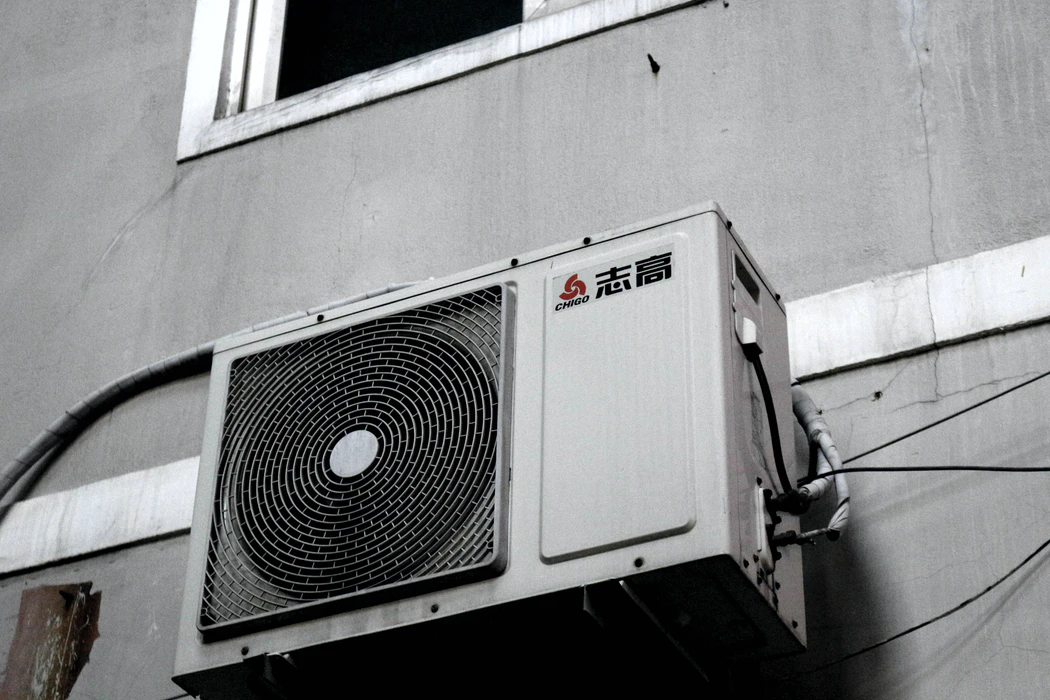
The Most Common Summer AC Problems and How You Can Fix
As summer approaches, you’re going to want to ensure your air conditioner is working optimally to stave off the next heat wave. If you’ve turned on your unit to find it not working properly, you’re going to want to check to ensure it’s not an easily fixable problem before you call out the help of an expensive professional. Here are a few culprits to your malfunctioning air conditioner that you can possibly identify and fix yourself before you shell out hundreds of dollars for professional help. Not doing regular check-ups on your unit is one of the many mistakes you’re probably making when it comes to your AC.
As summer approaches, you’re going to want to ensure your air conditioner is working optimally to stave off the next heat wave. If you’ve turned on your unit to find it not working properly, you’re going to want to check to ensure it’s not an easily fixable problem before you call out the help of an expensive professional. Here are a few culprits to your malfunctioning air conditioner that you can possibly identify and fix yourself before you shell out hundreds of dollars for professional help. Not doing regular check-ups on your unit is one of the many mistakes you’re probably making when it comes to your AC.
Many of the AC’s vital components, by the nature of chemical reactions, do have a limited shelf life so it is important to regularly get an HVAC technician to give your systems a check-up every now and then before these components fail.
If your air conditioner runs but blows hot air...
Check your filters
Dust and dirt are detrimental to the efficiency and performance of your electrical appliance. Filters capture dust before it can travel to your system’s interior components while allowing your HVAC system to better circulate air. According to ENERGY STAR, you should check on the state of your filters on roughly a monthly basis.
First, find where your AC filters are located—this could be by an air duct or even by the furnace. Get the correct-sized filters for your system from your local hardware store. Turn off the power and replace or clean the filter depending on if it’s disposable (cardboard frame) or reusable (metallic frame). Ensure your filter is replaced in the correct direction.
Check your coils
Your air conditioner depends on a set of coils—heating coils and condenser coils- to absorb heat within your home and transfer it outside. Dust is an effective insulator, meaning it holds on to heat and prevents it from being moved efficiently. As stated, even a light layer of dust on your coils reduces the efficiency of your AC by capturing the heat that you’re attempting to clear away. Every now and again, it’s important to turn off the unit and go over it with a stiff brush. Also be sure to clear away any debris, shrubbery and dirt on the exterior unit to keep it running optimally.
If your air conditioner doesn’t turn on...
Check the breaker/fuse
Yep, it could be that simple. Whenever any large appliance fails, it could simply be your home’s safety apparatuses kicking in. Save yourself the embarrassment and several hundred dollars and quickly check breaker panel to see if the circuit has been switched off. If it is, sometimes it can simply be switched back on.
If you notice that the appliance repeatedly trips the breaker, check if your circuits are overloaded. This is simply a test of turning on your air conditioner and other appliances plugged into the same circuit one at a time to see how many can run at once. If your AC and other individual appliances run on their own but trips once they’re used simultaneously, then it’s a sign that you just need to run fewer things alongside it. This inconvenience generally seems to be a problem in older households and, apart from adapting to this limitation, a permanent solution will require the help of an electrician to add additional circuits to your home.
If switching on the breaker still doesn’t turn on the circuit, check to see if you’ve blown a fuse. Fuses are glass ampules that contain a wire designed to melt when overheated. When the amperage is too high it breaks the circuit to prevent a fire. Fuse boxes are typically, though not always, found in the utility area by the breaker panel. If you notice a broken, discoloured or cloudy ampule, it’s been blown. First, unplug all electrical appliances on the circuit, as restoring power once the new fuse has been installed risks creating a power surge that will blow it out again. Then turn the power off from the circuit panel to eliminate the risk of shock. From there, just purchase a new fuse from your local hardware store, take the old one with you just to be sure you’re getting an identical replacement and install the new fuse.
However, if you find that running the AC alone trips the breaker, then that indicates a short circuit inside your unit. At risk of fire or electric shock it is not safe to use until repaired by a professional.
Check the thermostat

It’s the job of your thermostat to measure the temperature and signal to your furnace or air conditioner to kick in if it gets below or above a certain threshold. Fortunately, if your thermostat malfunctions, repairs are minor and can easily be fixed by yourself. Sometimes it’s as simple as replacing the backup AA or AAA batteries.
First, turn off power to the thermostat before removing the thermostat face. Despite the low voltage that most (but not all) thermostats use, improper handling can still result in shock. While fiddling with the thermostat, remember to also clear away any dust that has collected on the system, as this also prevents it from functioning properly.
Check the drain line
Finally, the pipe that drains water from the condenser unit may be clogged. This tends to happen overtime, as algae or other gunk is allowed to build up and another safety mechanism kicks in to ensure that water doesn’t flood into the system. Turn off your HVAC system and gather a pair of rubber gloves, bleach and water, a wire brush and a wet-dry vacuum. Locate the drain pipe outside by the condenser unit and— with gloves on—insert the wire brush to dislodge any debris. Be sure to do this on both ends of the pipe (the top end will be a T-shaped PVC with a cap on it). Then, run the wet-dry vacuum on the pipe for a minute or two. Afterwards, mix equal parts bleach and water and pour it through the top of the pipe.
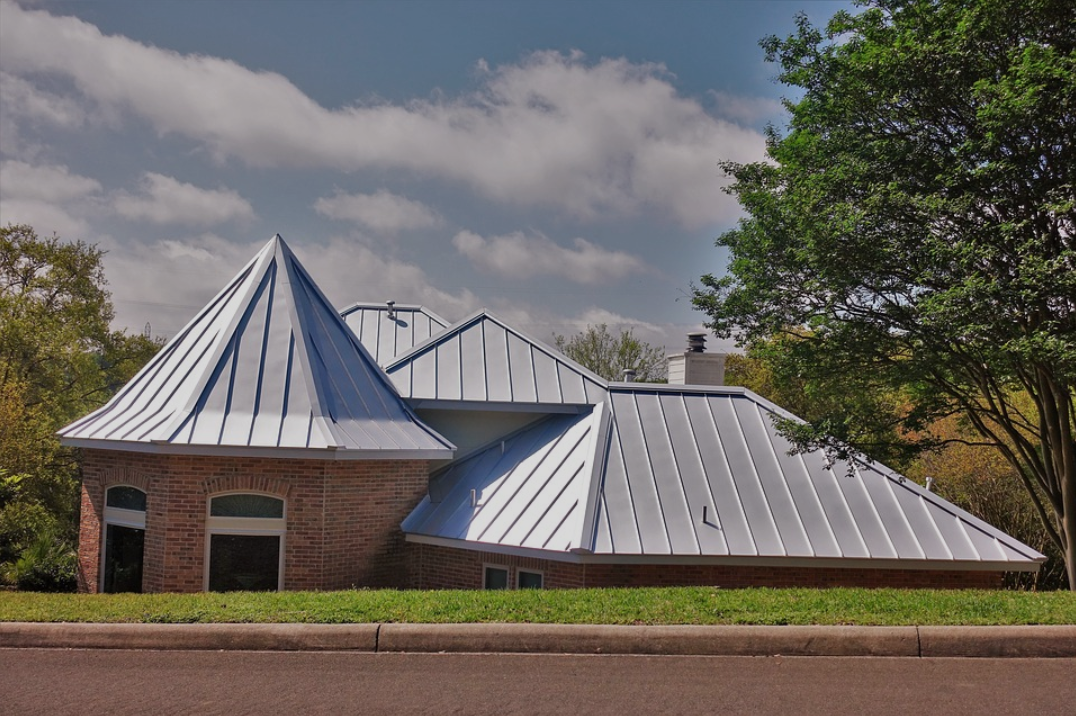
How Can Metal Roofs Save You Money in Record High Heats?
Everyone wants to save a considerable amount of money when setting up a new house, doing house updates, or remodeling part of the home. However, whether you are installing a roof on a new home or upgrading your existing roofs, you will come across various roofing materials available. Because of this, you must ensure you’re making the right decision when it comes to you and your money.
You can never go wrong with metal roofs as they deliver longevity, environmental sustainability, and energy efficiency. You might also be surprised by how much you save in the long run. Metal roofs can help you save money in record-high heats in the following ways.

Everyone wants to save a considerable amount of money when setting up a new house, doing house updates, or remodeling part of the home. However, whether you are installing a roof on a new home or upgrading your existing roofs, you will come across various roofing materials available. Because of this, you must ensure you’re making the right decision when it comes to you and your money.
You can never go wrong with metal roofs as they deliver longevity, environmental sustainability, and energy efficiency. You might also be surprised by how much you save in the long run. Metal roofs can help you save money in record-high heats in the following ways.
Metal Roofs Increase Energy Conservation and Efficiency
Metal roofing, also known as cool-metal roofing, can help you save up to 40% on your yearly energy cost. Metal roofs help to keep homes naturally cooler in hot weather. They are fitted with a reflective solar coating that prevents heat accumulation, thus reducing air conditioning costs.
They achieve this by reflecting the sun to keep the heat outside of the building instead of absorbing it. This is even more effective in lighter color metal roofs as they reflect more heat than black metal roofs.
Metal Roofs Are Fire Resistant
One of the most incredible elements of a metal roof is that it is fire-resistant. Unlike its asphalt shingles counterparts, metal roofs will not spark or catch fire in case of a fire outbreak. A metal roof can also resist damages that may occur as a result of a lightning strike. This factor alone convinces homeowners that with metal roofs, they can save their money as metal roofs can sustain extreme hot conditions.
Solar Ready Roofing
The solar panel enables you to cut on electricity bills by creating a natural source of energy capable of powering your home. Although most roofs are solar-friendly, metal roofs provide a perfect platform for solar panel installation. This is because no drilling is required for the panel to be attached, thus helping to reduce labor costs. Also, metal roofs offer additional reflection where the sun doesn’t come into contact with the solar panel.
Metal Roofs Replacement
Many homeowners look for the cheapest options, and the most common product being asphalt shingles. However, there has been a major shift as homeowners are now looking for better roofing options. Most homes requiring a roof replacement are now settling for metal roof replacements as metal roofing can last three times longer than other roofing materials.
Durability
The last thing you want to think about is what impact heat can cause on your roofs. High heat is mainly accompanied by storms and wind, which can damage the roofs. Also, UV rays from the sun can cause major damages to your roofing system because roofs tend to absorb heat, raising temperatures to as high as 160 degrees. The high temperatures, in turn, accelerate the chemical processes causing major damages to the roofing system.
Fortunately, metal roofs are very durable as they can sustain up to 140 mph without getting any damage. Other types of metal roofs can withstand impact damage caused by extreme heat. Therefore, metal roofs help save money as you don’t require expensive periodic maintenance experienced in other roofing materials.
Although there are various materials available, metal roofs are one of the most common roof choices for those revamping their houses or building new houses. No matter what roof style you choose, a metal roof is one of the best investments you can make to improve the value of your home and save money in the long run.

5 Home Repairs You Never Want to Try to Do on Your Own
If you’re a homeowner, periodic repairs are a fact of life. In many cases, you can do the small repair yourself. However, at other times, it’s less time-consuming, safer and more cost-effective to call in a professional to do the work. Here are five repairs that should be handed off to skilled contractors and repair technicians.

If you’re a homeowner, periodic repairs are a fact of life. In many cases, you can do the small repair yourself. However, at other times, it’s less time-consuming, safer and more cost-effective to call in a professional to do the work. Here are five repairs that should be handed off to skilled contractors and repair technicians.
Electrical Problems
Needed electrical repairs should always be left to a trained and experienced electrical technician. Safety is a major consideration, not only for the individual doing the work, but also for the quality of the work itself. If you do not have a background in electrical work, find a good local contractor who can ensure the job is done safely and properly.
Roofing Repairs
Occasionally, homeowners may find they need small roofing repairs, such as damaged shingles or separation at the flashing. Resist the temptation to climb up on the roof yourself and seek out a reputable company that does residential roofing. These companies are accustomed to doing small roof repairs, as well as complete roof replacements and will ensure that the job is done safely and right.
Major Plumbing Upgrades
While it’s common for homeowners to want to tackle small plumbing jobs like replacing a faucet or replacing the mechanisms inside the toilet, larger tasks should be left to plumbing professionals. Amateur attempts may result in larger problems and more damaging effects that end up costing more money to fix.
Tree Trimming
Most homeowners can do a pretty good job of maintaining their landscaping, from lawn cutting to plantings. However, when older trees on your lot become damaged or unwieldy, it’s a better idea to call in a tree-trimming specialist. In this way, you can avoid damage to well-established trees and ensure a healthy and attractive outcome for your landscaping trees.
Slab or Foundation Repairs
Sometimes, repairs on a home’s slab or foundation are needed to maintain the structural integrity of the home. Minor foundation cracks can often be done by homeowners, but more extensive work should be left to professionals who have the knowledge and experience to provide an appropriate and long-lasting repair that will prevent your home from experiencing damage from ground moisture.
The internet has made it easier than ever to find good, local contractors to do your home repair tasks. You can also get a referral from family members, friends or neighbors who have experience with the contractor. If you take the time to find the right company to do these 5 repairs, you can be assured of a successful result.

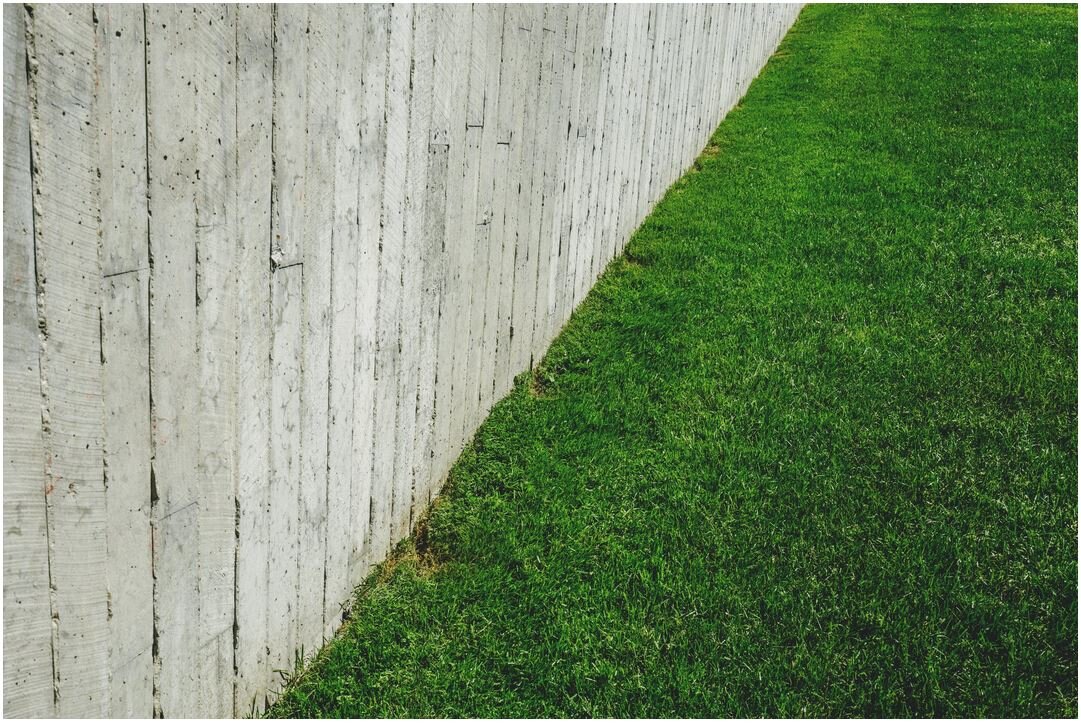
Putting up Your Own Fence? 4 Materials You Might Need
Like most things, planning is critical to building your fence.
Find out where the property lines are.
Check with the local officials if a permit is necessary.
Call 811, find out if utility companies have underground lines through your property. If so, where they are.
Check with the neighbors. They may help with the cost or labor.
Like most things, planning is critical to building your fence.
Find out where the property lines are.
Check with the local officials if a permit is necessary.
Call 811, find out if utility companies have underground lines through your property. If so, where they are.
Check with the neighbors. They may help with the cost or labor.
Installing a Chain Link Fence
A chain-link fence has lots of parts. The top rail is supported by the fence posts. Allow one post for every 10-foot run of fencing. The bottom of the chain-link mesh is held in place by tension wire. A tension Bar is a vertical bar woven into the ends of the fence mesh at each end post, gate post, and corner. And, of course, the chain link wire mesh. Find detailed instructions on building your fence at Lowe's Home Improvement YouTube channel.
Add Privacy to Your Chain Link Fence
There are several options available, but do you want orange as you see on many industrial sites? Pexco brand silver fence weave is an economical chain link fence filler. Many homeowners use it. It is easy to install and makes an attractive companion for chain link fencing. Other colors are available too. Weave diagonally through the chain-link fence. Cut it with scissors.
Safety First
Renting an auger can make quick work of digging holes for your posts. Watch videos and read the information carefully to use your augur safely. Home RenoVision DIY shows a video on how to use a two-man auger. Dig holes a third as deep as your fence post is tall. Then, add 4 inches for the gravel. The hole's diameter should be three times as wide as your post.
Setting Fence Posts Using Gravel and Concrete Mix
You will want to pour 3 to 4 inches of gravel into the bottom of each post hole. The rock allows the hole to drain water. If you are building a chain-link fence, only the end, corner, and gate posts need concrete. Prepare your concrete mix. Stand the post in the middle of the hole. Pour in the concrete to within 6 inches from the top.
You planned your fence; now plan your time. First, line up plenty of help and determine how long it will take you to do the work. Then, allow time for the concrete to set up.

