

A resource for those seeking information on organizing and transforming spaces.
Post-Storm Fix-ups: How to Get Your Home Back to Good
When a storm hits your home and causes damage it can be difficult to know where to begin when it comes to seeing to the work that needs to be done. Storm damage can cause everything from cosmetic to structural damage, destroy furniture and belongings as well as damaging both the interior and exterior of the building. In order for you to make an insurance claim and begin repairs, you are going to need to have your home accessed immediately. These are post storm steps to take to get your home back to good.
When a storm hits your home and causes damage it can be difficult to know where to begin when it comes to seeing to the work that needs to be done. Storm damage can cause everything from cosmetic to structural damage, destroy furniture and belongings as well as damaging both the interior and exterior of the building. In order for you to make an insurance claim and begin repairs, you are going to need to have your home accessed immediately. These are post storm steps to take to get your home back to good.
Immediately Check for Damage
As soon as it is safe to do so, check your home for any obvious signs of damage as soon as the storm has passed. Take any emergency and immediate measures necessary to secure and make your home safe, or to protect your belongings. Water damage, gas or power hazards, cracks, and other dangerous situations should be reported to emergency authorities immediately as they can cause serious harm to you and the neighborhood.
Consult Storm Damage Restoration Specialists
The next step in assessing any storm damage is to contact storm damage restoration specialists so they can thoroughly look over your home and give you a detailed report on what needs to be done to get your home back to good. They will look at exterior and interior areas, can spot roof and water damage, and recognize everything from wind damage to leaks. This inspection is vital because it will determine the amount of help your insurance will provide to you for repairs.
Contact Your Insurance Company
Contacting your insurance is the next step in getting your home back to normal and will rely heavily on the damage reports you have secured. Make sure to provide all photos, reports, documentation, and receipts for items you have lost due to the damage done. All of these items will be covered in the same claim and are rarely adjusted once it is made. An insurance agent will provide you with a report of items they are willing to cover and often work directly with anyone that you secure to provide the work on your home in order to cover all necessary expenses.
A capable and thorough contractor is able to coordinate all aspects of your home repair after a storm. With estimates in hand, secure recommendations and review previous work done by a contractor before making the best choice for you and your home.

4 Signs It's Time to Have the Pipes in Your Home Replaced
Homeowners expect their pipes to keep the water flowing. And when it comes to home improvement, replacing old pipes is usually not on the list. But if you’re having plumbing troubles, new pipes might solve the problem. Here are four signs your home might need new pipes.

Homeowners expect their pipes to keep the water flowing. And when it comes to home improvement, replacing old pipes is usually not on the list. But if you’re having plumbing troubles, new pipes might solve the problem. Here are four signs your home might need new pipes.
The Pipes Are Old
Most things wear down over time, including plumbing. Here’s how long you can expect pipes to last:
- PVC: 70 years or more
- Galvanized steel: 20-50 years
- Copper: 50 years or more
- Cast iron: 75-100 years
- Brass: 40-45 years
- Lead: Lasts up to 100 years, but replace lead pipes in your home as soon as possible. Lead is a health hazard. Congress banned the use of lead pipes in 1986.
What type of plumbing pipes are in your home? If you’re unsure, ask a plumber for an inspection. You’ll then have insight into how long you can expect the pipes to last.
Corrosion
Are your pipes clogged more often than not? Someone is possibly pouring bad things down the drains, like grease, oil, or bits of food. Corrosion can also cause clogging. Corrosion happens most often with galvanized steel pipes. Minerals and oxygen in water build up inside the pipes and cause rust or corrosion. As the situation worsens, water runs slower and slower. The only solution is to replace the pipes.
Water Discoloration
You should see clear water flowing from your pipes. Water that is brown, yellow, or has sediment means something is wrong. In some cases, discolored water is a local water supply issue. The city is responsible for solving the problem, but discolored water could indicate a problem with the pipes in your home. Call your local water company to report the discolored water. If repairs are being done in your area, the water company should inform you of the issue. They should also tell you when to expect clear water. If no repairs are being done, then the problem is with your pipes. Call a plumber as soon as possible.
Leaking
Some leaks are simple to repair. You might just need to tighten a loose connection, but if the pipes are cracked or in bad shape, leaks can mean it’s time for new pipes.
Bad plumping can cause all kinds of problems in your home, from structural damage to health issues. Replace or repair bad pipes as soon as you can. Avoiding the problem will only make it worse and cost more money in the long run.

Common Signs You May Be a Pack Rat
Do you have a hard time departing with personal objects? Explore our blog below to discover some of the most common signs you may be a pack rat.

Saying goodbye is never easy. If you’re a pack rat, then saying goodbye to personal items is even more difficult. The term pack rat describes someone who saves unnecessary objects. Not sure if you’re a pack rat? Explore some of the common signs you may be a pack rat below.
You Never Donate or Throw Away Clothing
If you struggle to throw away older clothing that doesn’t fit or isn’t fashionable anymore, this is a common sign you may be a pack rat. Clothing is a tell-tale indicator of pack rat behavior because most pack rats hold onto clothing they no longer wear. Most pack rats associate positive memories with clothing and cannot depart with it as a result.
Common Clothing Pack Rats Hold Onto
Childhood clothing
High school team or club apparel
Clothing that no longer fits
Clothing with rips, tears, and stains
You Hold Onto Appliances That Do Not Work
Another common sign of a pack rat is holding onto electronics or appliances that no longer function. If you know someone with a collection of DVD players, VCRs, CD players, and other older devices, then they are most likely a classic pack rat.
Pack Rats vs. Collectors: What’s the Difference?
While many people collect retro appliances and items, the difference between a collector and a pack rat is that pack rats do not use or display these items. Instead, pack rats hold onto these items even though they’re broken and take up storage space.
You Need Extra Storage Space
Needing extra storage space isn’t always a sure sign that you may be a pack rat. Depending on the size of your residence, many people utilize storage lots as a functional solution to keep items they cannot fit inside their homes. However, if you are constantly searching for more storage space or need additional lots over time, there’s a higher likelihood that you are a pack rat.
You Refuse To Call a Junk Removal Service
When you’re a pack rat, your items are treasures with personal memories attached to them. Even when these objects begin to take up too much space or affect your productivity, pack rats will often refuse to downsize on their artifacts.
Services such as on-demand junk removal companies are available to simplify this process, but most pack rats will struggle to donate or throw away their items.
When you associate a piece of clothing or appliance with a happy memory, it’s challenging to part with that item. Although it’s comfortable holding onto old treasures, your house can become cluttered with unusable items over time. If you think you have the qualities of a classic pack rat, consider calling a removal service to help downsize your storage.
4 Plumbing Tips Every Homeowner Should Remember
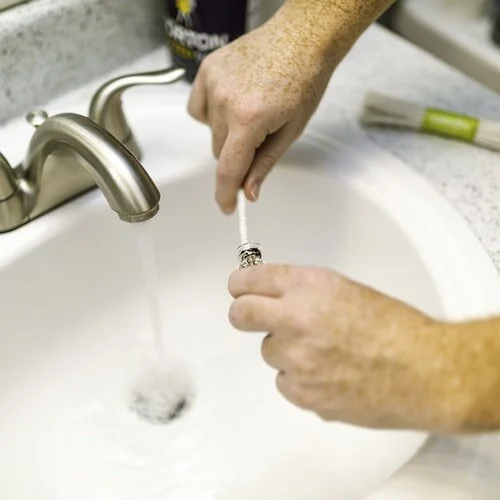
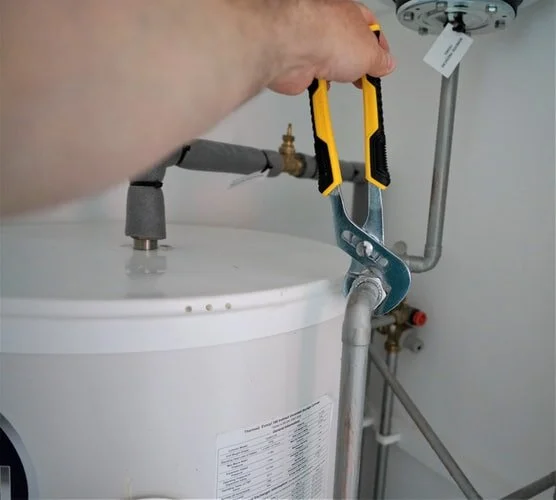
Plumbing issues are hectic and expensive. Resolve any problem by preventing it from happening in the first place. The way to do this is to follow a few, important tips. Here are four recommendations for every homeowner who operates a plumbing system.
Plumbing issues are hectic and expensive. Resolve any problem by preventing it from happening in the first place. The way to do this is to follow a few, important tips. Here are four recommendations for every homeowner who operates a plumbing system.
Prevent Your Pipes From Freezing
Frozen pipes cause a lot of damage when they unfreeze or burst. The expanding and contracting of pipes may cause cracks to form, which cause leaks to appear throughout the house. Some leaks form behind walls and cannot be detected for a long time all while causing significant damage to the home. The most effective way to prevent pipes from freezing is to apply insulation. Right before freezing temperatures hit, place insulating materials over the pipes. Otherwise, place heaters near the pipes and keep them on overnight when the temperatures will hit freezing levels.
Avoid Using Liquid Drain Cleaners
Liquid drain cleaners contain harsh, acidic chemicals that could disintegrate weak pipes. The chemicals could easily end up in the wrong place and contaminate healthy soil or nearby water systems. Alternatives to use for unclogging drains are drain snakes, augers, and hydro jetting machines. In addition, a liquid drain cleaner is not guaranteed to remove the clog completely. It may dissolve part of the clog but leave the remaining parts lodged in the pipe. Hydro jetting is considered to be more effective.
Avoid Over Clogging the Drains
Avoid overfilling the drains in your bathroom and kitchen. The garbage disposal is designed to grind and dispose of food waste, but it has limitations like every other household appliance. It's possible to oversaturate this device, resulting in clogs that need to be cleared out manually. Over time, the disposal may break down and stop working altogether.
Locate the Main Water Shutoff Valve
Learn where your home's main water shutoff valve is located. A leaky pipe or gushing toilet could flood an entire room in minutes. Know how to turn off the main water supply to prevent a flood and ensuing water damage. If you don't turn off the valve immediately, by the time you call an emergency plumber, the bathroom will be several inches deep in water. The cleanup costs will exceed the plumbing repair.
Most homeowners are concerned with saving money, but they never consider the importance of maintaining their plumbing systems. In some homes, plumbing repairs add up to a few hundred dollars a year. There are certain steps that homeowners can take to prevent costly plumbing problems from occurring.

