

A resource for those seeking information on organizing and transforming spaces.

How to Know When It’s Time to Replace Your Tile Flooring
Tile flooring is an ideal choice for many homes. Durable and easy to clean, tile can also last a lifetime with proper care and maintenance. But when does your tile flooring need to be replaced? Let’s take a look at the telltale signs that indicate it may be time to invest in new tile flooring.
Tile flooring is an ideal choice for many homes. Durable and easy to clean, tile can also last a lifetime with proper care and maintenance. But when does your tile flooring need to be replaced? Let’s take a look at the telltale signs that indicate it may be time to invest in new tile flooring.
Stains or Discoloration on Tiles
If you notice your tiles are discolored or have stains that won’t come out with regular cleaning, this could be a sign of aging tiles. Over time, the protective glaze wears off, leaving the tile more vulnerable to dirt and grime. In some cases, it may be possible to replace individual tiles; however, if more than half of the tiles in a room are stained or discolored, then you may need to consider replacing the entire flooring surface. This is often best done by professional installers, like A-1 Renovations, LLC.
Cracking or Loose Tiles
Tiles can become cracked over time due to wear and tear from foot traffic or exposure to extreme temperatures. If you see any loose tiles on your floor, this is another indication that it might be time for replacement. Loose tiles can easily become damaged further if not properly attended to, so make sure you inspect your tile floors regularly for cracks or loose edges.
Mold or Mildew Growth
Mold and mildew growth is one of the most common signs that it might be time for new tile flooring. This type of growth typically occurs when moisture seeps into cracks between the tiles and causes mildew spores to form. If not addressed quickly, mold and mildew can cause major damage not only to your floors but also your health by triggering allergies and asthma symptoms. Make sure you address any water leaks promptly as they occur and call in a professional if you suspect mold has set in on your floors.
Tile flooring is an investment in both beauty and longevity for your home; however, like all investments, regular maintenance is required in order for them to last as long as they should. Keeping an eye out for signs such as discoloration, cracking, loose tiles, or mold/mildew growth can help ensure that you get the most out of your investment without having to spend too much money on repairs or replacements down the road! If you’re unsure about whether it’s time for new tile flooring or just need some advice on how best maintain yours, contact local professionals to get answers to your questions.
How Your HVAC Provider Can Help You Get Ready for Summer
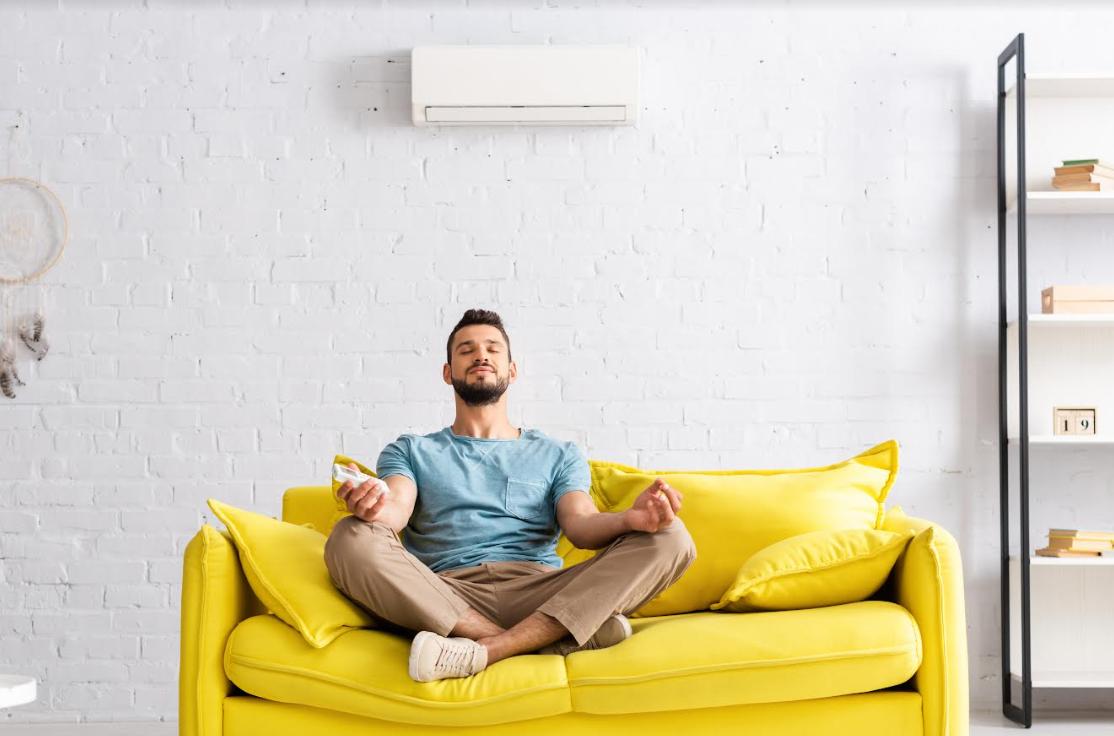
As the summer months approach, ensuring your home's heating and cooling system is operating correctly is important to be prepared when temperatures begin to rise. There are many components of checking over your AC that you can likely do on your own, but its also a good idea to know a professional HVAC provider you can call to ensure that your system is in good working order and ready to handle any temperatures this summer brings.
As the summer months approach, ensuring your home's heating and cooling system is operating correctly is important to be prepared when temperatures begin to rise. There are many components of checking over your AC that you can likely do on your own, but its also a good idea to know a professional HVAC provider you can call to ensure that your system is in good working order and ready to handle any temperatures this summer brings.
Change Your Filters
Your HVAC system’s air filters are essential for filtering out dust and other particles from the air in your home. When these filters become clogged, it affects the performance of your heating and cooling system. An experienced technician, someone like Environmental Air Systems Inc, can advise you on how often these filters should be changed for optimal performance. Most experts recommend that homeowners change their filters at least once monthly during the summer season.
Inspection and Maintenance
Regular inspections and maintenance of your HVAC unit ensures optimal performance during the summer months. An experienced technician is best equipped to safely check for signs of wear or damage in the parts of the system and clean any debris that may have accumulated around the unit. This preventive care has both cost-saving and comfort benefits, helping your unit to operate efficiently while avoiding potential breakdowns due to improper care. Investing in this service before the hot season is important; you'll be thankful you did when your family stays cool, no matter how warm it gets outside.
Upgrade Your System
If you need an upgrade or replacement, a professional HVAC provider can provide you with various options tailored to fit your budget and needs. They will be able to discuss all available options with you, including energy-efficient models that can save you money in the long run by reducing energy costs each month. Additionally, many newer models come with advanced features such as remote control operation, making controlling temperature settings easier.
A reliable HVAC system during summertime is essential for keeping your family cool and comfortable when temperatures rise outdoors. Regular maintenance and inspections are key to keeping an efficient HVAC system running smoothly year-round, so don't hesitate to contact a trusted local provider if you need help getting ready for summer! With their years of experience, they can provide quick service while helping control your home's heating and cooling costs this season!
Restorative Roofing: Signs It's Time to Replace Your Roof
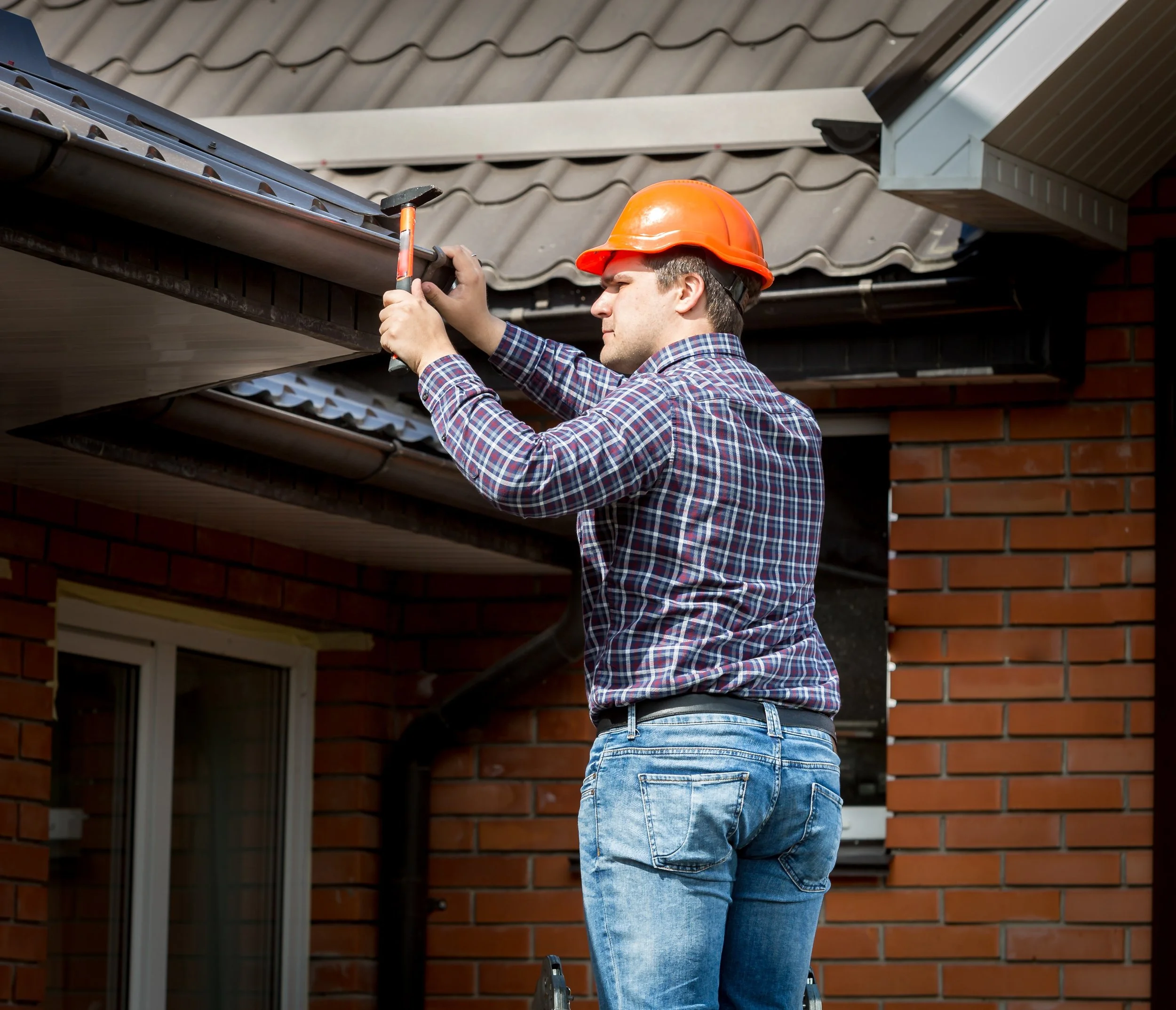
Replacing your roof can be a big expense and an intimidating process if you’ve never done it before, or don’t consider yourself a handyman. However, as a homeowner, it’s important to recognize the signs that indicate when it’s time for a new roof, as it’s important to replace your roof before it can cause a lot of unnecessary damage to the rest of your house. Here are some key indicators you should look for before deciding if its time to replace your roof.
Replacing your roof can be a big expense and an intimidating process if you’ve never done it before, or don’t consider yourself a handyman. However, as a homeowner, it’s important to recognize the signs that indicate when it’s time for a new roof, as it’s important to replace your roof before it can cause a lot of unnecessary damage to the rest of your house. Here are some key indicators you should look for before deciding if its time to replace your roof.
Age of the Roof
The age of your roof is one of the most important factors in determining whether or not you should consider replacing it. Most shingle roofs last about 20-25 years, depending on the material used and the conditions your roof has had to endure. What your roof has gone through and knowing when your roof was installed is essential to determine if it’s time for a replacement. However an inspection from a professional, such as Emerald Roofing, is always recommended, in order to know for sure that your roof is beyond repair.
Shingle Damage
Shingles are designed to protect the underlying structure of your home from moisture and debris, so any visible damage indicates that there could be problems with the integrity of your roof as well. Suppose you notice any broken or missing shingles. In that case, this indicates that you should get an inspection done sooner rather than later, as leaving them unchecked could lead to water infiltration and further damage down the line. Additionally, check around any vents or chimneys for missing patches that could indicate past repairs or sealant issues that need addressing before committing to replacing your entire roof.
Leaking and Moisture Issues
If you have noticed any leaks or water spots inside your home, this could mean there are issues with either the sealing around your fixtures such as windows and doors, or with the actual shingles themselves. Moisture can cause major structural damage over time, so addressing these issues quickly is essential for preventing greater repair costs.
Past Repairs
The roof of your home can go through a lot of wear and tear, especially with extreme weather patterns showing themselves more and more frequently. If you have noticed that your roof has been repaired multiple times, this might be an indication that it's time to replace your entire roof. Installing a newer model may help you save in the long-run, as constant repairs may be costing you more money than investing in a new roof altogether. It is important to inspect your roof regularly in order to ensure it is up-to-date and safe.
Making sure you know when it's time to replace your roof can save you money in costly repairs due to structural damage caused by moisture buildup or aging shingles. Pay attention to age, shingle damage, leaking or moisture issues, and multiple repairs; these all suggest a new roof! You don't want to wait until its too late, so if possible, get an inspection done by a professional to ensure everything is taken care of correctly and efficiently.
5 Tips to Lower your Winter Heating Costs
Several factors influence how much energy you use daily in your home, and these can significantly impact the cost of heating your home. Things like the heating system you have, whether you are using a traditional fireplace or a modern heater, and what condition your home is in overall can really affect your heating bills in the cold season.
This is a sponsored post. The opinions in the post are honest although it is a sponsored post. All reviews and opinions expressed in this post are based on our personal views. We are excited because we know you will love it.
Several factors influence how much energy you use daily in your home, and these can significantly impact the cost of heating your home. Things like the heating system you have, whether you are using a traditional fireplace or a modern heater, and what condition your home is in overall can really affect your heating bills in the cold season.
Depending on your approach to heating, you might be using more energy than you need. A set-it-and-forget-it approach can lead to wasted energy sites throughout the home. And even small issues and minor wastes can add up when days, weeks, and months meld together.
So, what can you do to make sure the winter heating costs don’t get too out of hand? Here are five tips that can help lower that energy bill and help you stay comfortable without constantly cranking up the thermostat.
Why Is My Heating Bill So High in the Winter?
The condition of your home has the most direct and significant impact on how easily your home heats up and how well it holds on to that heat. Older homes are often lacking insulation, energy-efficient systems, and have structural issues, all of which make it easier for cold air to seep in and increase energy use.
According to Energy.gov, “ An older heating system is likely to use more fuel and energy than a newer system or a system that’s designed to be energy efficient. Energy efficiency is measured by annual fuel utilization efficiency (AFUE). The higher the AFUE, the more efficient a system is. Older furnaces typically have an AFUE below 70%, while newer, high-efficiency models often have an AFUE above 90%.”
Remodeling a home to make it more energy-minded, or moving into a newer home that is designed for energy efficiency is not an option for most people. Thankfully, there are still things that you can do to lower energy use and keep that bill as low as possible, even during the chilly winter months.
How to Reduce your Heating Cost
1. Bundle Up and Dress in Layers
The more clothing that goes on your body, the less external heating you will need to stay warm. Chances are, you will notice a difference if you add a thin flannel layer under your shirt, wear wool instead of cotton, or just throw a baggy comfortable sweatshirt on over everything else. Dressing in layers also helps as you can easily add and remove a layer as your body warms up or cools down, depending on what you are doing at any moment. An extra blanket on the bed or couch can also go a long way in keeping warm, especially at night when the sun goes down.
2. Use the sun
Speaking of the sun, it is a natural source of not just light but of heat as well, something that can be hard to remember when the temperatures start to fall. You might see less of the sun depending on where you are in the country, but unless you live in the extreme north, you will still have some sun each day. You can use the heat from the sun's rays to help warm things up during the day by opening the curtains as much as possible. Once the sun starts to go down and things cool off, you can close the curtains and put up additional covers to keep the cold from creeping in through the glass.
3. Close off Unused Rooms
Depending on the size of your home and family and how much time you spend in the home during the winter, you might want to think about closing off some rooms during the day. There is no need to heat the unused areas of your home. You can simply close the door, so the heat in the rest of the home doesn’t dissipate into rooms not currently occupied. If there are areas in the home you don’t use much at all, you could close off the vents and ducts to that room to keep the heat going into the spaces you are using. Just be mindful that rooms with plumbing and pipes should never be allowed to freeze.
4. Turn the Thermostat Down
Regulating your home’s temperature can be a challenge, and the constant on-and-off cycling of the heating system can use a lot of energy. Keeping the thermostat in one place can lead to a dramatic decrease in how much energy you use in the winter.
Lowering the thermostat can also have a considerable impact, as studies have shown that keeping your home just 10 degrees cooler can help you save up to 10% on the heating bill. Lowering the heat when you are away at work and sleeping at a cooler temperature at night can also keep the system from kicking on as often.
5. Keep Doors and Windows in Good Shape
Even the most efficient heating system can only do so much if the heat it produces can’t stay in the home. There are many places where cold air can creep in, and hot air can escape, primarily the windows and doors. Gaps under the doors, loose hinges, windows that are uneven, and less energy-efficient models can all make heat and cold exchange happen more quickly. Window upgrades to new styles and new doors made of new materials can help keep the heated air in your home where it is needed. It is a simple step that will definitely keep you warm all winter long!
By following these simple steps, you can help save yourself money by lowering that heating bill and reducing energy consumption during the winter. Contact our home care experts to learn more and to be prepared for winter- without breaking the bank on energy bills!

