

A resource for those seeking information on organizing and transforming spaces.

How to Keep Your HVAC System Running Perfectly Year Round
Proper maintenance of your home's HVAC system is essential for keeping it running smoothly and efficiently year round. Too often, homeowners neglect their heating and cooling systems until something goes wrong. Fortunately, by taking a few simple steps to maintain your system, you can avoid costly repairs and ensure that your HVAC system runs perfectly all year long.
Proper maintenance of your home's HVAC system is essential for keeping it running smoothly and efficiently year round. Too often, homeowners neglect their heating and cooling systems until something goes wrong. Fortunately, by taking a few simple steps to maintain your system, you can avoid costly repairs and ensure that your HVAC system runs perfectly all year long.
Regularly Change Your Air Filters
Your air filter plays an important role in the performance of your HVAC system. It keeps out dust, dirt, and other airborne particles that can damage the components of your system, leading to poor performance and even breakdowns. Changing your air filter every 1-3 months (depending on how often you use your system) will help keep your HVAC system running at optimal levels.
Schedule Annual Tune-Ups
While it is important to change your air filter regularly, it is also important to have a professional HVAC company technician come in annually to inspect and tune up the components of the HVAC system. During a tune-up, a technician will check all of the electrical connections, clean any debris from the coils and blower motor, check refrigerant levels, test safety controls, and lubricate moving parts. This will help keep everything running smoothly and reduce the risk of breakdowns or malfunctions.
Check Your Ductwork
The ductwork in your home carries air from the furnace or air conditioner throughout the house; however, over time dust and debris can accumulate in these ducts which can impede airflow and reduce efficiency. Have a professional technician inspect your ductwork annually to make sure that there are no blockages or buildup that could be negatively affecting airflow or efficiency. A professional can also help identify any leaks or cracks that need to be sealed in order to prevent energy loss through these gaps.
Keeping up with regular maintenance on your HVAC system is key if you want it running properly all year round. By changing air filters regularly, scheduling annual tune-ups with a professional technician, and having periodic inspections of ductwork done by an expert you can ensure that you are getting maximum efficiency out of your heating and cooling systems while avoiding costly repairs due to neglect or lack of maintenance. Don't let an inefficiently operating HVAC system add extra strain on both you pocketbook as well as our environment; maintain it properly!

From Dripping Faucets to Clogged Drains: Plumbing Solutions for Every Problem
Are you dealing with plumbing nightmares? Whether constantly dripping faucets, slow-draining showers, or completely clogged drains, every problem has a solution. Plumbing problems can be overwhelming and daunting to tackle on your own, but we're here to tell you that whatever issue you have doesn't have to stress you out any longer. From prevention tips to quick fixes, we'll show you how easy it is to ensure your home stays in top condition so it can go back to running smoothly again.
We partnered with a plumbing company for this post. The opinions in the post are honest. All reviews and opinions expressed in this post are based on our personal views. We are excited because we know you will love it.
Are you dealing with plumbing nightmares? Whether constantly dripping faucets, slow-draining showers, or completely clogged drains, every problem has a solution. Plumbing problems can be overwhelming and daunting to tackle on your own, but we're here to tell you that whatever issue you have doesn't have to stress you out any longer. From prevention tips to quick fixes, we'll show you how easy it is to ensure your home stays in top condition so it can go back to running smoothly again.
Overview of Common Plumbing Issues and How to Fix Them
Dealing with plumbing issues is no one's favorite chore, but with some basic knowledge, it can be far less stressful! From a running toilet to a clogged sink, all sorts of minor plumbing issues can occur, and being aware of the most common ones can help you troubleshoot the problem more quickly. If the clog is in an easily accessible spot like a sink or bathtub, you may be able to utilize a plunger or drain snake to break it up and get things running smoothly again. Replacing an old rubber washer often does the trick when it comes to a leaky faucet. Nowadays, plenty of helpful step-by-step tutorials online walk you through various repair processes. So even if you don't have any prior experience with plumbing projects, there's no need to panic! While under certain more extreme conditions calling in a professional may be necessary, typically, most homeowners can fix at least minor plumbing problems on their own. While DIY fixes are practical for minor plumbing problems, it's crucial to recognize when professional help, like that offered by Sydney Emergency Plumbing, becomes necessary. Knowing when to call in experts can prevent small issues from escalating into major emergencies.
Overview of Dripping Faucets - Causes, Solutions, and Prevention
Dripping faucets are a common household problem - frustrating and annoying, and water waste can add up over time! There can be several causes of a dripping faucet. Old or worn-out washers and o-rings are usually the culprits, but mineral deposits can also build up in faucet aerators, eventually blocking them and causing a drip. A simple solution to fix these leaks is to replace the washers and o-rings or call a plumber for more complex repairs. To prevent that irritating drip sound, clean your faucet aerator periodically - this will help keep water pressure intense and the symptoms of water wastage at bay.
Overview of Clogged Drains - Causes, Solutions, and Prevention
Clogged drains can be a major headache - and usually come up at the most inconvenient times. A clogged drain can lead to water overflow and nasty odors in the bathroom, kitchen sink, or even laundry room. The leading causes of this issue are usually a buildup of soap scum, dirt, and debris, not correctly disposing of waste products down the drain (such as fats and oils), or a foreign obstruction in the pipes. Fortunately, several solutions are available on how to unclog your drains that range from boiling water to chemical cleaners - with some quick DIY advice; you’ll likely be able to tackle these problems in no time! As a bonus, prevention is critical for keeping clogged drains from happening in the first place; make sure never to pour oil down your drains and dispose of food scraps in composting bins instead. With these steps implemented, you should have continuous problem-free drainage throughout your home.
An Overview of Water Heater Troubleshooting and DIY Fixes
You may need more hot water with your water heater. Several things like inadequate heating elements, a dip in your power supply, a clogged vent pipe, or aged sediment buildup inside the tank can cause this. Fortunately, there are a few simple troubleshooting steps and DIY fixes you can do yourself to diagnose and fix these common water heater woes. Be sure to turn off the power supply before investigating any internal parts and enlist an experienced technician for more severe issues. A little research ahead of time can help you get back the hot water you need with minimal investment of your time and money.
Tips for Preventing Expensive Plumbing Repairs in the Future
Plumbing issues can be incredibly costly and stressful. But the good news is you can take plenty of steps to prevent expensive plumbing repairs in the future! Start by regularly inspecting your pipes, drains, and other plumbing fixtures. Clear debris from faucets, showerheads, and toilets to ensure they work correctly. Check for any signs of water damage, such as stains on walls or ceilings. Finally, ensure all plumbing fixtures are properly sealed and installed according to industry standards. Taking these proactive steps can help save you a lot of time, energy, and money.
Where to Find Professional Help When it’s Needed
When times get tough, everyone could use a little help. It’s essential to ask for help when needed, especially from professionals. Quality mental health care can make a difference in how someone feels and their well-being. Mental health providers such as licensed psychologists, counselors, and psychiatrists can provide you with the necessary support. Doctors are also great resources for getting physical medical care services. Additionally, organizations such as211 give access to helpful community programs and free or low-cost services in certain areas. With the internet and its various resources, it has never been easier to find local professionals licensed in the place where you live. Online directories can easily connect with mental health care professionals in your area who specialize in any help you need. Whatever professional help you require, know that support is out there, and help is just a phone call away.
Plumbing issues can be intimidating and sometimes hard to fix. But with the proper knowledge, you can quickly troubleshoot the most frequent plumbing problems. Regular maintenance, such as cleaning drains and inspecting pipes and water heaters for leaks, is critical to saving money. Moreover, knowing where to find professional help can spare you a lot of frustration when needed. So don’t be afraid to roll up your sleeves and tackle those plumbing tasks! Armed with confidence from this blog post’s advice and tips, you can keep your home running smoothly without breaking your budget. Remember that a licensed plumber is always the best option for more complicated plumbing repairs. Here’s wishing all of us safe DIY success!

Keeping Your Home in Top Shape: How to Prioritize and Plan for Necessary Repairs
Are you a homeowner and feel overwhelmed with managing your home's upkeep? Being a homeowner is an incredibly gratifying experience, but it often feels like there are always more things that need to be done. From paint chips in the entryway to broken lawnmowers in the garage, figuring out how to identify and prioritize necessary repairs can quickly become overwhelming. Don't panic! In this blog post, we'll discuss how to best plan for essential maintenance around your house to keep your home looking its best while also sticking within budget. We'll cover critical techniques such as diagnosing issues yourself or consulting professionals, organizing repair tasks into prioritized lists based on urgency and cost-effectiveness and exploring preventative maintenance options to minimize long-term costs. With these tips up our sleeves, let's start understanding how to balance maintaining our homes without breaking the bank!
Are you a homeowner and feel overwhelmed with managing your home's upkeep? Being a homeowner is an incredibly gratifying experience, but it often feels like there are always more things that need to be done. From paint chips in the entryway to broken lawnmowers in the garage, figuring out how to identify and prioritize necessary repairs can quickly become overwhelming. Don't panic! In this blog post, we'll discuss how to best plan for essential maintenance around your house to keep your home looking its best while also sticking within budget. We'll cover critical techniques such as diagnosing issues yourself or consulting professionals, organizing repair tasks into prioritized lists based on urgency and cost-effectiveness and exploring preventative maintenance options to minimize long-term costs. With these tips up our sleeves, let's start understanding how to balance maintaining our homes without breaking the bank!
Identify and prioritize necessary repairs for your home.
Now that you're ready to take on some repairs around the house, creating a list and prioritizing the tasks is essential. Start by taking a walking tour of your home, noting all issues or areas that require attention. A checklist will help keep track of the items you want to address, along with a timeline for when they should be completed. Consider any safety concerns first and foremost. Check the locks on all doors and windows, test smoke detectors and carbon monoxide alarms, inspect plumbing and wiring, touch up paint if needed, check caulking around fixtures such as tubs and sinks, replace broken floor tiles or carpeting, replace weatherstripping around doors and windows as needed. Take care of these repairs in order - starting with major ones requiring licensed professionals where applicable - so everything is remembered. Doing some home repairs can make for an efficient use of time!
Create a budget for repairs and stick to it.
Out of all the things you must worry about, budgeting for home repairs should not be one. However, emergency renovations can often take a toll on our savings and pocketbook if not managed proactively. Creating a budget for home repairs is essential to maintain your property in the long term. Start by developing an initial plan complete with estimated costs and taking into account any real potential issues or future investments that could come up. Consistently review your budgets — ensuring they keep up with fluctuating prices and unexpected costs — so that you're prepared when something does happen. Remember, sticking to a budget is critical to preserving your savings and sanity!
Research the best materials for each repair job.
When making repairs around the house, it is essential to use suitable materials. Not only is using the wrong materials inefficient and unhelpful, but it can also be unsafe. Researching the best material for any repair job can save time and ensure it's done correctly. This research can take many forms — from asking a trusted professional to looking online for product reviews — and is worth it for both big and small tasks. Researching materials before embarking on a repair project will make all the difference!
Schedule routine maintenance for preventative care
Scheduling routine maintenance for preventative care can significantly extend your car's longevity and ensure safety on the road. This type of care is an opportunity to avoid potential trouble spots rather than wait until you're forced to pay for expensive repairs when a problem arises. Investing regularly in tune-ups, oil changes, and other necessary automotive services ensures that minor issues are identified before they become more significant problems. Taking the time for regular maintenance can save you a lot of money in the long run. It'll also help ensure that your vehicle runs for many miles to come.
Hire professionals when needed to make sure the job is done correctly.
Everyone wants a job done right the first time regarding complex or essential tasks. Hiring a professional can take the guesswork out of achieving optimal results. Whether you need help with technology, plumbing, roofing, or any other job requiring skill, consulting with an expert ensures that the result exceeds expectations. Not only does this support your project's success, but it also reduces the amount of frustration when it comes to tackling specialized tasks. So don't take unnecessary risks – trust experienced professionals who will get the job done correctly and within budget.
We all want to save money when making repairs around the house, but foundation repair is not a DIY task. When foundation problems arise, hiring a professional to investigate and assess the situation is essential for correctly completing the job. A reputable foundation repair contractor will have experience in foundation installation, failure issues, and the tools and materials necessary for foundation repair. Their knowledge and expertise can improve efficiency and safety during repairs, helping you avoid extra costs or damages should a mistake be made while attempting DIY foundation repair. Overall, it's best to leave foundation repair up to professionals.
Maintain cleanliness in each room of the house regularly.
Keeping each room of your house clean and orderly is a crucial task to do regularly. Not only does it make the whole house feel inviting and cozy, but it can also help reduce stress and anxiety that can come up when things are cluttered and out of place. To help you keep on top of this task, set aside a regular day each week to focus on a different area, focusing on deep cleaning and organizing thoroughly while also wiping down surfaces, often with a few extra minutes here and there throughout the week. Doing this will improve the look and keep you healthy while reducing mess or dirt buildup. A clean space equals a clear mind.
To wrap up, it's important to remember that being a homeowner requires ongoing maintenance of your physical home. Taking the time to identify and prioritize necessary repairs, creating an adequate budget for repairs, researching the best materials for each repair job, scheduling regular preventative care, hiring professionals when needed, and maintaining a clean house regularly will help keep you on top of your home maintenance in the long run! Not only will this help ensure that your home is safe, but it could even increase its value should you decide to sell one day. If you work now to protect your investment, you'll be sure to reap the rewards in the future.
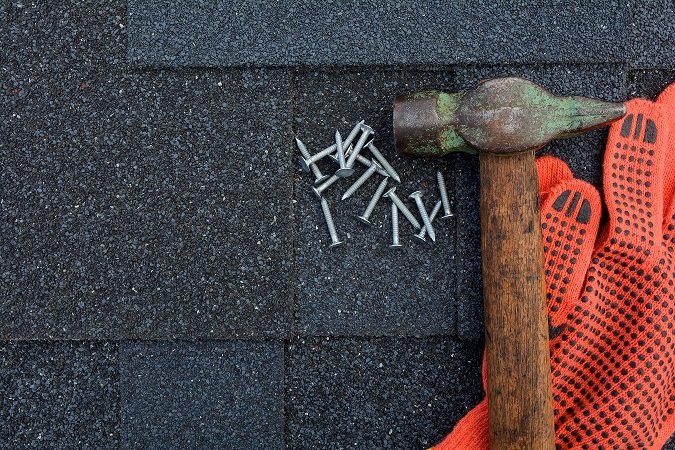
The Ultimate Guide To Choosing the Right Roof Construction Material for Your Home
As a homeowner, you will have many decisions to make when it comes to selecting the right roofing construction material for your home. With so many options on the market, it can be difficult to know which one is best suited for your needs. This blog post will provide some tips on what factors to consider when making this important decision.
As a homeowner, you will have many decisions to make when it comes to selecting the right roofing construction material for your home. With so many options on the market, it can be difficult to know which one is best suited for your needs. This blog post will provide some tips on what factors to consider when making this important decision.
Durability and Strength
When it comes to roofing materials, durability, and strength should top your list of considerations. Many materials are designed to last longer than others, so make sure you do your research and choose one that will hold up against time and weather conditions. Asphalt shingle roofs are popular because they offer great protection from water damage and wind gusts, but other materials like wood, metal, or concrete are also worth considering depending on the size of your budget and desired aesthetic.
Cost
The cost of roofing material is an important factor when making this decision. As mentioned above, asphalt shingles tend to be one of the cheaper options—which makes them a great choice for budget-conscious homeowners—but other materials may be more expensive upfront but save money in the long run due to their durability or energy efficiency (for example). Research all available options before committing so that you can make an informed decision that works within your budget.
Climate Considerations
The climate in which you live should also influence your choice of roofing materials. For example, if you live in an area with extreme heat or cold temperatures, then you’ll want a material that can handle these conditions without wearing down too quickly or allowing too much heat into the house during the summer months. Additionally, if you experience frequent storms with high winds or hail, then you’ll want a material that is able to stand up against these elements as well. It’s important to take into account all weather conditions that could affect how long your new roof lasts before making any final decisions about which material is best for you.
Choosing the right roofing construction material for your home is a big decision that should not be taken lightly. Make sure you consider all factors such as durability, strength, cost, climate considerations, and more before settling on any type of roofing material for your home. By taking all these points into consideration beforehand, you can ensure that the roof over your head remains strong and safe for years to come!

