

A resource for those seeking information on organizing and transforming spaces.

The Pros and Cons of Metal Roofing for Homeowners
When it comes time to replace your roof, you have a lot of choices to make. What type of roofing material should you use? What color should it be? How much will it cost? There are a lot of factors to consider, but one of the most important choices you'll make is deciding between a metal roof and a traditional asphalt shingle roof. In this blog post, we'll break down the pros and cons of metal roofing so you can make an informed decision about what's best for your home.
When it comes time to replace your roof, you have a lot of choices to make. What type of roofing material should you use? What color should it be? How much will it cost? There are a lot of factors to consider, but one of the most important choices you'll make is deciding between a metal roof and a traditional asphalt shingle roof. In this blog post, we'll break down the pros and cons of metal roofing so you can make an informed decision about what's best for your home.
The Pros of Metal Roofing
There are a lot of benefits that come with choosing a metal roof for your home. Metal roofs are:
-Durable: Metal roofs can last up to 50 years with proper installation and maintenance.
-Fire-resistant: Metal roofs are non-combustible, which means they won't catch fire in the event of an ember from a nearby wildfire or house fire.
-Energy-efficient: Metal roofs reflect heat, which helps keep your home cooler in the summer and warmer in the winter. This can lead to lower energy bills year-round.
-Lightweight: Metal roofs weigh much less than asphalt shingle roofs, which means they put less strain on your home's structure.
-Recyclable: When it's time to replace your metal roof, the materials can be recycled instead of ending up in a landfill.
The Cons of Metal Roofing
Of course, there are also some drawbacks to using metal roofing for your home. These include:
-Cost: Metal roofs can be more expensive than asphalt shingle roofs, both upfront and over the long term.
-Noise: When it rains or hails, you'll hear every drop hit your roof. This can be especially loud if you live in an area with frequent severe weather.
-Installation: Metal roofs need to be installed by experienced professionals to avoid leaks and damage.
-Lightning: While metal does not attract lightning, it conducts electricity, so if your home is struck by lightning, there is a risk that the electrical current could damage your home. This risk can be reduced by installing an electrical grounding system.
So, should you choose a metal roof for your home? It depends on your needs and preferences. If you're looking for a durable, fire-resistant option that will help keep your energy bills low, metal roofing is a great choice. However, if you're concerned about cost or noise levels, you may want to consider another type of roofing material. We hope this blog post has helped you learn more about metal roofing so you can contact your local roofing specialist, like JMS Exteriors LLC, to get a new roof installed!

Understanding Types of Insulation and the Benefits of Each for Your Home
Most people are familiar with the basic types of insulation, but there are actually several different types of insulation, each with its own set of benefits. In this blog post, we'll take a look at the most common types of insulation and the benefits they offer for your home.
We partnered with an insulation company for this post. The opinions in the post are honest. All reviews and opinions expressed in this post are based on our personal views. We are excited because we know you will love it.
Most people are familiar with the basic types of insulation, but there are actually several different types of insulation, each with its own set of benefits. In this blog post, , we'll take a look at the most common types of insulation and the benefits they offer for your home, and what to look for in installed insulation services.
Fiberglass Insulation
Fiberglass insulation is one of the most popular types of insulation on the market. It's made from glass fibers that are spun into a fabric and then treated with a fire-resistant material. Fiberglass insulation is effective at preventing heat loss and is often used in attics, walls, and crawl spaces. One of the main benefits of fiberglass insulation is that it's relatively inexpensive and easy to install.
Cellulose Insulation
Cellulose insulation is made from recycled paper products that are treated with chemicals to prevent fire and pests. Cellulose insulation is effective at sealing gaps and cracks, which makes it ideal for use in attics, walls, and crawl spaces. Cellulose insulation is also environmentally friendly and has a high R-value, which means it's very effective at preventing heat loss.
Spray Foam Insulation
Spray foam insulation is made from a mixture of chemicals that are sprayed onto surfaces. Spray foam insulation expands to fill gaps and cracks, making it ideal for use in attics, walls, crawl spaces, and even around windows and doors. One of the main benefits of spray foam insulation is that it forms an airtight seal that prevents heat loss.
Batt and Roll Insulation
Batt and roll insulation is made of fiberglass or mineral wool that comes in pre-cut pieces and rolls. It's often used in attics, walls, and crawl spaces to prevent heat loss. One of the main benefits of batt and roll insulation is that it's relatively easy to install and can fill hard-to-reach areas.
There are several different types of insulation available on the market, each with its own set of benefits. When choosing a type for your residential Insulation installation, be sure to consider the R-value as well as the cost of installation. If you're not sure which type of insulation is right for your home, consult a professional contractor who can help you choose the best option for your needs.

Parts of Your Home You Don't Want Breaking
Homeowners know that the structure of their home is something to be treasured and nurtured. But when things break, it can cause a great deal of stress and financial pain - not to mention the potential danger that comes with malfunctioning parts of your house. In this blog post, we will explore some important areas of your home you don't want to break (and how maintenance and taking care of them can help prevent serious damage). So read on - knowledge is power when it comes to keeping your home safe!
Homeowners know that the structure of their home is something to be treasured and nurtured. But when things break, it can cause a great deal of stress and financial pain - not to mention the potential danger that comes with malfunctioning parts of your house. In this blog post, we will explore some important areas of your home you don't want to break (and how maintenance and taking care of them can help prevent serious damage). So read on - knowledge is power when it comes to keeping your home safe!
Roofing
Your roof is essential for protecting you and your home’s contents from the elements, so it's important to ensure that it stays in good working condition. Regularly checking your roof for missing shingles, tears, and cracks will help you catch issues before they become large-scale disasters. If damage does occur, addressing it swiftly is key - depending on its severity, a roof leak can cause structural damage or even a collapse if left unchecked. Investing in professional roofing repairs can sometimes be costly but is worth the expense in order to prevent any further destruction. To keep safe and avoid needing unexpected major repairs later on down the line, it’s important to stay ahead of any potential issues with your roof by staying proactive.
Plumbing
Plumbing is one of those household systems that, if it goes wrong, can be catastrophic - and expensive! Common plumbing problems involve leaking toilets, blocked drains, broken pipes, and faulty fixtures. Luckily these issues are relatively easy to prevent by scheduling regular maintenance like inspections for water tanks, regular septic system pumping, and cleaning out your drains. You should also make sure to check for signs of wear or damage like peeling paint around pipes or droplets from the ceiling beneath them. Additionally, you should also always switch off your main water meter in order to prevent any flooding! Proper upkeep will help ensure your home stays safe during plumbing troubles.
Electrical wiring
Electrical wiring is a crucial part of your home, yet most of us take it for granted. The wiring in our homes is constantly exposed to potential hazards like short-circuiting, corrosion, and outdated circuitry. Taking the time to ensure that your home's electrical wiring is kept up to date is a smart investment. With regular inspection and maintenance, you can avoid potentially costly repairs down the road. Additionally, making sure all wires are properly grounded or covered with thermal insulation will minimize their risk of exposure to electricity and heat. Always hire a professional before experimenting with your own wiring, however; unless you know what you're doing, it can be a major risk to attempt this maintenance yourself. There’s no better way to maintain the integrity of your home’s wiring than by investing in proper maintenance – so start today!
Heating/Air Conditioning
Heating, ventilation, and air conditioning (HVAC) systems are essential for maintaining a comfortable environment in the home, but they require regular maintenance to keep them running at optimal levels. One of the main pieces of advice all homeowners should understand is how necessary it is to regularly change filters and maintain their unit - doing this will often help avoid more costly repairs that could result in larger expenses. Additionally, knowing your HVAC model so you are aware of the signs of a system malfunction is invaluable. With proper knowledge about heating and air conditioning systems, homeowners can easily increase efficiency and guarantee long-term savings that come from adequately protecting one of the most important parts of their home.
Windows & Doors
Windows and doors play an integral part in keeping our homes safe and comfortable. It's important to ensure that seals are properly sealed, as any cracks or gaps can cause serious damage such as water leakage and energy loss. Keeping the seals on doors and windows maintained can help protect against costly repairs down the line. Regular inspections and upkeep should be part of your regular home maintenance routine, checking for wear-and-tear that can put excess stress on the door or window seal, causing issues over time. Sealant replacements should be done using high-quality products, as these will serve you best - though not all sealants are created equal, so do your research before committing to a purchase. Taking all these steps will pay off in the long run!
Appliances & Other Tech
We’re so used to having all the modern home convenience appliances and devices like smart televisions, thermostats, doorbells, and refrigerators that it can be easy to forget they need regular maintenance. Not performing the required upkeep on these tech items can lead to major hassles and costs down the line. Make sure you’re staying up-to-date with all the maintenance requirements for these important parts of your home - it'll save you time, frustration, and money in the long run!
As a homeowner, it is vitally important to keep up with the maintenance and repair of certain parts of your home. From your roofing and plumbing to heating/air conditioning and windows & doors, understanding the basics and taking steps to prevent damage can mean a big difference in the long run. And don’t forget about appliances and other tech devices; many times simple preventive maintenance measures like regular servicing or filter changes can save you from potentially messy consequences down the road. If ever you’re unsure of how to handle a situation or simply need help identifying an issue, be sure to consult with experts who specialize in dealing with these matters. Taking the initiative now can save you time, energy and money in the long run.
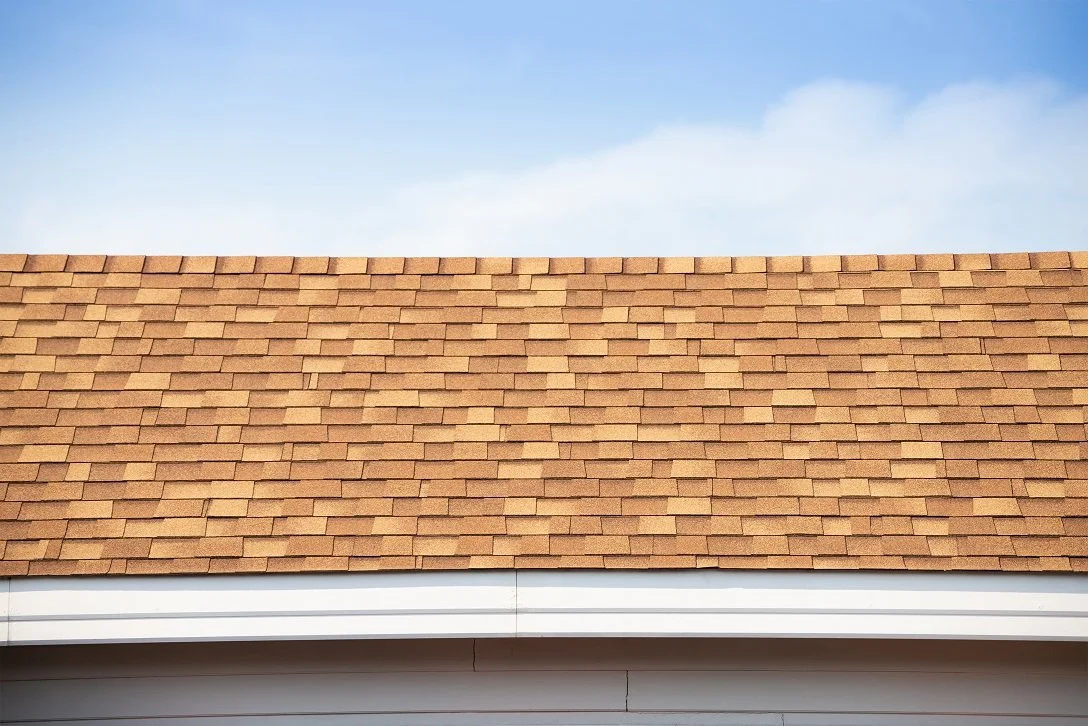
A Comprehensive Guide To Understanding and Choosing Shingle Roofs for Your Home
There are many options for roofing materials when it comes to protecting your home from the elements, but shingle roofs are one of the most popular choices. Shingle roofs provide a relatively easy and cost-effective installation, while also protecting your home with a durable roof that can last for decades. In this guide, we cover everything you need to know about understanding and choosing shingle roofs for your home.
There are many options for roofing materials when it comes to protecting your home from the elements, but shingle roofs are one of the most popular choices. Shingle roofs provide a relatively easy and cost-effective installation, while also protecting your home with a durable roof that can last for decades. In this guide, we cover everything you need to know about understanding and choosing shingle roofs for your home.
Benefits of Shingle Roofs
Shingle roofs offer several advantages over other types of roofing materials. For starters, shingles are relatively affordable compared to other options like metal or tile roofs. They also come in a variety of colors and styles, so you can easily find something that matches the look of your home or adds some contrast if desired. Additionally, shingle roofs are highly resistant to fire damage because they are made from flame-resistant asphalt material. Last but not least, shingles require very little maintenance—just periodic inspections for wear and tear—so you won’t have to worry about spending too much time or money on upkeep.
Types of Shingles
The two main types of shingles available are asphalt and metal. Asphalt shingles are the most common type used in residential construction due to their affordability and easy installation process. Asphalt shingles come in a variety of shapes, sizes, colors, and textures to fit any style or budget. Metal shingles are becoming increasingly popular due to their strength and fire resistance. They come in many different styles, such as corrugated, standing-seam, and vertical panels that can accommodate almost any roof design or pitch.
Roof Preparation
Before any new roof is installed, there needs to be an evaluation of the existing structure and repairs made if necessary. For example, improper ventilation can lead to mold growth or ice dams in winter months, which can cause water damage over time. It’s important that the existing structure be evaluated before any new roof is installed so that these issues can be addressed first in order to increase the lifespan of the new roof.
Installation Process
Once all necessary inspections have been completed, it’s time for installation! Installing a new roof typically takes two or three days, depending on size and complexity. During installation, workers will remove old materials, inspect decking (the wooden part below the surface material), install flashing (metal pieces used in corners/edges), install drip edge (metal edging along eaves/gutters), lay felt paper (the waterproof layer between the roof deck and shingles), then finally install the chosen shingle type according to manufacturer instructions.
A properly installed shingle roof should last 20-30 years with regular maintenance, such as cleaning gutters annually and having a professional inspect your roof every 3-5 years, depending on the age and condition of your roof. Now that you're armed with all this valuable information about understanding and choosing shingle roofs for your home, you should feel confident making this important decision that will protect your greatest investment. If you have any questions or concerns along your journey, don’t hesitate to contact a professional contractor who knows what they’re doing!

