

A resource for those seeking information on organizing and transforming spaces.
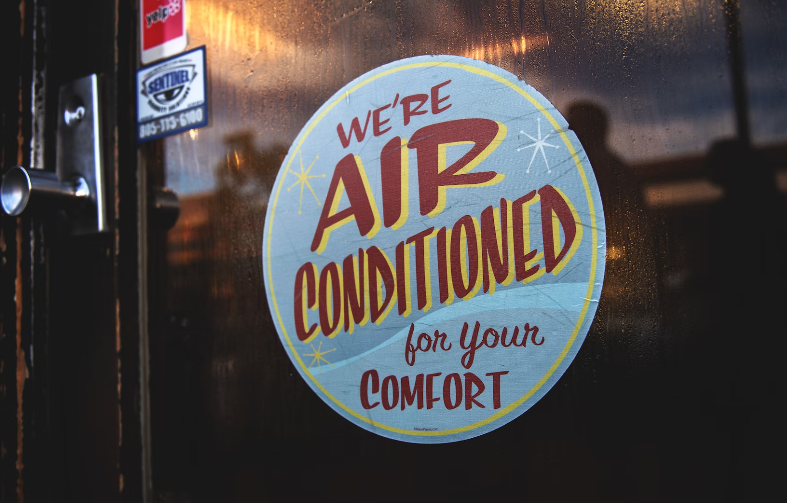
5 Signs Your AC Unit Needs Repairs
When you turn on the air conditioner, it should quickly cool your entire home. If this doesn’t happen, it may be time to call a repair technician. Knowing when to call for repairs can save you money in the long run and keep your home comfortable all summer long. Here are five signs that your air conditioning unit needs repairs.
When you turn on the air conditioner, it should quickly cool your entire home. If this doesn’t happen, it may be time to call a repair technician. Knowing when to call for repairs can save you money in the long run and keep your home comfortable all summer long. Here are five signs that your air conditioning unit needs repairs.
High Energy Bills
If your energy bills have been higher than usual, this could be an indication of a malfunctioning AC unit. A broken fan motor or dirty air filter can cause your system to work harder than necessary. This will not only make your energy bills skyrocket but can also damage the compressor over time. If you notice a sudden spike in energy costs, you should contact an AC specialist for diagnosis and repairs.
Inadequate Cooling
If certain rooms in your house are not getting cool enough or if it feels like some areas are not cooling at all, this could indicate that something is wrong with the refrigerant levels in your system or that there is a larger issue at play. It is best to contact an expert immediately so they can diagnose what is happening and recommend a solution before the problem worsens or leads to more costly repairs.
Unusual Noises
If you hear strange noises from your air conditioner, like rattling, buzzing, or grinding, this could mean an issue with one of its components, such as the fan motor or blower wheel. These noises indicate that something isn’t working properly within the system, so it should be inspected by a specialist in air conditioning repair as soon as possible for proper diagnosis and repair.
Weird Smells
If you start to notice any strange smells coming from your AC unit, it could mean there is mold growing inside of it due to moisture buildup from condensation or even dust accumulation on its coils. A bad smell indicates microbial growth, which must be taken care of promptly by an experienced HVAC technician who can clean out the system and remove any mold spores before they spread throughout other parts of your home.
Leakage
Suppose you ever spot water pooling around your outdoor unit or indoor vents. In that case, this means a serious issue has developed somewhere within the system and needs immediate attention from an HVAC specialist who can identify where exactly it is coming from and how best to fix it so that no further damage is done. Leaks can lead to extensive water damage if left unchecked for too long, so don’t wait—contact a repair technician ASAP.
Knowing when to call for AC repairs can help save you money in addition to keeping your home comfortable throughout the hot summer months ahead. Suppose you experience any of these signs, like high energy bills, inadequate cooling, unusual noises, weird smells, or leakage. In that case, you should contact an HVAC technician immediately for proper diagnosis and repair services before further damage occurs. Keep cool this summer by being aware of these warning signs.

4 Ways to Upgrade Your Home's Insulation This Spring
Spring is the perfect time to upgrade the insulation in your home. Not only will it reduce your energy bills, but it can also help you save money in the long run by improving your home's energy efficiency. Here are four tips to help you upgrade your home's insulation this spring.
Spring is the perfect time to upgrade the insulation in your home. Not only will it reduce your energy bills, but it can also help you save money in the long run by improving your home's energy efficiency. Here are four tips to help you upgrade your home's insulation this spring.
Inspect Your Insulation
The first step in upgrading your home's insulation is to inspect it and identify any areas that need to be improved. Check around windows and doors, as well as in attics and crawlspaces, for any signs of gaps or other damage that might be letting air escape. If you find any holes, cracks, or gaps in these areas, they should be filled with caulk or weather-stripping to prevent air from escaping.
Consider Exterior Wall Insulation
Exterior wall insulation is a great way to increase the energy efficiency of your home. It can be installed on the outside of your walls where it keeps heat from entering during the summer months and traps heat inside during the winter months. By investing in exterior wall insulation, you can significantly reduce heating and cooling costs over time.
Invest in Attic Insulation
Attic insulation is one of the most effective ways to improve energy efficiency in your home while saving money on heating and cooling costs over time. When installing attic insulation, make sure that all vents are properly sealed off and covered with a high-quality vapor barrier material so that warm air stays trapped inside during the cold winter months and cool air stays trapped inside during hot summer months.
Research Different Types of Insulation
There are many different types of insulation available for homes today including fiberglass, cellulose, foam board, reflective foil, and more. Each type of insulation has its own unique set of benefits so it’s important to research each option carefully before making a decision about which type is best for your needs and budget. There are also methods you can try, such as roof painting. A company like Associated Paint, Inc.. can help you add a protective and insulating sealant to your roof.
Upgrading your home’s insulation this spring is a great way to save money on energy bills while increasing its overall energy efficiency over time. From inspecting existing insulation to researching different types of materials available on the market today, there are plenty of ways to get started on an effective insulating project this spring! Make sure you do plenty of research beforehand so that you can make an informed decision when selecting materials for your project. With these tips in mind, you’ll be well on your way towards getting started with a successful insulating project this season!

4 Signs It’s Time to Replace Your Residential Roofing
If your home has a roof, it will eventually need to be replaced. While residential roofs can last for decades, they are not designed to last forever. Knowing when it is time to replace your roof is essential for homeowners because it can help you budget and plan for the costs associated with replacing a roof. This post will take a look at four signs that indicate it may be time to replace your residential roofing.
If your home has a roof, it will eventually need to be replaced. While residential roofs can last for decades, they are not designed to last forever. Knowing when it is time to replace your roof is essential for homeowners because it can help you budget and plan for the costs associated with replacing a roof. This post will take a look at four signs that indicate it may be time to replace your residential roofing.
Roof Age
One of the main factors that determine if you need residential roofing replacement is its age. Generally speaking, the average life expectancy of an asphalt shingle roof is 15-30 years depending on the climate conditions and maintenance habits. If your roof is getting close or past this age range, then it may be time to consider replacing it. Additionally, if you are unsure of how old your current roof is, you can typically find information about the installation date in public records or by contacting the manufacturer directly.
Curling and Buckling Shingles
Another sign that indicates it may be time for a new roof is if you notice curling or buckling shingles on the surface of your existing one. This can occur when moisture becomes trapped between layers of shingles due to poor ventilation or age and degrades them over time. If this occurs, then replacement might be necessary since these damaged shingles could cause leaks and other structural damage if left untreated too long.
Missing Shingles
If there are missing shingles on your home’s roof—or even worse, large sections of missing shingles—then this could also mean that replacement is in order. Not only do missing shingles look unsightly, but they could also lead to serious water damage if not addressed quickly enough. Furthermore, if you experience multiple storms where some shingles end up coming off each time, then this could be an indication that something else needs replacing as well such as flashing or gutters around the edge of the roofline itself.
Attic Moisture/Mold Growth
The attic space beneath your home's roof often provides one of the best indications of whether or not a new one is needed because any moisture or mold growth in this area could signify problems with either insulation or ventilation in addition to potential leaks from above (which would require immediate attention). Additionally, attics should have proper ventilation installed so that air circulation prevents moisture build-up, which will further protect against mold growth in addition to helping preserve existing insulation materials within this space as well.
The age and condition of your residential roof should never be taken lightly because leaving these issues unchecked can cause serious damage both inside and outside of your property over time. By familiarizing yourself with these four signs that indicate when it’s time for a new one, you'll know exactly what warning signs look out for so that any necessary replacements can be performed promptly! Ultimately though, no matter what state yours currently finds itself in, having regular professional inspections done every two years will ensure its longevity and help prevent any costly repairs down the line.

What to Do When Your Home Cracks Open
Cracks in walls, floors, or ceilings are common signs that a home suffers from foundation issues. If you have recently noticed such cracks in your house, it is important to take immediate action as foundation problems can lead to serious structural damage and costly repairs if left unchecked. Below are some of the things you should do to start repairing your home’s foundation and as a whole.
Cracks in walls, floors, or ceilings are common signs that a home suffers from foundation issues. If you have recently noticed such cracks in your house, it is important to take immediate action as foundation problems can lead to serious structural damage and costly repairs if left unchecked. Below are some of the things you should do to start repairing your home’s foundation and as a whole.
Assessing the Damage
The first step in dealing with any foundation issue is to assess the damage and its severity. This requires a thorough inspection of your home by a qualified professional. The inspector will look for cracks or shifts in walls, floors, ceilings, and even fences. They’ll also look for any evidence of moisture and any other possible causes for concern. Once the assessment has been completed, the results will be used to develop an effective repair plan.
Repairing Foundation Issues
Fortunately, many ways exist to repair foundation problems before they cause irreversible damage. Depending on the severity of the issue, some solutions may include underpinning damaged foundations; installing supports to reinforce weak spots; or using chemicals such as grout or epoxy to seal cracks or gaps. It's also important that any potential water sources are identified and addressed so that further damage does not occur. All of these can be taken care of by trusted professionals, such as the people at TTexas Foundation Experts, so that the job gets done right the first time.
Preventative Measures
Once your foundation has been repaired, it's important to take proactive steps to avoid future issues. This includes regularly checking for signs of new cracks or shifts, quickly addressing drainage problems, and monitoring for moisture build-up near windows or outside walls during heavy rain or snow melt. Additionally, it can be beneficial to install a sump pump system if your basement is prone to flooding so that water is directed away from the house rather than into it!
Foundations are integral parts of our homes, and when these foundations start showing signs of wear and tear due to age or environmental conditions, it’s important that we take measures immediately before more serious damage occurs. After assessing the issue with a professional inspector and repairing any damages found through underpinning techniques, chemical treatments, etc., homeowners should also focus on preventive measures like regularly checking for new cracks or shifts and ensuring proper drainage around their property so they don’t have similar problems in the future. These steps will help keep your home safe and secure for years.

