

A resource for those seeking information on organizing and transforming spaces.

6 Signs it's Time to Seek Furnace Repair
Worrying about the furnace breaking down in the middle of winter is perhaps every homeowner's seasonal dread. Not only can it lead to an uncomfortable chill, but it can also be a potential safety hazard. To avoid the worst, it's crucial to keep an eye (and ear) out for signs of a struggling furnace and promptly address any issues. Whether it's a strange noise or an inexplicably high energy bill, your furnace often gives you fair warning before it ceases to function. This comprehensive guide will help you recognize when your furnace is aching, letting you know it's time for some much-needed attention.

Worrying about the furnace breaking down in the middle of winter is perhaps every homeowner's seasonal dread. Not only can it lead to an uncomfortable chill, but it can also be a potential safety hazard. To avoid the worst, it's crucial to keep an eye (and ear) out for signs of a struggling furnace and promptly address any issues. Whether it's a strange noise or an inexplicably high energy bill, your furnace often gives you fair warning before it ceases to function. This comprehensive guide will help you recognize when your furnace is aching, letting you know it's time for some much-needed attention.
Low to No Heat Output
One of the most obvious signs that you need furnace or air conditioning repair is a lack of appropriate heat output. When your home doesn't warm up as it used to, or some rooms feel significantly cooler than others, it's time to investigate. This can be indicative of various issues such as a malfunctioning thermostat, a clogged air filter, or even a failing blower motor. Actively monitor your home's temperature to ensure consistency and address any disparities as they occur.
Thermostat Troubles
If the thermostat is unresponsive or is really not transmitting the temperature changes you've set, the issue may lie with this control center.
Air Filter Check
A clogged air filter obstructs air flow, making it harder for your furnace to distribute heat effectively. Regularly checking and changing filters can help optimize performance.
Blower Motor Issues
Your blower motor is responsible for distributing heat throughout your home. If it stops or slows down, this can have a major impact on the heat levels you experience indoors.
Spiking Energy Bills
A sudden, unexplained increase in your energy bills could be a compelling call for furnace repair. Older or malfunctioning furnaces may consume more energy to operate, especially if they are working harder to maintain the desired temperature in your home. The consequence is often seen in hefty monthly bills. If your energy usage hasn't changed but your bills have, it's time to investigate the potential furnace issue at hand.
Inefficient Operation
Furnaces lose efficiency over time for various reasons, such as wear and tear, inadequate maintenance, or improper installation.
Overworking due to Damaged Parts
When components within the furnace malfunction, other parts may compensate, leading to an overall increase in energy usage.
Ignition Malfunctions
A faulty ignition can lead to issues with the heating process, which may result in prolonged running times and higher energy consumption.
Odd Noises and Odors
Furnaces are not known for being silent or scentless, but there are some sounds and smells that are definite red flags. If you're hearing bangs, clunks, or screeches from your furnace, it could signify anything from a loose part to a gas ignition problem. Unusual odors are just as concerning, particularly if they are metallic, akin to something burning, or smell like rotten eggs — which could indicate a gas leak.
Rattling or Banging Noises
These noises may signal a variety of issues, from simple fixes like loose screws to more complex concerns such as a failing motor.
Squealing or Screeching Sounds
Indicative of needing lubrication or a sign of a more severe issue with the blower motor, these sounds require immediate attention.
Musty or Burning Odors
Musty odors could mean mold, while burning smells could indicate parts burning or electrical issues. Both require urgent assessment.
Yellow Burner Flame
A healthy furnace flame should be consistently blue. A yellow or flickering flame is often a sign of incomplete combustion, which means your furnace could be generating carbon monoxide, a potentially lethal gas. Carbon monoxide is odorless and colorless, making it especially dangerous. If you notice a change in the flame color, open your windows, shut off the furnace, and call a professional immediately.
The Importance of the Flame Color
Blue indicates complete combustion, while yellow means there might be a problem with the mixture of air and gas, potentially leading to CO production.
Carbon Monoxide Poisoning Signs
Headaches, dizziness, nausea, shortness of breath, and flu-like symptoms can all be indicative of carbon monoxide poisoning.
Having a Carbon Monoxide Detector
Having a working CO detector is crucial for catching leaks early, offering an added layer of protection for your household.
Excessive On/off Cycling
Furnaces are designed to run in cycles that maintain a consistent temperature in your home. However, if your furnace is turning on and off more frequently than normal – a behavior known as short-cycling – it can indicate a range of issues that need prompt attention. This includes everything from an incorrectly sized furnace to a clogged filter or even a malfunctioning thermostat. Short-cycling not only reduces your home's comfort but also puts your furnace through unnecessary wear and tear.
The Impact on Furnace Longevity
Frequent cycling means your furnace components are experiencing additional stress and can lead to premature equipment failure.
Thermostat and Blower Settings
Making sure your thermostat and blower settings are appropriately adjusted can sometimes resolve short-cycling problems.
Call a Professional
Ultimately, short-cycling issues often require a professional to diagnose and address. Avoid attempting to fix this issue yourself to prevent further damage.
Decades of Service
Like all appliances, furnaces have a lifespan. Most modern furnaces can be expected to last between 15 and 20 years, but this can vary based on usage and maintenance. If your furnace is approaching or has surpassed its life expectancy, it's important to keep a close eye on it for signs of trouble. Even if it seems to be functioning well, regular maintenance and proactive repairs can significantly extend its life and ensure it's operating safely and efficiently.
Understanding the Age of Your Furnace
Check your furnace's installation date and compare it to the expected lifespan to gauge where it is in its service life.
Regular Maintenance Extends Life
Having your furnace serviced annually can catch and address minor issues before they become major, potentially extending its life for several years.
The Case for Newer, More Efficient Models
If your furnace is older and starts to require frequent or costly repairs, it may be more cost-effective in the long run to invest in a high-efficiency replacement.
By staying vigilant and responding promptly to these warning signs, you can prevent a full-blown furnace failure and keep your home warm and safe. Remember, when in doubt, always consult with a professional. Your comfort, safety, and wallet will thank you.

5 Creative Ideas for Personalizing Your Backyard
Your backyard is an extension of your home, a place where you can relax, entertain, and enjoy the outdoors. Personalizing your backyard can make it feel like your own private oasis, a space that reflects your style and personality. If you're looking to add some unique touches to your outdoor space, here are 5 creative ideas for personalizing your backyard.
We partnered with a home design company for this post. The opinions in the post are honest. All reviews and opinions expressed in this post are based on our personal views. We are excited because we know you will love it.
Your backyard is an extension of your home, a place where you can relax, entertain, and enjoy the outdoors. Personalizing your backyard can make it feel like your own private oasis, a space that reflects your style and personality. If you're looking to add some unique touches to your outdoor space, here are 5 creative ideas for personalizing your backyard.
Fencing
One often overlooked aspect of backyard design is the fencing. Instead of settling for a standard wooden or chain-link fence, consider incorporating more creative options. One idea is to use lattice panels as fencing, which adds a decorative touch while still providing privacy. Another option is to install a living fence by planting tall bushes or trees along the perimeter of your yard. This not only creates a natural barrier but also adds lush greenery to your outdoor space. Consider planning with a residential fence installer, as they’ll have great insight into framing your backyard!
Outdoor Seating Area
Create a cozy outdoor seating area where you can relax and unwind. Consider adding a pergola or gazebo to provide some shade and structure to the space. Add comfortable outdoor furniture such as lounge chairs, a hammock, or even a swing bench. To make the area feel more inviting, add outdoor rugs, throw pillows, and string lights for ambiance.
Fire Pit
A fire pit is a great addition to any backyard, providing warmth and creating a focal point for gatherings with friends and family. You can choose from various styles of fire pits such as built-in stone pits, portable metal fire bowls, or even DIY fire pit tables. Surround the fire pit with seating options like Adirondack chairs or benches for a cozy setup. According to Studio Nisho, the key to making fire pits aesthetically pleasing is blending natural textures with minimalist design. Let the flame become the centerpiece, surrounded by clean lines and neutral tones, creating a space where warmth meets intentional simplicity.
Vertical Gardens
If you have limited space in your backyard but still want to incorporate greenery, consider creating vertical gardens. These gardens can be made by attaching planters to walls or fences or using freestanding structures like trellises or plant towers. Plant herbs, flowers, succulents, or even vegetables in these vertical gardens to add color and life to your outdoor space.
Outdoor Kitchen
For those who love entertaining and cooking outdoors, consider adding an outdoor kitchen to your backyard. This could include a built-in grill, countertops for food prep, storage cabinets for utensils and dishes, and even a mini fridge or bar area. Create an alfresco dining experience by adding an outdoor dining table with seating so you can enjoy meals under the stars.
Personalizing your backyard is all about making it feel like an extension of your home that reflects your personality and style. By incorporating creative ideas like unique fencing options, cozy seating areas, fire pits for warmth and ambiance, vertical gardens for greenery in small spaces, and outdoor kitchens for entertaining guests – you can transform your outdoor space into a personalized oasis that you'll love spending time in. Get inspired by these ideas and start planning how you can personalize your own backyard!

Elevate Your Outdoor Space: A Guide to Adding Value to Your Home This Spring
As the warmer weather approaches, it's time to start thinking about how you can elevate your outdoor space and add value to your home. Whether you're looking to create a relaxing oasis or increase your home's curb appeal, there are plenty of ways to make your outdoor space more inviting and functional. In this guide, we'll explore some creative and budget-friendly ideas to help you transform your outdoor area into a beautiful and valuable extension of your home.

As the warmer weather approaches, it's time to start thinking about how you can elevate your outdoor space and add value to your home. Whether you're looking to create a relaxing oasis or increase your home's curb appeal, there are plenty of ways to make your outdoor space more inviting and functional. In this guide, we'll explore some creative and budget-friendly ideas to help you transform your outdoor area into a beautiful and valuable extension of your home.
Start With a Clean Slate
Before you begin any outdoor improvement projects, it's important to start with a clean slate. This means decluttering your outdoor space, removing any dead plants or debris, and giving your outdoor furniture a good clean. A clean and tidy space will not only make it easier to visualize your improvements but will also make your outdoor area more inviting for you and your guests.
Create Distinct Areas
Consider breaking up your outdoor space into distinct areas for different purposes. For example, you could create a cozy seating area for relaxing and entertaining, a dining area for outdoor meals, and a play area for children. By creating distinct zones, you can make your outdoor space feel more organized and functional, while also adding value to your home.
Add Landscaping Elements
One of the easiest ways to elevate your outdoor space is by adding landscaping elements such as plants, flowers, trees, and shrubs. Not only will these elements add beauty and color to your outdoor area, but they can also increase the value of your home. Consider adding a mix of perennial and annual plants for year-round interest, and don't forget to add some native plants to attract local wildlife.
Upgrade Your Outdoor Lighting
Lighting plays a crucial role in creating a welcoming and functional outdoor space. Consider upgrading your outdoor lighting to include a mix of pathway lights, string lights, and spotlights to highlight key features of your outdoor area. Not only will this enhance the ambiance of your outdoor space, but it will also increase the safety and security of your home.
Invest in Outdoor Furniture and Accessories
To truly elevate your outdoor space, consider investing in high-quality outdoor furniture and accessories. Look for durable materials that can withstand the elements, such as teak, aluminum, and all-weather wicker. Adding comfortable seating, dining sets, and accessories such as outdoor rugs, throw pillows, and umbrellas can transform your outdoor space into a stylish and functional oasis that adds value to your home.
Install a Swimming Pool or Hot Tub
For those looking to make a bigger investment in their outdoor space, consider installing a swimming pool or hot tub. Not only will pool construction provide hours of entertainment and relaxation for you and your family, but it can also significantly increase the value of your home. Make sure to research the different types and sizes available to find one that fits both your budget and space constraints.
Get a New Roof or Upgrade Your Siding
In addition to the outdoor space itself, upgrading your home's exterior can also add value. Consider getting a new shingle installation or upgrading your siding to improve your home's curb appeal and protect it from the elements. These improvements may require a larger investment upfront but can greatly increase the value of your home in the long run.
Elevating your outdoor space is a great way to add value to your home while creating a beautiful and functional extension of your living space. By following the tips outlined in this guide, you can transform your outdoor area into a welcoming oasis that you and your guests will enjoy for years to come. So, this spring, take the time to invest in your outdoor space and watch as it becomes a valuable asset to your home.
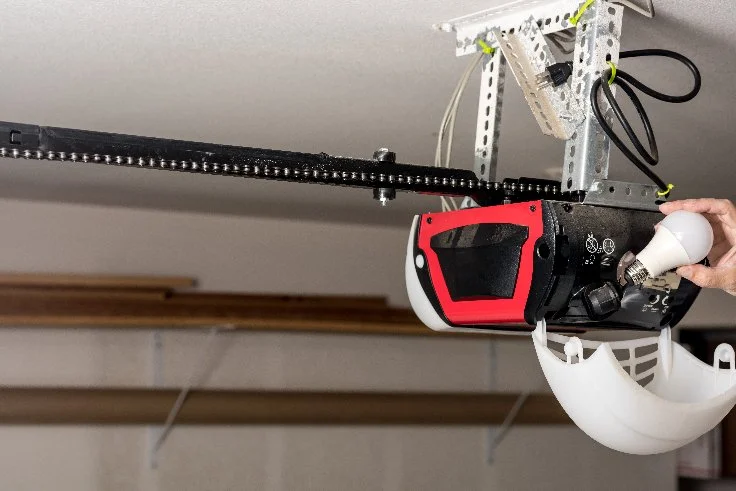
Protecting Your Garage Door: What to Do (and Not to Do) for Long-Term Durability
You may not often think about it, but your garage door is an essential part of your home, providing security and convenience. However, it is often overlooked when it comes to maintenance. By following some simple tips, you can ensure that your garage door lasts for years to come. In this blog post, we will discuss what you should and should not do to make your garage door last long.
You may not often think about it, but your garage door is an essential part of your home, providing security and convenience. However, it is often overlooked when it comes to maintenance. By following some simple tips, you can ensure that your garage door lasts for years to come. In this blog post, we will discuss what you should and should not do to make your garage door last long.
Regular Maintenance
One of the most important things you can do to make your garage door last long is to perform regular maintenance. This includes lubricating moving parts, checking for wear and tear, and tightening any loose screws or bolts. By keeping your garage door well-maintained, you can prevent problems before they arise and extend the life of your door.
While regular maintenance is needed, there are certain tasks that should only be handled by a professional. This includes any repairs to the garage door opener or springs, which can be dangerous if not done properly. It's also recommended to have a professional perform a thorough inspection of your garage door every few years to catch any potential issues early on. Don't attempt to fix these problems yourself, as it can not only be dangerous but may also cause further damage to your garage door. It's best to leave these tasks to the experts who have the proper training and equipment.
Keep It Clean
Another vital aspect of maintaining your garage door is to keep it clean. Dirt and debris can build up on the tracks and rollers, causing strain on the motor and other components. By regularly cleaning your garage door, you can prevent premature wear and tear and ensure that it operates smoothly.
When cleaning your garage door, be sure to use the right cleaners. Avoid using harsh chemicals or abrasive materials that can damage the surface of your garage door. Stick to mild soap and water for most cleaning tasks, and be sure to dry off any excess water after washing. If you have a wooden garage door, avoid using power washers as they can cause water damage and warp the wood.
Avoid DIY Repairs
While it may be tempting to save money by attempting to repair your garage door yourself, it is best to leave repairs to the professionals. Garage doors are complex systems that require specialized knowledge and tools to repair properly. Attempting to repair your garage door yourself can result in further damage and costly repairs down the line.
However, there are still some small DIY tasks that you can do to maintain your garage door and save money in the long run. For example, you can regularly check and replace any weatherstripping around your garage door to prevent drafts and keep out pests. You can also clean and lubricate the tracks and rollers yourself to ensure smooth operation. Just be sure to follow manufacturer's instructions and use the right tools for the job. Remember, when in doubt, it's always best to consult a professional for any major repairs or maintenance tasks.
Watch for Signs of Wear and Tear
Be sure to keep an eye out for signs of wear and tear on your garage door. This includes any unusual noises, slow or jerky movements, or visible damage to the door or tracks. If you notice any of these signs, contact a professional garage door repair service to address the issue before it worsens.
If you do notice signs of wear and tear on your garage door, be sure to address the issue promptly. Ignoring a worn garage door can lead to further damage, making repairs more costly in the long run. The first step is to have a professional inspect the door and identify any problem areas. Depending on the extent of the damage, they may recommend simple repairs or a full replacement. Be sure to follow their advice and not attempt to use the door until it has been properly repaired.
Schedule Annual Inspections
To ensure that your garage door is in optimal condition, we recommend you schedule annual inspections with a professional garage door technician. During these inspections, the technician will check for any potential issues and make any necessary adjustments or repairs. By staying proactive with maintenance, you can prevent costly repairs and extend the life of your garage door.
To schedule annual inspections for your garage door, it's best to contact a reputable and experienced garage door technician. They will have the knowledge and expertise to thoroughly inspect your garage door and identify any potential issues. You can ask for recommendations from friends or family, or do some research online to find a trusted professional in your area. Don't wait until you notice a problem with your garage door to schedule an inspection, as preventative maintenance is key in keeping your door in good condition.
By following these tips and avoiding common pitfalls, you can make your garage door last long and operate smoothly for years to come. Remember to perform regular maintenance, keep your garage door clean, avoid DIY repairs, watch for signs of wear and tear, and schedule annual inspections. Your garage door is an important investment, so it's worth taking the time to care for it properly. With proper maintenance, your garage door will continue to provide security and convenience for your home for years to come.

