

A resource for those seeking information on organizing and transforming spaces.

How to Spot Early Signs of Foundation Damage and Water Intrusion in Your Home
Foundation issues and water intrusion can wreak havoc on your home if left unaddressed. By learning how to identify the early signs of these problems, you can take proactive steps to protect your property and prevent costly repairs down the line. Here are some key indicators to watch out for:

Foundation issues and water intrusion can wreak havoc on your home if left unaddressed. By learning how to identify the early signs of these problems, you can take proactive steps to protect your property and prevent costly repairs down the line. Here are some key indicators to watch out for:
Cracks in the Walls
One of the most common signs of foundation damage is the appearance of cracks in your walls, especially near doors and windows. These cracks may start small but can quickly worsen if not addressed promptly. Keep an eye out for vertical or diagonal cracks, as well as any that are wider than a quarter inch.
Uneven Floors
If you notice that your floors are sloping or uneven, it could be a sign of foundation settlement. Use a level to check for any significant deviations from horizontal surfaces. Uneven floors can also lead to issues with doors sticking or not closing properly.
Water Stains or Mold Growth
Water intrusion can cause unsightly stains on your walls or ceilings, as well as promote mold growth. Check for any signs of water damage, such as discolored patches or musty odors. Should you find any, contact a water damage restoration specialist immediately. These professionals can conduct a thorough assessment of your home, identify the source of the problem, and recommend effective solutions. Timely intervention by experts can mitigate the risk of further damage, safeguarding your home's structural integrity and the health of its occupants.
Doors and Windows That Stick
Doors and windows that exhibit visible gaps at the top or bottom are also indicative of potential foundation issues. These gaps can allow exterior air and moisture to enter your home, complicating the situation with additional problems such as increased energy bills and the potential for water damage. Regularly inspect the frames of doors and windows for signs of distortion or separation from the house structure, which could signal underlying shifts and movement in the foundation. Ensuring these issues are addressed promptly can prevent more severe structural damage and maintain the overall integrity and value of your home.
Puddles Around the Foundation
Pooling water around your home's foundation can indicate poor drainage or grading problems. Ensure that water is directed away from your home to prevent excess moisture from seeping into the foundation. Standing water near the foundation can weaken the soil and contribute to structural issues over time.
Exterior Cracks in Bricks or Concrete
Inspect the exterior of your home for any visible cracks in the bricks or concrete walls. These cracks may indicate foundation movement or settling. Keep an eye out for stair-step cracks in masonry joints, as well as any gaps between bricks or blocks.
Sagging or Bowing Walls
Foundation problems can also manifest as walls that appear bowed or sagging inward. This condition often results from excessive hydrostatic pressure from the soil outside the foundation walls, particularly in areas with expansive clay soils or inadequate drainage systems. It's crucial to act swiftly when these symptoms appear, as delayed repairs can lead to more complicated and costly interventions. A structural foundation repair specialist can evaluate the extent of the damage using precise tools and techniques, offering solutions such as wall anchors or carbon fiber straps to stabilize and straighten the affected walls, thus preventing further degradation of your home's structural integrity.
Early detection of foundation damage and water intrusion is key to preserving the structural integrity of your home. By staying vigilant and addressing these issues promptly, you can avoid costly repairs and ensure the longevity of your property. If you suspect foundation problems, don't hesitate to consult with a professional foundation repair contractor to assess the situation and recommend appropriate solutions tailored to your specific needs.
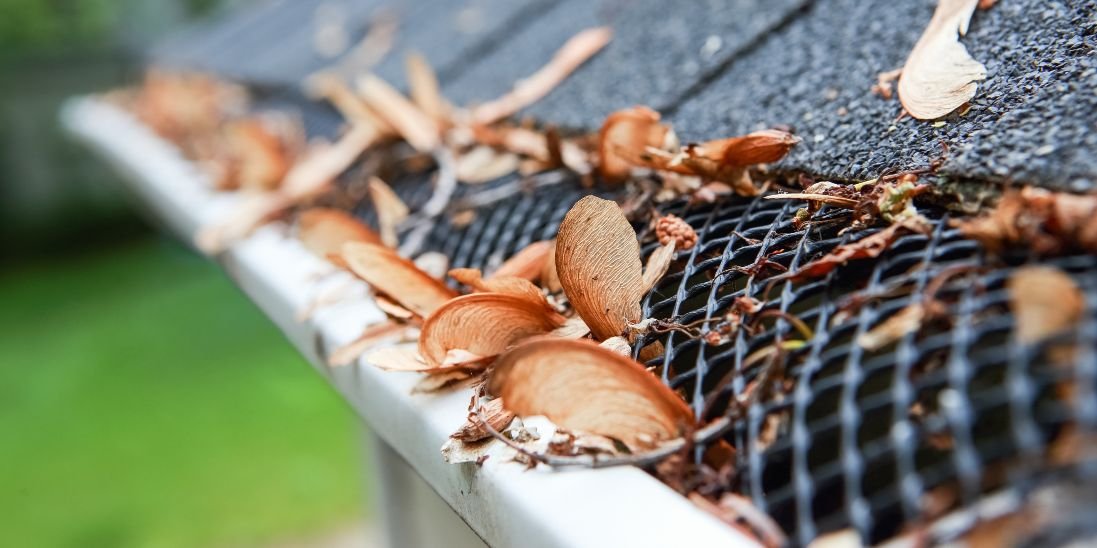
7 Ways To Protect Your Gutters From Clogging
It’s not glamorous to think about gutter maintenance, but ignoring them could lead to clogging. Discover ways to protect your gutter against clogs here.
We partnered with a home improvement company for this post. The opinions in the post are honest. All reviews and opinions expressed in this post are based on our personal views. We are excited because we know you will love it.
If you’re a homeowner, you probably don’t think about your gutters too often—except maybe when it’s raining. But trust me, these handy chutes keep your home safe. When neglected, gutters can transform from unnoticeable features into colossal mess-makers. We’re talking flooded basements, cracked foundations, and even leaky ceilings. Check out these ways to protect your gutters from clogging.
1. Clearing Gutters Regularly
This job is not glamorous, but it’s necessary. Regularly removing leaves, twigs, and other debris can stop clogs before they start. Plan your cleanings after the leaves have fallen for maximum efficiency. Get a good ladder, put on some gloves, and start scooping.
2. Installing Gutter Guards
If manually cleaning is not your scene, gutter guards might be your answer. By preventing larger debris from entering your gutters in Cincinnati, frequent cleaning becomes less necessary. There are multiple guards available, from screens to foam inserts, so ensure you find the best fit for your house.
3. Trimming Overhanging Branches
A simple act of landscaping can save you a headache later. Overhanging tree limbs can wreak havoc on your gutters. Trim them back so they stay off your roof and out of your gutters.
4. Ensuring Proper Drainage
Your downspout is like the gutter gatekeeper. If it’s clogged, bent, or dislodged, water can’t flow away from your home properly, leading to back-ups and potential damage. Regularly check that your downspouts are clear and angled correctly to channel water away from your home’s foundation.
5. Professional Maintenance
Sometimes, DIY isn’t the best call, especially when three-story ladders are involved. Invest in an annual professional gutter check-up to keep the problems away. They’ll have the right equipment, experience, and insurance.
6. Look for Common Gutter Issues
Notice any sagging or pulling away from your home? There are common gutter issues many homeowners have to fix, and spotting signs of these issues could mean you’re dealing with one. Routinely check for peeling paint or mildew on the exterior of your home—these issues could indicate that your gutters are not properly channeling water.
7. Extending Downspouts
The standard downspout length isn’t enough to ensure water is carried a safe distance from your home. Adding an extension can redirect water where you want it—anything from a few feet to several yards from your foundation.
Home gutter maintenance goes a long way in protecting against clogs. They may not be the most glamorous part of your house, but they’re first-string defense when it comes to preventing water damage. Follow these tips, and your gutters—and the rest of your home—will be in tip-top shape.
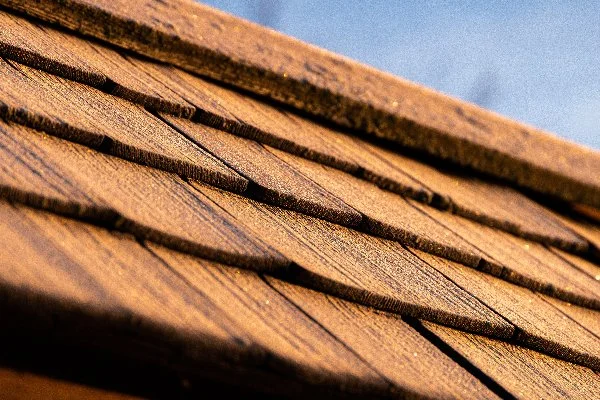
The Maintenance of Wood Shingled Roofs
Wood shingled roofs offer a timeless beauty and distinctive character to any home, standing out for their natural appearance and remarkable durability. Rooted in tradition yet versatile enough for modern designs, these roofs embody a blend of functionality and aesthetic appeal. However, like any aspect of a home, they require specific care and maintenance to uphold their integrity and extend their lifespan. In this article we'll talk about the essential practices for maintaining your wood shingled roof, covering everything from regular inspections and cleaning to the application of protective coatings and the management of pest infestations. By adhering to these guidelines, homeowners can ensure their roof remains in excellent condition, safeguarding their home while preserving its unique charm.
Wood shingled roofs offer a timeless beauty and distinctive character to any home, standing out for their natural appearance and remarkable durability. Rooted in tradition yet versatile enough for modern designs, these roofs embody a blend of functionality and aesthetic appeal. However, like any aspect of a home, they require specific care and maintenance to uphold their integrity and extend their lifespan. In this article we'll talk about the essential practices for maintaining your wood shingled roof, covering everything from regular inspections and cleaning to the application of protective coatings and the management of pest infestations. By adhering to these guidelines, homeowners can ensure their roof remains in excellent condition, safeguarding their home while preserving its unique charm.
Inspecting Your Wood Shingles Regularly
Regular inspection of your wood shingles is a key step in maintaining the longevity and beauty of your roof. Ideally, you should inspect your roof at least twice a year, preferably in the spring and fall, to identify any problems early on. Look for signs of wear and tear such as splitting, warping, or rotting shingles, as these can be early indicators that repairs or replacements are needed. Pay special attention to areas around chimneys, vents, and valleys where water or debris can accumulate, as these spots are particularly vulnerable to damage.
Cleaning and Removing Moss, Algae, and Lichen
Moss, algae, and lichen can accumulate on wood shingles over time, especially in damp, shaded areas, detracting from your home’s appearance and potentially damaging the wood. To effectively clean your roof, you can use a mixture of water and mild bleach or a commercial wood-cleaning solution designed for this purpose. It's important to apply the solution gently with a soft-bristled brush, avoiding the use of high-pressure washers, which can cause harm to the wood material. After cleaning, rinse the roof thoroughly with low-pressure water to remove any residue, ensuring the longevity and aesthetic appeal of your shingle roof.
Repairing or Replacing Damaged Shingles
When it comes time to repair or replace damaged wood shingles, it's crucial to act swiftly to prevent further damage to your roof. Start by carefully removing the damaged shingle, taking care not to disturb the surrounding shingles more than necessary. If you're replacing a shingle, make sure the new one matches the existing ones in terms of size, shape, and color to maintain a uniform appearance. It's also a good idea to treat new shingles with a wood preservative before installing them to enhance their durability and resistance to the elements. If you're unfamiliar with replacing shingles or not used to being on a roof, it's best to call in a professional roofing contractor who specializes in wood shingle roofs. With their knowledge and expertise, they'll ensure the job is done correctly and safely.
Applying Protective Coatings and Treatments
After ensuring that your wood shingles are clean and any damaged ones are replaced, applying a protective coating or treatment is a crucial next step to extend their life. Look for products that offer UV protection, water repellency, and resistance to mold and mildew. These treatments not only preserve the integrity of the wood but also help maintain its natural beauty against the elements. It’s best to apply these coatings on a clear, dry day and follow the manufacturer's instructions for the best results. Regular application, as per the product’s recommendation, will act as a shield for your shingles, keeping your roof in prime condition for years to come.
Preventing and Dealing with Pest Infestations
Pest infestations can pose a significant threat to the integrity of your wood shingle roof. Common culprits include termites and carpenter ants, which are known to cause damage by tunneling into the wood. To protect your roof, it's essential to regularly check for signs of pest activity, such as sawdust-like droppings or visible tunnels. Implementing preventative measures, such as treating the wood with pest repellent or ensuring your attic is well-ventilated to reduce moisture, can greatly reduce the risk of infestation. If you do discover pests, it's advisable to contact a professional exterminator to address the problem effectively and prevent future occurrences.
Maintaining a wood shingle roof requires a blend of regular inspections, timely repairs, and preventive treatments. While the tasks may seem daunting at first, incorporating these practices into your routine can greatly extend the life of your roof and preserve its beauty. Remember, the key to avoiding costly repairs and replacements lies in early detection and care. Don't hesitate to seek professional help when needed—the expertise of a skilled roofing contractor can prove invaluable. With proper maintenance, your wood shingle roof can continue to protect and enhance your home for many years to come.
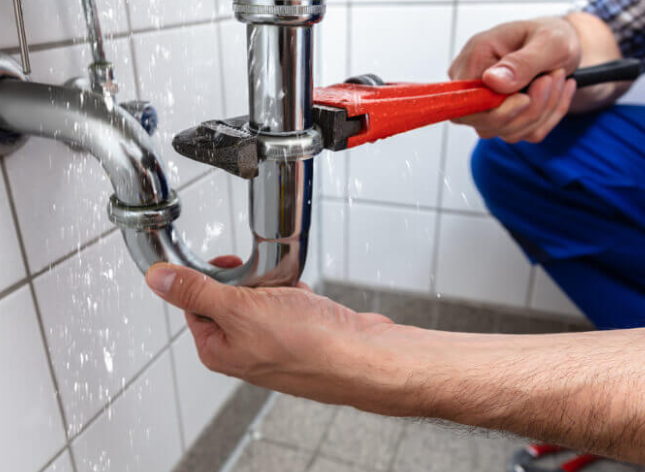
5 Preparation Tips When You Need a Plumber
Home plumbing issues are often the unseen hazards that assert themselves at the most inconvenient times. Whether it's a leaking faucet, a clogged drain, or a mysterious damp patch on the ceiling, the services of a good plumber can be the difference between a small inconvenience and a home maintenance disaster. However, finding a reliable plumber and preparing for their visit isn’t as straightforward as it sounds. Good preparation can speed up the process and help keep the cost down. Here are five essential tips to help you get the most out of your plumber's visit.
We partnered with a home maintenance company for this post. The opinions in the post are honest. All reviews and opinions expressed in this post are based on our personal views. We are excited because we know you will love it
Home plumbing issues are often the unseen hazards that assert themselves at the most inconvenient times. Whether it's a leaking faucet, a clogged drain, or a mysterious damp patch on the ceiling, the services of a good plumber can be the difference between a small inconvenience and a home maintenance disaster. However, finding a reliable plumber and preparing for their visit isn’t as straightforward as it sounds. Good preparation can speed up the process and help keep the cost down. Here are five essential tips to help you get the most out of your plumber's visit.
Know When to DIY and When to Reach out
The first step in preparing for a plumbing job is to assess whether it's something you can handle yourself. While some issues, like a simple clogged drain, can often be resolved with a plunger or some household chemicals, more significant problems such as a burst pipe or a water heater malfunction will likely require professional help.
To make this decision, you need to consider a few things:
Your skill level and comfort with plumbing repairs.
The potential severity of the problem and the risks associated with attempting a DIY fix.
The cost of tools and materials you might need versus the cost of a plumber's visit.
While DIY can save you money, it's essential to be honest about your capabilities. A failed DIY repair can make things worse and more costly to fix in the long run. When in doubt, it's best to call a professional.
Research Local Plumbers and Read Reviews
Not all plumbing services are created equal. A little research can go a long way in finding a reputable, skilled plumber. Start by asking for recommendations from friends and family. Word-of-mouth referrals can be the most reliable source of information when it comes to service professionals.
Online reviews are another helpful tool in vetting potential plumbers. Look for consistently good reviews and any trends in the complaints. Government or industry association websites may also provide lists of licensed and insured professionals in your area.
Once you've gathered a list of potential plumbers, call them to ask about their services, pricing, and availability. Ask about their experience with your specific issue and whether they offer any guarantees on their work. Narrow your list down to a few you feel comfortable with and schedule in-person estimates if time allows.
Clear the Area and Communicate All Relevant Details
To make the plumber's job easier and to allow for an accurate assessment of the problem, it's crucial to clear the area around the issue. Move any furniture, appliances, or personal items that might be in the way. This not only ensures the plumber can get to work right away but also protects your belongings from potential damage.
Clarity in communication is also key. When you contact the plumber, be as detailed as possible about the problem. Explain when the issue started, any previous attempts at repair, and any fixtures or appliances affected. The more information you can provide, the better prepared the plumber will be to address the problem on the first visit.
Estimate the Issue Scale
Do your best to estimate the scale of your plumbing issue. If you have a leak, for example, determine the rate of water flow and whether you can shut off the water supply to that fixture. If it's a drain problem, note if it's a single drain or if multiple fixtures are affected.
This information can help you and your plumber to manage the situation effectively. For a minor leak, you might be able to turn off the water supply to that fixture and wait for the plumber without further damage. In a more urgent case like a burst pipe, turning off your home's main water valve and calling emergency services could be the best course of action.
Ask About the Repair Method and Future Prevention Steps
When the plumber arrives, communicate from the start. Ask about the method they intend to use for the repair and how long it might take. Good plumbers will be happy to walk you through the process and answer any questions you might have. Understanding the repair can also help you identify anything you can do to prevent similar issues in the future.
For instance, if the problem was due to using your garbage disposal incorrectly, the plumber might give you tips on proper use. If the problem is more significant, they might recommend regular maintenance for certain systems in your home. An open dialogue with your plumber can provide you with valuable knowledge that can save you hassle in the long run.
By following these tips, you can ensure that your plumber's visit is as efficient and effective as possible. Take the time to do your homework, communicate clearly, and be prepared to listen and learn. Whether it's a quick fix or a time-consuming replacement, a little preparation can make the process much smoother and leave you with the peace of mind that comes with a job well done.

