

A resource for those seeking information on organizing and transforming spaces.

5 Benefits of Repairing Your Air Conditioning Unit at Home Before Summer
With the official start of summer, the sweltering heat arrives, turning any home into an unbearable place.. For homeowners, having a fully functional air conditioning unit is essential for maintaining comfort. However, many people procrastinate on necessary repairs, which can lead to higher costs and headaches later on. This post will explore the cost-saving benefits of repairing your air conditioning unit at home before summer hits. Homeowners will find practical tips and valuable insights to help keep their homes cool and their wallets happy.
With the official start of summer, the sweltering heat arrives, turning any home into an unbearable place.. For homeowners, having a fully functional air conditioning unit is essential for maintaining comfort. However, many people procrastinate on necessary repairs, which can lead to higher costs and headaches later on. This post will explore the cost-saving benefits of repairing your air conditioning unit at home before summer hits. Homeowners will find practical tips and valuable insights to help keep their homes cool and their wallets happy.
Introduction to Summer Maintenance
Maintaining your air conditioning unit before the summer season is crucial. Not only does it ensure a comfortable living environment, but it also helps in preventing costly breakdowns and excessive energy bills. By addressing issues early, homeowners can enjoy uninterrupted cooling throughout the hot months. This post will walk you through the benefits of taking a hands-on approach to air conditioning repair and how it can save you money in the long run.
Extend the Lifespan of Your Unit
Air conditioning units are a significant investment. Regular maintenance and timely repairs can extend their lifespan, saving homeowners the cost of a premature replacement. Neglecting minor issues often leads to more significant problems that require expensive fixes or even a new unit. By addressing these issues early, you can ensure your air conditioner remains in good working condition for years to come.
Small problems like clogged filters or minor leaks, when left unattended, can escalate into major issues. These minor repairs are often manageable for homeowners and can be done without professional help. Taking care of these minor issues can prevent the need for more extensive, costly repairs or replacements down the line.
Regular maintenance checks, such as cleaning and inspecting the unit, can help identify potential problems before they become serious. This proactive approach not only extends the life of your air conditioning unit but also ensures it operates efficiently, providing consistent cooling throughout the summer.
Improve Energy Efficiency
An air conditioning unit that runs efficiently will use less energy, leading to lower utility bills. When a unit is not maintained, it has to work harder to cool your home, consuming more electricity in the process. Simple repairs and regular maintenance can significantly improve your unit's energy efficiency.
Dirty filters, for example, restrict airflow, causing the unit to work harder to push air through. Cleaning or replacing filters can improve airflow and reduce energy consumption. Similarly, checking for and sealing any leaks in the ductwork ensures that cool air is delivered efficiently throughout your home.
In addition to these basic maintenance tasks, ensuring that the refrigerant levels are correct and that all components are functioning properly can further enhance energy efficiency. A well-maintained air conditioning unit not only keeps your home cool but also reduces your carbon footprint by using less electricity.
Prevent Costly Breakdowns
One of the most frustrating experiences for homeowners is having the air conditioning unit break down in the middle of a heatwave. Emergency repairs are often more expensive than regular maintenance and can leave you sweating while you wait for a technician. Regular maintenance and early repairs can prevent these unexpected breakdowns.
By inspecting your unit regularly and addressing any minor issues, you can avoid the inconvenience and high costs associated with emergency repairs. Components like the compressor, fan, and condenser can fail if not properly maintained, leading to expensive fixes. Regular checks can identify wear and tear before it leads to a complete breakdown.
Additionally, having a maintenance schedule helps in keeping track of the unit's condition. Scheduling professional inspections at least once a year ensures that any hidden problems are identified and addressed promptly. This proactive approach saves you from the stress and expense of dealing with an air conditioning failure during peak summer.
Enhance Indoor Air Quality
Indoor air quality is often overlooked when discussing air conditioning maintenance. However, a well-maintained unit can significantly improve the air quality in your home. Dust, pollen, and other allergens can accumulate in the filters and ductwork, circulating throughout your home every time the unit is turned on.
Regularly cleaning or replacing filters helps in trapping these particles, ensuring that only clean air is circulated. Additionally, checking and cleaning the ductwork prevents the buildup of mold and mildew, which can cause respiratory issues and other health problems.
A clean and well-maintained air conditioning unit not only cools your home but also contributes to a healthier living environment. This is particularly important for households with allergy sufferers or individuals with respiratory conditions. Ensuring that your air conditioning unit is in good condition helps in maintaining a fresh and healthy indoor atmosphere.
Increase Property Value
A well-maintained air conditioning unit can be a significant selling point if you decide to put your home on the market. Prospective buyers are often willing to pay more for a home with a reliable and efficient cooling system. By keeping your unit in top condition, you enhance the overall value of your property.
Buyers are increasingly looking for homes that do not require immediate repairs or replacements. An air conditioning unit that is in good working order signals to potential buyers that the house has been well cared for. It also provides peace of mind knowing that they won't have to invest in major repairs shortly after moving in.
In addition to maintaining the air conditioning unit, keeping records of regular maintenance and repairs can further enhance your property's value. Providing potential buyers with documentation of the unit's condition and the care it has received can give them confidence in their purchase, potentially leading to a quicker sale at a better price.
Final Thoughts
Taking the time to repair and maintain your air conditioning unit before summer arrives offers numerous cost-saving benefits. From extending the lifespan of your unit to improving energy efficiency and preventing costly breakdowns, these proactive steps ensure a comfortable and worry-free summer. Additionally, enhancing indoor air quality and increasing property value are added advantages that make regular maintenance a wise investment for homeowners.
Homeowners who prioritize air conditioning maintenance not only save money but also contribute to a more sustainable and healthy living environment. By following the tips and insights provided in this blog post, you can enjoy a cool and comfortable home throughout the hottest months of the year.
For those who may need assistance or expert advice, consider reaching out to professional maintenance services like Carolina Air Care to ensure your air conditioning unit is in top condition. Take action now, and experience the peace of mind that comes with a well-maintained cooling system.
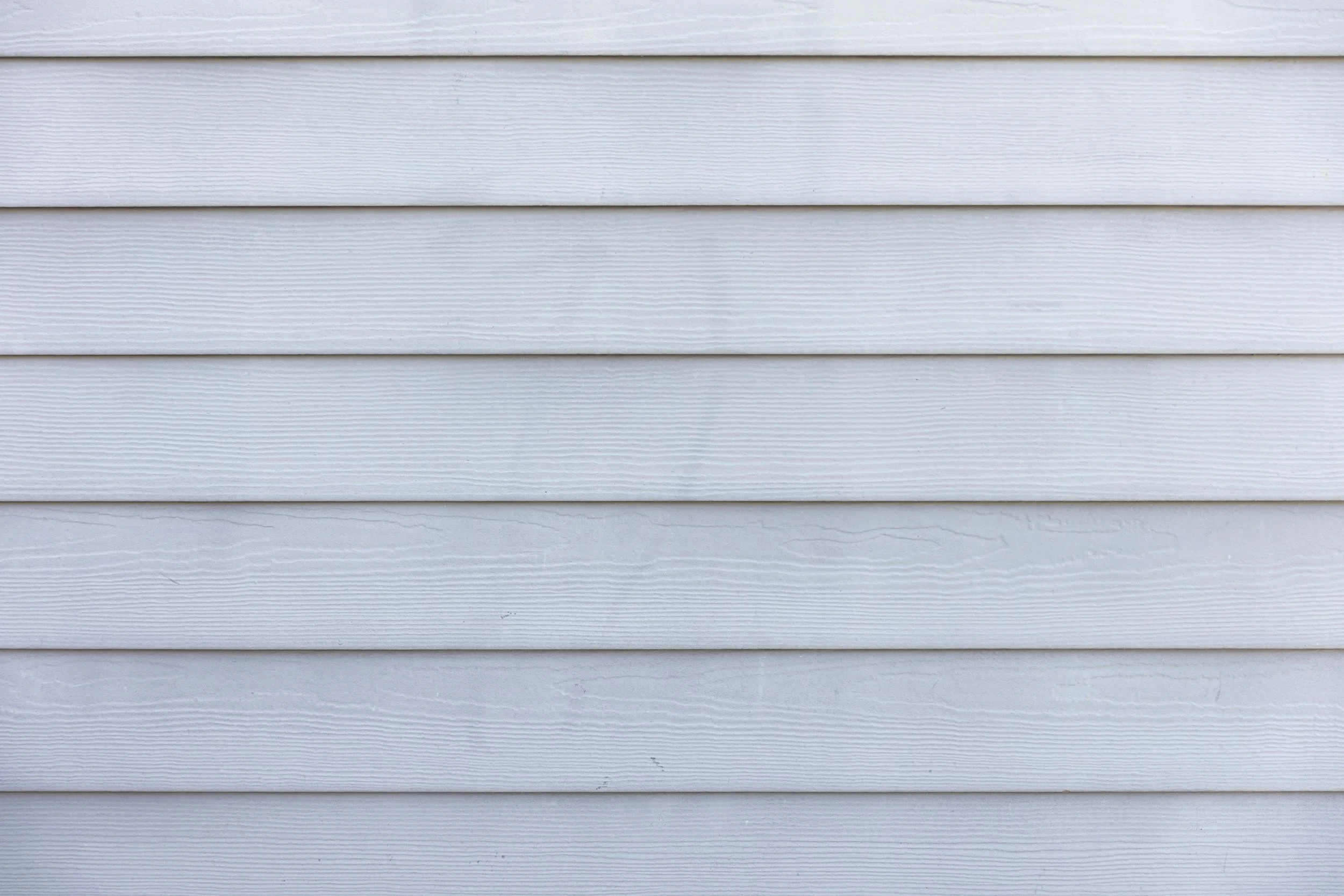
Comparing the Most Common Siding Materials: Pros and Cons
Discover the pros and cons of the most common siding materials so you can make an informed choice for your home!
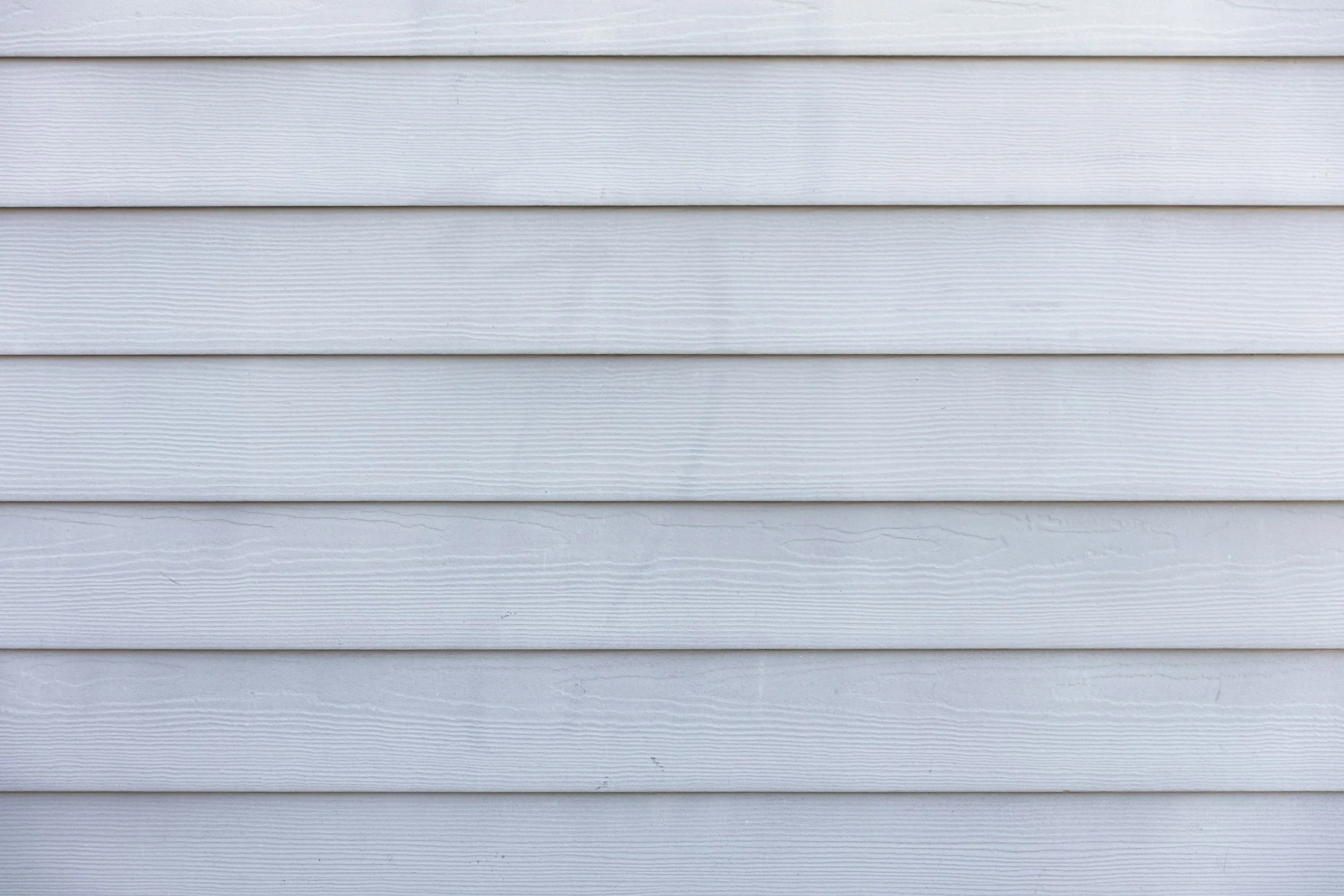
Choosing the right siding material for your home is an exciting journey that blends creativity with practicality. The siding you select will not only shape the look and feel of your home but also influence its longevity, energy efficiency, and how much upkeep it will require. With a myriad of options available, the decision might seem daunting at first, but it’s also an opportunity to discover new materials and designs that match your vision perfectly. In this guide, we're here to simplify the process by comparing some of the most common siding materials used in residential construction. We’ll break down their pros and cons to help you make an informed and confident choice. Let’s dive in and explore your options!
Vinyl Siding
Vinyl siding remains an unparalleled favorite among homeowners for its excellent balance of affordability, durability, and minimal upkeep. Available in an extensive array of colors, textures, and profiles, vinyl siding can mimic the look of wood, stone, or even cedar shakes, offering tremendous flexibility to suit diverse architectural styles. Its composition ensures resistance against rot, insect damage, and fading, which provides robust, long-lasting protection for your home. Unique advancements, such as insulated vinyl siding, also offer enhanced energy efficiency, contributing to lower utility bills. While one should beware that vinyl can crack or warp under severe weather conditions—particularly in areas subjected to extreme heat or cold—its overall resilience and the ease with which damaged panels can be replaced make it a preferred choice. Additionally, it's noteworthy that vinyl siding can be a more eco-friendly option than previously thought; many manufacturers now offer recycled and recyclable products.
Wood Siding
Wood siding provides a natural and timeless appeal that imbues any home with warmth and character. Commonly chosen for its aesthetic beauty, cedar and redwood stand out due to their inherent resistance to rot and insect damage. These types of wood not only offer durability but also allow for customization through painting or staining, enabling homeowners to match their desired color schemes and style preferences. However, the charm of wood siding comes with the need for diligent upkeep; regular maintenance, such as painting or staining every few years, is essential to protect the wood from moisture and adverse weather conditions that can cause rotting and warping. Additionally, homeowners must be aware of the higher susceptibility of wood to fire damage, although fire-retardant treatments can provide some mitigation. Despite these considerations, the visual and tactile qualities of wood siding, coupled with its insulation properties, make it a cherished choice for those seeking a unique and classical exterior for their home.
Fiber Cement Siding
Fiber cement siding stands out as an incredibly durable and low-maintenance option that provides the visual appeal of wood or stucco without their associated vulnerabilities. Composed of a blend of cement, sand, and cellulose fibers, this material is renowned for its resistance to rot, fire, insects, and even the harshest weather conditions, making it a sensible long-term investment. Homeowners often appreciate fiber cement for its versatility, as it can be painted in almost any color and comes in various styles, including clapboard, shingles, and even panels that mimic brick or stone. Although the installation costs may be higher and the material's weight can pose some challenges during installation, its longevity typically offsets these initial expenses. Additionally, fiber cement siding boasts exceptional stability, decreasing the likelihood of cracks, swelling, or warping over time, unlike vinyl or wood. Manufacturers often offer extensive warranties, sometimes up to 50 years, adding an extra layer of confidence for homeowners looking to enhance their property’s curb appeal and structural integrity.
Metal Siding
Metal siding, often crafted from aluminum or steel, is renowned for its impeccable durability and steadfast resistance to fire, insects, and rot, making it a solid choice for longevity. Its lightweight nature simplifies installation, which can result in lower labor costs, and it requires minimal maintenance throughout its extensive lifespan. Available in various finishes—ranging from sleek, smooth surfaces to textured designs that can mimic wood grain or architecturally bold panels—metal siding offers vast flexibility in aesthetic customization. One of the standout benefits of metal siding is its superior ability to reflect solar radiant heat, enhancing energy efficiency during hot summers. Additionally, contemporary manufacturing techniques have introduced more resilient coatings that protect against fading and corrosion, even in the saltiest coastal environments. However, it's important for homeowners to consider that metal siding can be susceptible to dents and scratches, particularly from hailstorms or flying debris. Investing in high-gauge metal options can mitigate this issue, ensuring a tougher, more impact-resistant exterior. Moreover, many metal siding products are now made from recycled materials and are fully recyclable, making them an eco-friendly choice for environmentally conscious homeowners.
Brick Siding
Brick siding is renowned for its unparalleled durability, timeless aesthetic, and minimal maintenance requirements, making it a perennial favorite among homeowners. Its exceptional thermal mass properties contribute to superior insulation, helping to keep homes cooler in summer and warmer in winter, thereby reducing energy bills significantly. Beyond its fire-resistant nature, brick siding also excels in sound insulation, offering a quieter, more serene indoor environment. Available in various colors, textures, and sizes, brick can be customized to complement both traditional and modern architectural styles, enhancing curb appeal and adding value to the property. While the initial investment for brick siding can be higher than other materials, its longevity—often exceeding 100 years with minimal upkeep—makes it a cost-effective choice in the long run. Repairs, though potentially intricate due to the material's weight and installation complexity, are infrequent and typically involve replacing individual bricks rather than entire sections. Furthermore, brick’s natural composition makes it an environmentally friendly option, and its inherent resistance to pests and weather elements ensures lasting protection for your home, providing peace of mind for generations to come.
In conclusion, selecting the ideal siding material for your home is a significant decision that balances aesthetics, functionality, and personal preferences. With so many excellent options available, from the classic charm of wood to the robust durability of metal and the enduring elegance of brick, there's a perfect choice to complement any style and environment. Remember, this is more than just a practical choice—it's an opportunity to enhance your home's curb appeal and long-term value. Don't be daunted by the many choices; instead, embrace the chance to find a material that resonates with your vision and meets your needs.
Consulting with experienced professionals, like the team at Maynor Roofing, Siding, and Home Repair Company, can provide invaluable insights and tailored recommendations. They can help you navigate through the options, weighing factors such as climate, maintenance requirements, and budget, to ensure you make an informed and confident decision. With the right siding, your home will not only stand up to the elements but also shine with unmatched beauty and character. Invest in quality siding today for a more beautiful, secure, and energy-efficient home tomorrow!

Avoiding Accidents: Tips for Being Careful With Garage Doors
As much as we rely on them for convenience, garage doors can also pose potential hazards if not used properly. In this article, we'll provide you with some important tips to keep in mind for safely operating and maintaining your garage door. By following these simple practices, you can minimize the risk of accidents and ensure the safety of yourself and others around your garage door. So let's dive in and learn how to be more careful with garage doors!
As much as we rely on them for convenience, garage doors can also pose potential hazards if not used properly. In this article, we'll provide you with some important tips to keep in mind for safely operating and maintaining your garage door. By following these simple practices, you can minimize the risk of accidents and ensure the safety of yourself and others around your garage door. So let's dive in and learn how to be more careful with garage doors!
Keep Your Garage Door in Good Condition
First and foremost, be sure to regularly inspect your garage door for any signs of wear and tear. This includes checking the springs, cables, rollers, and other components for any damage or malfunction. If you notice anything out of the ordinary, it's best to have a professional come in and address the issue before it becomes a safety hazard.
It's recommended to perform a visual inspection of your garage door at least once every month. This can help you catch any potential problems before they escalate into bigger issues. You should also have a professional tune-up and maintenance check done on your garage door at least once every year, or more frequently if you use it daily. Regular maintenance not only ensures the safety of your garage door but also helps prolong its lifespan.
Follow Manufacturer Recommendations
It's always a good idea to follow the manufacturer's recommendations when it comes to operating and maintaining your garage door. This may include specific instructions on how often to lubricate moving parts or how frequently to replace certain components. It's also a good idea to familiarize yourself with the emergency release feature, in case you ever need to manually open your garage door.
There are a few things you should explicitly avoid when it comes to garage door safety. Never attempt DIY repairs or adjustments as garage doors are complex systems that require specialized knowledge and tools. It's also crucial to avoid standing under a closing garage door or rushing through it, as this can lead to serious injuries. Additionally, make sure the safety sensors on your garage door are properly installed and maintained as they play a crucial role in preventing accidents. These small but important details can go a long way in ensuring the safety of yourself and others around your garage door.
Keep Children and Pets Away
Garage doors can be fascinating for children and pets, but they should never be treated as toys or playthings. Make sure to keep an eye on them when the garage door is in operation and teach them about the potential dangers of playing near a moving garage door. It's also a good idea to have a safety sensor installed, which will automatically stop the door from closing if it detects any objects or people in its path.
Don't Leave the Door Partially Open
Leaving your garage door partially open can pose a serious safety risk. Not only does it leave your belongings exposed, but it also leaves room for accidents to occur. For example, someone may accidentally walk into the door thinking it's fully open or try to drive through without realizing the door is still partially closed.
Don't DIY Repairs Unless Qualified
While it may be tempting to save some money and attempt to fix small issues with your garage door yourself, it's best to leave repairs to trained professionals. Garage doors are complex machines and attempting to fix them without proper knowledge and training can lead to further damage or even injuries.
Even seemingly minor issues like adjusting the tension of the springs or replacing a cable should be left to trained professionals, such as someone at Plano Overhead Garage Door. By attempting DIY repairs on your garage door, you not only put yourself at risk but also potentially compromise the safety of others around your garage. It's always best to hire a qualified technician for any repairs or adjustments needed for your garage door.
Educate Yourself on Emergency Procedures
In the event of an emergency, it's a good idea to know what steps to take to avoid potential accidents. Make sure you and your family members are familiar with how to use the emergency release feature and have a plan in place for power outages or other unexpected situations. Taking the time to educate yourself can save you from potential harm in case of an emergency.
Aside from knowing how to use the emergency release feature, be sure to also have a plan in place for other types of emergencies that may occur with your garage door. For example, if your garage door suddenly stops working or gets stuck while opening or closing, be sure to know how to handle the situation safely. This may include disconnecting the opener and manually operating the door until you can get professional assistance.
By following these tips, you can ensure that your garage door remains a convenient and safe part of your daily routine. Regular maintenance, following manufacturer recommendations, and being aware of potential hazards are all key in avoiding accidents. And remember, if you ever have any concerns or notice any issues with your garage door, don't hesitate to seek help from a professional. Stay safe!
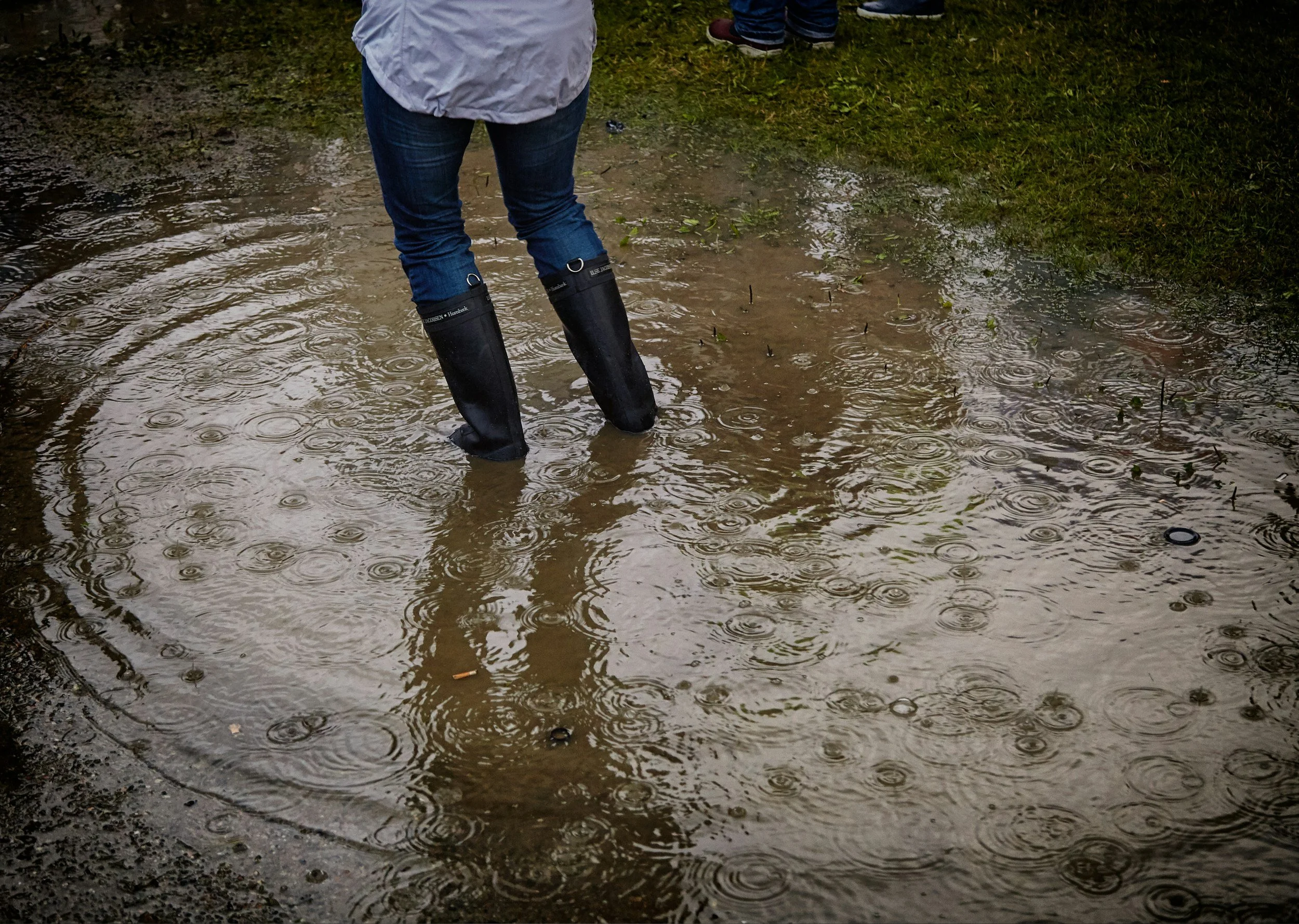
Essential First Steps to Take After Discovering Water Damage
Unexpected water damage in your home can be a real shock, like a storm cloud ruining a sunny day. Whether it's a trickling leak from a forgotten window seal or a dramatic deluge from a burst pipe, the initial actions you take can significantly impact the restoration process. By acting swiftly and knowledgeably, you can curb further destruction and set the stage for a smoother recovery. Here’s a focused guide to navigating those critical first moments when water invades your living space.
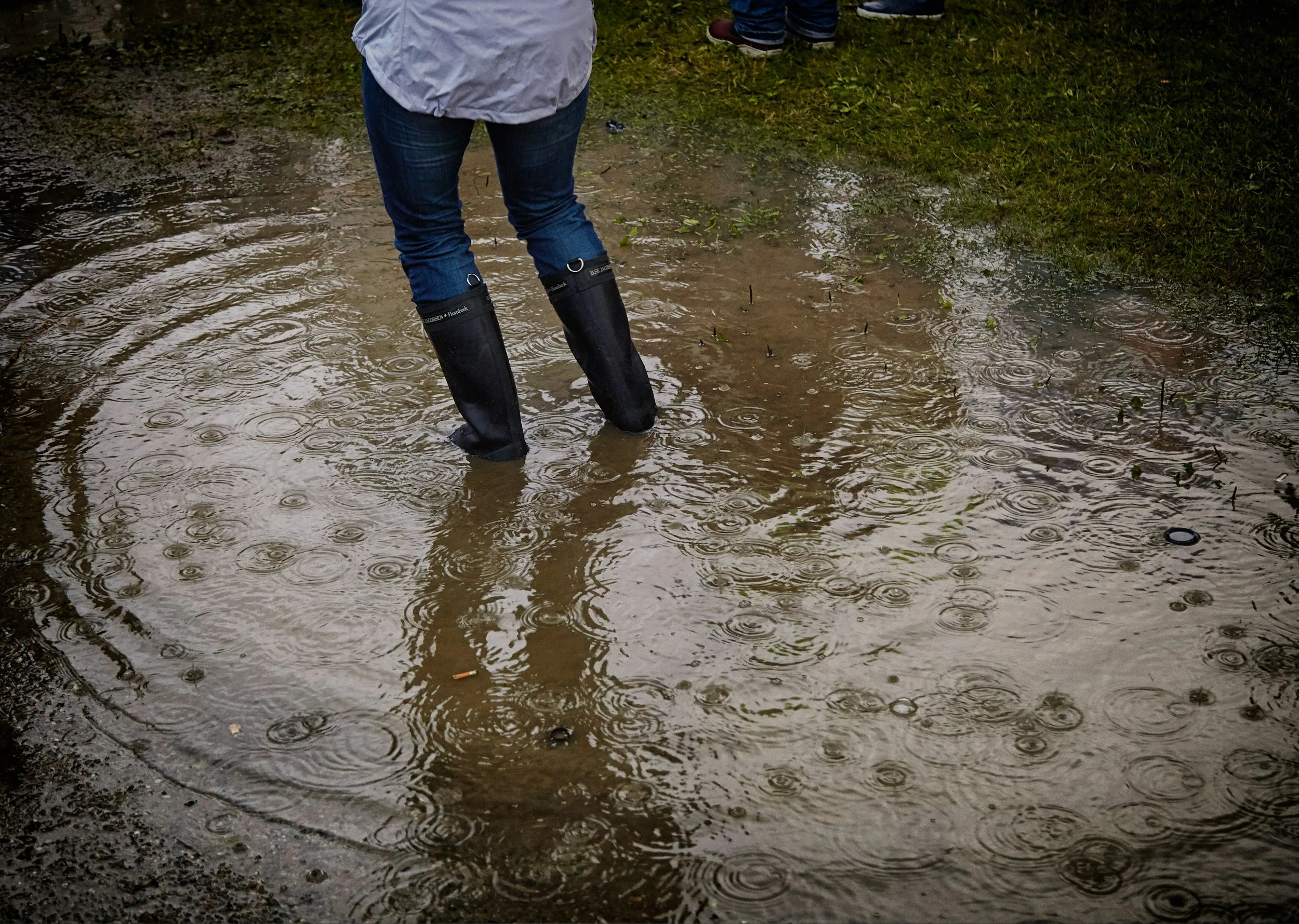
Unexpected water damage in your home can be a real shock, like a storm cloud ruining a sunny day. Whether it's a trickling leak from a forgotten window seal or a dramatic deluge from a burst pipe, the initial actions you take can significantly impact the restoration process. By acting swiftly and knowledgeably, you can curb further destruction and set the stage for a smoother recovery. Here’s a focused guide to navigating those critical first moments when water invades your living space.
Assess the Situation
Upon discovering water damage, your immediate priority should be to thoroughly assess the situation. Start by identifying the source of the water intrusion—this could range from a burst pipe or a leaky roof to an overflowing appliance. If the water is coming from a burst pipe, promptly turn off the main water supply to halt further flooding. In the case of a roof leak, place buckets or containers to catch the dripping water and prevent it from spreading. Additionally, ensure that your electrical devices and outlets in the affected area are turned off to avoid electrical hazards. It's also prudent to wear protective gear, such as waterproof boots and gloves, to safeguard yourself against any contaminants in the water. Finally, document the damage with photos or videos, which will be useful when filing an insurance claim.
Turn Off Electricity
Water and electricity together create a significant hazard, so it's crucial to act swiftly to disconnect the power. First, locate your home’s central electrical panel or circuit breaker, which is often found in the basement, garage, or utility room. If you can safely navigate to the panel without stepping into standing water, switch off the main breaker to cut power to the entire house. For added safety, use a flashlight or battery-operated lamp to see clearly. If the panel is inaccessible or submerged, do not attempt to turn it off yourself—contact a licensed electrician immediately for assistance. Remember, never touch electrical appliances, outlets, or cords if they are wet or in water, as this can result in severe electrical shock. Protecting yourself from electrical hazards is paramount, so taking these steps will help ensure your safety during this stressful situation.
Remove Standing Water
Standing water can quickly cause extensive damage to your home and belongings, so prompt removal is essential. Begin by using towels and mops for smaller areas or a wet/dry vacuum for larger volumes of water. For deeper water, consider borrowing or renting a submersible pump. Once the bulk of the water is removed, use a dehumidifier and fans to expedite the drying process, aiming to keep humidity levels below 60% to prevent mold growth. Pay special attention to hidden areas, such as under carpets, behind walls, and inside cabinets, where water can linger and cause unnoticed damage. Additionally, consider moving furniture and other belongings to a dry area to prevent further damage and facilitate the drying of the affected space. If water infiltration has damaged insulation or drywall, it may need to be professionally removed and replaced to ensure structural integrity and prevent long-term issues. Taking these detailed steps promptly will help mitigate damage and set the stage for effective restoration.
Dry Out Affected Areas
After removing as much standing water as possible, the next step is to thoroughly dry out all affected areas to prevent mold growth and structural damage. Begin by increasing ventilation: open all windows and doors to promote air circulation. Utilize multiple fans to create a cross-breeze, which will help to expel moisture-laden air from the house. Dehumidifiers are essential and should be run continuously to reduce indoor humidity levels—aim for keeping humidity below 50% to inhibit mold proliferation. For hard-to-reach areas, such as behind walls and under flooring, consider using moisture meters to check for hidden dampness and industrial-grade air movers to expedite the drying process. Don't forget to remove and properly dry or dispose of soaked carpets, rugs, and upholstery; these can harbor moisture and potentially dangerous mold spores. If weather conditions are favorable, place wet items outside in direct sunlight to further assist in the drying process. Remember, time is of the essence—initiating thorough drying within 48 hours significantly increases the chances of salvaging materials and minimizing long-term damage.
Salvage Belongings
When salvaging your belongings after water damage, it's crucial to act quickly and methodically. Begin by removing all affected items from the damp area and spreading them out in a dry, well-ventilated space. Focus on drying out high-value items first, such as electronics, important documents, and irreplaceable keepsakes. If you have waterlogged furniture, gently dab off excess water with clean towels, then place the pieces in a location with good air circulation, preferably outdoors under cover to prevent sun damage. For wet carpets and rugs, prop them up to allow air to flow underneath and expedite the drying process. Be thorough in drying out drawers, cabinets, and other enclosed spaces to prevent the accumulation of moisture and subsequent mold growth. Use silica gel packets or moisture-absorbing desiccants in small enclosed spaces to help draw out moisture. Items that have absorbed water extensively or show signs of mold and mildew, such as porous materials like mattress or upholstered furniture, may need to be discarded to prevent health hazards. Always consult with restoration specialists for treasured or valuable items to explore professional drying and cleaning options. Document any items that must be discarded for your insurance claims, including photos and detailed descriptions. Taking these precise steps can help you recover as many belongings as possible while ensuring your home remains safe and healthy.
Contact Water Damage Restoration Professionals
While your initial efforts are vital in mitigating water damage, enlisting the help of water damage restoration professionals like the team at United Response is paramount for a thorough recovery process. These specialists come equipped with advanced tools such as industrial-grade dehumidifiers, air movers, and moisture meters, which are essential for detecting hidden moisture and completely drying out affected areas. Beyond the equipment, professionals bring extensive experience and knowledge in handling various types of water damage, assessing structural integrity, and preventing potential issues like mold growth and wood rot. They can also provide a comprehensive evaluation, documenting damage for insurance claims and recommending tailored solutions, from minor repairs to major reconstruction. Moreover, restoration experts can offer immediate preventative advice post-damage, such as waterproofing tips and maintenance routines, to safeguard your home against future water-related incidents. Engaging with these professionals ensures a thorough, safe, and efficient restoration, providing you with peace of mind during this stressful period.
Document the Damage
Before embarking on cleanup or restoration efforts, meticulously document the water damage to streamline insurance claims and facilitate communication with restoration professionals. Begin by capturing comprehensive photos and videos of all affected areas from multiple angles, ensuring both close-up shots of specific damage and wider views of entire rooms. Highlight any structural damage, compromised materials, and affected personal belongings. Include date stamps on the images if possible, and make a written inventory of damaged items, noting their condition and any distinguishing features. Additionally, keep receipts, warranty information, and any estimates or reports provided by professionals as supplementary records. Digital copies should be stored securely, with backups on cloud storage for easy access and sharing. This thorough, detailed documentation will serve as a crucial reference point throughout the recovery process, aiding in accurate assessments and fair compensation from insurance providers.
Prevent Future Water Damage
Proactively preventing future water damage requires a diligent, multifaceted approach. Regular inspections are essential—check your home’s plumbing for signs of wear and tear, such as corroded pipes or loose fittings, which could indicate impending leaks. Ensure your roof is in good condition by inspecting shingles for damage and promptly repairing any gaps to prevent water infiltration. Seal cracks and gaps around windows and doors with high-quality caulk to block out moisture. Install a sump pump in your basement and consider adding a backup battery to guard against power outages during storms. Additionally, clean gutters and downspouts regularly to ensure proper water drainage away from your home's foundation, reducing the risk of basement flooding. Invest in smart water leak detectors for key areas such as under sinks, near water heaters, and around appliances prone to leaks; these devices can provide early alerts to potential issues. For added peace of mind, explore water shutoff systems that automatically turn off the main supply if a significant leak is detected. By integrating these vigilant practices and modern solutions, you can fortify your home against future water damage and maintain a safe, dry environment.
By following these essential first steps after discovering water damage in your home and enlisting the help of professionals in water damage restoration, you can effectively address the issue and restore your home to its pre-damaged condition. Don't hesitate to take action promptly when faced with water damage to minimize its impact on your property and well-being.

