

A resource for those seeking information on organizing and transforming spaces.

5 Reasons Why Soft Water is the Best Choice for Homeowners
Are you a homeowner considering whether to invest in a water softener for your home? Soft water offers numerous benefits that can improve your daily life and household maintenance routine. Let's explore five reasons why soft water is the best choice for homeowners.

Are you a homeowner considering whether to invest in a water softener for your home? Soft water offers numerous benefits that can improve your daily life and household maintenance routine. Let's explore five reasons why soft water is the best choice for homeowners.
Hard Water vs. Soft Water: Understanding the Difference
Understanding the difference between hard and soft water is crucial for homeowners considering a water softener. Hard water is rich in minerals like calcium and magnesium, which can cause unsightly limescale buildup on faucets, showerheads, and inside appliances such as dishwashers and washing machines. Over time, this buildup can reduce the efficiency and lifespan of these appliances, leading to costly repairs or replacements. Additionally, hard water tends to leave soap scum on dishes and laundry, making cleaning tasks more challenging and less effective. In contrast, soft water has undergone a treatment process to remove these problematic minerals, resulting in water that not only preserves the longevity of your household appliances but also enhances the effectiveness of soaps and detergents. This means softer laundry, spot-free dishes, and a significant reduction in plumbing issues, making soft water a prudent and cost-effective investment for any homeowner.
Extend the Lifespan of Your Appliances
One compelling reason to invest in a water softener is the substantial extension of your household appliances' lifespan. Hard water contributes to limescale buildup, which can clog pipes and reduce the efficiency of dishwashers, washing machines, and water heaters. This buildup forces these appliances to work harder, consuming more energy and ultimately shortening their functional life. By switching to soft water, you can prevent limescale formation, ensuring your appliances operate smoothly and efficiently. For example, a water heater burdened by hard water could lose up to 25% of its efficiency, leading to higher energy bills. Meanwhile, soft water can enhance energy efficiency by up to 30%, ensuring that your appliances not only last longer but also operate more cost-effectively. With fewer repairs and replacements needed, you’ll save on both maintenance costs and monthly utility bills, making a water softener a wise and economical choice for any homeowner.
Enjoy Cleaner and Softer Fabrics
When you wash your clothes with hard water, mineral deposits can accumulate on the fabric fibers, making them feel stiff and uncomfortable. Hard water not only diminishes the softness of your clothes but also causes colors to fade faster and fabrics to wear out more quickly. By using a water softener, you can eliminate these troublesome minerals, ensuring that your laundry emerges feeling soft, fresh, and vibrant. Soft water allows detergents to work more effectively, requiring less soap to achieve the same level of cleanliness. This means your fabrics are less likely to suffer from detergent residue build-up, which can irritate sensitive skin. Furthermore, soft water helps maintain the integrity of delicate fabrics, extending their lifespan and keeping your favorite garments looking newer for longer. Investing in a water softener unit installed by a professional like the team at McAleer Water Conditioning, Inc.. therefore ensures that every laundry cycle not only preserves the quality and comfort of your clothing but also offers long-term savings by reducing wear and tear.
Reduce Soap Scum and Limescale Buildup
Struggling with persistent soap scum and limescale buildup is a common frustration for homeowners dealing with hard water. The mineral content in hard water reacts with soaps to form a stubborn residue that clings to bathroom and kitchen surfaces, making routine cleaning a daunting task. Soap scum can leave unsightly rings in bathtubs, dull residue on shower doors, and film on tiles and sinks, requiring harsh chemicals and vigorous scrubbing to remove. Limescale buildup from hard water can clog faucet aerators, diminish water pressure, and leave crusty deposits on fixtures, further complicating maintenance tasks. By investing in a water softener, you can eliminate these hard water nuisances, as soft water prevents the formation of soap scum and limescale. This means your fixtures and surfaces stay cleaner for longer with minimal effort, allowing you to enjoy a sparkling home with standard cleaning products. Moreover, reducing mineral buildup helps maintain better water flow and extends the life of your plumbing, offering both aesthetic and practical benefits that make a water softener a valuable addition to any household.
Enhance Skin and Hair Health
The effects of hard water extend beyond household concerns to personal care, significantly impacting your skin and hair health. When you bathe or shower with hard water, the high mineral content can strip your skin of its natural oils, leading to dryness, irritation, and exacerbated conditions like eczema or psoriasis. This harsh water can also leave mineral deposits on your hair, making it look dull, lifeless, and harder to manage. You might find that your hair feels brittle, loses its shine, and becomes prone to breakage. By investing in a water softener, you alleviate these issues as soft water is gentle and free from abrasive minerals. Soft water helps maintain the skin's moisture barrier, reducing dryness and irritation, while allowing shampoos and conditioners to work more effectively, leaving your hair softer, shinier, and more manageable. Furthermore, individuals with sensitive skin or specific dermatological conditions will especially notice the benefits, as the gentler water minimizes flare-ups and discomfort. Overall, the switch to soft water can significantly enhance your daily self-care routine, making it a worthy investment for those looking to improve their skin and hair health.
Increase Energy Efficiency
Investing in a water softener can significantly boost your home's energy efficiency, ultimately leading to noticeable savings on your utility bills. When limescale from hard water accumulates within your plumbing system and on heating elements of appliances like water heaters, it forms a thermal barrier that reduces heat transfer efficiency. This means appliances require more energy to achieve the same performance levels. For instance, a water heater affected by limescale could use up to 25% more energy, increasing both your carbon footprint and energy costs. By transitioning to soft water, you eliminate this limescale buildup, allowing your appliances to operate at peak efficiency. Furthermore, soft water facilitates better heat transfer, which can enhance the efficiency of your water heater by up to 30%. The energy savings don’t stop there; improved efficiency means your appliances run more smoothly, leading to fewer breakdowns and extending their lifespan. For homeowners mindful of both the environment and their budget, incorporating a water softener is a smart, sustainable decision that pays off through lower energy consumption and reduced maintenance costs.
In conclusion, investing in a water softener unit installation for your home can bring a wide range of benefits that enhance your daily comfort, save you time on cleaning tasks, prolong the lifespan of your appliances, and even contribute to energy efficiency. Soft water is not just a luxury; it's a practical choice that improves the overall quality of life in your home.

Obvious Warning Signs of a Clogged Sewer Line
No homeowner wants to deal with a clogged sewer line—it’s a nightmare. Learn the warning signs to know when to call a professional and eliminate the issue.
If you’re a homeowner, keeping everything running smoothly in your house is probably a top priority. One critical area you might overlook is your sewer line. Ignoring it can lead to significant problems.
Knowing the warning signs of a clogged sewer will help you spot the issue early. We’ll help you understand how to keep your sewer lines in top shape and avoid major headaches down the line.
Understanding the Sewer Line
Your home’s sewer line is a vital part of your plumbing system. It transfers sewer water from your home to the municipal sewer or septic system. Different types of sewer pipes include clay, cast iron, and PVC. Each has a different lifespan and level of susceptibility to certain problems.
Blockages can happen for various reasons, such as tree roots infiltrating the pipes, grease building up, or debris clumping together. Knowing how your sewer line works and what can cause blockages is the first step to preventing issues.
Identifying Warning Signs
Spotting the signs of a clogged sewer line can save you from a lot of trouble. If you notice any of these indicators, it’s time to call a professional.
Sinks, tubs, or showers that drain slowly
Drains that emit a gurgling noise
Toilet that back up frequently
A foul odor in the home
Effects of Ignoring the Warning Signs
Ignoring these warning signs can lead to severe consequences. The biggest issue is damage to your home. Water backing up can cause flooding, which can ruin flooring, walls, and personal belongings.
Beyond the physical damage, there are health hazards to consider. Stagnant water and waste materials can lead to mold growth and attract pests. Mold can cause respiratory issues, while pests can bring diseases into your home.
Ignoring sewer line issues can lead to more expensive repairs down the road. Addressing the problem immediately can save you a lot of money and stress.
Steps for Preventative Maintenance
Preventing clogged sewer lines is easier than dealing with a blockage. Start by being mindful of what you flush down the drains. Avoid pouring grease, coffee grounds, or large food particles into your sink, and regularly clean your drains with a mixture of vinegar and baking soda. This combination will break down any buildup.
Schedule annual inspections with a professional plumber to identify any potential issues before they become major problems. A plumber can use cameras to inspect the inside of your pipes and ensure everything is flowing smoothly.
What To Do If You Suspect a Clog
If you notice any warning signs of a clogged sewer line, acting quickly is essential. Contact a professional plumber who has the tools and expertise to handle the problem. Avoid attempting DIY fixes, as these can make the situation worse. Plumbers have specialized equipment such as hydro-jetters and drain snakes to clear blockages effectively.
Maintaining your sewer line is vital for a healthy, functional home. Stay vigilant and don’t hesitate to call in the professionals when necessary. Doing so will ensure your home’s plumbing system remains in excellent condition, giving you peace of mind and a cleaner, safer living environment.
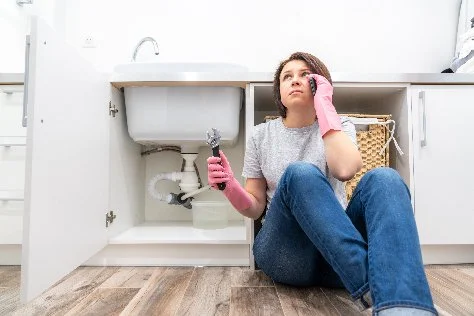
Waterproofing Tips for a Leaky House
This article provides practical tips for waterproofing a leaky house. As a homeowner, it is essential to understand the common causes of water leaks and take proactive measures to prevent them. With regular maintenance of septic tanks and sewer lines, proper crawlspace waterproofing, and exterior maintenance like gutter cleaning and downspout installation, homeowners can protect their property from costly water damage. By following these preventative measures, one can ensure a dry, mold-free home for years to come.
This article provides practical tips for waterproofing a leaky house. As a homeowner, it is essential to understand the common causes of water leaks and take proactive measures to prevent them. With regular maintenance of septic tanks and sewer lines, proper crawlspace waterproofing, and exterior maintenance like gutter cleaning and downspout installation, homeowners can protect their property from costly water damage. By following these preventative measures, one can ensure a dry, mold-free home for years to come.
Understand Common Causes of Water Leaks
Preventing water leaks begins with identifying their root causes, which typically include aging roofs, faulty plumbing, and inadequate drainage systems. As roofing shingles deteriorate over time, they lose their ability to effectively shield against water infiltration, often resulting in leaks. Faulty plumbing, characterized by cracked or corroded pipes, if left unaddressed, can lead to significant water damage within the home. Additionally, poor drainage systems contribute to water accumulation around the home's foundation, allowing moisture to eventually seep inside. Recognizing these common issues enables homeowners to take proactive steps to safeguard their properties from potential water damage.
Septic Tank Maintenance
The importance of maintaining a septic tank cannot be overstated. With the potential for leaks and contamination, it is necessary to take some preventative measures to ensure everything runs smoothly. Regular inspections through reliable professionals like Express Plumbing & Septic are a great way to catch any issues early on before they become major problems. It is also important to pump out the tank every 3-5 years to avoid overflows. Avoiding flushing non-biodegradable items is also vital to keeping your septic system in top condition. Not only can these items cause blockages, but they can also pose a danger to the environment. Following these simple maintenance tips, homeowners can keep their septic tanks working properly for years.
Sewer Line Repair
When it comes to sewer line issues, it's crucial to act quickly to avoid potentially severe water damage. From soggy patches in your yard to unpleasant odors and slow drains, signs of damage can manifest in a variety of ways. Depending on a variety of factors, such as the age of your home and what materials your pipes are made from, it's a good idea to have your sewer lines inspected by a professional at least once a year, typically through a camera inspection. Some signs of a sewer line in trouble are slow drains, gurgling noises coming from the pipes, and sewage odors around your home. If you do notice any cracks or blockages, it's essential to address them promptly, likely through a plumber like Graywater Plumbing LLC in order to make sure the job gets done quickly and efficiently. Not only will this go a long way towards helping to prevent further damage, but it will also give you peace of mind knowing that your sewer lines are in good working order.
Seal Gaps and Cracks
Water can enter a home through gaps and cracks in the foundation, walls, windows, and doors, making it crucial to regularly inspect these areas and seal any openings with caulk or weather stripping to prevent water infiltration. Proper ventilation throughout the home is equally important, as it helps reduce moisture buildup that can lead to mold growth. Attention should also be given to maintaining exterior elements such as siding and roof edges, ensuring they are intact and well-sealed. Additionally, installing downspouts and gutters that direct water away from the foundation further protects against water damage. By diligently identifying and sealing potential entry points for water, homeowners can significantly reduce the risk of water leaks and maintain a dry, safe living environment.
Crawlspace Waterproofing
Crawlspaces can be a breeding ground for mold and mildew due to their vulnerability to water intrusion. In order to prevent this, it is important to take certain measures to keep moisture out. Installing a vapor barrier, whether by yourself or through a professional service like Greene Planet Mold Removal, is a great start, as it shields your crawlspace and any potential leaks. Proper ventilation is also essential, as it decreases humidity levels, which can lead to moisture buildup. Additionally, sealant can be used to close any cracks or holes in your crawlspace that may allow water to seep in. By taking these steps, you can ensure that your crawlspace stays dry and mold-free for years to come. If you do suspect the presence of mold, it is important to seek professional mold removal services to eliminate the issue completely.
Insulate Pipes and Check for Leaks
One of the simplest and most effective measures for preventing common leakage problems is to insulate exposed pipes, particularly in attics, basements, and other vulnerable areas. This is especially important to do during the wintertime because of the havoc freezing temperatures and ice can play on your plumbing. Proper insulation, such as pipe sleeves or heat tape, can prevent pipes from freezing and bursting. It is also important to regularly check for any leaks in your pipes and address them promptly to avoid potential water damage. can prevent water lines from freezing and potentially bursting, which could cause significant damage to the plumbing system. Equally important is regularly checking for leaks throughout the home, as early detection and prompt repair can mitigate the risk of water damage and avoid costly repairs. Neglecting these precautions can lead to extensive damage and higher maintenance costs. Prioritizing pipe insulation and routine leak inspections is crucial for maintaining a home's integrity, particularly in colder climates.
Gutter Cleaning and Downspout Installation
When it comes to protecting your home from water damage, maintaining properly functioning gutters along your roof is essential. This is where regular gutter cleaning and downspout installation come into play. Without proper cleaning, clogged gutters can overflow and lead to damaging effects on your home, such as interior and exterior wall damage, roof leaks, and even structural damage. Downspouts are also an important aspect of gutter maintenance, as they direct water away from your home's foundation, protecting it from leaks or potential flooding. By investing in professional gutter cleaning and downspout installation, you can ensure that your home is well-protected from water damage and able to withstand even the toughest of storms.
Seal Windows and Doors
Sealing windows and doors provides substantial benefits for homeowners by preventing unwanted water infiltration and enhancing energy efficiency. Regular inspections to identify gaps or cracks should be conducted, with caulk or weather stripping used to seal these openings effectively. This simple maintenance task not only keeps out cold drafts during winter but also safeguards against leaks that can cause significant damage. Signs of water damage, such as peeling paint or discoloration around windows and doors, should be promptly addressed to prevent further issues. Additionally, using high-quality sealants and ensuring a thorough application can extend the longevity of these seals. By proactively managing these potential problem areas, homeowners can maintain a well-sealed, comfortable, and efficient home, ultimately avoiding costly repairs and preserving the property's integrity.
Exterior Waterproofing
Exterior waterproofing is an essential element in keeping your home protected from unwanted moisture. It serves as the first line of defense against water, and neglecting it can lead to costly repairs and damage to your property. Proper maintenance of your gutters is vital, as clogged gutters can cause water to overflow and seep into your home. Installing downspouts to direct water away from your property is also crucial. Applying waterproof coating to your exterior walls is another effective way to prevent water penetration and keep your home dry. Additionally, ensuring that the ground around your property slopes away from the foundation can prevent water from pooling and causing damage. By taking these steps, you can safeguard your home against water damage and enjoy peace of mind knowing your property is protected.
Waterproof the Foundation
A leaky foundation poses a substantial risk to the structural integrity of a home, making it crucial to regularly inspect for cracks or gaps and seal them with waterproofing materials. This preventative measure not only prevents water infiltration but also helps maintain the durability of the foundation. Installing a drainage system around the foundation is another effective strategy, as it redirects water away from the property, reducing pressure on the foundation walls.
Additionally, professional waterproofing services can offer thorough protection, ensuring that the foundation is robust and resistant to moisture. Homeowners should also consider grading the landscape to slope away from the foundation, further minimizing the risk of water pooling. By implementing these measures, homeowners can safeguard their property, maintaining a strong and stable foundation that supports the overall health of the home.
Protecting your home from water leaks requires regular maintenance and proactive measures. By understanding the common causes of water leaks and implementing preventative strategies such as septic tank maintenance, sewer line repair, sealing gaps and cracks, crawlspace waterproofing, insulating pipes, gutter cleaning and downspout installation, window and door sealing, exterior waterproofing, and foundation waterproofing, homeowners can ensure a dry, mold-free living environment. Diligent upkeep of these areas not only prevents costly repairs but also safeguards the structural integrity of the property for years to come. As a responsible homeowner, taking these steps can provide peace of mind and help maintain a safe, comfortable home for you and your family.
Smart Spending, Big Impact: Facility Upgrades on a Budget
Whether you are renovating or trying to transform your home into something 100% your own, there are, of course, things you will need to upgrade. These upgrades don’t always have to cost a fortune because we all know how all those numbers start adding up and within 2 minutes, you’ve just spent your entire budget. So when considering all the ways to save money but not skip any corners, skipping corners, especially with facility upgrades, will only cost you more in the long run so weve decided to work smarter and not harder by putting together some key ways you can not upgrade but save a pretty penny while doing it.
Whether you are renovating or trying to transform your home into something 100% your own, there are, of course, things you will need to upgrade. These upgrades don’t always have to cost a fortune because we all know how all those numbers start adding up and within 2 minutes, you’ve just spent your entire budget. So when considering all the ways to save money but not skip any corners, skipping corners, especially with facility upgrades, will only cost you more in the long run so weve decided to work smarter and not harder by putting together some key ways you can not upgrade but save a pretty penny while doing it.
Prioritise Ruthlessly
It’s easy to say you want this, that and these done, but before you whack the hammer or the credit card out, you need to consider which takes priority. You should focus all of your attention on those areas that might pose a safety risk, such as uneven flooring, faulty lights and anything else that could create bigger issues in the future.
By distributing your needs and wants, you are getting all the foundations in place so you can have a smoother process when it comes to getting all of your wants transpired. For example, all the cosmetics should come at the very end. It's easy to get carried away in terms of wanting to see the finished result but that isn’t going to do anything but delay the protection and even cost more money.
Embrace Resourcefulness
Don’t buy everything from the first shop you walk into, whether that be a B&Q or the rest, their prices can be so much higher than they should be. By shopping around, you can get a real bargain for your money. Everything from taps to shower curtains should be shopping around, considering quality, price and priority, of course.
Don’t be afraid of buying used, borrowing from relatives or even receiving hand-me-downs. Everything revolving around home design, construction and facilities management in Hull can cost a lot of money, so save where you can and you will be so glad you didn’t just buy it from the same place.
DIY is in the air; don’t be afraid to get down and dirty with literally everything that you think you can do. You will actually surprise yourself with how much you can do and while it takes effort it saves you a lot of money and teaches you a few skills. There are now plenty of online tutorials from men and women and if they can do it without experience, so can you. While doing it yourself, it might be best to take a staggered approach. Try doing one room at a time; this not only allows you to live freely in the house but also gives you a better opportunity to save up enough money for each room. Taking a staggered approach can work really well for people and helps you still maintain some sort of normality.
Add Long Terms Benefit
Now, more specifically, to the facilities upgrades! There are so many affordable changes that you can add to your home during renovations and any little tweaks along the way. It’s important to consider the long term in these scenarios so ideally, what might cost now will save you a lot in the future.
LED lightbulbs
Transferring to this little tiny change can save you so much money on energy and lightbulbs as a whole. They are known for using less energy and being better for the environment so it’s a great little adjustment to add.
Smart Thermostat
Speaking of green, you can install a smart thermostat throughout your home. This will ensure you are not only saving energy throughout the year but also allowing you to relax. If you ever think you’ve forgotten to turn the heating off, your thermostat can do it for you, whether it’s through an app or it’s known that you don’t have it between 9-5 because you’re working. This will save money, time and energy.

