

A resource for those seeking information on organizing and transforming spaces.
How to Properly Care for Your Trees All Year Round
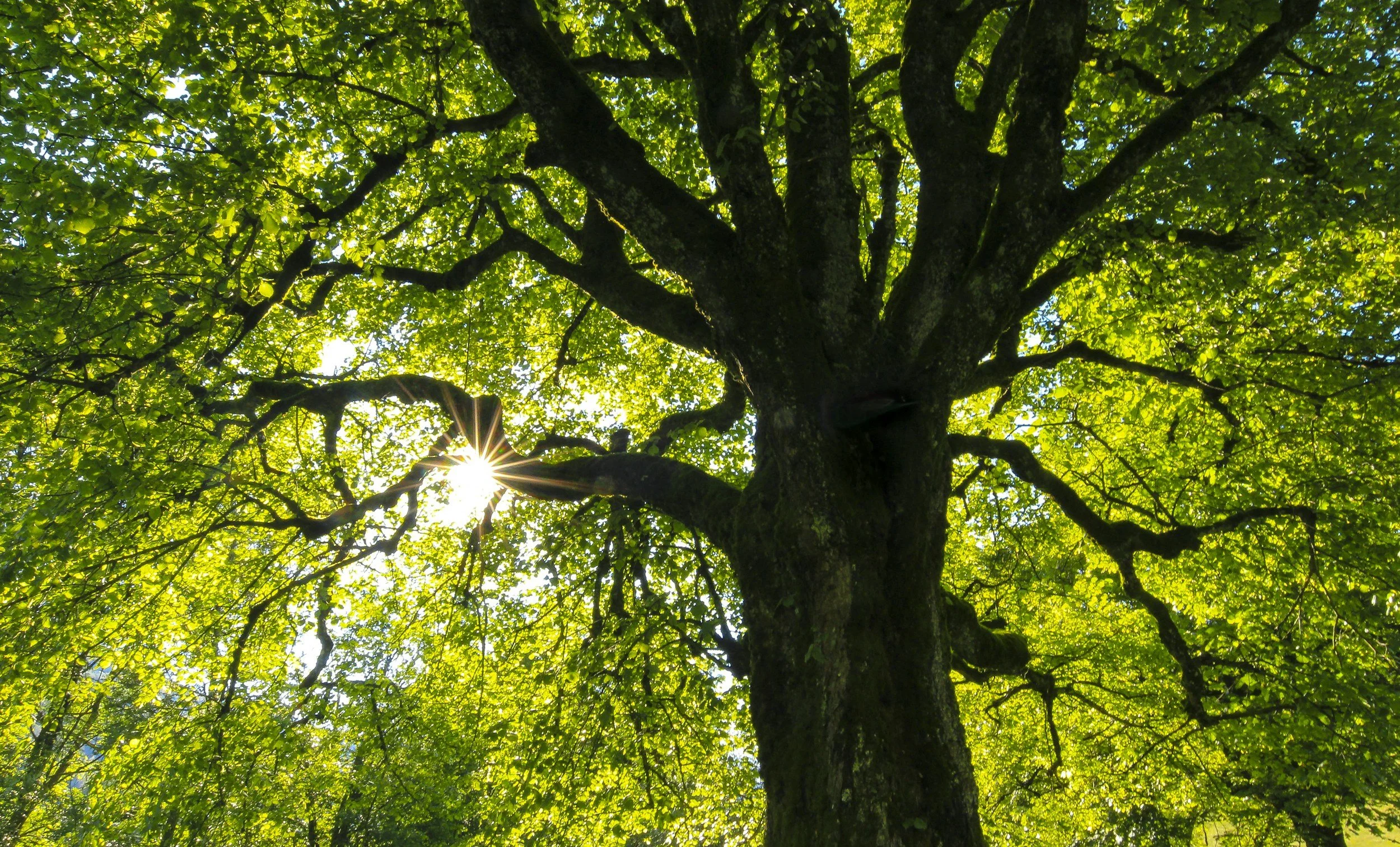
Trees are a cornerstone of any beautiful landscape, offering shade, beauty, and environmental benefits. Whether you're nurturing new saplings or tending to mature giants, giving your trees the right care year-round ensures they remain robust and continue to contribute to your property’s charm. By understanding their seasonal needs and providing thoughtful attention, you can help your trees live long, healthy lives, ensuring they stay a part of your landscaping for many years to come. Here are some effective tips that will keep your trees thriving year-round.

Trees are a cornerstone of any beautiful landscape, offering shade, beauty, and environmental benefits. Whether you're nurturing new saplings or tending to mature giants, giving your trees the right care year-round ensures they remain robust and continue to contribute to your property’s charm. By understanding their seasonal needs and providing thoughtful attention, you can help your trees live long, healthy lives, ensuring they stay a part of your landscaping for many years to come. Here are some effective tips that will keep your trees thriving year-round.
Spring
As temperatures begin to rise and buds start to bloom, spring is a crucial time for tree care. Start by conducting a thorough inspection of your trees for any signs of winter damage. This includes looking for broken or dead branches, cracks in the trunk, and early signs of pest infestations like egg masses or burrows. Use sharp, clean pruning shears to remove any damaged limbs. This not only improves the tree's appearance but also prevents the spread of disease. Clear away any debris from around the base of the tree to promote good air circulation and reduce the risk of fungal diseases. Additionally, applying a layer of mulch around the base can help retain soil moisture and protect roots.
Spring is also an excellent time to fertilize your trees to support their growth during this active period. Opt for a slow-release, nitrogen-rich fertilizer specifically designed for trees. Follow the product's instructions carefully, opting to fertilize when the soil is moist to enhance nutrient absorption. Deep watering is essential if rainfall has been sparse. Make sure to water the trees thoroughly, aiming for the roots, which encourages stronger growth. For fruit-bearing trees, additional spring tasks include thinning out excess fruits to improve the size and quality of the remaining ones and ensuring they receive adequate sunlight by careful pruning. Regular monitoring and timely interventions will keep your trees healthy and flourishing all season long.
Summer
The heat of summer can place significant stress on trees, particularly those that were recently planted. To ensure your trees remain healthy during this season, it's important to focus on deep watering. Aim to water your trees thoroughly at least once a week, ensuring the moisture reaches deep into the root zone. This encourages the growth of a robust root system, which is essential for long-term health. Adding a 2-4 inch layer of mulch around the base of your trees helps retain soil moisture, regulate temperature fluctuations, and reduce weed competition. Just be sure to keep the mulch a few inches away from the trunk to prevent rot and pest infestations.
It's also crucial to regularly inspect your trees for signs of pests or diseases, which can be more prevalent in the summer months. Look for unusual leaf discoloration, wilting foliage, or abnormal growths on the trunk or branches. Early detection allows for prompt treatment, which can prevent further damage. Utilize organic or chemical treatments as needed, but always consult with a local arborist if you're unsure about the best approach. Pruning dead or diseased branches not only helps the tree focus its energy on healthy growth but also improves air circulation and reduces the risk of fungal infections. With these detailed, proactive measures, your trees can thrive even in the hottest summer conditions.
Fall
As temperatures cool down and leaves begin to change color, it's time to prepare your trees for winter. Continue watering your trees until the ground freezes to ensure they go into dormancy well-hydrated. This is critical as dry roots are more susceptible to winter damage. Fall is also an excellent time to give your trees a deep soak, ensuring that the moisture penetrates deep into the root zone, fortifying the tree for the cold season ahead. If you have young or newly planted trees, consider applying a tree wrap around the trunks to protect them from frost cracks and sunscald caused by fluctuating winter temperatures.
Fall is an ideal time for pruning as most trees are entering a period of dormancy. Remove any dead or diseased branches to promote healthy growth in the spring, but avoid heavy pruning, as this can stress the tree. Instead, focus on light pruning to shape the tree and remove any problematic branches. Pay special attention to the tree's crown; thinning it out slightly can prevent winter storms from causing branch breakage due to heavy snow or ice accumulation. Consider hiring professional tree care services for larger or hard-to-reach trees. Additionally, fall is the perfect time to apply a slow-release fertilizer formulated for trees, which can bolster their health and provide vital nutrients that will be stored over winter and used in the spring. Finally, mulch the base of the trees with organic material to conserve moisture, provide insulation, and enhance soil quality, making your trees resilient through the cold months.
Winter
During winter, most tree care activities slow down as trees enter dormancy. However, it's essential to continue monitoring their health and safety. Heavy snowfall or ice accumulation can weigh down branches and cause breakage. To alleviate this risk, gently brush off excess snow from branches using a broom or other soft tool. Be cautious not to break any limbs in the process. Inspect trees after storms for damaged branches that might need attention. While winter is not the ideal time for pruning, it may be necessary to remove branches that pose an immediate hazard. Ensure any pruning is done with clean, sharp tools to reduce stress on the tree.
Protecting the trunk from extreme cold and sunscald is also crucial in winter. For young trees, consider using a tree wrap or burlap to cover the trunk, securing it loosely to allow for air circulation. Remove wrap in early spring to prevent moisture buildup and potential pest issues. Continue to monitor soil moisture levels, especially during dry winter spells. If the ground isn't frozen and conditions are dry, water your trees deeply, ensuring the moisture reaches the roots. Applying a fresh layer of mulch around the base of the tree can help insulate roots and retain soil moisture, while also providing a barrier against encroaching weeds. By keeping a close watch and taking these proactive measures, you can safeguard your trees' health through the coldest months of the year.
Year-Round Maintenance:
Maintaining the health of your trees requires consistent attention throughout the year. One crucial practice is monitoring soil moisture levels. Trees need varying amounts of water depending on their species, age, and the season; overly dry or waterlogged soil can stress them. Consider using a soil moisture meter to get precise readings and adjust your watering schedule accordingly. Install a drip irrigation system to provide deep, infrequent watering that supports robust root growth. This method conserves water and ensures it reaches the root zone effectively. Regularly check the mulch around your trees, replenishing it as needed. A 2-4 inch layer of organic mulch helps retain soil moisture, regulate temperature, and improve soil quality. Additionally, keep the mulch a few inches away from the trunk to prevent rot and pest issues.
Another critical aspect of year-round tree care is consistent monitoring and proactive pruning. Regularly inspect your trees for signs of disease, pests, and structural issues. Address problems early by consulting with a certified arborist when necessary. Pruning should be done thoughtfully - removing dead, diseased, or crossing branches to improve air circulation and sunlight penetration, which can reduce the risk of fungal infections and promote healthy growth. For fruit trees, routine thinning prevents overcrowding of branches, supporting larger, healthier fruits. Applying proper pruning techniques, such as making clean cuts just outside the branch collar, minimizes stress and promotes quick recovery. Finally, keep track of your trees' growth patterns and environmental changes in your landscape to adapt your care practices. With these detailed, hands-on strategies, you can ensure your trees remain vibrant and healthy all year long.
Don't be daunted by the seasonal tasks; instead, approach them with enthusiasm. Imagine the sense of accomplishment you’ll feel as your trees grow tall and strong, providing shade, fresh air, and perhaps even fruit. Remember, the little efforts you make today, like monitoring soil moisture or applying mulch, can yield magnificent results over time. And if you ever feel unsure, don't hesitate to reach out to a local arborist like AAA Tree & Landscaping, LLC—they are there to help and guide you.
You've got this! With these practical tips and a bit of dedication, your trees will thrive, transforming your outdoor space into a lush, green haven for many years to come. So, roll up your sleeves and enjoy the process—your trees will thank you for it!

Keeping Your Home In Tip-Top Shape: Urgent Vs. Noncritical Repairs
Our homes are sanctuaries, providing a haven of comfort and security. However, even the most well-maintained residences can encounter repair needs from time to time. The key to keeping your home safe and functional lies in understanding the difference between urgent and noncritical repairs. Addressing urgent issues promptly can prevent costly damage and safety hazards, while noncritical repairs can enhance the aesthetics and functionality of your living space.
Our homes are sanctuaries, providing a haven of comfort and security. However, even the most well-maintained residences can encounter repair needs from time to time. The key to keeping your home safe and functional lies in understanding the difference between urgent and noncritical repairs. Addressing urgent issues promptly can prevent costly damage and safety hazards, while noncritical repairs can enhance the aesthetics and functionality of your living space.
Urgent Repairs
Urgent repairs demand your immediate attention. Ignoring urgent repairs can lead to costly consequences down the line. Here are some common examples of urgent repairs:
Plumbing or Septic Issues: Leaky pipes, clogged drains, and malfunctioning septic systems can cause water damage, mold growth, and even sewage backups. Addressing these issues with a qualified plumbing contractor is crucial.
Heating, Ventilation, and Air Conditioning (HVAC) Problems: A malfunctioning HVAC system can leave you uncomfortably hot or cold, depending on the season.
Roof Damage or Replacement: A damaged roof exposes your home's interior to the elements, making it susceptible to water damage, mold growth, and structural issues.
Noncritical Repairs
Noncritical repairs address cosmetic concerns or improve the functionality of your home without posing an immediate threat. These repairs can be tackled at your own pace and budget. Some examples of noncritical repairs include:
Refinishing Hardwood Floors: Scratched or dull hardwood floors can detract from the aesthetics of your home. Refinishing your hardwood floors can breathe new life into them and enhancing the overall look of your space.
Painting the Walls: A fresh coat of paint can dramatically transform a room, making it feel brighter, cleaner, and more inviting. Painting is a relatively inexpensive way to update the look and feel of your home.
Installing New Carpeting: Worn-out carpeting can be unsightly and uncomfortable. Replacing your carpeting with new flooring can improve the aesthetics and functionality of your living space.
Remember, addressing urgent repairs promptly is essential for maintaining a safe and functional home. The infographic below that accompanies this article provides a visual guide to help you distinguish between urgent and noncritical repairs. By understanding the urgency of repairs, you can make informed decisions to keep your home in top shape for years to come.
Common Problems with Garage Remotes and How to Fix Them
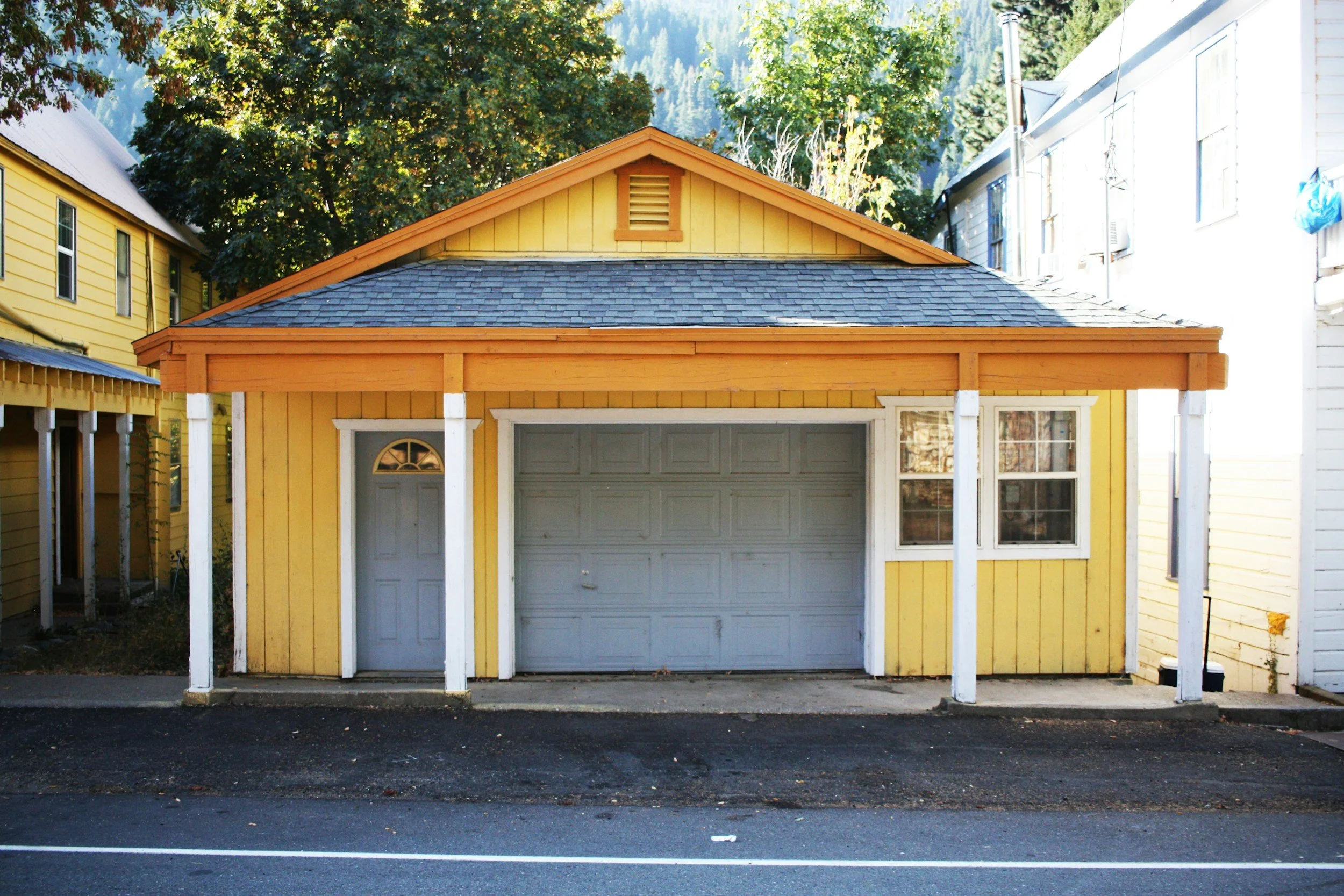
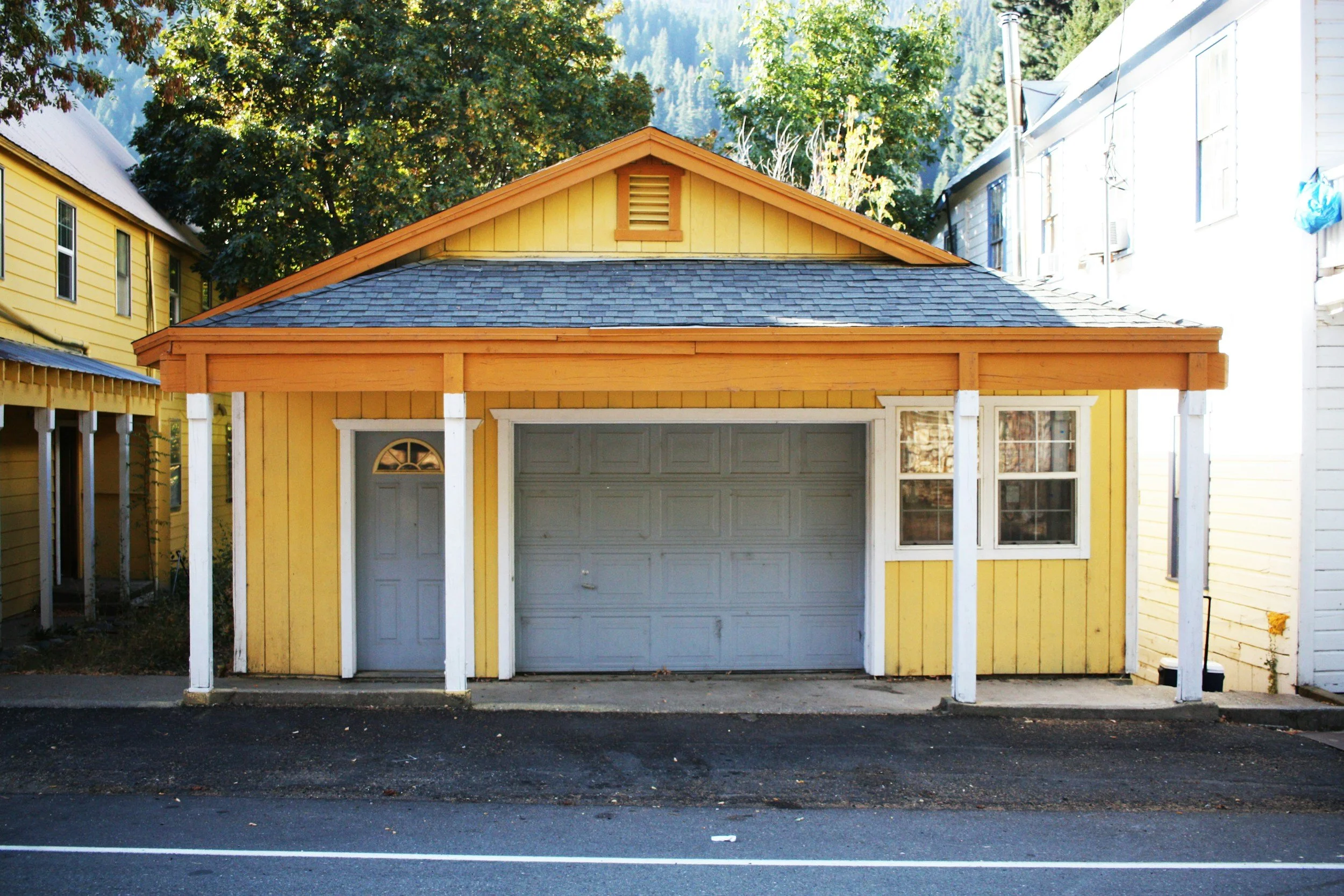
Is there anything more frustrating than a malfunctioning garage door remote when you're rushing out the door? If your garage remote isn't working properly, there could be a variety of issues at play. Here are some common problems with garage remotes and how you can troubleshoot and fix them without hassle.
Is there anything more frustrating than a malfunctioning garage door remote when you're rushing out the door? If your garage remote isn't working properly, there could be a variety of issues at play. Here are some common problems with garage remotes and how you can troubleshoot and fix them without hassle.
Battery Issues
One of the most common and easily overlooked reasons why your garage remote may not be working is a simple one: dead or weak batteries. Start by replacing the batteries with fresh, high-quality alkaline batteries to ensure optimal performance. It's important to avoid mixing old and new batteries, as well as different types of batteries, which can cause uneven power distribution and affect the remote's functionality. Make sure to check the battery contacts within the remote for any signs of corrosion or debris; a gentle clean with a cotton swab dipped in vinegar can remove any residue. Additionally, consider keeping a spare set of compatible batteries handy and mark a reminder on your calendar to replace them at least once a year to prevent unexpected interruptions.
Programming Errors
Sometimes, the issue lies in the programming of your garage remote. If your remote is not responding to your commands, it could be due to a programming error. First, consult your garage door opener manual for specific instructions on how to reprogram your remote. Typically, the process involves locating the "Learn" or "Program" button on the garage door opener unit, pressing and holding it until the indicator light turns on, and then pressing a button on your remote to sync it with the opener. Ensure that you complete this process within a designated time frame, often within 30 seconds, to avoid starting over. Additionally, if you've recently experienced a power outage, it may have reset the programming—requiring you to reprogram the remote. For homeowners with multiple remotes and keypads, ensure each device is programmed using the same method to prevent inconsistencies. If you experience persistent issues, it might be helpful to clear the opener's memory by pressing and holding the "Learn" button until the indicator light turns off, then reprogram all the remotes afresh.
Interference
Interference from various electronic devices is a common culprit for garage remote issues, often leading to inconsistent or weak signals. Wireless routers, baby monitors, cordless phones, and even some LED light bulbs can disrupt the communication between your remote and the garage door opener due to signal overlap. To troubleshoot this, identify and relocate or power down nearby electronic devices to see if the remote's performance improves. Switching your remote to a different frequency could also alleviate the issue; many modern garage door openers offer multiple frequency settings, which can be changed by following the manufacturer's instructions. Additionally, upgrading to a remote with rolling code technology can minimize interference problems as it changes the code each time the remote is used, making it more resistant to signal interference. If you continue to experience issues, consider installing an external antenna on the garage door opener to enhance signal reception, or use a remote signal booster, which can amplify the signal strength. This proactive approach will help ensure your garage door remote operates smoothly even in a tech-filled environment.
Obstruction in Signal Path
If your garage door remote works only when you're standing close to the door, obstructions in the signal path may be the cause. Start by examining the area between your remote and the garage door opener. Common culprits include metal shelving units, heavy-duty storage bins, and parked vehicles that can block or weaken the signal. Even less obvious obstructions like dense shrubbery or decorations near the garage entrance can interfere. Clear out these obstructions to improve the range and reliability of your remote. Additionally, keep the antenna on your garage door opener fully extended and straight to maximize signal reception. If possible, install the opener in a location free from such obstructions. Consider rearranging your storage layout to keep the path clear and ensure your remote functions smoothly. If obstructions are unavoidable, a remote signal booster could help, but prioritizing a clear signal path is the best first step.
Faulty Remote
If none of the above solutions resolve the issue, your garage remote itself might be faulty. Start by inspecting the remote for any visible signs of physical damage, such as cracked casing or worn-out buttons. If the remote appears intact, but still doesn't function, try a reset by removing its batteries for a few seconds, and then reinserting them. Should the problem persist, you may need a compatible replacement remote designed specifically for your garage door opener model. To avoid compatibility issues, purchase the remote from the original manufacturer or a trusted supplier like Frost Security Locksmiths. After obtaining a new remote, follow the garage opener's manual for programming. This often involves pressing the "Learn" button on the opener and synchronizing it with the remote. If you are unsure about the model or compatibility, many manufacturers offer resources on their websites, including model lookup tools and customer support to help with the identification process. Keeping a backup remote as a part of regular maintenance can also mitigate downtime in the future.
Dealing with a malfunctioning garage door remote can be a headache, but armed with these troubleshooting tips, you can quickly identify and resolve common issues on your own. By addressing battery issues, programming errors, interference, signal obstructions, or a faulty remote, you can get your garage door operating smoothly again in no time. If all else fails, consider seeking professional assistance from a technician specializing in garage door repairs for expert guidance and support.
Don't let a faulty garage door remote slow you down – take charge of the situation with these practical solutions!

Why Wooden Shingles Are a Top Roofing Choice for Homeowners
Choosing the right roofing material is crucial for any homeowner. One option that stands out is wooden shingles. Wood shingles offer a blend of aesthetics, durability, and environmental benefits that make them an excellent choice. This post explores five key reasons why wooden shingles are a premier choice for roofing, providing valuable insights for homeowners considering this option.
Choosing the right roofing material is crucial for any homeowner. One option that stands out is wooden shingles. Wood shingles offer a blend of aesthetics, durability, and environmental benefits that make them an excellent choice. This post explores five key reasons why wooden shingles are a premier choice for roofing, providing valuable insights for homeowners considering this option.
Timeless Beauty and Aesthetic Appeal
Wooden shingles are known for their timeless beauty. They offer a natural look that enhances the overall appearance of a home. Each wooden shingle is unique, adding a distinct character to the roof.
The rich textures and colors of wood blend seamlessly with various architectural styles, from rustic cabins to modern homes. Over time, wooden shingles develop a beautiful patina that adds to their charm.
By choosing wooden shingles, homeowners can achieve a sophisticated and elegant look that stands out in any neighborhood.
Durability and Longevity
One significant advantage of wooden shingles is their durability. Properly maintained wooden shingles can last several decades, making them a long-term investment. Their natural resistance to elements ensures that they endure harsh weather conditions.
Wood shingles are less likely to crack or break under pressure compared to other materials. They can withstand heavy winds, hail, and even minor impacts without significant damage.
Regular maintenance, such as treating the wood and keeping it clean, can extend the lifespan of wooden shingles, making them a cost-effective option over time.
Excellent Insulation Properties
Wood is a natural insulator, providing excellent thermal and acoustic insulation. Wooden shingles help maintain a comfortable indoor temperature by regulating heat flow.
During hot summers, wooden shingles prevent excessive heat from entering the home. In winters, they retain warmth, reducing the need for excessive heating. This natural insulation can lead to significant energy savings over time.
Additionally, wooden shingles offer soundproofing benefits, minimizing external noise and creating a quieter indoor environment.
Eco-Friendly and Sustainable Choice
Wooden shingles are an eco-friendly roofing option. Unlike synthetic materials, wood is a renewable resource. Responsible sourcing and sustainable forestry practices ensure that the use of wood does not harm the environment.
Choosing wooden shingles supports the reduction of carbon footprint. The production process for wooden shingles requires less energy compared to other roofing materials. At the end of their lifespan, wooden shingles can be recycled or repurposed, minimizing waste.
Using wooden shingles aligns with green building practices, contributing to a more sustainable and eco-conscious home.
Easy Installation and Maintenance
Installing wooden shingles is relatively straightforward, making it a convenient choice for homeowners. Professional roofers find wooden shingles easy to work with due to their lightweight nature.
Repairing wooden shingles is also simple. Individual shingles can be replaced without affecting the entire roof structure. Regular inspections and basic maintenance, such as removing debris and treating the wood, keep the roof in optimal condition.
This ease of installation and maintenance reduces long-term costs and ensures that the roof remains functional and attractive for years.
Enhancing Property Value
Investing in wooden shingles can significantly enhance the value of a property. Potential buyers often appreciate the aesthetic appeal and durability of wooden shingles, making homes with wood roofs more attractive on the market.
A well-maintained wooden roof can increase the curb appeal of a house, creating a positive first impression. This added value can translate into a higher resale value, offering homeowners a return on their investment.
By choosing wooden shingles, homeowners not only improve their living space but also make a smart financial decision.
Resistant to Insects and Decay
Contrary to common misconceptions, wooden shingles can be treated to resist insects and decay. Modern treatments protect the wood from termites, mold, and mildew, ensuring the roof remains sturdy and intact.
These treatments penetrate deep into the wood, providing long-lasting protection. Homeowners can enjoy the benefits of wooden shingles without worrying about insect infestations or rot.
Regular maintenance and periodic re-treatments further enhance the resistance of wooden shingles, maintaining their integrity over time.
Fire Resistance
While wood is naturally flammable, advancements in fire-retardant treatments have made wooden shingles safer. Treated wooden shingles meet stringent fire safety standards, providing peace of mind to homeowners.
These treatments slow down the spread of flames, allowing more time for fire services to respond. Choosing treated wooden shingles ensures that the roof complies with local fire regulations and enhances overall safety.
Fire-resistant wooden shingles combine traditional charm with modern safety features, making them a reliable roofing option.
Versatility in Design
Wooden shingles offer versatility in design, allowing homeowners to customize their roofs according to their preferences. Different wood types, such as cedar and redwood, offer various colors and textures.
Homeowners can choose from a range of finishes, from natural wood tones to painted options. This flexibility enables the creation of unique and personalized roofing designs.
Whether aiming for a traditional, modern, or eclectic look, wooden shingles provide the versatility needed to achieve the desired aesthetic.
Natural Ventilation
Wooden shingles promote natural ventilation, preventing moisture buildup and ensuring a healthy roof. The natural gaps between shingles allow air circulation, reducing the risk of mold and mildew.
This ventilation helps maintain optimal roof temperatures, preventing heat damage and extending the lifespan of the shingles. It also contributes to a healthier indoor environment by reducing humidity levels.
Properly installed wooden shingles ensure that the roof breathes, enhancing its performance and longevity.
Cost-Effective Over Time
While the initial cost of wooden shingles may be higher than some alternatives, their long-term benefits make them cost-effective. Their durability reduces the need for frequent replacements, saving money in the long run.
Energy savings from their insulation properties and the potential increase in property value further contribute to their cost-effectiveness. Wooden shingles offer a balance of upfront investment and long-term savings.
Homeowners seeking a roofing solution that combines aesthetics, performance, and value find wooden shingles to be a worthy investment.
Final Thoughts
Wooden shingles offer numerous benefits that make them a top choice for roofing. Their timeless beauty, durability, excellent insulation, eco-friendliness, and ease of installation make them a preferred option for homeowners.
By investing in wooden shingles from reputable companies like Dallastown Roofing & Contracting, homeowners can enhance the aesthetic appeal and value of their property. Their resistance to insects, decay, and fire, combined with versatility in design and natural ventilation, further solidify their position as a superior roofing material.
Considering the long-term cost-effectiveness and environmental benefits, wooden shingles stand out as a smart and stylish choice for any home. Explore the world of wooden shingles and transform your roofing experience.

