

A resource for those seeking information on organizing and transforming spaces.

Tips to Find the Best Windows for Your Home
Windows are more than just openings in your walls. They are essential to the look, feel, and efficiency of your home. Whether you’re renovating or building from scratch, selecting the right windows can make a significant difference. This guide provides homeowners with practical tips to find the best windows for their homes, ensuring both beauty and functionality.

Windows are more than just openings in your walls. They are essential to the look, feel, and efficiency of your home. Whether you’re renovating or building from scratch, selecting the right windows can make a significant difference. This guide provides homeowners with practical tips to find the best windows for their homes, ensuring both beauty and functionality.
Understanding Your Window Needs
Every home is unique, and so are its window needs. Start by assessing what you aim to achieve with your new windows. Are you looking for better insulation, improved aesthetics, or enhanced security? Identifying your primary goals will help narrow down your options. Consider the architectural style of your home, your climate, and your budget. These factors will play a crucial role in your decision-making process.
Exploring Window Materials
Windows come in various materials, each with its own pros and cons. The most common materials include vinyl, wood, aluminum, and fiberglass.
Vinyl Windows
Vinyl windows are popular due to their affordability and low maintenance. They offer excellent insulation, which can help lower energy bills. Vinyl is resistant to moisture, making it a great choice for humid climates. However, it may not be as durable as other materials in extreme weather conditions.
Wood Windows
Wood windows exude a classic charm and can add a touch of elegance to any home. They provide good insulation but require regular maintenance to prevent rot and decay. If you’re willing to invest time in upkeep, wood windows can be a beautiful and timeless option.
Aluminum Windows
Aluminum windows are known for their strength and durability. They are ideal for homes in harsh weather conditions. However, they are not as energy-efficient as other materials and may require thermal breaks to prevent heat loss.
Fiberglass Windows
Fiberglass windows are gaining popularity for their strength and energy efficiency. They can mimic the look of wood without the high maintenance. Fiberglass is also resistant to temperature fluctuations, making it a durable choice for any climate.
Selecting the Right Window Style
The style of your windows can significantly impact the overall look of your home. There are several styles to choose from, each offering unique benefits.
Double-Hung Windows
Double-hung windows are a versatile and popular choice. They have two movable sashes, allowing for easy cleaning and ventilation. This style suits a variety of home designs, from traditional to modern.
Casement Windows
Casement windows are hinged on one side and open outward like a door. They provide excellent ventilation and can be easily operated with a crank. Casement windows are perfect for hard-to-reach areas, such as over a kitchen sink.
Sliding Windows
Sliding windows have sashes that slide horizontally. They are easy to operate and provide wide, unobstructed views. Sliding windows are an excellent choice for contemporary homes.
Awning Windows
Awning windows are hinged at the top and open outward. They are often used in combination with larger windows to provide ventilation while keeping out rain. Awning windows are ideal for basements and bathrooms.
Considering Energy Efficiency
Energy-efficient windows can help reduce your heating and cooling costs while keeping your home comfortable year-round. Look for windows with the ENERGY STAR label and consider the following features.
Low-E Glass
Low-emissivity (Low-E) glass has a special coating that reflects heat while allowing light to pass through. This helps keep your home warm in the winter and cool in the summer.
Double or Triple Glazing
Windows with double or triple glazing have multiple panes of glass with air or gas-filled spaces between them. This provides better insulation and reduces heat transfer.
Gas Fills
Some energy-efficient windows have argon or krypton gas fills between the panes. These gases are denser than air, providing better insulation and reducing energy costs.
Evaluating Window Performance Ratings
When shopping for windows, pay attention to performance ratings. These ratings can help you compare the energy efficiency and overall performance of different windows.
U-Factor
The U-factor measures a window’s ability to insulate. Lower U-factors indicate better insulation and energy efficiency.
Solar Heat Gain Coefficient (SHGC)
The SHGC measures how much solar radiation passes through a window. Lower SHGC values mean less heat enters your home, which is beneficial in hot climates.
Visible Transmittance (VT)
VT measures the amount of visible light that passes through a window. Higher VT values indicate more natural light, which can brighten your home and reduce the need for artificial lighting.
Ensuring Proper Installation
No matter how high-quality your windows are, improper installation can lead to problems such as drafts, leaks, and reduced energy efficiency. Hiring a professional installer with experience and positive reviews is crucial. Proper installation ensures your windows perform as expected and last for many years.
Balancing Cost and Quality
While it’s tempting to choose the cheapest option, investing in high-quality windows can save you money in the long run. High-quality windows are more durable, energy-efficient, and require less maintenance. Consider your budget, but don’t compromise on quality.
Exploring Custom Options
Custom windows can add a unique touch to your home. Many manufacturers offer custom sizes, shapes, and finishes to match your style. Custom windows can enhance the aesthetics of your home and provide a perfect fit for non-standard openings.
Considering Maintenance and Longevity
Different window materials and styles require varying levels of maintenance. Consider how much time and effort you’re willing to invest in upkeep. Wood windows, for example, need regular painting and sealing, while vinyl and fiberglass require minimal maintenance. Choose windows that align with your maintenance preferences and lifestyle.
Incorporating Smart Technology
Smart windows are a modern innovation that can enhance your home’s comfort and security. Features like automatic tinting, remote operation, and integration with smart home systems offer convenience and energy savings. Explore smart window options to bring your home into the future.
Getting Professional Advice
If you’re unsure about which windows to choose, seek advice from professionals such as Best Buy Windows & Siding and others. Window experts can assess your home’s needs, recommend suitable options, and provide valuable insights. Consulting with a professional can help you make an informed decision and avoid costly mistakes.
Choosing the best windows for your home involves careful consideration of various factors, including material, style, energy efficiency, and installation. By understanding your needs and exploring different options, you can find windows that enhance your home’s beauty, comfort, and value. For personalized assistance and expert recommendations, contact our team today and take the first step toward transforming your home with the perfect windows.

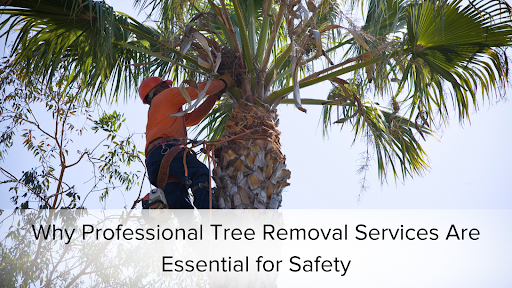
Why Professional Tree Removal Services Are Essential for Safety
Are you a homeowner or property manager concerned about potentially hazardous trees on your land? Have you been contemplating whether to remove a tree yourself or hire professionals? This guide addresses the critical importance of professional tree removal services for ensuring safety.
We partnered with a home improvement company for this post. The opinions in the post are honest. All reviews and opinions expressed in this post are based on our personal views. We are excited because we know you will love it.
Are you a homeowner or property manager concerned about potentially hazardous trees on your land? Have you been contemplating whether to remove a tree yourself or hire professionals? This guide addresses the critical importance of professional tree removal services for ensuring safety.
We'll explore the risks of DIY tree removal, the benefits of hiring experts, and key considerations in the process. Whether you're dealing with a dying tree, one that's threatening structures, or simply need to clear land, this article will help you make an informed decision to protect your property.
When Is Tree Removal Necessary?
Tree removal becomes essential in various situations. Dead, dying, or severely diseased trees pose falling risks, especially during storms. Trees with compromised structural integrity, such as those with large cracks or significant lean, require removal.
Trees interfering with power lines, foundations, or underground utilities often need elimination. In some cases, healthy trees might be removed for construction projects or landscape redesigns.
Trees with invasive root systems damaging pavements or foundations are also candidates for removal. Regular assessments by certified arborists can help identify when a tree needs removal before it becomes a hazard.
A professional tree removal service can assist in these assessments and ensure safe and effective removal. Also, the tree removal service provides advice on maintaining the health of remaining trees and suggests suitable replacements if necessary. This proactive approach helps maintain the safety and aesthetics of your property.
The Risks of DIY Tree Removal
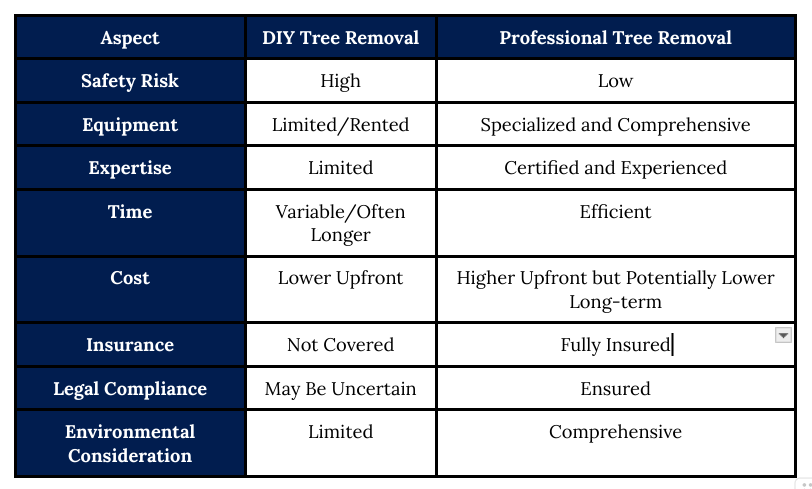
Attempting DIY tree removal carries significant risks. Personal injury is the primary concern, with falling branches and improper equipment use potentially leading to severe accidents or fatalities. Property damage is another major risk, as incorrectly felled trees can crash into buildings, vehicles, or neighboring properties.
DIY attempts often lack proper equipment, increasing accident likelihood and resulting in incomplete removal. There's also the risk of damaging underground utilities or nearby plants. Inexperienced individuals may not recognize signs of wildlife habitation or understand local regulations, leading to environmental harm or legal consequences.
The initial cost savings can be quickly overshadowed by these potential risks and unforeseen expenses. For urgent situations, an emergency tree removal service is advisable to mitigate immediate threats.
The Benefits of Professional Tree Removal Services
Expertise and Experience: Certified arborists and experienced technicians assess trees, identify risks, and determine safe removal methods. Their expertise ensures proper handling of complex situations, from initial evaluation to final debris disposal.
Specialized Equipment: Professionals use advanced tools like cranes, bucket trucks, and stump grinders for safe, efficient removal. This specialized equipment allows precise cutting and controlled falling, minimizing damage to surroundings. For commercial properties, professional services ensure that commercial tree removal is conducted with minimal disruption to business operations.
Insurance and Liability Coverage: Reputable companies carry comprehensive insurance, including liability and workers' compensation. This protects you from financial responsibility if accidents or property damage occur during the removal process.
Choosing the Right Tree Removal Service
Qualifications to Look For
When selecting a tree removal service, consider qualifications such as certified arborists on staff, proper licensing and insurance, membership in professional organizations (e.g., International Society of Arboriculture), and positive reviews and references from past clients.
Questions to Ask Before Hiring
Before hiring a tree removal service, ask about their insurance and licensing, safety measures, property protection methods, cleanup and disposal process, and whether they offer a written estimate and contract.
The Tree Removal Process
Site Assessment and Planning
Professional tree removal services begin with a thorough site assessment, evaluating the tree's size, species, and condition, identifying potential obstacles or hazards, determining the best removal method, and creating a detailed removal plan. This careful planning ensures a safe and efficient removal process.
Safety Measures and Precautions
Tree removal professionals implement various safety measures:

These precautions protect workers, bystanders, and property during the removal process. Emergency tree service providers are particularly adept at handling urgent safety concerns swiftly.
Proper Cutting Techniques
Professional tree removers use specific cutting techniques to ensure controlled falling, including directional felling, sectional dismantling for trees in confined spaces, and precise notch and back cuts to guide the tree's fall. These techniques minimize the risk of uncontrolled falling and potential damage.
Cleanup and Disposal
After removal, professional services ensure proper cleanup and disposal by removing all branches and debris from the site, grinding the stump or treating it to prevent regrowth, recycling wood chips or logs when possible, and leaving the site clean and safe.
Environmental Considerations
Professional tree removal services take steps to protect the surrounding landscape by using specialized equipment to minimize soil compaction, implementing techniques to avoid damaging nearby plants and trees, and carefully navigating around garden beds and other landscaping features.
Certified arborists are trained to consider wildlife when removing trees. They identify and protect nesting sites when possible, schedule removals outside of breeding seasons when appropriate, and collaborate with wildlife specialists if protected species are involved.
Professional services often employ sustainable disposal methods, such as recycling wood for mulch or firewood, donating usable wood to local artisans or community projects, and composting smaller debris for use in landscaping.
Legal and Regulatory Compliance
Many jurisdictions require permits for tree removal. Professional services understand local regulations and permit requirements, assist in obtaining necessary permits, and ensure compliance with local ordinances and zoning laws. Some trees may be protected due to their species, age, or historical significance.
Professional tree removal services can identify protected trees, advise on alternatives to removal when possible, and obtain special permissions if removal is necessary. For emergency tree removal services, professionals can expedite the permit process if necessary to address urgent safety concerns.
Cost Considerations
Several factors influence the cost of professional tree removal:
Tree size and diameter
Location and accessibility
Tree condition and potential hazards
Additional services (e.g., stump removal, wood chipping)
Local market rates and competition
Seasonal demand and weather conditions
Complexity of the removal process
While professional services may seem costly upfront, they often save money in the long run by preventing accidents and property damage.
Investing in pro-tree removal can save money as it prevents damage to buildings, utilities, and landscapes. It also avoids DIY medical expenses and removes the need to buy or rent equipment. And, it ensures thorough removal to stop future issues.
Alternatives to Tree Removal
In some cases, alternatives to removal may be possible, such as pruning and trimming to remove hazardous branches, cabling and bracing to support weak structures, root pruning to address invasive root systems or treatment for diseases or pest infestations. Professional arborists can assess whether these alternatives are viable options for your situation.
If removal is necessary, consider replanting options by choosing appropriate species for your climate and location, using proper planting techniques to ensure healthy growth, and implementing a landscaping plan to enhance your property's aesthetics and value.
Conclusion
When it comes to tree removal, hiring professionals is the smart choice. They have the skills, tools, and insurance to do the job safely and efficiently. While it might cost more upfront, it saves you from potential accidents, property damage, and legal issues.
Remember, tree removal is dangerous work. By choosing experts, you're protecting yourself, your property, and your neighbors. Don't take unnecessary risks - leave tree removal to the professionals.
Frequently Asked Questions
How long does the tree removal process typically take?
The process usually takes a few hours to a full day, depending on the tree's size and location. Large or complex removals might require multiple days.
What happens to the wood and debris after tree removal?
Most companies offer options like hauling away, chipping for mulch, or cutting into firewood. Some may leave wood on-site if requested. Discuss preferences beforehand.
Can you remove trees close to power lines or buildings?
Yes, professionals can safely remove trees near structures or power lines. They use specialized equipment and techniques to ensure safety. Always inform the company about nearby hazards.

Enjoy the Breeze and Save on Energy with Awning Windows
Modern homeowners are always on the lookout for innovative ways to enhance their living spaces, and awning windows are a fantastic option to consider. These windows not only offer aesthetic appeal but also come with an array of practical benefits that can significantly improve any home. In this post, we'll explore the top five advantages of installing awning windows and how they can transform your living environment.
Modern homeowners are always on the lookout for innovative ways to enhance their living spaces, and awning windows are a fantastic option to consider. These windows not only offer aesthetic appeal but also come with an array of practical benefits that can significantly improve any home. In this post, we'll explore the top five advantages of installing awning windows and how they can transform your living environment.
Awning windows are hinged at the top and open outward from the bottom, resembling an awning when opened. They are typically operated using a crank mechanism, making them user-friendly. Their unique design allows them to provide excellent ventilation while protecting the interior from rain and other elements.
Enhanced Ventilation
One of the most significant benefits of awning windows is their ability to enhance ventilation within a home. Because they open outward from the bottom, these windows can be left open even during light rain, allowing fresh air to flow in while keeping moisture out. This design ensures that your home remains well-ventilated regardless of weather conditions.
Improved Indoor Air Quality
Good ventilation is crucial for maintaining a healthy indoor environment. Awning windows facilitate constant air circulation, reducing the buildup of indoor pollutants such as dust, allergens, and volatile organic compounds (VOCs). This can lead to improved respiratory health and overall well-being for the entire household.
Energy Efficiency
Awning windows are known for their energy-efficient properties. When closed, they create a tight seal that prevents air leakage, which helps maintain a consistent indoor temperature. This can reduce the need for heating and cooling systems, leading to lower energy bills and a smaller carbon footprint.
Natural Lighting
These windows are excellent for maximizing natural light in a home. Their design allows for larger glass panes, which can flood a room with sunlight. Increased natural lighting can improve mood, reduce the reliance on artificial lighting, and even make spaces appear larger and more welcoming.
Aesthetic Appeal
Awning windows offer a sleek and modern look that can complement various architectural styles. Their unique opening mechanism adds a touch of sophistication to any home. Available in a variety of materials and finishes, these windows can be customized to suit individual preferences and enhance a property's curb appeal.
Versatility in Design
Awning windows are incredibly versatile and can be installed in various parts of a home. Whether placed high on walls for privacy, paired with larger stationary windows, or used in hard-to-reach areas, their flexibility makes them an excellent choice for diverse design needs.
These windows are particularly well-suited for humid areas such as bathrooms and kitchens. Their excellent ventilation properties help reduce moisture buildup, preventing mold and mildew growth. Additionally, their ease of operation makes them ideal for spots that require frequent ventilation.
Awning windows can be paired with other window styles to create a unique and functional design. For instance, combining them with picture windows can offer expansive views while still providing the option for ventilation. This design flexibility allows homeowners to achieve both aesthetic and practical goals.
Given their hinge placement, awning windows are perfect for high walls where traditional windows might be challenging to operate. They can provide natural light and ventilation without compromising on privacy or requiring frequent adjustments.
Durability and Low Maintenance
Awning windows are built to last. Constructed from durable materials like aluminum, vinyl, or wood, they can withstand harsh weather conditions. Their outward-opening design also protects the window seal from damage caused by rain and debris, contributing to a longer lifespan.
One of the practical advantages of awning windows is their ease of cleaning. The outward opening allows for easy access to both sides of the glass, making maintenance straightforward. Homeowners can keep their windows sparkling clean with minimal effort, ensuring clear views and maximum natural light.
These windows are designed to be weather-resistant. The tight seal prevents drafts and water ingress, even during heavy rain. This weather resistance not only contributes to energy efficiency but also protects the interior of the home from potential water damage.
Awning windows are available in various materials, each offering unique benefits. Aluminum frames are lightweight yet strong, vinyl frames are low-maintenance and energy-efficient, and wood frames offer a timeless aesthetic. Regardless of the material chosen, awning windows are built to endure.
Enhanced Security
Security is a key consideration for any homeowner, and awning windows excel in this regard. Their design makes them difficult to force open from the outside, providing an added layer of protection against intruders.
The crank mechanism used to open and close awning windows is inherently secure. When fully closed, these windows lock tightly, making it challenging for potential intruders to gain access. This added security feature can provide peace of mind for homeowners.
Many awning windows come with reinforced frames and safety glass options, further enhancing their security features. These robust construction elements ensure that the windows can withstand attempts at forced entry, adding another layer of protection for the home.
Awning windows can be installed higher on walls, providing natural light and ventilation while maintaining privacy. This placement makes them an excellent choice for bedrooms, bathrooms, and other private areas of the home.
Cost-Effective Investment
Installing awning windows is a cost-effective investment that can yield significant returns. Not only do they enhance the comfort and functionality of a home, but they also add value to the property, making them an attractive feature for potential buyers.
The addition of awning windows can boost a home's market value. Prospective buyers often look for energy-efficient, aesthetically pleasing, and low-maintenance features, all of which awning windows provide. This can make the property more appealing and potentially increase its resale value.
By improving energy efficiency, awning windows can lead to substantial savings on utility bills. Over time, the reduction in heating and cooling costs can offset the initial investment in these windows, making them a financially savvy choice for homeowners.
The durability and low-maintenance nature of awning windows mean that homeowners can save on maintenance and repair costs over the years. Their long-lasting materials and weather-resistant design contribute to their overall cost-effectiveness.
Final Thoughts
Awning windows offer a blend of style, functionality, and energy efficiency that can significantly enhance any home. From improved ventilation and natural lighting to increased security and cost savings, the benefits are numerous. For homeowners looking to invest in their property's comfort and value, awning windows are an excellent choice.
Ready to transform your living space? Consider installing awning windows from Wooden Works, Windows and Doors Corporation and experience the myriad benefits they bring. Your home, your comfort, and your energy bills will thank you.

What You Need To Know When Replacing the Walls of Your Project Home
Replacing the walls of your project home can be a daunting task, but it doesn't have to be overwhelming. This blog post is designed to provide you with all the essential information you need to get started. We'll cover everything from assessing the reasons for wall replacement to choosing the right materials, understanding environmental impacts, budgeting, and preparing for construction. By following these guidelines, you can ensure a smooth renovation process and achieve a home that not only looks great but also performs efficiently and sustainably.
Replacing the walls of your project home can be a daunting task, but it doesn't have to be overwhelming. This blog post is designed to provide you with all the essential information you need to get started. We'll cover everything from assessing the reasons for wall replacement to choosing the right materials, understanding environmental impacts, budgeting, and preparing for construction. By following these guidelines, you can ensure a smooth renovation process and achieve a home that not only looks great but also performs efficiently and sustainably.
Assessing the Need for Wall Replacement
Before proceeding with wall replacement, it's crucial to understand why it might be necessary. Structural damage, such as cracks or warping, often necessitates wall replacement to ensure the integrity of your home. In addition, outdated or deteriorated materials may need an upgrade for safety, insulation, or aesthetic reasons. Moisture damage and mold growth can also compromise your walls, requiring immediate attention. Regular inspections can help you identify these issues early, preventing more extensive damage over time.
Choosing Materials for New Walls
Once you've identified the need for new walls, the next step is selecting the right materials. Modern construction offers a variety of options, from traditional wood and drywall to more contemporary materials like insulated concrete forms and structural insulated panels. Each material has pros and cons, depending on climate, budget, and personal preference. For instance, wood is a classic choice offering flexibility and ease of installation, while concrete forms provide superior insulation and durability. Keep in mind, too, that each material requires the starting frame to be built a little differently. You can always reach out to a professional, like those at PFP Logistics, to help you build and get those wall frames as you need them. Be sure to evaluate the long-term benefits and costs of each material to make an informed decision that aligns with your home renovation goals.
Understanding Environmental and Energy Efficiency
Replacing your walls is also an opportunity to improve your home's energy efficiency. Modern materials often come with better insulation properties, helping to regulate indoor temperatures and reduce energy bills. Look for materials that have high R-values, which indicate better insulation performance. Additionally, many new wall materials are more environmentally friendly and made from sustainable or recycled sources. Choosing eco-friendly materials can not only lower your carbon footprint but also make your home healthier for you and your family.
Budgeting and Financing Your Wall Replacement
Financial planning is a critical aspect of any home renovation project, including wall replacement. Understand the costs involved, which can vary based on the materials selected, the size of your project, and labor expenses. It's important to get multiple quotes from contractors to ensure you are getting a fair price. Additionally, consider financing options such as home improvement loans or refinancing your mortgage. Proper budgeting helps prevent any financial strain and ensures the project runs smoothly without unexpected interruptions.
Preparing for the Construction Process
Finally, being prepared for the actual construction is essential for a successful wall replacement project. This includes understanding the timeline of the project, which can vary depending on the scope and complexity of the work. You may need to make arrangements for temporary living spaces or adjustments to your daily routines. Communication with your contractor is key to managing expectations and minimizing disruptions. Knowing what to expect can make the process less stressful and help ensure a successful outcome.
Replacing the walls of your project home is a significant undertaking, but with the right preparation and knowledge, it can be a smooth and rewarding process. From assessing the need for new walls to choosing the best materials, improving energy efficiency, budgeting effectively, and preparing for construction, each step is crucial to achieving a successful renovation. By staying informed and working closely with your contractor, you can ensure that your new walls not only enhance the structural integrity and aesthetics of your home but also contribute to a more comfortable and energy-efficient living space.

