

A resource for those seeking information on organizing and transforming spaces.
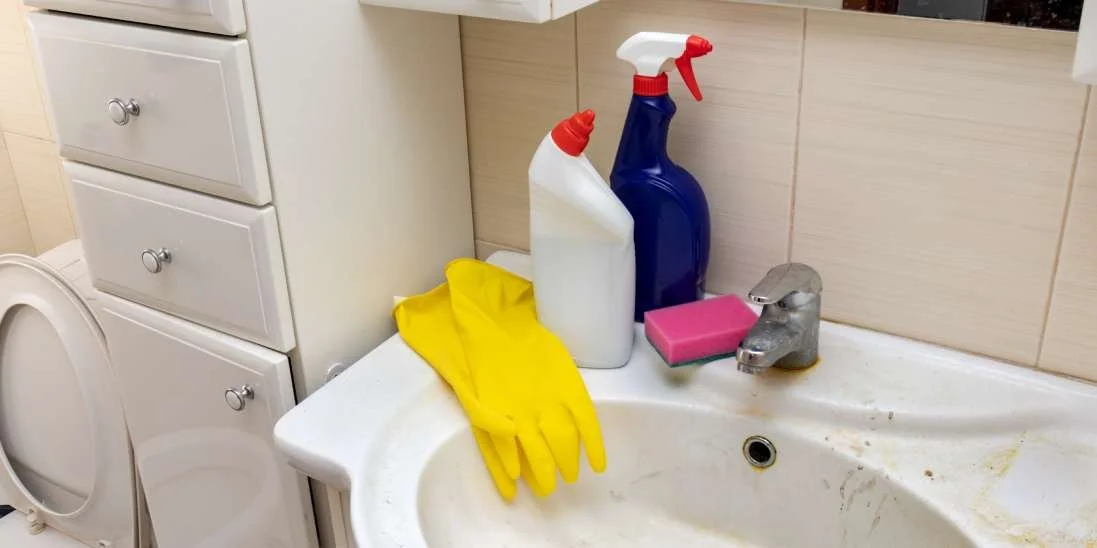
What Happens if You Stop Cleaning Your Bathroom?
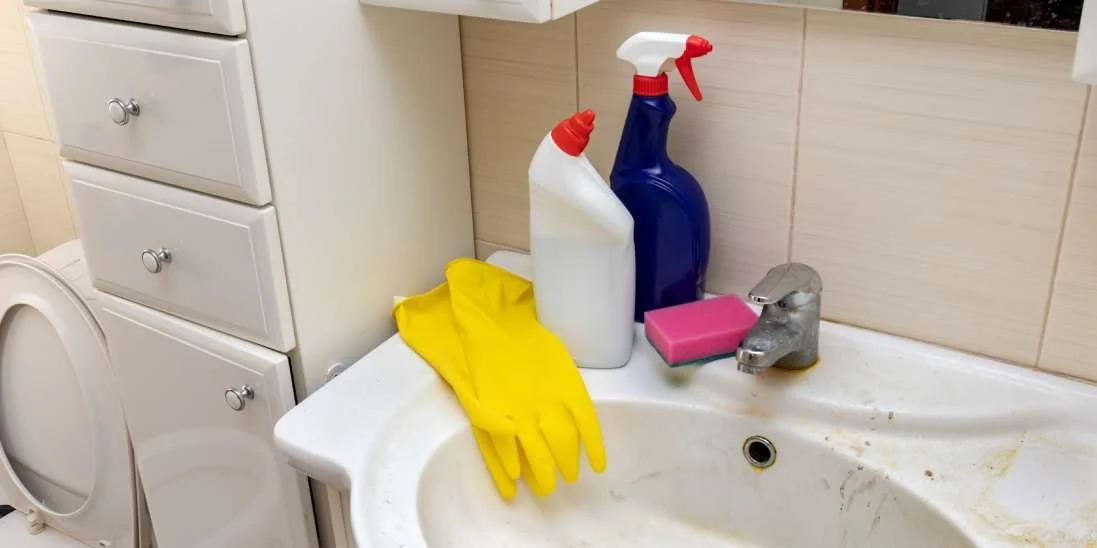
Staying on top of chores is hard. However, neglecting important rooms can have dire consequences. Here’s what happens if you stop cleaning your bathroom.
We partnered with a home design company for this post. The opinions in the post are honest. All reviews and opinions expressed in this post are based on our personal views. We are excited because we know you will love it.
If the last thing you want to do after a long week is scour your bathroom, you’re in the majority. Very few people on this earth enjoy chores, especially the nasty ones. However, there are certain tasks, no matter how dirty, that are important to stay on top of. Cleaning your bathroom is one of them.
To truly understand the importance of this chore, read on to discover what happens if you stop cleaning your bathroom. You might be surprised by the unpleasant consequences.
You Invite Mold and Mildew Growth
Mold and mildew thrive in damp, humid conditions, making your bathroom their ideal growth environment. This is especially true in a tiny house bathroom, where limited ventilation and space can trap humidity more easily. When you skip regular cleaning, moisture from showers and baths provides mold and mildew the perfect habitat.
You Let Fecal Matter Accumulate
Every time you flush your toilet, tiny droplets containing bacteria are released into the air and settle onto surfaces like your countertops, floor, walls, and yes—even your toothbrush if it’s exposed.
Wait—doesn’t flushing with the toilet seat down prevent this? No. Studies show that lidded and lidless flushes alike distribute pathogens through aerosolized particles.
Unaddressed, your toilet flushes make your bathroom a breeding ground for harmful bacteria, compromising the hygiene of your entire bathroom.
You Face the Health Risks of Mold and Fecal Matter
So why is mold and fecal matter accumulation a problem?
Let’s start with mold. Mold exposure can lead to respiratory issues, allergies, and other serious health problems. One specific problem is athlete’s foot, caused by a type of fungi that thrives in humid conditions.
Next, the presence of fecal matter increases the risk of infections and gastrointestinal illnesses from germs like E. coli.
Basically, an unattended bathroom poses a health risk to your lungs, skin, and stomach. So what can you do about it?
Helpful Bathroom Cleaning Tips
The best way to make your bathroom a consistently healthy place is to stay on top of cleaning. Here are some tips to help you keep your bathroom sparkling clean.
Create a Cleaning Schedule
The easiest way to let chores get away from you is to not have a plan for consistency. Break down bathroom tasks into daily, weekly, and monthly activities to ensure no area is overlooked. For example, you can disinfect the toilet bowl every day, sanitize all surfaces once a week, and scrub the grout once a month.
Use Effective, Nontoxic Cleaning Products
Bottom-shelf cleaners are usually weaker and more toxic than their higher-quality counterparts. When it comes to your bathroom and your health, investing a bit in cleaning supplies will pay off in the long run. You might even consider homemade cleaners with ingredients like lemon and baking soda for a truly nontoxic clean.
Ventilate Your Bathroom
Use exhaust fans or open windows to reduce humidity and prevent mold growth. Air purifiers can also help with mold growth, so use them in conjunction with great ventilation. Essentially, you want to make the bathroom as dry as possible to deter unwanted fungal guests.
Now that you know what happens if you stop cleaning your bathroom, are you ready to pick up a scrubber and go to town on yours? Even though bathroom cleaning isn’t the most pleasant of chores, being consistent with it will greatly benefit your health, comfort, and peace of mind.

The Significance of Quality Decking Materials
Quality decking materials are more profound than you realize. When it’s time to upgrade your outdoor living area, use this advice to get it done right.
When it comes to creating a beautiful outdoor living space, the choice of decking material can make all the difference. Whether you’re a homeowner looking to enhance your backyard, a DIY enthusiast planning your next big project, or an outdoor living lover who spends countless hours enjoying the fresh air, the quality of your decking materials is pivotal. These choices will affect the aesthetics of your space and impact durability, maintenance, and even the environment. We’re talking about the significance of quality decking materials in this guide.
Is Sustainable Hardwood Decking Right for You?
Sustainable hardwood decking offers a responsible choice for those who are conscious of their environmental footprint. These materials come from forests managed in ways that preserve the ecosystem and promote biodiversity.
Choosing sustainable hardwood decking means you’re opting for a product that is visually stunning and supports long-term environmental health. The environmental benefits of sustainable hardwood decking include reducing deforestation and promoting the use of renewable resources.
The Significance of Durability, Longevity, and Maintenance
Durability is a key factor when selecting decking materials because it directly affects long-term costs and maintenance efforts. High-quality materials withstand harsh weather conditions, heavy foot traffic, and other wear and tear.
For instance, decks made from durable materials like sustainable hardwood tend to last longer and require less frequent repairs. Investing in durable materials will save you money over time and reduce the headaches associated with constant upkeep.
Aesthetics and Value: Enhancing Home Appeal
The choice of decking material plays a significant role in the overall aesthetics of your outdoor space. Quality materials transform a mundane backyard into a stunning retreat and add visual appeal and value to your home.
Sustainable hardwood, for example, offers rich, natural tones that will complement various styles and designs. A beautiful deck can serve as the focal point of your outdoor area, making it a perfect spot for relaxation or entertaining guests.
Considerations When Choosing Decking Materials
Selecting the right decking material involves considering various factors, including climate, budget, and lifestyle. Climate plays a crucial role, as certain materials perform better in specific weather conditions.
Budget constraints may limit your choices, but investing in quality materials pays off in the long run. Your lifestyle also matters; if you entertain frequently, you’ll need a material that can handle heavy use. Choosing materials that align with your needs and values ensures satisfaction for years to come.
The quality of your decking materials greatly influences your outdoor space’s aesthetics, durability, and environmental impact. Homeowners, DIY enthusiasts, and outdoor living lovers should prioritize sustainable and high-quality materials for their decks. By making informed choices, you can enjoy a beautiful, long-lasting, and environmentally friendly outdoor area.

5 Items That Will Clog Your Drain
As a homeowner, one of the last things you want to deal with is a clogged drain. Not only is it inconvenient, but it can also lead to costly repairs if not addressed promptly. This blog post will discuss five common items that can clog your drain and provide tips on how to prevent them from causing any issues.
As a homeowner, one of the last things you want to deal with is a clogged drain. Not only is it inconvenient, but it can also lead to costly repairs if not addressed promptly. This blog post will discuss five common items that can clog your drain and provide tips on how to prevent them from causing any issues.
Hair
One of the most common culprits of clogged drains is hair. As you wash your hair in the shower or brush it over the sink, strands can easily become detached and find their way into your drains. Once hair makes its way into your drain, it doesn't just disappear. Instead, it begins to collect and form a stubborn blockage that slows down drainage and eventually leads to a full-blown clog. This buildup can happen quickly if you're not proactive about cleaning out your drains regularly. To prevent this, consider using a drain strainer to catch any loose hairs before they go down the drain.
Grease
Grease may start off as a liquid when hot, but as it cools down, it solidifies into a sticky substance that clings to the walls of your pipes. Over time, this buildup can accumulate and restrict water flow, leading to clogs that are difficult to remove. This not only affects the affected drain but can also impact other connected pipes in your plumbing system, causing blockages that result in overflows and backups. This not only poses a health hazard but also creates costly repairs for municipalities that have to clear out the clogs. The best way to prevent grease from clogging your drains is by never pouring it down any sink or toilet. Instead, pour it into a container and dispose of them in the trash.
Food Scraps
When you wash food scraps down the drain, they can accumulate and form a sticky residue that coats the inside of your pipes. Over time, this residue can build up and cause a blockage in your drains, leading to slow drainage or even complete clogs. Common culprits include coffee grounds, eggshells, and vegetable peels. One of the best ways to prevent food scraps from clogging your drain is to use a sink strainer or stopper. These inexpensive devices catch food particles before they have a chance to go down the drain.
Paper Products
Flushing paper towels, feminine hygiene products, or baby wipes down the toilet may seem like an easy solution, but these items do not break down as easily as toilet paper and can quickly clog your pipes. Stick to flushing only toilet paper to avoid any potential issues.
Soap Scum
Over time, soap scum can build up in your pipes and contribute to clogs. To prevent this from happening, regularly clean your drains with a mixture of baking soda and vinegar or invest in a commercial drain cleaner specifically designed to break down soap scum buildup.
Drain Cleaning Services
If you find yourself dealing with a stubborn clog that won't budge no matter what you try, consider hiring a drain cleaning service provider like John's Sewer and Drain Cleaning. Drain cleaning technicians have the tools and techniques to effectively remove even the toughest blockages without causing any damage to your pipes.
By being mindful of what goes down your drains and taking proactive measures to prevent clogs, you can save yourself from potential headaches and expenses in the future. Remember that prevention is key when it comes to maintaining healthy plumbing systems in your home. If you ever find yourself facing a particularly tough clog that you can't handle on your own, don't hesitate to reach out for professional assistance from a reliable drain cleaning service.

Tips to Find the Best Windows for Your Home
Windows are more than just openings in your walls. They are essential to the look, feel, and efficiency of your home. Whether you’re renovating or building from scratch, selecting the right windows can make a significant difference. This guide provides homeowners with practical tips to find the best windows for their homes, ensuring both beauty and functionality.

Windows are more than just openings in your walls. They are essential to the look, feel, and efficiency of your home. Whether you’re renovating or building from scratch, selecting the right windows can make a significant difference. This guide provides homeowners with practical tips to find the best windows for their homes, ensuring both beauty and functionality.
Understanding Your Window Needs
Every home is unique, and so are its window needs. Start by assessing what you aim to achieve with your new windows. Are you looking for better insulation, improved aesthetics, or enhanced security? Identifying your primary goals will help narrow down your options. Consider the architectural style of your home, your climate, and your budget. These factors will play a crucial role in your decision-making process.
Exploring Window Materials
Windows come in various materials, each with its own pros and cons. The most common materials include vinyl, wood, aluminum, and fiberglass.
Vinyl Windows
Vinyl windows are popular due to their affordability and low maintenance. They offer excellent insulation, which can help lower energy bills. Vinyl is resistant to moisture, making it a great choice for humid climates. However, it may not be as durable as other materials in extreme weather conditions.
Wood Windows
Wood windows exude a classic charm and can add a touch of elegance to any home. They provide good insulation but require regular maintenance to prevent rot and decay. If you’re willing to invest time in upkeep, wood windows can be a beautiful and timeless option.
Aluminum Windows
Aluminum windows are known for their strength and durability. They are ideal for homes in harsh weather conditions. However, they are not as energy-efficient as other materials and may require thermal breaks to prevent heat loss.
Fiberglass Windows
Fiberglass windows are gaining popularity for their strength and energy efficiency. They can mimic the look of wood without the high maintenance. Fiberglass is also resistant to temperature fluctuations, making it a durable choice for any climate.
Selecting the Right Window Style
The style of your windows can significantly impact the overall look of your home. There are several styles to choose from, each offering unique benefits.
Double-Hung Windows
Double-hung windows are a versatile and popular choice. They have two movable sashes, allowing for easy cleaning and ventilation. This style suits a variety of home designs, from traditional to modern.
Casement Windows
Casement windows are hinged on one side and open outward like a door. They provide excellent ventilation and can be easily operated with a crank. Casement windows are perfect for hard-to-reach areas, such as over a kitchen sink.
Sliding Windows
Sliding windows have sashes that slide horizontally. They are easy to operate and provide wide, unobstructed views. Sliding windows are an excellent choice for contemporary homes.
Awning Windows
Awning windows are hinged at the top and open outward. They are often used in combination with larger windows to provide ventilation while keeping out rain. Awning windows are ideal for basements and bathrooms.
Considering Energy Efficiency
Energy-efficient windows can help reduce your heating and cooling costs while keeping your home comfortable year-round. Look for windows with the ENERGY STAR label and consider the following features.
Low-E Glass
Low-emissivity (Low-E) glass has a special coating that reflects heat while allowing light to pass through. This helps keep your home warm in the winter and cool in the summer.
Double or Triple Glazing
Windows with double or triple glazing have multiple panes of glass with air or gas-filled spaces between them. This provides better insulation and reduces heat transfer.
Gas Fills
Some energy-efficient windows have argon or krypton gas fills between the panes. These gases are denser than air, providing better insulation and reducing energy costs.
Evaluating Window Performance Ratings
When shopping for windows, pay attention to performance ratings. These ratings can help you compare the energy efficiency and overall performance of different windows.
U-Factor
The U-factor measures a window’s ability to insulate. Lower U-factors indicate better insulation and energy efficiency.
Solar Heat Gain Coefficient (SHGC)
The SHGC measures how much solar radiation passes through a window. Lower SHGC values mean less heat enters your home, which is beneficial in hot climates.
Visible Transmittance (VT)
VT measures the amount of visible light that passes through a window. Higher VT values indicate more natural light, which can brighten your home and reduce the need for artificial lighting.
Ensuring Proper Installation
No matter how high-quality your windows are, improper installation can lead to problems such as drafts, leaks, and reduced energy efficiency. Hiring a professional installer with experience and positive reviews is crucial. Proper installation ensures your windows perform as expected and last for many years.
Balancing Cost and Quality
While it’s tempting to choose the cheapest option, investing in high-quality windows can save you money in the long run. High-quality windows are more durable, energy-efficient, and require less maintenance. Consider your budget, but don’t compromise on quality.
Exploring Custom Options
Custom windows can add a unique touch to your home. Many manufacturers offer custom sizes, shapes, and finishes to match your style. Custom windows can enhance the aesthetics of your home and provide a perfect fit for non-standard openings.
Considering Maintenance and Longevity
Different window materials and styles require varying levels of maintenance. Consider how much time and effort you’re willing to invest in upkeep. Wood windows, for example, need regular painting and sealing, while vinyl and fiberglass require minimal maintenance. Choose windows that align with your maintenance preferences and lifestyle.
Incorporating Smart Technology
Smart windows are a modern innovation that can enhance your home’s comfort and security. Features like automatic tinting, remote operation, and integration with smart home systems offer convenience and energy savings. Explore smart window options to bring your home into the future.
Getting Professional Advice
If you’re unsure about which windows to choose, seek advice from professionals such as Best Buy Windows & Siding and others. Window experts can assess your home’s needs, recommend suitable options, and provide valuable insights. Consulting with a professional can help you make an informed decision and avoid costly mistakes.
Choosing the best windows for your home involves careful consideration of various factors, including material, style, energy efficiency, and installation. By understanding your needs and exploring different options, you can find windows that enhance your home’s beauty, comfort, and value. For personalized assistance and expert recommendations, contact our team today and take the first step toward transforming your home with the perfect windows.

