

A resource for those seeking information on organizing and transforming spaces.

When Is the Right Time To Schedule a Furnace Inspection?
The best way to ensure your furnace remains in great shape is by having a professional inspect it; scheduling this inspection is paramount for your safety!

Maintaining your furnace is crucial for the safety of your home. If you have a busy schedule between caring for your kids and working full-time, you may need some tips on scheduling a maintenance check. Use this guide to determine the right time to schedule a furnace inspection and equip yourself with the knowledge to keep your home warm and safe.
Signs You Need a Furnace Inspection
Numerous signs might indicate your furnace needs an inspection. If you notice a sudden spike in heating costs without a corresponding change in usage, your furnace might be working harder than it should.
Additionally, unusual noises besides a dull hum indicate mechanical issues that require professional attention. Another sign is if your home experiences uneven heating or some rooms are colder.
Optimal Time for Scheduling a Furnace Inspection
Autumn is the perfect time to schedule a furnace inspection. This ensures your heating system is in top condition before the winter chill sets in. Fall inspections help you address issues before they worsen during the peak heating period.
Additionally, an HVAC professional could evaluate your furnace and recommend a replacement due to impending failure. In that case, you’ll have time to learn about the furnace installation process and prepare for it.
These professionals are generally less busy in the fall than in winter, making booking an appointment more convenient. By scheduling your furnace inspection in the fall, you ensure a smooth and efficient operation throughout winter.
Benefits of Early Maintenance
Early maintenance of your furnace offers several advantages. A head start helps you avoid inconvenient emergency repairs, especially during the winter when HVAC professionals are in high demand. Regular inspections and timely maintenance prolong the life of your furnace, ensuring it performs efficiently for many years.
A maintained furnace improves indoor air quality by reducing the risk of carbon monoxide leaks and other harmful emissions. Investing in early maintenance brings peace of mind, knowing your home is free from these issues.
Regular furnace inspections are vital for maintaining their safety and efficiency. Understanding the right time to schedule a furnace inspection makes your days easier to manage. Don’t wait for an emergency! Take proactive steps to take care of your home; you’ll thank yourself in the future.
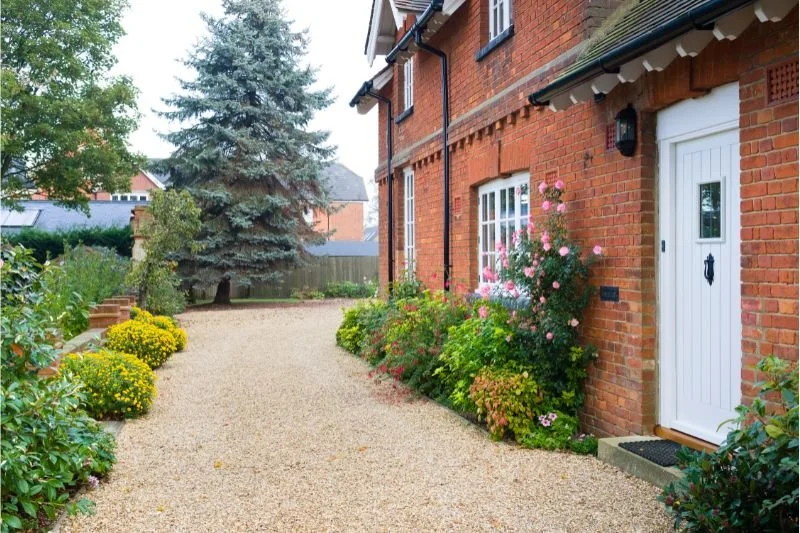
Innovative Driveway Designs for Modern Australian Homes
Have you ever stopped to consider how much your driveway contributes to your home's overall appearance and functionality? As the gateway to your property, driveways play a crucial role in creating that all-important first impression. But what makes a driveway truly stand out in today's modern architectural landscape? How can Australian homeowners strike the perfect balance between practicality and aesthetic appeal when it comes to their driveway design?
Have you ever stopped to consider how much your driveway contributes to your home's overall appearance and functionality? As the gateway to your property, driveways play a crucial role in creating that all-important first impression. But what makes a driveway truly stand out in today's modern architectural landscape? How can Australian homeowners strike the perfect balance between practicality and aesthetic appeal when it comes to their driveway design?
In recent years, the humble driveway has undergone a remarkable transformation. No longer just a utilitarian space for parking vehicles, it has become an integral part of a home's design, contributing significantly to its curb appeal and, by extension, its property value. As modern Australian homes continue to push the boundaries of innovative architecture, the demand for equally sophisticated driveway designs has surged. Homeowners are increasingly recognizing the potential of this often-overlooked space to make a bold statement, seamlessly integrate with the surrounding landscape, and even address environmental concerns.
This comprehensive guide delves into the world of contemporary driveway design, exploring the latest trends, materials, and techniques that are reshaping the way we approach this essential feature of our homes. From sustainable solutions that align with Australia's growing eco-consciousness to cutting-edge patterns that complement modern architectural styles, we'll cover everything you need to know to create a driveway that not only meets your practical needs but also elevates your home's overall aesthetic. Whether you're building a new home, renovating an existing property, or simply looking to refresh your outdoor space, this article will provide you with the insights and inspiration to transform your driveway into a true extension of your home's character and style.
Understanding Your Space: Assessing Your Driveway Needs
Before diving into the exciting world of driveway design, it's crucial to take a step back and assess your specific needs and constraints. Every property is unique, and what works for one home may not be suitable for another. The first consideration should be your property's layout and topography. Is your land flat, sloped, or uneven? The answer to this question will significantly influence your design choices and the materials you can use.
For instance, if you have a steep incline leading up to your home, you'll need to consider drainage solutions and possibly incorporate steps or terracing into your design. On the other hand, a flat property might allow for more flexibility in terms of patterns and layouts. Take the time to walk your property, noting any natural features like trees or rock formations that you'd like to preserve or highlight in your driveway design.
Local council regulations are another critical factor to consider. Each municipality in Australia has its own set of rules governing driveway construction, including width requirements, setbacks from property lines, and permissible materials. It's essential to familiarize yourself with these regulations early in the planning process to avoid costly mistakes or delays. Additionally, consider any homeowners' association guidelines if applicable, as these may impose additional restrictions on design elements or materials.
Materials Matter: Choosing the Right Surface for Your Driveway
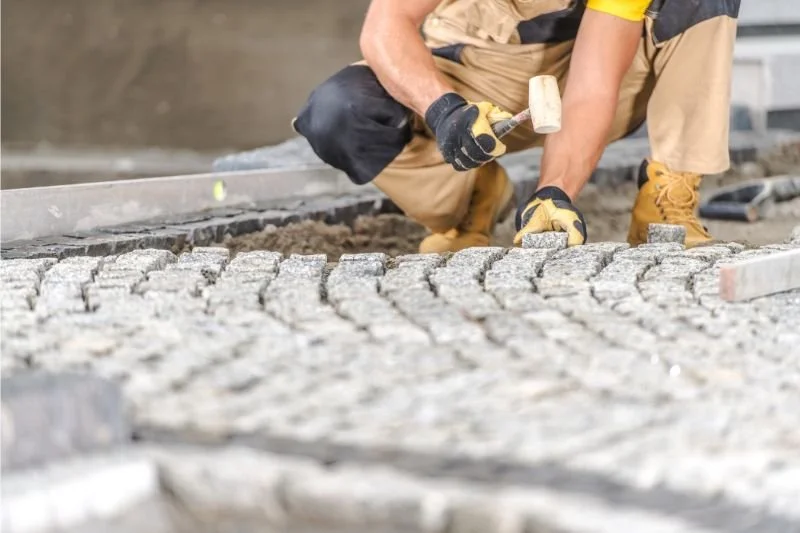
When it comes to driveway materials, the choices available to Australian homeowners have never been more diverse. Each option comes with its own set of advantages and considerations, making it crucial to weigh your priorities carefully. Concrete remains a popular choice due to its durability and versatility. Modern concrete driveways are far from boring, with options for stamping, staining, and texturing that can mimic the look of more expensive materials like natural stone.
Pavers offer another versatile option, allowing for endless possibilities in terms of patterns and designs. From classic herringbone to modern geometric layouts, pavers can be arranged to complement any architectural style. They also have the advantage of being easier to repair than solid surfaces, as individual pavers can be replaced if damaged.
For environmentally conscious homeowners, permeable options are gaining traction. These materials allow water to seep through to the ground below, reducing runoff and helping to recharge local groundwater supplies. Options include permeable pavers, porous asphalt, and even reinforced grass systems that provide a solid driving surface while maintaining a green appearance.
Design Elements That Make a Statement
A truly exceptional driveway goes beyond just the surface material. Incorporating thoughtful design elements can elevate your driveway from a mere functional space to a standout feature of your home. One of the most effective ways to enhance your driveway's appeal is through the strategic use of greenery and landscaping. Consider creating borders with native plants that require minimal maintenance and water, or install planters at key points to soften the hardscape.
Lighting is another crucial element that serves both aesthetic and practical purposes. Well-placed lighting can guide visitors safely to your door while creating a warm and inviting ambiance after dark. Solar-powered options are particularly popular in Australia, offering energy efficiency and easy installation. For a modern touch, consider integrating smart lighting systems that can be controlled via your smartphone or programmed to respond to motion sensors.
Integrating your driveway design with your home's overall architecture is key to creating a cohesive look. This might involve echoing materials or colors from your home's exterior in your driveway design, or using similar geometric patterns to create visual continuity. Don't be afraid to think outside the box – a well-designed driveway can be a work of art in its own right, complementing and enhancing your home's architectural features.
Sustainable Driveway Solutions for Eco-Conscious Homeowners
As Australia continues to grapple with environmental challenges, many homeowners are seeking ways to make their properties more sustainable. Driveways, given their substantial footprint, present an excellent opportunity to implement eco-friendly design principles. Water-sensitive urban design (WSUD) is a concept gaining traction in Australian cities, and it can be applied to driveway design to great effect. This approach focuses on managing stormwater runoff, reducing pollution, and conserving water resources.
One way to incorporate WSUD principles into your driveway is through the use of permeable surfaces, as mentioned earlier. These allow rainwater to percolate into the ground, reducing the burden on stormwater systems and helping to prevent flooding. Another option is to design your driveway with a slight slope towards garden beds or rain gardens, where runoff can be naturally filtered and absorbed by plants.
Heat island effect is another environmental concern, particularly in urban areas. Traditional dark-colored driveway materials can absorb and radiate heat, contributing to higher local temperatures. To combat this, consider using light-colored or reflective materials that bounce back solar radiation. Some innovative products even incorporate special pigments that reflect infrared light, keeping surfaces cooler without sacrificing color options.
Innovative Patterns and Layouts
Gone are the days when driveways were limited to simple, straight paths from the street to the garage. Today's designs embrace creativity and individuality, with patterns and layouts that can transform this functional space into a true design feature. Geometric patterns are particularly well-suited to contemporary homes, offering a sleek and modern aesthetic. Consider bold diagonal lines, interlocking shapes, or even optical illusions created through clever use of contrasting materials.
For those who prefer a softer look, curved driveways can add a touch of elegance and interest to your property. These sinuous designs work particularly well on larger lots or in conjunction with landscaped gardens, creating a sense of journey as visitors approach your home. Curved driveways can also be practical, providing better visibility and easier maneuvering for vehicles.
Mixing materials is another trend that's gaining popularity in Australian driveway design. This approach allows you to combine the best qualities of different surfaces while creating visual interest. For example, you might use concrete for the main driving surface but incorporate bands of pavers or natural stone to delineate parking spaces or create decorative borders. This not only adds aesthetic appeal but can also help to break up large expanses of a single material, making your driveway feel more dynamic and intentional.
Conclusion: Driving Home Your Personal Style
As we've explored throughout this comprehensive guide, the world of modern driveway design is rich with possibilities for Australian homeowners. From sustainable materials that align with eco-conscious values to innovative patterns that make a bold architectural statement, there's no shortage of options to elevate your home's curb appeal and functionality. The key to success lies in understanding your unique needs, considering your property's specific characteristics, and aligning your design choices with your overall aesthetic vision.
Remember that your driveway is more than just a place to park your car – it's an opportunity to express your personal style and enhance the value of your home. By carefully considering materials, incorporating thoughtful design elements, and embracing sustainable practices, you can create a driveway that not only meets your practical needs but also becomes a standout feature of your property.
As you embark on your driveway design journey, don't be afraid to think creatively and push boundaries. Consult with professional driveway contractor and draw inspiration from successful projects. With careful planning and a dash of imagination, your driveway can become a true reflection of your home's character and your personal taste. So, take that first step towards transforming this often-overlooked space into a stunning introduction to your home – after all, first impressions do count, and your driveway is leading the way.

Quick Tips to Prevent Stains on Your Kitchen Countertops
Kitchen countertops are primarily used for food preparation, cooking, and other daily activities, so spills, stains, and scratches are inevitable.
We partnered with a home improvement company. for this post. The opinions in the post are honest. All reviews and opinions expressed in this post are based on our personal views. We are excited because we know you will love it.
Kitchen countertops are primarily used for food preparation, cooking, and other daily activities, so spills, stains, and scratches are inevitable.
Removing stains from countertops can be extremely stressful to deal with, especially when they’ve set in and become difficult to remove. Whether it’s a wine spill, coffee ring, or cooking oil splatter, stubborn stains can make your kitchen look untidy and require a lot of effort to clean.
If you find yourself constantly finding stains on your countertop despite your best efforts to keep it clean, it could be a sign that the material of your countertop requires special care.
There are many different types of kitchen countertops, and some types, like marble, are particularly porous and can stain easily if not properly sealed. On the other hand, quartz countertops, while more resistant to stains, still require regular cleaning with the right products to maintain their appearance.
This is why it’s important to know the different factors that influence the maintenance and durability of various countertop materials. This blog will explore how to protect your kitchen countertops according to their material.
How To Get Stains Out Of Countertops
Stains on countertops can be frustrating, but with the right techniques, you can remove them effectively. Understanding the type of stain and the material of your countertop is crucial for choosing the best cleaning method.
Whether it’s a stubborn coffee ring on marble or an oil splatter on granite, each material requires specific care to avoid damage and ensure a thorough cleaning. When embarking on a custom kitchen design, incorporate these maintenance insights to choose countertops that align with your lifestyle and design vision.
Here’s a simple guide on how to handle stains on various types of countertops:
Quartz Countertops
Quartz countertops are one of the most popular types of kitchen countertops, mainly due to their durable and non-porous surface that is highly resistant to stains, scratches, and bacteria. Unlike natural stone, quartz does not require sealing, making it a low-maintenance option for homeowners.
However, this does not mean that quartz countertops are completely resistant to stains. Without regular maintenance and failing to immediately address spills, especially those from wine, coffee, or citrus juices, you might find that stubborn stains can still set in over time.
How To Protect Quartz Countertops From Staining
Protecting a quartz countertop from stains is a relatively straightforward process, thanks to its non-porous nature. Here are some simple tips:
Wipe Up Spills Immediately: Quickly clean up any spills, particularly those from substances like coffee, wine, and soda, to prevent potential staining.
Avoid Harsh Chemicals: Stay away from bleach, ammonia, and other harsh chemicals that can damage the finish.
Use Trivets and Hot Pads: To prevent heat damage, place hot pots and pans on trivets or hot pads.
Use a Soft Scrub Brush: For stubborn stains, use a soft scrub brush in combination with a mild detergent to gently scrub the area without scratching the surface.
Hydrogen Peroxide Paste: For persistent stains, create a paste with hydrogen peroxide and baking soda. Apply it to the stain, let it sit for a few minutes, then gently scrub and rinse.
Marble Countertops
Many homeowners opt to get marble countertops for their kitchens due to their elegant appeal and distinctive veining patterns. However, unlike Quartz countertops, marble countertops are not naturally stain-resistant and tend to absorb liquids, which can lead to stains. This means they require specialized care to keep them pristine.
How To Protect Marble Countertops From Stains
As mentioned earlier, marble is prone to absorbing liquids due to its porous composition. This characteristic makes it vulnerable to staining from common kitchen items such as juice, wine, and acidic foods. Here are some ways you can protect your marble countertops from stains and damage:
Seal Every Six Months: Use a penetrating sealer specifically designed for marble to create a barrier against stains. Apply the sealer every six months for optimal protection.
Blot, Don’t Wipe: When spills occur, blot the area with a soft cloth rather than wiping, which can spread the liquid and cause more staining.
Use Marble-Specific Cleaners: Clean your marble countertops with pH-neutral cleaners formulated for marble to avoid etching. Avoid vinegar, lemon juice, or any acidic cleaner.
Apply a Paste Poultice: For stubborn stains, use a marble poultice paste made from baking soda and water. Apply it to the stain, cover it with plastic wrap, and let it sit for 24 hours before wiping it away.
Key Takeaways
Different countertop materials require specific care to maintain their appearance and durability. Marble countertops need frequent sealing and immediate attention to spills due to their porous nature, whereas quartz countertops, though more resilient, still benefit from regular cleaning with gentle products.
Incorporating these maintenance considerations into your custom kitchen design will help you choose countertops that are not only beautiful but also practical for your lifestyle. Preventive care, such as using cutting boards and coasters, further ensures the longevity and pristine condition of your kitchen surfaces.

Essential Tips for Prepping Your AC Unit Before a Long Vacation
Summer's here and vacation time calls! Before dashing out, prepping your HVAC system is crucial so you can enjoy your holiday without worry. Skipping this step can lead to a sweltering return or unexpected repairs. Let's explore essential steps to get your AC unit vacation-ready, ensuring peace of mind while you're away. Tropic Air, Toronto’s Heating & Air Conditioning company since 1992, helps ensure a comfy, efficient homecoming.
We partnered with a home improvement company. for this post. The opinions in the post are honest. All reviews and opinions expressed in this post are based on our personal views. We are excited because we know you will love it.

Summer's here and vacation time calls! Before dashing out, prepping your HVAC system is crucial so you can enjoy your holiday without worry. Skipping this step can lead to a sweltering return or unexpected repairs. Let's explore essential steps to get your AC unit vacation-ready, ensuring peace of mind while you're away. Tropic Air, Toronto’s Heating & Air Conditioning company since 1992, helps ensure a comfy, efficient homecoming.
1. Conduct a Thorough System Check
Start by scheduling an extensive HVAC inspection. This is more than routine maintenance. It's about catching potential problems early. Have a skilled technician review critical components such as thermostats, filters, and ductwork. Addressing minor issues now prevents major breakdowns later, especially ones you can’t easily get to if you’re away! This approach ensures smooth operation while you're away, extending the life of your system. Regular check-ups can save money in the long run. Plus, coming back to a functional home feels much better than dealing with emergencies. Peace of mind starts here.
2. Optimize Indoor Air Quality
Maintaining stellar indoor air quality is vital, especially during extended absences. Clean or replace air filters to boost air circulation. Consider using air purifiers or dehumidifiers to keep the indoor environment fresh before leaving. These steps ensure the air inside remains clean and pleasant, regardless of how long you're gone. Dust and allergens can build up quickly, so taking these steps now helps avoid issues later. Returning to a home with clean air feels refreshing. This also reduces the workload on your HVAC system.
3. Smart Home Integration
Upgrade to a smart thermostat for better control over your HVAC system. Program temperature schedules to match your absence, saving energy without sacrificing comfort. Smart home systems allow remote monitoring and adjustments. You can ensure your return to a perfectly cooled home. Modern technology offers convenience. Adjust settings from anywhere, adapting to unexpected weather changes.
4. Insulate and Protect Your Home
Keeping the temperature inside of your home steady requires proper insulation. To prevent drafts, weatherstripping, and door sweeps should be used to seal the gaps around windows and doors. To keep your house cooler in the summer, insulate your walls and attic. By doing these steps, you can lessen the strain on your HVAC system, which can minimize your energy costs and make your house cozier. Proper insulation is the first step toward energy efficiency. This step also protects against extreme weather, keeping indoor conditions stable. Investing in insulation now saves money later.
5. Secure Outdoor Equipment
Your outdoor unit needs protection too. To stop water damage, clean up the area surrounding it and make sure drainage is adequate. These steps keep your HVAC system operating at peak efficiency and prolong its lifespan, ensuring that it is in perfect working order when you go on vacation. It's common to neglect to maintain outdoor units properly. Protecting these units ensures they function efficiently.
6. Plan for Unexpected Weather
Prepare your HVAC system to handle sudden weather changes. Set it to manage extreme temperatures, ensuring your home stays comfortable. Keep emergency contacts for HVAC issues handy and plan for potential power outages. You might feel more at ease knowing that your system can adjust to unforeseen weather circumstances. The weather is not always predictable. Having a strategy guarantees that your house stays comfortable. This preparation prevents stress and potential damage.
7. Energy Efficiency Tips
Energy conservation is advantageous for the environment in addition to being cost-effective. Unplug all unused appliances and electronics before you leave. Enable energy-efficient settings on your HVAC system and consider installing reflective coatings on your windows to reduce the amount of heat absorption. Simple steps can make a big difference and help you enjoy lower bills in the long run.
8. Safety Precautions
Safety should always be a priority. Turn off the main water supply to prevent potential leaks and water damage. Check that smoke detectors and carbon monoxide alarms are functioning properly. Ensure all windows and doors are locked and secured. These precautions protect your home and provide peace of mind, allowing you to enjoy your vacation without worries. Safety measures are often overlooked. Taking these steps ensures your home remains secure. This allows for a worry-free vacation.
Conclusion
Preparing your air conditioning unit before a vacation ensures energy savings, reduced repair costs, and a comfortable return. Tropic Air offers maintenance and inspection services to help you get ready. Don't let HVAC worries spoil your trip—schedule a maintenance visit with Tropic Air today. Tropic Air promises excellent service and dependability, so you can enjoy your vacation knowing your house is secure and cool. You may depart for vacation with the knowledge that your house and HVAC system are ready by following these measures. Enjoy your vacation and be secure in the knowledge that Tropic Air has you covered.

