

A resource for those seeking information on organizing and transforming spaces.

Is It Time to Remove Your Inground Pool? Here's What You Need to Know
Many homeowners find themselves facing the decision of whether or not to remove their inground pool. Whether it's due to maintenance issues, safety concerns, or simply wanting to reclaim their backyard space for other purposes, removing an inground pool is a significant project that requires careful planning and execution. If you're considering removing your inground pool, here's what you need to know.

Many homeowners find themselves facing the decision of whether or not to remove their inground pool. Whether it's due to maintenance issues, safety concerns, or simply wanting to reclaim their backyard space for other purposes, removing an inground pool is a significant project that requires careful planning and execution. If you're considering removing your inground pool, here's what you need to know.
Assessing the Reasons for Removal
Before diving into the process of removing your inground pool, it's essential to assess the reasons behind your decision. Are you looking to reduce maintenance costs? Is the pool no longer being used and taking up valuable space in your yard? Are there safety concerns with having a pool on your property, especially if you have young children or pets? Understanding your motivations for removal will help guide you through the rest of the process.
Consulting with Professionals
Removing an inground pool is not a DIY project. It requires specialized knowledge, equipment, and expertise to ensure that the job is done safely and effectively. Before proceeding with pool removal, it's crucial to consult with excavation contractors like Graber Excavating who have experience in handling such projects. They will be able to assess your specific situation, provide you with a detailed plan of action, and give you an accurate cost estimate for the removal process.
Permit Requirements
In many areas, removing an inground pool requires obtaining permits from the local authorities. These permits ensure that the removal process complies with relevant building codes and regulations. Before starting any work, make sure to check with your local municipality about permit requirements for inground pool removal. Failure to obtain the necessary permits can result in fines and other legal consequences.
Draining the Pool
The first step in removing an inground pool is draining the water from it. This can be done by pumping out the water or letting it drain naturally over time. It's important to consider where the water will go and how it will affect your property and surrounding areas. A professional excavation contractor can help you determine the best method for draining your pool safely and efficiently.
Demolition and Excavation
Once the pool has been drained, the next step is demolition and excavation. This involves breaking up the concrete or fiberglass shell of the pool and removing it from the ground. Depending on the size of your pool and its construction materials, this can be a labor-intensive process that requires heavy machinery and skilled operators. An experienced excavation contractor will have the tools and expertise needed to complete this phase of the removal process.
Backfilling and Compaction
After the pool shell has been removed, the empty space left behind needs to be filled in and compacted properly. This prevents soil settlement and ensures that your yard remains stable and safe. The backfilling process typically involves using gravel or crushed stone as fill material, which is then compacted using specialized equipment. Proper backfilling is essential for preventing future issues with sinking or uneven ground.
Landscaping and Restoration
Once the pool has been completely removed and backfilled, it's time to restore your yard to its original condition or transform it into a new outdoor space. Landscaping services can help you design a new backyard layout that suits your needs and preferences. This may include seeding grass over the filled-in area, planting trees or shrubs, installing a patio or deck, or creating a garden bed. With proper landscaping and restoration, you can turn your former pool area into a beautiful outdoor oasis.
In Conclusion
Removing an inground pool is a major undertaking that requires careful planning and execution. By assessing your reasons for removal, consulting with professionals, obtaining necessary permits, draining the pool, demolishing and excavating the structure, backfilling and compacting the area, and restoring your yard through landscaping, you can successfully reclaim your backyard space. Remember that hiring experienced excavation contractors is key to ensuring a smooth and efficient pool removal process from start to finish.
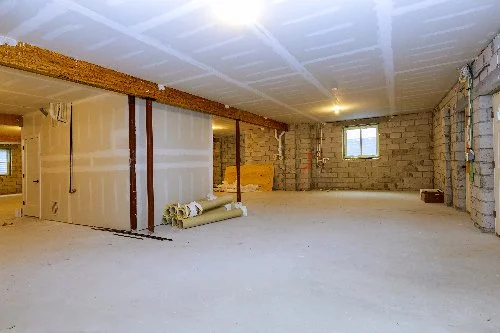
How to Bring Your Basement Back From a Watery Grave
A basement flood can be a homeowner's worst nightmare, but with proper knowledge and preparation, you can successfully navigate it. In this guide, we will discuss five critical steps that every homeowner should take when facing a flooded basement—prioritizing safety, thoroughly removing water and moisture, cleaning and disinfecting all surfaces, waterproofing for the future, and repairing any damages caused by the flood. By following these steps and seeking professional assistance, you can confidently restore your basement to its former dry and safe state.
A basement flood can be a homeowner's worst nightmare, but with proper knowledge and preparation, you can successfully navigate it. In this guide, we will discuss five critical steps that every homeowner should take when facing a flooded basement—prioritizing safety, thoroughly removing water and moisture, cleaning and disinfecting all surfaces, waterproofing for the future, and repairing any damages caused by the flood. By following these steps and seeking professional assistance, you can confidently restore your basement to its former dry and safe state.
Safety First
During a basement flood, it’s important not to jump into cleanup mode once the water starts receding. The top priority should always be safety. One of the first steps a homeowner can take is to turn off the power to the basement to avoid any electrical hazards. It’s also important to wear the proper protective gear, such as rubber boots and gloves, to prevent any contact with contaminated water. If the water level is high or if there are any structural issues, it’s best to call a professional for assistance. Don't hesitate to put safety first to ensure a safe and successful cleanup.
Remove the Water
With keeping safety in mind, removing any standing water as soon as possible is still important. Failure to do so can lead to serious consequences, including mold growth and structural damage. Fortunately, several ways to remove water from your basement include using a wet/dry vacuum, pumps, or even buckets if the area is small. But it's not enough to remove the water - it's crucial that you dispose of it properly to avoid contaminating sewage systems or nearby bodies of water. By removing excess moisture, you'll prevent further damage and protect the health and safety of those living in your home.
Dry Out
When water damage strikes, it's important to act quickly to prevent further damage to your property and health. Removing the water is just the first step; the next crucial step is drying out the affected area. Proper ventilation fans and dehumidifiers can help speed up the drying process, but industrial-grade equipment may be necessary for larger areas or extensive damage. Ignoring the necessity of thoroughly drying out the space can lead to mold growth and unpleasant odors, which can negatively impact your health and the value of your property. Take the necessary steps to completely dry out the affected area and ensure your safety and well-being.
Clean and Disinfect
In the aftermath of a flood, cleaning and disinfecting your home is crucial in ensuring your and your family's safety. Floodwaters can contain harmful bacteria and pathogens that pose a risk to your health. To effectively kill these microorganisms, it's recommended to use a solution of bleach and water or a commercial disinfectant. Pay special attention to all surfaces that come into contact with the floodwater, including walls, floors, and furniture. It's important to remember that flood damage can be extensive and may require the help of a professional restoration company. Don't hesitate to reach out for assistance and prioritize the safety of your home and loved ones.
Waterproofing
When it comes to preventing future flooding, waterproofing your basement is essential. Sealing any cracks in the foundation, installing a sump pump, or improving drainage around your home can help protect your space from water damage. To ensure that you are taking the right steps for your specific situation, it's important to consult with a professional, someone like J & D Waterproofing. They can recommend the best options for your home and provide expert advice on keeping your basement safe and dry. By investing in waterproofing measures, you're protecting your property and gaining peace of mind, knowing that you're taking proactive steps to prevent future flooding.
Repair and Remodel
Following a flood, repairing any damage the water may have caused is critical. This could involve replacing flooring, drywall, or furniture that has been ruined. However, the aftermath of a flood also provides a unique opportunity to remodel your basement to prevent future flooding. By making necessary improvements to the layout and design, you can significantly reduce the risk of flooding in the future. Whether you opt for a French drain or sump pump, numerous options can help keep your basement dry and safe.
You might also consider reaching out to a remodeling company that specializes in basements, like AJN Building & Remodeling. They can offer expert advice on the best waterproofing methods and help you create a functional and attractive basement space that is resistant to flooding. Don't let a flooded basement hold you back from making the most of your home's potential.
Dealing with a flooded basement can be overwhelming and stressful, but following these five critical steps will help you successfully bring your basement back from a watery grave. Remember to prioritize safety, remove water and moisture thoroughly, clean and disinfect all surfaces, waterproof your basement for the future, and repair any damages caused by the flood. With proper knowledge and an action plan in place, you can conquer any water damage situation like a pro.

A Guide To Safe Household Chemical Storage
Proper storage of household chemicals is essential for preventing accidents, protecting your family, and preserving the environment. Accidents involving household chemicals can have serious consequences, including injuries, property damage, and environmental contamination. Understanding the potential risks and taking proactive steps to prevent accidents is crucial for protecting the well-being of your household.
Proper storage of household chemicals is essential for preventing accidents, protecting your family, and preserving the environment. Accidents involving household chemicals can have serious consequences, including injuries, property damage, and environmental contamination. Understanding the potential risks and taking proactive steps to prevent accidents is crucial for protecting the well-being of your household.
Identify Household Chemicals
The first step in safe chemical storage is to identify all the chemicals in your home. Common household chemicals include cleaning products, pesticides, fertilizers, paint, and automotive fluids. Understanding the types of chemicals you have will help you determine appropriate storage methods and precautions.
Choose a Safe Storage Location
Select a cool, dry, and well-ventilated area for your chemical storage area. Avoid storing chemicals in basements, garages, or attics, as these areas can experience temperature fluctuations and moisture, which can affect the chemicals. A locked storage cabinet or shed is ideal for storing hazardous chemicals.
Proper Container Storage
Store chemicals in their original containers to prevent confusion and accidental misuse. If transferring chemicals to another container is necessary, use clearly labeled, airtight containers. This ensures proper identification and reduces the risk of contamination. Additionally, storing chemicals in their original containers often provides important safety information, such as handling instructions and first aid measures.
Chemical Compatibility
Be aware of chemical compatibility. Some chemicals can react dangerously when stored together. Avoid storing incompatible chemicals near each other. Refer to the product labels for specific storage recommendations. Never assume that two chemicals are safe to store together without verifying their compatibility. If in doubt, consult the Safety Data Sheet (SDS) for each chemical or contact a hazardous materials expert for guidance.
Childproofing Your Home
Children are naturally curious and may be attracted to colorful chemical containers. Keep all chemicals out of reach of children and pets. Consider using childproof locks on cabinets and drawers where chemicals are stored. Teach children from a young age about the dangers of chemicals and the importance of seeking adult assistance if they encounter any.
By following these guidelines and implementing effective chemical storage practices, you can significantly reduce the risk of accidents and protect your family's health and safety. To learn more, the resource below provides a visual representation of household chemical storage guidelines.

Extending Appliance Lifespan: Daily Habits For Longevity
Appliances are essential components of modern living, providing convenience and functionality. Incorporating simple daily habits into your routine allows you to significantly extend the life of your appliances, ensuring optimal performance, and ultimately saving money. From washing machines and dryers to refrigerators and dishwashers, consistent care will contribute to their longevity and efficiency.
Appliances are essential components of modern living, providing convenience and functionality. Incorporating simple daily habits into your routine allows you to significantly extend the life of your appliances, ensuring optimal performance, and ultimately saving money. From washing machines and dryers to refrigerators and dishwashers, consistent care will contribute to their longevity and efficiency.
Regular Cleaning and Maintenance
Consistent cleaning is paramount for appliance longevity. For washing machines, using the correct amount of detergent and running periodic maintenance cycles can prevent buildup and maintain efficiency. Dryers require regular cleaning of the lint filter and exhaust system to prevent fires and reduce drying time. Keeping the interior of microwaves clean and ensuring the door closes properly helps to maintain optimal performance.
Regular maintenance is also essential for vacuum cleaners, blenders, and food processors. Emptying the canister or changing the bag frequently, cleaning blades and filters, and checking for worn seals are crucial steps in prolonging their lifespan.
Stoves and ovens require consistent cleaning to prevent grease buildup and ensure proper functioning. Regularly cleaning surfaces and replacing worn-out door gaskets is essential. Refrigerators benefit from regular cleaning of condenser coils and maintaining effective door seals.
Proper Usage and Care
In addition to regular cleaning, proper usage is crucial for appliance longevity. Avoiding overloading washing machines and dryers can prevent damage to components. Operating microwaves with caution, such as avoiding empty operation and obstructing ventilation, can extend their lifespan.
For stoves and ovens, using appropriate cookware and avoiding overheating can help maintain their performance. Refrigerators should be properly ventilated and maintained at the recommended temperature. Dishwashers should be loaded correctly to allow for proper water circulation and avoid overloading the motor.
Preventive Maintenance and Professional Care
While regular cleaning and proper usage are essential, scheduling professional maintenance for certain appliances can be beneficial. Air conditioners, for example, require regular servicing to ensure optimal performance and efficiency. Additionally, replacing worn-out parts with genuine Samsung appliance parts or other reputable brands can help maintain the appliance's functionality.
Regular maintenance, proper usage, and timely repairs are essential for keeping your appliances running efficiently and effectively. While unexpected breakdowns can occur, these proactive steps can help minimize downtime and costly replacements. To understand better, the infographic below provides a visual overview of appliance lifespans and other maintenance tips.

