

A resource for those seeking information on organizing and transforming spaces.
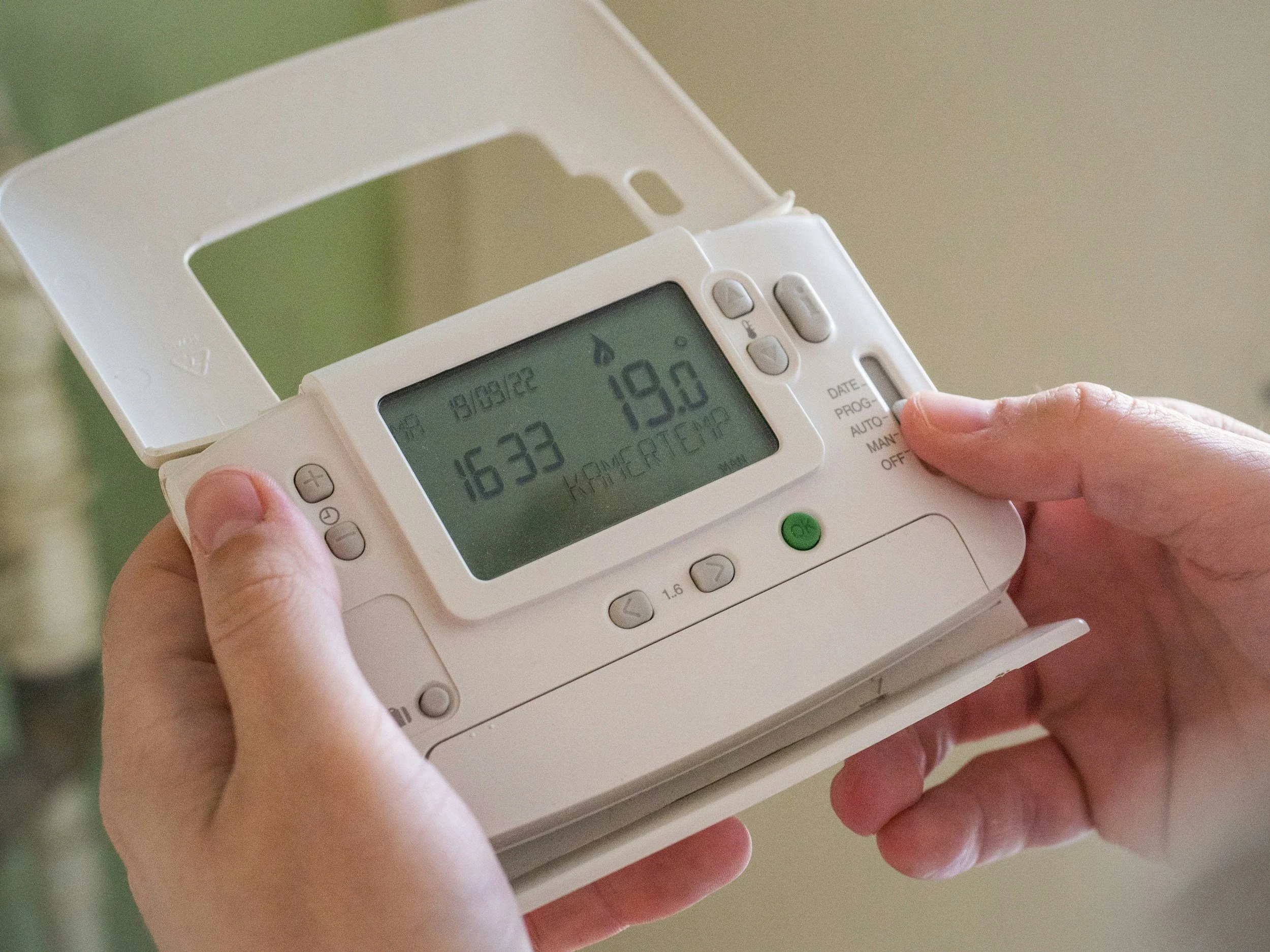
Central Heating Systems: 12 Ways of Selecting the Right One for Your Home
When it comes to creating a comfortable living space, having a reliable central heating system is key. Not does it keep your home warm in the months but it also ensures you have hot water for your daily needs. With the array of options, on the market choosing the system can feel overwhelming. In this article, we'll delve into ten factors to keep in mind when selecting a heating system for your home.
We partnered with a home improvement company for this post. The opinions in the post are honest. All reviews and opinions expressed in this post are based on our personal views. We are excited because we know you will love it.

When it comes to creating a comfortable living space, having a reliable central heating system is key. Not does it keep your home warm in the months but it also ensures you have hot water for your daily needs. With the array of options, on the market choosing the system can feel overwhelming. In this article, we'll delve into ten factors to keep in mind when selecting a heating system for your home.
1. Evaluate Your Heating Requirements
Before settling on a heating system, take stock of your home's needs. Consider aspects like the size of your living area, the level of insulation, the number of rooms, and the family size. Understanding your heating requirements will guide you in determining the capacity and type of system needed. It also helps you make an informed decision when choosing between the many central heating systems for sale.
2. Decide Between Gas and Electric Heating
Gas and electric systems are two choices for heating. Gas boilers are often cost-effective, in the long run, and offer immediate heat control. On the flip side, electric systems are typically easier to install and eco friendly. It's important to weigh the pros and cons of each option before making a choice.
3. Assess System Efficiency
The efficiency of a heating system significantly impacts energy consumption and long-term cost-effectiveness. Look for a heating system that has energy efficiency ratings, like an AFUE rating (Annual Fuel Utilization Efficiency) for gas systems or COP (Coefficient of Performance) for electric systems.
4. Optimize Control Options
Ensure you have control over your heating system to maintain optimal living conditions and save on energy costs. Seek systems with thermostats or smart control features that allow you to adjust temperature settings remotely using smartphone apps or voice commands.
5. Explore Different Heat Distribution Methods
Explore various methods of distributing heat in your home with heating systems, such as radiators, underfloor heating, radiant panels, or fan heaters. Each method has its advantages and considerations. Evaluate which option best suits your needs in terms of comfort, aesthetics, and ease of maintenance.
6. Consider Your Budget
Take your budget into consideration when choosing a heating system. Assess the installation cost and maintenance expenses and how it will impact your bills. While opting for the option of a central heating system may seem appealing at first, think about the long-term financial consequences and potential energy savings before making a final choice.
7. Research System Reliability
Research the reliability of the system before making a decision; reliability is crucial when selecting any home appliance or system. Look for heating systems that are well known for their longevity and receive positive feedback on their performance over time from reputable sources, like consumer magazines or online communities.
8. Explore Safety Features
Prioritize safety when choosing a heating system for your home is absolutely critical. Look for features such as built-in carbon monoxide detectors and flame failure devices that shut off the supply automatically. The variant you choose should be equipped with protective measures to prevent water leaks or electrical hazards.
9. Consult with Professionals
Before making your decision, seek advice from heating experts who can evaluate your needs and offer knowledgeable recommendations on suitable options. Professionals consider factors like property size, insulation conditions, space limitations, and budget constraints.
10. Review Warranty and Support Services
Make sure the selected central heating system includes a warranty covering both parts and labor costs for repairs or replacements over a period. Responsive after-sales support provides reassurance in case any issues arise in the future.
11. Assess Installation Requirements
The installation process is a factor to consider when choosing a heating system. Different systems may have varying installation needs, such as gas supply requirements, electrical connections, or adjustments to existing infrastructure. Assess the intricacy and expenses involved in installing each option before you make your choice.
12. Consider the Environmental Impact
In today's society, it's crucial to think about how your central heating system impacts the environment. Look for systems that prioritize energy efficiency, energy sources, and reduced greenhouse gas emissions. Alternative choices, such as heat pumps powered by sources or solar thermal systems can provide eco cost efficient solutions.
Conclusion
Selecting the heating system for your residence necessitates thoughtful evaluation of factors like effectiveness, control features, budget considerations, reliability, safety elements, and personalized advice based on your home's specific needs. By weighing these ten factors in your decision-making process, you can ensure lasting comfort and warmth for yourself and your household while also enjoying optimal energy efficiency.

5 Essential Steps for Preparing Your Yard for a Septic Tank
Are you thinking about installing a septic tank in your yard? Proper preparation is key to ensuring the success and longevity of your septic system. This article will discuss five essential steps to prepare your yard for a septic tank installation. By following these guidelines, you can avoid potential issues and ensure that your septic system operates efficiently for years to come.
Are you thinking about installing a septic tank in your yard? Proper preparation is key to ensuring the success and longevity of your septic system. This article will discuss five essential steps to prepare your yard for a septic tank installation. By following these guidelines, you can avoid potential issues and ensure that your septic system operates efficiently for years to come.
Determine the Location
The first step in preparing your yard for a septic tank is to determine the location where the tank will be installed. It is crucial to choose a location that meets all local regulations and requirements. The tank should be placed away from any water sources, such as wells or streams, and at least 10 feet away from the foundation of your home. Additionally, factors such as soil composition, drainage, and accessibility should be considered when selecting the location.
Clear the Area
It's important to remove any obstacles that could impede access and excavation, such as rocks, debris, or vegetation. By doing so, you'll not only ensure that the installation goes smoothly, but you'll also prevent any unexpected delays. For a more comprehensive site preparation, consider hiring a reliable landscaping service, someone like North Shore Cement & Sand Pty Ltd, who can assist you before and after the installation. With their expertise, you can rest assured that your property will be in top condition for a seamless installation of your septic tank.
Test the Soil
Before installing a septic tank in your backyard, it's crucial to test the soil and ensure it's capable of draining water sufficiently. Through a percolation test, you'll discover how well water can seep into the soil and whether it's suitable for a septic system. If the soil doesn't drain water effectively, it may be necessary to install a mound system or alternative treatment technology to avoid system failure. Testing the soil before installing a septic tank is essential to prevent any costly or hazardous situations that may arise. Don't take any chances when it comes to your septic system.
Install a Distribution Box
As a homeowner with a septic system, ensuring that all the components are installed properly is crucial to its functionality. One of the most important components is the distribution box. This box not only evenly distributes effluent to the leach or drain field, but it also prevents clogging and maximizes the lifespan of your septic system. Even if you already have a septic system, it is never too late to install a distribution box if you do not have one. It can easily be added during routine maintenance, and the benefits will be worth it in the long run. Hiring a professional to install a distribution box will ensure that it is done correctly and that your septic system continues to operate at its best.
Plan for Maintenance Access
As you plan for the installation of your septic tank system, it's essential to keep in mind the critical maintenance needs that will arise in the future. One of the most important elements to consider is easy access to the tank for routine pump-outs and inspections done by companies like Southern Sanitary Systems Inc. Without adequate space and accessibility, technicians may struggle to adequately inspect or clean your system, leading to costly repairs over time. Consider adding risers or extensions to simplify access points, ensuring that the tank remains safely accessible. Investing in proactive maintenance planning like this can save you time and money while safeguarding the health and safety of your septic system and home.
Preparing your yard for a septic tank installation requires careful planning and attention to detail. By following these five essential steps—determining location, clearing the area, testing soil, installing a distribution box, and planning for maintenance access—you can set yourself up for success with your new septic system. Remember that proper preparation now will save you time and money in future repairs or replacements.

The Dangers of Having Rats & Mice in Your Home
Rats and mice can sneak into homes through the tiniest openings, lured by the promise of food and shelter. While they may initially seem harmless, these unwelcome guests bring more than just annoyance. Rodents pose significant threats to both your health and home. From spreading diseases to causing structural damage, a rodent infestation can quickly become a serious issue. In this post, we’ll explore the risks rodents bring and how you can protect your home and family from them.

Rats and mice can sneak into homes through the tiniest openings, lured by the promise of food and shelter. While they may initially seem harmless, these unwelcome guests bring more than just annoyance. Rodents pose significant threats to both your health and home. From spreading diseases to causing structural damage, a rodent infestation can quickly become a serious issue. In this post, we’ll explore the risks rodents bring and how you can protect your home and family from them.
Rodent Health Risks
Rodents aren’t just a nuisance. In fact, they can be a real threat to your health. Rats and mice are known carriers of serious diseases like Hantavirus, Leptospirosis, and Salmonella. These illnesses can spread through contact with rodent droppings, urine, saliva, or even contaminated food. Moreover, rodent droppings and dander can trigger allergies and worsen asthma, making breathing difficult for sensitive individuals. Protecting your home from these health hazards is crucial to maintaining a safe and healthy living environment.
Property Damage Caused by Rodents
Beyond health risks, rats and mice can wreak havoc on your home’s structure. These critters are notorious for chewing through almost anything, including drywall, insulation, and electrical wiring, which can lead to serious fire hazards. Their gnawing doesn’t stop there. Personal belongings like furniture, clothing, and important documents can also become targets. What starts as a small problem can quickly escalate into a full-blown infestation, causing extensive damage that’s costly to repair. Taking steps to prevent these issues is essential for keeping your home safe and sound.
Prevention Tips
Seal Entry Points
Rodents can squeeze through surprisingly small gaps, so inspecting and sealing potential entry points is essential. Check for cracks or gaps around your home's foundation, doors, and windows. Don’t forget less obvious areas like attic vents, crawl spaces, and utility pipes. Use materials like caulk, steel wool, and door sweeps to block these openings effectively.
Keep Food Secure
Food is one of the primary attractions for rodents. Store all food, including pet food, in airtight containers. Make a habit of promptly cleaning up crumbs and spills, especially in the kitchen and dining areas. Don’t leave pet food out overnight, and ensure garbage cans are tightly sealed to prevent rodents from accessing food scraps.
Maintain a Clean Environment
A cluttered home or yard can provide rodents with the perfect hiding spots and nesting materials. Regularly clean up leaves, debris, or firewood piles near your home's exterior. Inside, keep storage areas decluttered and organized, and avoid leaving cardboard boxes on the floor, as rodents are known to chew through them.
Use Natural Deterrents
Consider using natural rodent repellents around your home. Strong scents like peppermint oil, cloves, and ammonia are unpleasant to rodents and can deter them from entering. Soaking cotton balls in these substances and placing them near suspected entry points can be an effective preventive measure.
Regular Inspections
Schedule regular inspections of your home to catch any signs of rodents early. Look for droppings, gnaw marks, or nests, especially in attics, basements, and other seldom-used areas. Early detection can prevent a minor problem from becoming a major infestation, saving you time and money.
Rats and mice can cause serious problems for your health and home, from spreading diseases to damaging structures and belongings. But by being aware of these dangers and taking simple preventative steps, you can help keep your home safe and rodent-free. And remember, if you notice signs of a rodent infestation, contacting a professional pest control service is the best way to handle the issue effectively and ensure long-term peace of mind.

What You Should Do if You Find Vermiculite in Your House
When you buy an older home, you never know what’s lurking in the walls or attic. Here’s what you should do if you find vermiculite in your house.
Finding something unfamiliar in your home can be unsettling, especially when it comes to materials like vermiculite. If you’ve stumbled upon this mineral in your attic or walls, you might wonder what it is and if it’s dangerous. This blog post will show you what you should do if you find vermiculite in your house.
What Is Vermiculite?
Vermiculite is a naturally occurring mineral that expands when heated. Due to its fire-resistant and insulating properties, the construction industry started using it as attic insulation. The material looks like small, lightweight, shiny flakes, often silver or gold in color.
History of Vermiculite Use
Vermiculite’s unique properties made it popular in the construction industry from the 1920s to the 1990s. It would become an efficient and inexpensive insulation option when combined with other materials. Unfortunately, some sources of vermiculite, particularly those from the Libby mine in Montana, were contaminated with asbestos, a hazardous substance.
How To Identify Vermiculite
Check your attic or walls for the tell-tale flaky, lightweight material to determine if you have vermiculite insulation. If you suspect you have vermiculite, it is crucial to avoid disturbing it. Disturbance can release harmful fibers into the air, posing health risks.
Health and Environmental Risks
The primary concern with vermiculite is its potential asbestos contamination. Inhaling asbestos fibers can lead to severe health issues such as lung cancer, asbestosis, and mesothelioma. Given these lasting effects, it’s vital to handle vermiculite with caution.
The Importance of Proper Handling and Removal
If you suspect your vermiculite contains asbestos, do not attempt to remove it yourself. Improper handling can increase your exposure to harmful fibers. Instead, seek professional help to test and manage the material safely.
Safe Management of Vermiculite
First, avoid touching or disturbing the vermiculite. Contact a professional asbestos inspector who can safely test the material. They will take samples and provide a definitive answer regarding the presence of asbestos.
Professional Testing
Professional testing involves collecting small vermiculite samples and sending them to a specialized laboratory. The lab will analyze the samples to detect any asbestos fibers. This process is essential for determining the next steps in managing the material.
Removal or Containment
If the vermiculite contains asbestos, you have two primary options: removal or containment. Removal involves hiring a licensed asbestos abatement contractor to remove the material safely. Containment requires sealing the vermiculite to prevent any fibers from becoming airborne. Your choice will depend on factors like the extent of contamination, costs, and personal preference.
Local Regulations and Laws
Different regions have varying regulations regarding asbestos and vermiculite. Familiarize yourself with local laws to ensure compliance. This compliance might include mandatory testing, specific disposal methods, and hiring certified professionals for removal.
Potential Costs
Testing and removing vermiculite can be costly. Professional testing might cost a few hundred dollars, while removal can run into thousands, depending on the extent of the contamination. It’s wise to budget for these expenses and consider them an investment in your home’s safety.
Discovering vermiculite in your home can be alarming, but you can manage it safely with the right steps. Remember the lasting effects of vermiculite contamination and prioritize professional help for testing and removal. Your health and peace of mind are worth the effort. Consider contacting local environmental health departments or trusted asbestos abatement professionals for more information and resources. Stay safe and informed!

