

A resource for those seeking information on organizing and transforming spaces.

Top 5 Benefits of Using a Retractable Hose Reel in Your Garden
Gardening is a beloved pastime for many homeowners, offering a peaceful retreat from the hustle and bustle of daily life. However, maintaining a garden can be a physically demanding task, especially when it comes to managing tools and equipment. One such tool that often gets overlooked is the garden hose. Traditional hoses can be cumbersome, difficult to store, and prone to tangling. Enter the retractable hose reel—a game-changer for garden enthusiasts. This post will explore the top five benefits of using a retractable hose reel in your garden, making your gardening experience smoother and more enjoyable.
Gardening is a beloved pastime for many homeowners, offering a peaceful retreat from the hustle and bustle of daily life. However, maintaining a garden can be a physically demanding task, especially when it comes to managing tools and equipment. One such tool that often gets overlooked is the garden hose. Traditional hoses can be cumbersome, difficult to store, and prone to tangling. Enter the retractable hose reel—a game-changer for garden enthusiasts. This post will explore the top five benefits of using a retractable hose reel in your garden, making your gardening experience smoother and more enjoyable.
Simplifies Garden Hose Storage
One of the primary advantages of a retractable hose reel is its ability to simplify hose storage. Traditional hoses often end up in a tangled mess, making them difficult to store neatly. A retractable hose reel eliminates this problem by allowing the hose to retract automatically into its casing, keeping it organized and out of the way.
The compact design of a retractable hose reel also saves space in your garden shed or garage. Instead of having a bulky, tangled hose taking up valuable room, your hose will be neatly stored, ready for its next use. This not only enhances the overall appearance of your storage area but also makes it easier to find and use other gardening tools.
Additionally, a retractable hose reel protects the hose from damage caused by being left out in the elements. Sun, rain, and temperature fluctuations can all take a toll on a hose, leading to cracks and leaks. By storing the hose in a retractable reel, you can extend its lifespan and ensure it remains in good working condition for years to come.
Enhances Garden Safety
Safety is a crucial consideration for any homeowner, and a retractable hose reel can significantly enhance garden safety. Traditional hoses left lying around can become tripping hazards, posing a risk to both children and adults. By keeping the hose neatly stored in a retractable reel, you can minimize the chances of accidents occurring in your garden.
The automatic retraction feature of a hose reel ensures that the hose is quickly and efficiently stored away after use. This means you won't have to worry about tripping over a stray hose while walking through your garden or mowing the lawn. It's a simple yet effective way to keep your outdoor space safe for everyone.
Furthermore, a retractable hose reel can help prevent damage to your plants and garden beds. A loose hose can easily get caught on delicate plants, causing them to break or uproot. By keeping the hose contained, you can protect your garden from accidental damage and maintain its pristine condition.
Saves Time and Effort
Gardening should be a relaxing and enjoyable activity, but dealing with a cumbersome hose can quickly become a frustrating chore. A retractable hose reel saves time and effort by making it easy to unwind and rewind the hose as needed. With just a simple pull, the hose extends smoothly, and when you're done, it retracts effortlessly back into the reel.
This convenience means you can spend more time tending to your plants and less time wrestling with a tangled hose. Whether you're watering your garden, washing your car, or cleaning outdoor furniture, a retractable hose reel streamlines the process and makes it more efficient.
Additionally, the smooth operation of a retractable hose reel reduces the physical strain associated with manually coiling and uncoiling a hose. This can be especially beneficial for individuals with limited mobility or strength, allowing them to enjoy gardening without overexerting themselves. The reel does the heavy lifting, so you can focus on the tasks that truly matter.
Protects the Hose from Damage
A garden hose is an essential tool for any homeowner, and a retractable hose reel offers the added benefit of protecting the hose from damage. Traditional hoses are often dragged across rough surfaces, stepped on, and exposed to harsh weather conditions, all of which can lead to wear and tear. A retractable hose reel safeguards your hose by keeping it off the ground and shielded from the elements.
The protective casing of a retractable hose reel prevents the hose from being punctured or damaged by sharp objects. It also reduces the risk of kinks and twists, which can impede water flow and cause the hose to weaken over time. By maintaining the integrity of the hose, you'll enjoy a more reliable and consistent water supply for your gardening needs.
Furthermore, a well-maintained hose is less likely to develop leaks, which can waste water and reduce the efficiency of your gardening efforts. By using a retractable hose reel, you can ensure that your hose remains in optimal condition, providing you with a dependable tool for all your outdoor tasks.
Adds Convenience and Flexibility
Flexibility and convenience are key factors in creating an enjoyable gardening experience, and a retractable hose reel delivers on both fronts. With a retractable hose reel, you can easily move the hose to different areas of your garden without the hassle of dragging a heavy, tangled hose behind you. This makes it simple to reach all corners of your garden, ensuring that every plant receives the care and attention it needs.
Many retractable hose reels come with adjustable hose lengths, allowing you to extend the hose to the desired length and lock it in place. This feature provides you with greater control and precision when watering, reducing the likelihood of over-watering or under-watering your plants. It also eliminates the need to manually measure and adjust the hose length, saving you time and effort.
Additionally, some retractable hose reels come with wall-mounting options, allowing you to install the reel in a convenient location. This not only frees up ground space but also makes it easy to access and use the hose whenever needed. The flexibility and convenience offered by a retractable hose reel make it a valuable addition to any garden.
Final Thoughts
A retractable hose reel is a practical and valuable tool for any homeowner who enjoys gardening. By simplifying hose storage, enhancing garden safety, saving time and effort, protecting the hose from damage, and adding convenience and flexibility, a retractable hose reel can transform your gardening experience.
Investing in a retractable hose reel is a smart decision that will pay off in the long run, making your gardening tasks more efficient and enjoyable. If you're ready to take your garden to the next level, consider adding a retractable hose reel from Hoselink USA to your collection of gardening tools. Happy gardening!
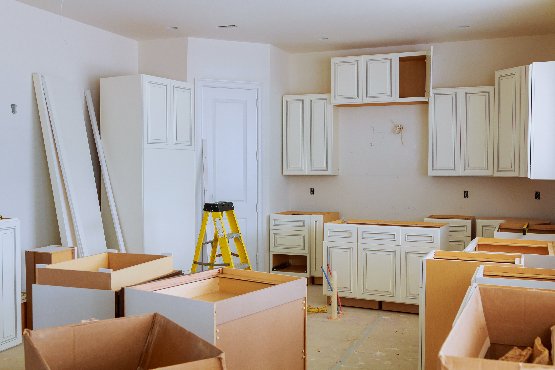
Keeping Your Home Clean and Organized During DIY Projects
DIY projects can be a rewarding way to improve your home and unleash your creativity. However, they often come with their fair share of mess. Keeping your living space clean and organized while tackling these tasks can enhance your experience and make the process more enjoyable. This article shares helpful strategies to manage clutter effectively, ensuring your projects run smoothly and your home remains tidy. By following these tips, you can create an efficient workspace that supports your DIY goals without overwhelming your home.
DIY projects can be a rewarding way to improve your home and unleash your creativity. However, they often come with their fair share of mess. Keeping your living space clean and organized while tackling these tasks can enhance your experience and make the process more enjoyable. This article shares helpful strategies to manage clutter effectively, ensuring your projects run smoothly and your home remains tidy. By following these tips, you can create an efficient workspace that supports your DIY goals without overwhelming your home.
Setting Up a Designated Work Area
Creating a specific area for your DIY projects can significantly reduce the chances of debris scattering throughout your home. This designated space should be equipped with all the necessary tools and materials, helping to keep everything organized and efficiently accessible. By containing the project in one area, you minimize the mess in the rest of your living space. Use drop cloths or plastic sheeting to protect floors and furniture from dust and debris. Regularly cleaning this area will also help maintain a pleasant workspace.
Implementing Waste Management Strategies
Having an effective waste management system in place is beneficial for keeping your home tidy while working on projects. One practical option is to rent a dumpster from places like DWR Waste Removal & Septic which can accommodate large amounts of debris and construction waste. This will prevent debris from piling up inside your home and ensure it is disposed of properly. When selecting a dumpster, consider the size that will best suit your needs, as well as your project's duration. Regularly transferring waste to the dumpster keeps your work area safe and clean.
Organizing Tools and Materials
Keeping tools and materials organized can greatly enhance the efficiency and cleanliness of your DIY project. Use clear bins or labeled containers to store supplies, helping you locate what you need quickly and easily. When organizing, consider grouping similar items together, such as screws, bolts, and adhesives, which will save you time during your project. Make it a habit to return tools to their designated spots after each use, to avoid clutter. An orderly workspace not only looks better but also promotes safety.
Cleaning as You Go
Incorporating a routine of cleaning up during the project can prevent overwhelming messes from forming. Instead of letting debris accumulate, take a few moments to tidy up after finishing specific tasks. Keeping up on sweeping away dust and collecting scraps and offcuts for disposal or recycling can make a big difference in lessening the work you need to do at the end of the project. Using a vacuum designed for workshop use can also aid in easily managing dust and small particles. Keeping your work area clean throughout the project makes it easier to focus on the tasks at hand.
Involving Everyone in the Project
If you’re working on a DIY project with family or friends, involving everyone in cleanup can make the process more manageable and even enjoyable. Assigning specific cleanup tasks to each person can ensure that debris is handled promptly and effectively. Encourage team members to take responsibility for their tools and materials, promoting a culture of respect for the shared workspace. This collaborative effort not only lightens the load but also fosters teamwork and camaraderie. After all, dealing with debris is part of the DIY experience, and sharing the responsibility can lead to a cleaner space and a more enjoyable project.
Keeping your home clean and organized during DIY projects doesn't have to be a daunting task. By setting up a designated workspace, implementing effective waste management strategies, organizing your tools and materials, maintaining cleanliness throughout the process, and involving those around you, you can create a pleasant environment that contributes to the success of your projects. Remember, a tidy workspace not only makes your DIY tasks more enjoyable but also helps you stay focused and safe. Embrace these practices, and you'll find that managing messes becomes a seamless part of your creative journey.

Finding services to help with your next construction project
Embarking on a construction project is often a pretty big deal. Depending on the size of the project, you’ll potentially have a wide range of different processes and issues to navigate, and you’ll need to get help with at least some of them.
We partnered with a home improvement company for this post. The opinions in the post are honest. All reviews and opinions expressed in this post are based on our personal views. We are excited because we know you will love it.

Embarking on a construction project is often a pretty big deal. Depending on the size of the project, you’ll potentially have a wide range of different processes and issues to navigate, and you’ll need to get help with at least some of them.
Finding the right services can make a huge difference, but that’s often easier said than done. With so many options out there, being able to identify which options will be of assistance and which ones will waste your time and money is crucial - here’s how you can navigate that search.
Determine the scope of your project
Construction projects vary drastically in terms of scope, including anything from building bike sheds in a front garden to building whole housing complexes. Determining the scope of your next project is critical for a number of reasons, one of them being how you’ll decide which services you’ll need.
For smaller projects, you might not need much more than a tradesperson and a quick plan. For bigger projects, however, you might need to sort out waste disposal, structural engineering plans, architectural advice, and a whole host of other services.
Check online directories
Once you’ve determined the scope of your project and what it is that you’ll need help with, you can start your search. There are heaps of resources online nowadays - whether you need to find a list of asbestos removal companies or qualified architects in your area, you should be able to find an almost overwhelming range of potential options. Not all of these will be appropriate - just gather a bunch of potential options and then you can move on to the next step.
Reach out to a few options
Once you’ve compiled a list of services that you think might be suitable, reach out and tell them a bit about the project. How in-depth your research needs to be will obviously depend on the kind of help you’re getting; you might not need to know much from a skip-hire company, but if you’re paying an architect to help you design your new home, you’ll definitely want to be pretty sure that they’re competent. Ask for quotes and make sure you’re prepared with some questions beforehand, so that you don’t panic on the spot and forget to ask anything.
Compare reviews, price & customer service
Lastly, once you’ve reached out to a few different options, you can do a quick comparison. Choose some basic metrics - Google reviews, their quotes and your experience communicating with them - and start to narrow it down.
If there are a few options that are pretty similar, try to go with your gut feeling. If one of the services felt a bit shady, or you reckon they could be difficult to communicate with on a big project, trust that instinct - you might very well be on to something.
By going through these basic steps, you should be able to identify critical services with relative ease. The more central that service will be to the overall success of the construction process, the more important it will be that you take your due diligence seriously - it’s just not worth rushing.

Maximizing Energy Efficiency Through Thoughtful Home Organization
According to the US Energy Information Administration (EIA), the average American home uses 10,500 kilowatt hours (kWh) of electricity per year. Around 31% of that energy is attributed to heating and cooling, while roughly 23% is due to using utilities like lighting, cooking, and refrigeration.
According to the US Energy Information Administration (EIA), the average American home uses 10,500 kilowatt hours (kWh) of electricity per year. Around 31% of that energy is attributed to heating and cooling, while roughly 23% is due to using utilities like lighting, cooking, and refrigeration.
According to EIA calculations, a typical American home generates around 9030 pounds — or 4.5 tonnes — of carbon emissions every year. This statistic is deeply worrying if you’re a climate-conscious homeowner and want to reduce your emissions.
Fortunately, you can reduce your emissions and cut down on waste by properly organizing your home. Simple changes to your interior design will enhance natural lighting, improve airflow, and minimize the need to use electrical energy. Easy fixes like upgrading your appliances can free up space on your countertops while aiding your efforts to lead a more eco-friendly lifestyle.
Natural Light
EIA statistics show that lighting alone accounts for 10% of all electricity use in American households. While you needn’t stumble around your home in the dark to cut emissions, you should take proactive steps to make the most of the natural light in your space.
Get started by switching to eco-friendly windows and doors. These use low-emissivity glass to allow sunlight while blocking harmful UV rays. Opting for sliding glass doors can greatly enhance the amount of light in your home and help your space stay lit throughout the day. If you are considering a major renovation, opt for a few skylights in strategic areas to let more daylight into your house.
You can further maximize the use of natural light by strategically placing mirrors throughout your home. Mirrors naturally increase the light in your home and can help the space feel bright on even the gloomiest of days.
Letting more light into your home can help you feel happier, too. Natural lighting influences your mood by supporting your circadian rhythm and fighting off seasonal affective disorder (SAD). When the sun sets, you can continue to reap the rewards of energy-efficient, mood-boosting light by switching to low-waste LED bulbs that require a fraction of the energy used by incandescent bulbs.
Maximizing Passive Power
Running an AC all summer long is certain to spike your energy use. However, rising temperatures mean that you must take a proactive approach to keeping your home cool or risk developing heat-related conditions. Installing solar panels means that you can run your AC during warmer periods without fretting about rising emissions.
However, solar panels aren’t the only way to use the sun’s energy. As an eco-conscious homeowner, you can organize your home and harness the power of solar energy by:
Installing solar pool heaters if you have a swimming pool or hot tub;
Removing objects that impede ventilation and drawing blinds while using whole-house fans to enhance natural cooling;
Purchasing a solar oven to cook outdoors during the summer months;
Make tactful use of passive solar in the winter months by installing a thermal chimney.
These modifications will reduce clutter in your space and maximize the use of solar energy. Simple changes like moving furniture to improve airflow can greatly enhance the efficiency of whole-house fans and will aid your efforts to cool your home naturally. Full use of passive energy systems, like solar heaters, is particularly important if you have high-energy home features like hot tubs or swimming pools.
Low Clutter, Low Waste Living
Cutting clutter can reduce stress and help you lead a more eco-friendly life. Organizing for efficiency is easy, too. Start leading a more efficient, low-waste life today by:
Separating dirty clothing into hot (sports garments and bedding) and cold washing (everyday clothing);
Batch cooking to reduce energy use throughout the week;
Re-arranging furniture to ensure HVAC flow isn’t blocked;
Installing smart plugs and cable-tying wiring to minimize energy and decrease visual clutter in your office.
These simple steps reduce the amount of time and money you spend on cleaning, too. This can help you save funds for eco-friendly home upgrades like water-saving shower heads and smart sprinkler systems.
Conclusion
Simple changes to your home’s layout can maximize your use of natural light, improve your HVAC efficiency, and reduce your energy bill. Leading an eco-friendly lifestyle can do wonders for your mental health, too, as living in a clutter-free, low-waste environment can aid your efforts to destress and feel calm when at home.

