

A resource for those seeking information on organizing and transforming spaces.

Creative Landscaping Ideas to Replace Your In-Ground Pool
If you have an in-ground pool that's no longer serving its purpose or simply taking up valuable space, you may be considering removing it and transforming the area into a stunning landscaping feature. Here are eight creative ideas to help you reimagine your outdoor space and make the most of your yard once the pool is gone.
We partnered with a home design company for this post. The opinions in the post are honest. All reviews and opinions expressed in this post are based on our personal views. We are excited because we know you will love it.

If you have an in-ground pool that's no longer serving its purpose or simply taking up valuable space, you may be considering removing it and transforming the area into a stunning landscaping feature. Here are eight creative ideas to help you reimagine your outdoor space and make the most of your yard once the pool is gone.
Zen Garden Oasis:
Creating a Zen garden in place of your in-ground pool offers a unique opportunity to cultivate a tranquil environment that promotes mindfulness and relaxation. By replacing the concrete and water with elements such as carefully raked gravel to represent water and strategically placed rocks symbolizing mountains, you can achieve a harmonious balance in your yard. Consider adding a koi pond, as the serene movement of fish can enhance the calming atmosphere, while bamboo plants provide a natural privacy screen that sways gently in the breeze. Incorporating features like a meditation nook, complete with comfortable seating and soft cushions, invites you to take a moment for self-reflection amidst the beauty of your new garden. With such thoughtful design, you'll transform your old pool space into an inviting retreat that soothes both the body and mind.
Outdoor Kitchen and Dining Area:
Create an outdoor kitchen and dining area where you can entertain guests and enjoy al fresco meals. Imagine hosting backyard barbecues with a built-in grill, complete with a spacious countertop for prepping delicious meals. Incorporate a stylish dining table where guests can enjoy al fresco dining under the stars, while ambient lighting sets the mood for evening gatherings. To enhance your space, consider adding features like a mini-fridge for easy access to drinks, a fire pit for warmth and atmosphere, or even a pizza oven for gourmet outdoor meals. By crafting a well-designed outdoor kitchen, you can create an inviting environment that turns the remnants of your old pool into a vibrant hub for family and friends to gather and make lasting memories.
Native Plant Garden:
Choosing a native plant garden not only reduces water consumption but also supports local ecosystems by providing food and habitat for regional wildlife. Selecting plants that are indigenous to your area fosters biodiversity, creating an environment where birds, bees, and butterflies can thrive. Focus on a mix of perennials, shrubs, and grasses that bloom at different times to ensure year-round color and interest in your landscape. Consider planting native wildflowers, such as coneflowers or black-eyed Susans, alongside native shrubs like serviceberries or viburnums, which provide berries and shelter for birds. To simplify maintenance, group plants with similar water and sunlight needs, making it easier to care for your garden while encouraging a self-sustaining ecosystem. To ensure your native plant garden remains healthy and vibrant, consider hiring gardening and tree services to manage the upkeep. Tree trimming services can help maintain the health of existing trees and shrubs, allowing your garden to thrive year after year. By transforming your old pool area into a native plant garden, you create an attractive and low-maintenance outdoor space that enhances both your home and the natural environment.
Fire Pit Gathering Spot:
A fire pit creates an inviting centerpiece for gatherings with family and friends, transforming your outdoor area into a warm, welcoming retreat. Picture cozy evenings spent roasting marshmallows, sharing stories, and enjoying the mesmerizing glow of flames. Choose a fire pit style that complements your landscape, whether it's a modern concrete design or a rustic stone option, to enhance the aesthetic appeal of your space. Surround the fire pit with comfortable seating like Adirondack chairs or plush outdoor sofas to encourage relaxation and conversation. Incorporate decorative pavers or natural stones to define the area, making it a perfect spot for entertaining. Enhance the experience with string lights or lanterns for soft illumination, and add versatile side tables for snacks and drinks. This thoughtfully designed gathering spot not only replaces your old pool with a functional feature but also cultivates cherished memories in a beautiful outdoor setting.
Water Feature Paradise:
A well-designed water feature can transform your former pool area into a serene oasis, offering a peaceful escape right in your backyard. Consider working with a landscaping contractor like Reinford Landscapes to create a harmonious design that blends natural elements with functionality. Imagine incorporating features like a tiered fountain that adds soothing sounds of bubbling water, or a meandering stream that invites wildlife and promotes a lively ecosystem. Choose aquatic plants, such as water lilies or floating hyacinths, to enhance the visual appeal and provide a habitat for local fauna. A tranquil pond, complete with decorative rocks and night lighting, can serve as a picturesque focal point. When planning your water feature, ensure that it harmonizes with your overall landscape design, fostering an outdoor retreat that encourages relaxation and enjoyment while reducing maintenance.
Playful Children's Garden:
Creating a playful children's garden allows your little ones to reconnect with nature while providing a safe and engaging space for play and exploration. Instead of the empty space left by your old pool, think about incorporating fun elements like climbing structures, slides, and sandboxes that inspire imaginative play. Brightly colored wind chimes or playful sculptures can add a whimsical touch, sparking curiosity and joy. Select child-friendly plants, such as soft lavender and vibrant sunflowers, which not only are safe to touch but also attract butterflies and bees, enhancing their learning experience about the environment. Designate a small area for themed gardening activities where kids can plant their own vegetables or flowers, fostering a sense of responsibility and connection to nature. By creating this dynamic garden, you provide a vibrant, multifunctional space that encourages outdoor activity and learning, transforming your yard into a joyful retreat for your family.
Cozy Reading Nook:
A cozy reading nook transforms your outdoor space into a personal retreat where you can escape into a world of imagination and relaxation. Imagine curling up with a good book under the shade of leafy trees or a stylish pergola, surrounded by fragrant flowers and the gentle sounds of nature. You can design this inviting nook with a comfortable outdoor sofa or lounge chair, complemented by soft cushions and a lightweight blanket for those cooler evenings. Incorporating shelving for your favorite reads and a small side table for your coffee or tea makes this a practical but charming feature. Enhance the ambiance with a few strategically placed fairy lights or lanterns to create a warm glow as daylight fades. Don't forget to add bird feeders nearby to attract feathered friends, providing a delightful soundtrack as you immerse yourself in your next page-turner. By cultivating this serene environment, you’ll not only replace your old pool with a beautiful landscape but also create a nurturing space that encourages quality time spent outside.
Artistic Sculpture Showcase:
Display artistic sculptures or installations in your newly landscaped space to add visual interest and personality. Choose pieces that resonate with you—whether they celebrate nature, history, or abstract forms—to create a unique narrative within your outdoor space. Place larger sculptures as focal points amidst thoughtfully arranged plantings, while smaller pieces can be strategically positioned along pathways or in cozy corners to surprise and delight. Consider working with local artists to find one-of-a-kind creations that reflect the essence of your community and bring a sense of place to your yard. Lighting can further elevate this showcase; use spotlights or soft LED landscape lights to highlight sculptures at night, transforming your garden into an enchanting gallery after dark. Embrace this opportunity to curate a vibrant environment that invites conversation and admiration, turning your former pool area into a lively artistic retreat. According to EBD Studios, thoughtful landscape design can significantly elevate the visual appeal of an outdoor space by incorporating artistic elements that align with natural surroundings. The right sculptures, when paired with strategic lighting and greenery, create a harmonious environment that draws admiration and invites reflection.
By exploring these creative landscaping ideas to replace your in-ground pool, you can transform your outdoor space into a personalized haven that reflects your unique taste and lifestyle. Whether you prefer a serene retreat, an entertainment hub, or a nature-inspired sanctuary, inground pool removal opens up endless possibilities for enhancing your home's exterior appeal.

Stop Basement Flooding Before It Starts With These Simple Tips
Many people use their basements as storage, a home gym, a playroom for the kids, or maybe a man cave. However, basements are located below ground level, which makes them vulnerable to flooding. A flooded basement can be a major headache. It can damage belongings, furniture, and the base of your house. However, there are ways you can implement to prevent basement flooding in your home.
We partnered with a home improvement company for this post. The opinions in the post are honest. All reviews and opinions expressed in this post are based on our personal views. We are excited because we know you will love it.

Many people use their basements as storage, a home gym, a playroom for the kids, or maybe a man cave. However, basements are located below ground level, which makes them vulnerable to flooding. A flooded basement can be a major headache. It can damage belongings, furniture, and the base of your house. However, there are ways you can implement to prevent basement flooding in your home.
Preventing basement flooding is much easier than dealing with the aftermath. If you live in Missouri or nearby, basement waterproofing in St. Louis is a popular option for many homeowners. This is because rain can be heavy sometimes there. Here are some key strategies to keep your basement high and dry so you can spend less time worrying and more time enjoying that extra living space.
1. Make Sure You Have Proper Drainage
Start with the roof; it directs water toward your basement, and the gutters and downspouts protect it. They whisk rainwater away from your home’s perimeter and prevent it from pooling and seeping in. Leaves, twigs, and other debris can dam up the flow, cause rainwater to overflow, and saturate the ground around your foundation. As a result, it increases pressure on the walls, leading to leaks or cracks.
The fix:
Make cleaning your gutters a seasonal ritual. Ideally, it should be twice a year, before spring and after fall.
Install gutter guards to minimize debris buildup.
Your drainage system should be proper. Gutters should extend at least 6 feet away from your basement, and downspout extensions can help achieve this.
2. Regrade the Ground Around Your House
The way your yard slopes around your home should be considered a technique to prevent flooding. Proper grading is essential to direct rainwater away from your walls and towards the street or a designated drainage area. Ideally, the ground should slope downward at least 6 inches within the first 10 feet from your foundation.
The fix:
Inspect the slope around your house. If it slopes inwards, regrade the soil.
Consult a landscaping professional for more complex situations or extensive regrading needs.
3. Install a Sump Pump and Maintain It
A sump pump is necessary if you live in an area with high water tables or frequent heavy rainfall. It sits in a pit in the lowest part of your basement and works as a mini-submarine bilge pump. When groundwater seeps in, the sump pump kicks on, pumping the water out and away from your basement.
The fix:
If you don’t have a sump pump, get one installed by a licensed plumber.
For existing sump pumps, schedule regular maintenance checks so they function correctly.
Invest in a battery backup system for your sump pump. Power outages during storms can cause flooding, and a backup battery will make sure that the pump works even without electricity.
4. Seal All the Basement Cracks
Concrete basements can develop cracks over time due to settling or pressure from the surrounding soil. Although not all cracks cause immediate concern, you must be proactive. Even small cracks can become entry points for water during heavy rain or melting snow.
The fix:
Regularly inspect your basement walls and floor for cracks. Pay close attention to areas where walls meet the floor and around window wells.
For minor cracks that are less than ¼ inch wide, use a hydraulic cement or crack filler for basements.
For larger cracks or those with water seepage, consult a basement repair specialist.
Extra Precautions You Must Take
Even though the above strategies are essential defenses, there’s always room for extra security. Here are some bonus tips to further secure your basement against flooding:
Window wells can collect water. So, your window seals should be intact. Install window covers to minimize water infiltration.
A clogged or overflowing sewer line can back up into your basement. Install a backflow prevention valve on your sewer line to prevent this.
Mind your water usage during heavy rain. It can put more strain on your plumbing system.
Store valuables and furniture on platforms or shelves to minimize damage in case of flooding.
Closing Thoughts
Basement flooding can damage the base of your home. That’s why preventing water damage is very important to reduce its risk. These tips will help you protect your home before it even starts flooding. If you notice any signs of water leakage or basement problems, contact a qualified basement repair contractor or plumber to address the issue immediately.

5 Essential Steps for Water Damage Restoration
Dealing with water damage in your home can be overwhelming and stressful. Whether it's from a burst pipe, leaky roof, or flooding, knowing the proper steps to take for water damage restoration is crucial. This article will walk you through five essential steps to help you navigate the process and restore your home to its pre-damaged condition.
We partnered with a home improvement company for this post. The opinions in the post are honest. All reviews and opinions expressed in this post are based on our personal views. We are excited because we know you will love it.
Dealing with water damage in your home can be overwhelming and stressful. Whether it's from a burst pipe, leaky roof, or flooding, knowing the proper steps to take for water damage restoration is crucial. This article will walk you through five essential steps to help you navigate the process and restore your home to its pre-damaged condition.
Assess the Damage
The first step in water damage restoration is to assess the extent of the damage. Take note of any areas that are wet or damp, as well as any visible signs of water damage such as discoloration or peeling paint. It's important to identify the source of the water damage and address it to prevent further issues. Research the problem with companies like restorationprosny.com.
Remove Standing Water
After experiencing flooding or even just a small leak, it's crucial to remove any standing water in your home as soon as possible. Not only is stagnant water a breeding ground for bacteria and mold, but it can also cause further damage to your property. Luckily, removing standing water is a simple process that can be done with a wet/dry vacuum or water extraction pumps. It's important to wear protective gear such as gloves and boots when handling contaminated water. By taking quick action and removing the water promptly, you can prevent further harm to your property.
Dry Out the Affected Areas
After a water damage incident, it's crucial to get the affected areas dried out as soon as possible. To accomplish this, utilize fans, dehumidifiers, and open windows to encourage air circulation and help expedite the drying process. For particularly large areas or in cases of severe water damage, it may be necessary to rent professional-grade drying equipment. This can ensure the affected areas are completely dry, which helps prevent further damage or mold growth. By taking these steps to dry out the affected areas, you can help mitigate the impacts of water damage and get your space back to normal as quickly as possible.
Clean and Disinfect
Keeping a clean and disinfected environment is crucial for safeguarding the health and well-being of your family. Don't leave yourself vulnerable to the dangers that come along with mold and harmful bacteria. After drying out water-damaged areas, use a mixture of detergent and water to clean and remove any remaining dirt or grime. Follow up with a disinfectant such as bleach or hydrogen peroxide to ensure a thorough sanitization of the area. Be sure to wear protective gear and have proper ventilation while cleaning to avoid any possible risks.
Restore and Repair
The final step when dealing with water damage is to make sure that every damaged material or structure is properly restored and repaired. The final step in water damage restoration involves replacing any irreparable drywall, insulation, flooring, or furniture, often by reaching out to a restoration company in order to get the job done quickly and efficiently. It's essential to consider hiring professionals like All Dry Services of Ocala & The Villages to do any extensive repairs or renovations. With their expertise, you can be sure that the job will be done correctly. Rest assured that once the restoration process is complete, your home will be as good as new.
Dealing with water damage in your home can be daunting, but following these five essential steps for water damage restoration can help make the process more manageable. Remember to assess the damage, remove standing water, dry out affected areas, clean and disinfect, and restore and repair damaged materials. By taking swift action and following these steps diligently, you can effectively restore your home back to its pre-damaged condition and prevent further issues down the road.
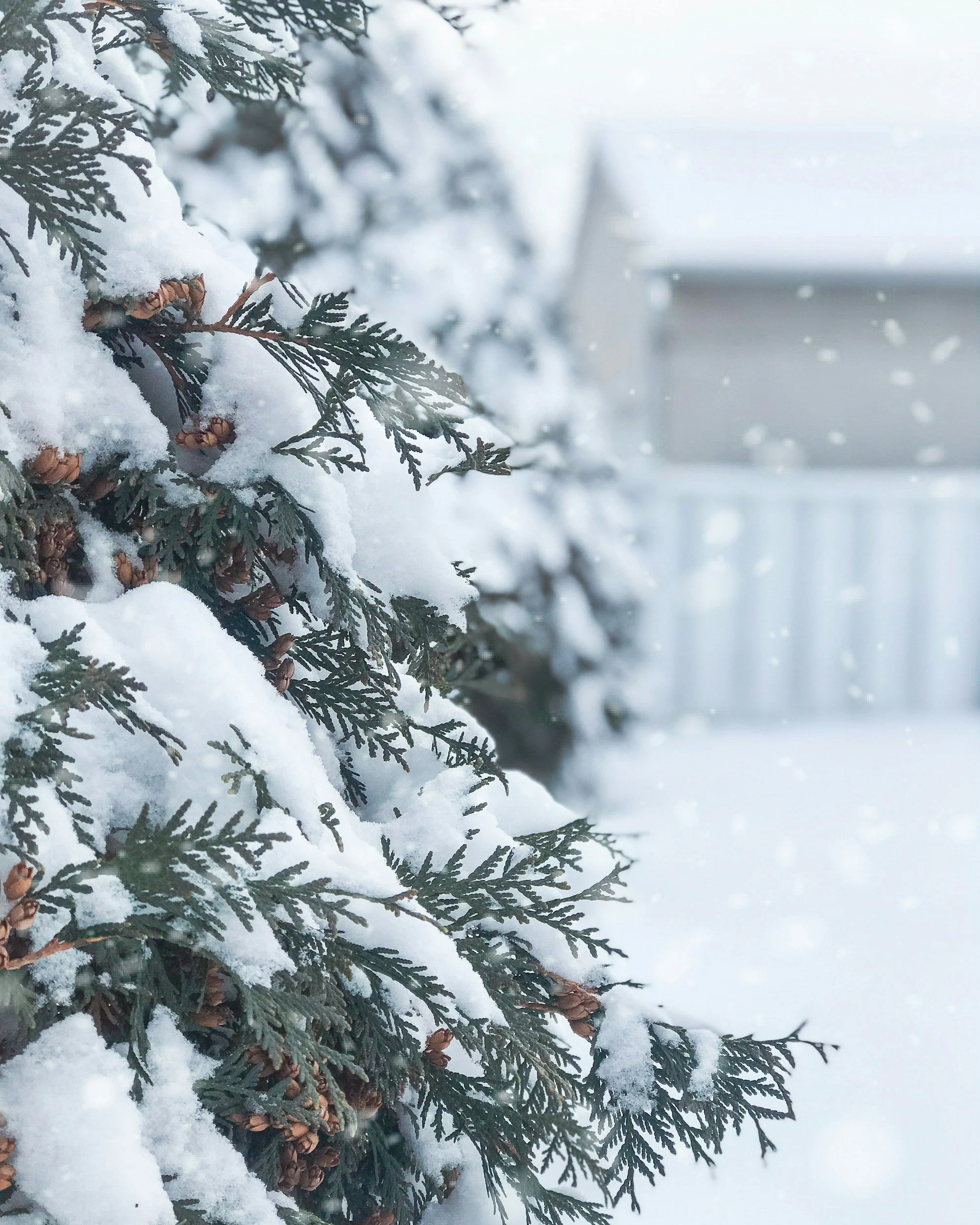
A Comprehensive Checklist for Preparing Your Home for Winter
As the colder months approach, it's essential to ensure that your home is ready to withstand the winter chill. From checking your heating system to safeguarding your pipes, here are seven crucial steps to help you prepare your home for the winter season.

As the colder months approach, it's essential to ensure that your home is ready to withstand the winter chill. From checking your heating system to safeguarding your pipes, here are seven crucial steps to help you prepare your home for the winter season.
Boiler Repair
A well-functioning boiler can make the difference between a warm, comfortable home and a frigid living space during winter storms. Prior to the arrival of colder temperatures, schedule a professional inspection with a boiler repair technician to assess the efficiency and safety of your boiler. Look for signs of wear or corrosion, as these can indicate potential issues that may lead to costly repairs or even breakdowns. During the servicing, ask the technician to check the pressure settings and ensure that the expansion tank is functioning properly. Don’t forget to bleed your radiators to remove trapped air, which can hinder heating efficiency. By taking these specific steps, you'll ensure a reliable heating system, allowing you to enjoy a cozy winter without unexpected cold snaps.
Heating System Repair
In addition to servicing your boiler, it's vital to check your entire heating system. Start by inspecting all of its components, including radiators, vents, and ductwork, for any signs of wear or malfunction. It's wise to check the thermostat calibration to make sure it accurately reflects the temperature in your home. Clean or replace air filters to improve airflow and efficiency, helping you save on energy costs. Additionally, ensure that all vents are unobstructed and that no furniture is blocking airflow, as this can lead to uneven heating. For added peace of mind, consider having a licensed technician such as First Choice Heating & Air perform a thorough inspection to identify and resolve potential issues before winter hits. By investing the time in these checks now, you'll enjoy a warmer, more efficient home all season long.
Insulation Inspection
Ensuring your home retains heat efficiently not only keeps you warm but also significantly reduces your energy bills during the winter months. Start by identifying any areas where insulation may be insufficient or damaged, particularly in the attic and around windows or doors, as these are common culprits for heat loss. Conduct a thorough inspection, looking for signs such as dampness or cold spots, which indicate inadequate insulation. Consider using materials like spray foam or fiberglass batts to fill gaps, as they provide excellent thermal resistance. If you notice drafty areas, applying weatherstripping or caulking around windows and doors can further enhance your home's insulation. Investing time and effort into these improvements will create a more comfortable living environment while also saving you money on heating costs throughout the winter season.
Weatherstripping Windows and Doors
Leaky windows and doors can significantly impact your home's energy efficiency by allowing cold air to enter and warm air to escape. To ensure this doesn't happen to you, start by closely examining the weatherstripping around your windows and doors; even small gaps can contribute to notable heat loss. If you notice any signs of wear, such as cracks or fraying, it's time to replace the weatherstripping. Opt for high-quality materials like silicone or rubber, as they provide a tighter seal and are more durable against the elements. To ensure a proper fit, clean the surfaces thoroughly before installation, allowing the new weatherstripping to adhere effectively. Additionally, consider using a door sweep on exterior doors to block chilly drafts from entering your home. By taking these steps, you’ll create a more energy-efficient environment, keeping your home warm while minimizing your heating costs this winter.
Gutter Maintenance
Ice dams can form in clogged gutters during winter, leading to water pooling, which can seep into your roof and walls, causing significant damage. To prevent this, start by thoroughly cleaning your gutters before the cold weather sets in; remove leaves, twigs, and any other debris that can obstruct proper drainage. Make sure the downspouts are also clear and direct water at least three to four feet away from your foundation. If your gutters are prone to clogging, think about installing gutter guards to keep debris out while still allowing rainwater to flow through. Additionally, inspect the seams and joints for leaks, as even small leaks can lead to bigger issues when snow and ice are involved. Taking these proactive measures will help safeguard your home against water damage this winter.
Roof Inspection
A well-maintained roof acts as your first line of defense against the harsh winter elements, preventing leaks and moisture from compromising your home's interior. Before the snow and ice arrive, thoroughly inspect your roof for missing or damaged shingles, as even small gaps can lead to significant water damage during storms. Pay close attention to areas around the chimney, vents, and skylights, where issues are commonly found. If you notice unevenness or sagging, it could indicate structural problems that need immediate attention. Cleaning your roof of debris, such as leaves and branches, not only promotes proper drainage but also prevents mold growth. Lastly, consider hiring a professional like the team at United Roofing & Restoration Inc. to assess the entire structure, particularly if your roof is over a decade old. Taking these steps will ensure your roof withstands winter’s challenges and keeps your home dry and cozy.
Pipe Protection
Pipes bursting due to freezing can lead to a nightmare scenario of extensive water damage in your home. To avoid this costly situation, start by ensuring that any exposed pipes in unheated areas, such as basements and crawl spaces, are properly insulated with foam pipe sleeves or heating tape. On particularly cold nights, letting faucets drip slightly can help maintain water flow and prevent freezing. Additionally, don’t forget to check for drafts around pipe entry points and seal any gaps with caulk or expanding foam to keep the cold air at bay. For added protection, consider shutting off water supply to outdoor faucets and draining them before the temperature drops. Taking these measures will help ensure your plumbing system remains secure and functional throughout the winter months, preventing headaches and expensive repairs.
Fireplace Maintenance
A thorough fireplace maintenance routine can prevent dangerous chimney fires and ensure your home stays warm and inviting throughout winter. Begin by inspecting your chimney for creosote buildup, which is a flammable substance that can ignite, leading to hazardous situations. Hiring a professional for a chimney cleaning can help remove this and ensure your chimney is clear of blockages, such as animal nests or debris. Additionally, take a close look at the firebox for any cracks or signs of damage that could affect its performance or safety; you'll want these repaired before the first fire. If you enjoy using a wood-burning fireplace, ensure you have an ample supply of seasoned firewood, as this type of wood burns cleaner and produces less soot. Don't forget to install a chimney cap, which will keep out debris and prevent cold downdrafts while allowing smoke to escape properly. By following these steps, you’ll create a safe, warm environment that enhances the cozy ambiance of your home during the winter months.
Electrical System Check
As winter sets in, it's essential to ensure your electrical system is prepared for the increased demand during the colder months. Start by examining your outlets and switches for any signs of wear, such as flickering lights or unusual warmth. If you discover any issues, consult a licensed electrician to address them promptly. Additionally, check your smoke and carbon monoxide detectors; replace batteries if needed and test to ensure they are functioning properly. It's wise to review your circuit breaker for any tripped switches, as well as confirm that your surge protectors are in good condition. If you plan to use space heaters or holiday lights, make sure your electrical system can handle the extra load without overloading circuits. By taking these proactive steps, you’ll create a safer home environment while reducing the risk of electrical issues during winter.
By following this comprehensive checklist for preparing your home for winter, you can ensure that your living space remains comfortable, safe, and energy-efficient throughout the colder months ahead. Prioritizing these maintenance tasks will not only protect your investment but also provide you with peace of mind as you cozy up indoors during the winter season.

