

A resource for those seeking information on organizing and transforming spaces.

5 Reasons You Need a Tankless Water Heater
Are you tired of running out of hot water in the middle of a shower or washing dishes? A tankless water heater might be the solution you have been looking for. These innovative devices provide hot water on demand without the need for a bulky storage tank. In this blog post, we will explore five reasons why you should consider upgrading to a tankless water heater.
Are you tired of running out of hot water in the middle of a shower or washing dishes? A tankless water heater might be the solution you have been looking for. These innovative devices provide hot water on demand without the need for a bulky storage tank. In this blog post, we will explore five reasons why you should consider upgrading to a tankless water heater.
Endless Hot Water Supply
The innovation of tankless water heaters has revolutionized how households manage their hot water demands, eliminating the concern of running out mid-shower or during essential chores. By heating water instantaneously as it flows through the system, these efficient units cater seamlessly to multiple outlets, ensuring every family member can enjoy a luxurious bath or tackle laundry and dishwashing simultaneously without a hint of temperature drop. This on-demand functionality enhances comfort and convenience and promotes energy efficiency, as these heaters operate only when needed, minimizing energy waste associated with traditional tanks. Adopting a tankless model offers consumers a reliable solution that aligns perfectly with modern lifestyles, making it an indispensable asset for any contemporary home.
Energy Efficiency
Embracing energy efficiency through innovative technology can significantly enhance both your financial savings and environmental stewardship. Tankless water heaters epitomize this advancement by generating hot water exclusively as required, thereby eradicating the inefficiencies associated with conventional storage models. Unlike traditional heaters, which waste energy maintaining a reservoir of heated water that gradually loses warmth, these on-demand units are designed to respond only when necessary. This not only leads to lower energy bills but also contributes to a substantial reduction in greenhouse gas emissions. By choosing a tankless system, you are making a proactive decision that aligns with economic sensibilities and a commitment to a sustainable future.
Space-Saving Design
In contemporary home design, where maximizing every inch of available space has become essential, tankless water heaters emerge as a practical solution that offers both efficiency and versatility. Unlike their bulky counterparts that dominate utility rooms or basements with their hefty storage tanks, these sleek units deliver hot water on demand, freeing homeowners from the constraints of traditional plumbing systems. Their innovative design enables installation in various locations, such as on walls or tucked away beneath kitchen cabinets, ultimately transforming areas that would otherwise remain underutilized. With the help of a plumber, someone like Roto Rooter, embracing tankless technology, homeowners can enjoy the luxury of modern conveniences while maintaining an uncluttered and spacious environment, making a compelling case for this intelligent investment in home infrastructure.
Longer Lifespans
When it comes to choosing a water heater, opting for a tankless model can be a smart investment for your home. These innovative systems not only provide on-demand hot water but also boast an impressive durability that surpasses traditional storage tanks. Imagine enjoying the peace of mind that comes from knowing your water heater could serve you reliably for two decades or more, all while eliminating the hassles of frequent replacements and unexpected costs. With less maintenance and a longer life ahead, a tankless water heater can enhance your daily routine and allow you to focus on more enjoyable aspects of homeownership.
Improved Water Quality
Tankless water heaters offer significant improvements in water quality compared to traditional tank heaters. By heating water on demand, they eliminate the risk of rust and sediment buildup that often occurs in storage tanks over time. This design ensures a continuous supply of clean, fresh water, free from the impurities that can accumulate in tanks. The absence of a standing water reservoir reduces the chances of bacteria and mineral deposits affecting water purity, providing a more hygienic solution for households. As a result, tankless systems not only deliver consistent hot water but also contribute to healthier water consumption by maintaining optimal water quality.
There are many compelling reasons to consider upgrading to a tankless water heater for your home. From endless hot water supply and energy efficiency to space-saving design and improved water quality, these innovative devices offer numerous benefits that can enhance your daily life while saving you money in the long run. If you are tired of dealing with cold showers and high energy bills, it may be time to make the switch to a tankless water heater today.

Tips for Weatherproofing Your Exterior
As the seasons change, ensuring that your home's exterior is properly weatherproofed becomes crucial. From protecting against harsh winds and rain to keeping energy costs down, weatherproofing can significantly impact your home's comfort and safety. This blog post will discuss some essential tips for weatherproofing your exterior to keep your home in top condition year-round.
As the seasons change, ensuring that your home's exterior is properly weatherproofed becomes crucial. From protecting against harsh winds and rain to keeping energy costs down, weatherproofing can significantly impact your home's comfort and safety. This blog post will discuss some essential tips for weatherproofing your exterior to keep your home in top condition year-round.
Seal Gaps and Cracks
To ensure a comfortable living environment and to optimize energy efficiency, it is crucial to address those seemingly insignificant gaps and cracks that can compromise your home's insulation. These minor imperfections may not catch your eye at first glance, but they act as conduits for unwanted air exchange, allowing the chill of winter to seep in and the cool air from your air conditioning to escape during sweltering summer months. Applying high-quality caulk or weather-stripping to these vulnerable points around windows, doors, and other openings creates a formidable barrier against drafts, enhancing your home's overall thermal performance. This simple yet effective practice helps reduce energy costs and improves indoor air quality, making your space more inviting and livable. Investing the time to seal these gaps is not merely a maintenance task; it’s a strategic move towards a more energy-efficient and comfortable home year-round.
Insulate Your Attic
Ensuring that your attic is insulated is a crucial step toward achieving optimal energy efficiency in your home. When the appropriate materials, such as fiberglass or cellulose, are installed effectively, they act as a formidable barrier against temperature fluctuations, preventing warm air from escaping during the winter and staving off heat buildup in the summer. This strategic insulation not only enhances comfort but also leads to significant savings on your energy bills. Investing in a well-insulated attic will unlock the potential for a more temperate, inviting living space while positively contributing to your overall energy consumption.
Install Storm Windows and Doors
Enhancing the resilience of your home through the installation of storm windows and doors is a crucial step toward ensuring its long-term durability and safety. By integrating these robust barriers, you can effectively shield your living space from the relentless forces of nature, such as fierce winds, heavy downpours, and fluctuating temperatures. This fortifies the structural integrity of your property and contributes to improved energy efficiency, as these installations create an insulating effect that minimizes heat loss in winter and keeps indoor spaces cooler in summer. Investing in storm windows and doors not only safeguards your home but also brings peace of mind, knowing that you've taken proactive measures to protect your loved ones and valued possessions from the unpredictable elements. This strategic addition enhances the overall value of your residence, creating a comfortable environment that stands the test of time.
Maintain Your Roof
A well-maintained roof stands as the first line of defense against harsh weather conditions, safeguarding your living space and investment. By conducting routine inspections, you can identify potential problems before they escalate into costly repairs. If left unattended, small issues like a few missing shingles or minor leaks can lead to significant water damage, compromising the integrity of your home. Investing effort into regular upkeep not only enhances your roof’s durability but also prolongs its life, saving you money in the long run while ensuring the comfort and safety of your household. Don't underestimate the importance of proactive maintenance; a diligent approach now can yield substantial benefits for years to come.
Clean Your Gutters
Regularly maintaining your gutters is essential for the longevity of your home. When gutters become obstructed, rainwater can overflow and accumulate around your foundation, leading to costly and extensive damage that can compromise structural integrity. By proactively cleaning your gutters, you not only ensure that water is directed away from your dwelling but also protect your property from potential mold growth and erosion. Partnering with a reputable company specializing in weatherproofing, including gutter maintenance, like Rite-Way Waterproofing can further enhance your efforts; they can provide expertise, help install effective gutter guards, and offer a thorough inspection to identify any underlying issues. Prioritizing this often-overlooked task will save you significant time and money in the long run, ensuring that your home's integrity remains intact.
Safeguarding your home's exterior against the elements is crucial for preserving its structural integrity and enhancing its longevity. By implementing these practical strategies, you can shield your home from severe weather and reduce energy expenses. Regular inspections and upkeep of your exterior will ensure a cozy and secure living environment throughout the year.
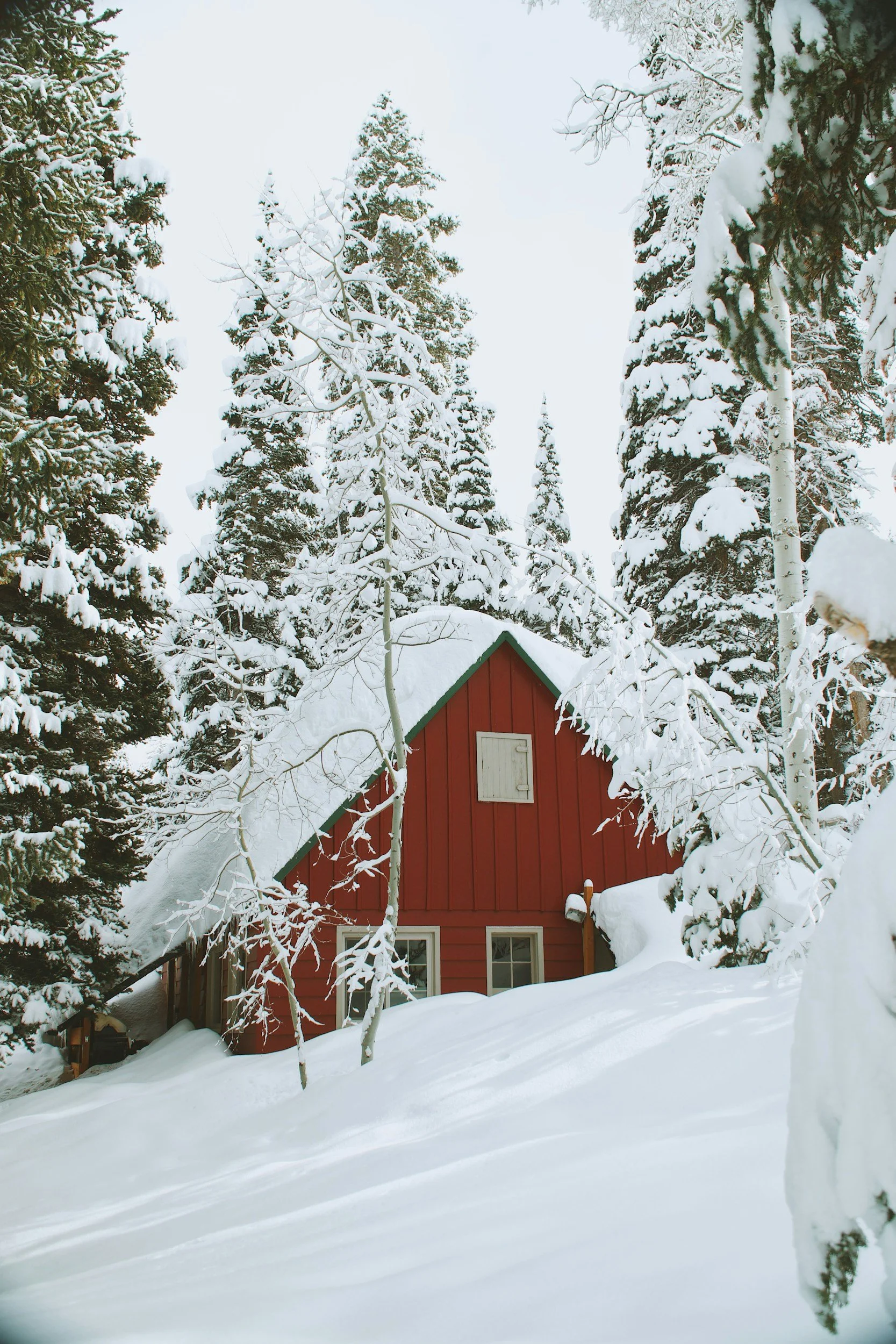
Top Outdoor Improvements to Complete Before Winter Hits
As winter approaches, homeowners must take the necessary steps to prepare their outdoor spaces for the colder months ahead. From well repair to tree care and exterior painting, there are several essential tasks that should be completed before winter hits to ensure your home remains in top condition. Here are eight tips to help you get your outdoor space winter-ready.
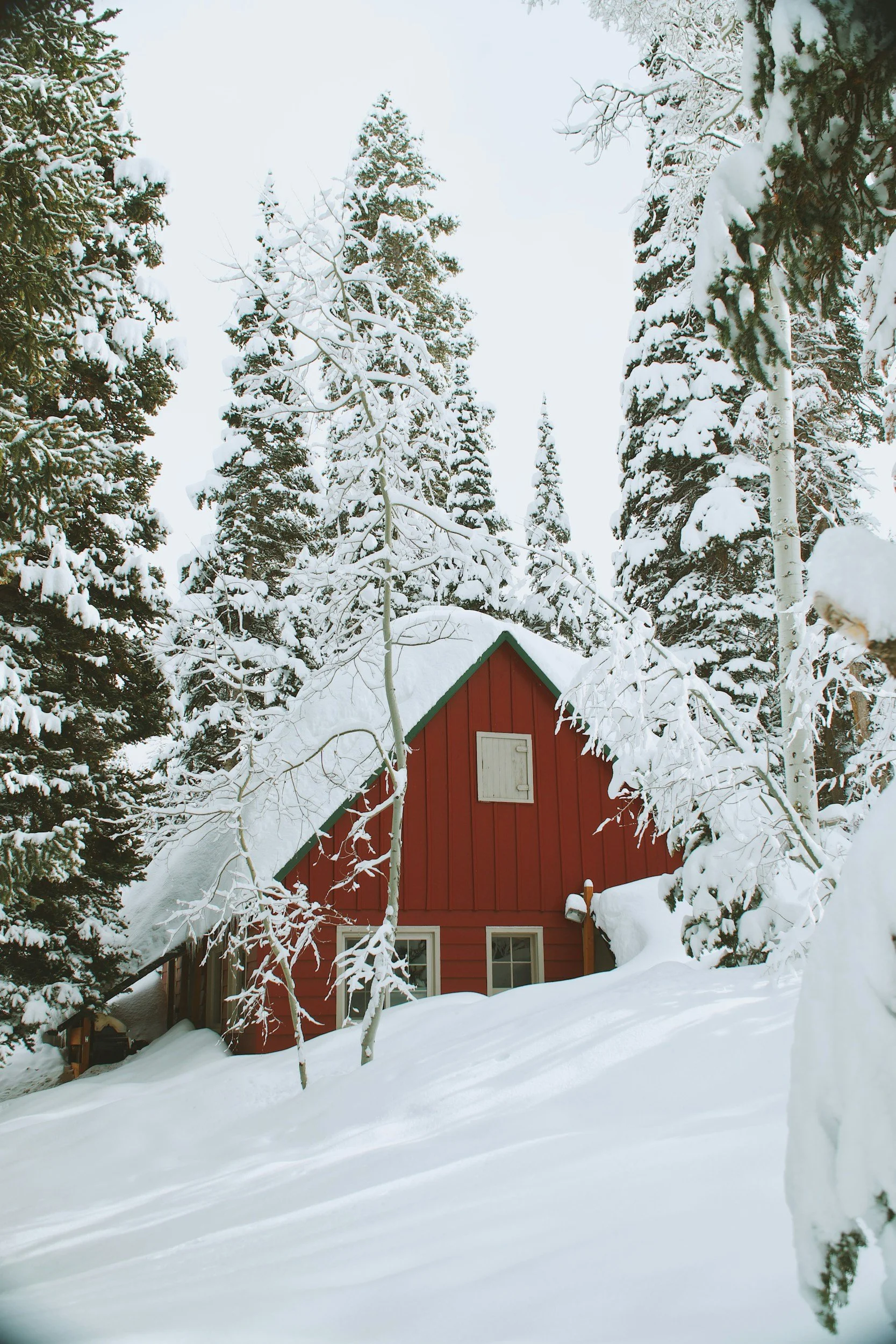
As winter approaches, homeowners must take the necessary steps to prepare their outdoor spaces for the colder months ahead. From well repair to tree care and exterior painting, there are several essential tasks that should be completed before winter hits to ensure your home remains in top condition. Here are eight tips to help you get your outdoor space winter-ready.
Exterior Painting
A fresh coat of paint on your home’s exterior can significantly prevent moisture infiltration during winter, which is vital for avoiding mold and structural damage. Before the cold weather sets in, ensure that you thoroughly clean and prepare the surfaces to promote strong adhesion of the paint. Consider using high-quality, weather-resistant paint designed for your region's climate, as they offer enhanced protection against fading and peeling. If the surface is damaged, repair any cracks or chips prior to painting; this will create a smoother finish and extend the life of your paint job. Hiring painters skilled in residential exterior painting can also be beneficial, as they understand the intricacies of application techniques and can help you select the right color that will warm up your home’s appearance even during the coldest months. Don't wait until the first snow falls—investing time in exterior painting now can safeguard your home for seasons to come.
Gutter Maintenance
Water that accumulates in clogged gutters during winter can freeze, leading to dangerous ice dams that not only damage your roof but can also pose a risk to your home’s foundation. To avoid these issues, clear your gutters of leaves, twigs, and other debris before the first snowfall. Regularly inspect your gutters for signs of wear or damage, such as rust or holes, and address these issues promptly to maintain their effectiveness. After cleaning, check that your downspouts direct water away from your home's foundation to prevent pooling and protect your property through the winter months. Additionally, installing gutter guards can help reduce debris buildup, making maintenance easier in the long run. Regular gutter maintenance will save you from costly repairs down the line and keep your home safe and dry.
Lawn Care
Preparing your lawn before winter not only enhances its survival during the cold months but also sets the stage for vigorous growth come spring. Healthy grass requires a strong root system to withstand freezing temperatures and fluctuating weather patterns. Start by aerating your lawn to alleviate compaction, allowing essential nutrients, water, and oxygen to penetrate deeper into the soil. Following aeration, overseed with a blend of cool-season grasses that are better suited for winter resilience in your region. It's also wise to apply a winter fertilizer, as this will provide your lawn with the nutrients needed to grow robustly when temperatures rise again. Don't overlook the importance of mowing your grass slightly shorter before winter sets in, which helps prevent snow mold and promotes air circulation. Whether you choose to handle these tasks yourself or enlist the help of a lawn care service, addressing these specific needs will keep your lawn in prime condition, ready to flourish as soon as warmer days return.
Tree Care
Healthy trees can significantly reduce heating costs during the winter by acting as natural windbreaks. To ensure your trees thrive through the cold months, focus on thorough pruning to remove any dead or weak branches that could break off in strong winds or heavy snow, causing damage to your property or nearby structures. Examine each tree for signs of disease or pest infestation, as addressing these issues early can prevent more severe problems later. If your trees are particularly large or you are unsure about the pruning process, hiring a professional arborist like the team at Schulhoff Tree & Lawn Care, Inc.. can provide peace of mind and expertise. Additionally, consider wrapping the trunks of young or vulnerable trees in burlap to protect them from harsh temperatures and frost damage. Taking these specific steps not only helps your trees survive winter but also prepares them to flourish come spring, enhancing the beauty and value of your outdoor space.
Patio Maintenance
A well-maintained patio not only enhances your outdoor space but also prevents moisture damage that can lead to expensive repairs during winter. Before the cold weather arrives, it's imperative to thoroughly clean your patio, removing dirt, leaves, and debris that could trap moisture. Once clean, inspect for any cracks or uneven surfaces; these can expand when water freezes, potentially compromising the integrity of your patio. Filling in small cracks with a suitable filler can help prevent further damage, while a deeper clean may involve power washing to remove stubborn grime and stains. After addressing these concerns, applying a high-quality sealant will provide a protective barrier against moisture infiltration and freezing conditions. Additionally, consider using a breathable patio cover during the winter months to prevent snow accumulation and protect the surface from harsh weather. Taking these proactive steps will keep your patio in excellent shape and extend its lifespan, allowing you to enjoy your outdoor space even in colder months.
Outdoor Lighting
Proper outdoor lighting can significantly enhance your home's safety during winter when longer nights create shadowy, unwelcoming spaces. By strategically illuminating pathways, driveways, and entry points with energy-efficient LED fixtures, you ensure that family and guests can navigate your property without a stumble, reducing the risk of accidents. Choosing motion-activated lights not only brightens these areas but also helps deter potential intruders, giving you peace of mind. Before winter creeps in, evaluate your current lighting system; consider adding fixtures with adjustable brightness for those particularly dark spots around your home. If electric work feels daunting, seeking help from a qualified electrician can simplify the process and ensure that all fixtures are installed safely and correctly. Thoughtful lighting choices not only boost security but also enhance the overall beauty of your outdoor space, making it inviting even as temperatures drop.
Winterizing Irrigation Systems
Irrigation systems left unprepared for winter run the risk of causing significant damage to your home's landscape when pipes burst from freezing temperatures. To avoid this costly scenario, start by thoroughly draining the entire system to ensure that no water remains in the pipes or components. Use an air compressor to blow out excess water from the lines, as this step is vital to prevent ice formation. Additionally, insulate any exposed pipes and valves with foam sleeves or insulating tape to add an extra layer of protection against harsh winter chills. As an added precaution, check for any leaks or weaknesses before shutting everything down for the season; early detection can save you from repairs in the spring. It’s also a good idea to note the locations of your sprinkler heads and valves, making it easier to inspect and maintain them when spring arrives, ensuring your system is ready to go when warmer weather returns.
Well Repair
A well that malfunctions during winter can freeze or become contaminated, leading to costly repairs and health risks when you need water the most. Before the cold sets in, it’s imperative to schedule a thorough inspection of your well system. Have a professional such as Action Well & Pump Repair evaluate the pump, pressure tank, and any water lines for signs of wear or damage. They can also perform necessary repairs, such as replacing worn seals or addressing any leaks, ensuring optimal performance throughout the winter months. Consider adding insulation around exposed pipes and the wellhead to prevent freezing, as well as testing your water for contaminants to safeguard your family’s health. Taking these proactive measures will not only provide peace of mind but will also ensure a reliable water supply when temperatures drop, protecting your home from potential emergencies.
By completing these outdoor improvements before winter hits, you can safeguard your home against potential damage, enhance its curb appeal, and enjoy peace of mind throughout the colder months. Remember that working with professionals for tasks like well repair, tree care, and exterior painting ensures that these critical aspects of home maintenance are handled with expertise and precision.

How to Create a Low-Maintenance Garden That Thrives Year-Round
Maintaining a vibrant garden that flourishes throughout the year can seem like a daunting task. Many homeowners start the growing season full of energy, but by mid-summer or fall, the demands of constant weeding, watering, and plant care often feel overwhelming. The good news is that it doesn't have to be this way. By designing a low-maintenance garden, you can enjoy the beauty of your outdoor space all year round without spending countless hours on upkeep.
Maintaining a vibrant garden that flourishes throughout the year can seem like a daunting task. Many homeowners start the growing season full of energy, but by mid-summer or fall, the demands of constant weeding, watering, and plant care often feel overwhelming. The good news is that it doesn't have to be this way. By designing a low-maintenance garden, you can enjoy the beauty of your outdoor space all year round without spending countless hours on upkeep.
This article will guide you through simple yet effective strategies to create a garden that thrives in every season, from choosing the right plants to installing smart irrigation systems.
1. Seasonal Planning: Preparing Your Garden for Every Climate
The secret to a thriving, low-maintenance garden is planning ahead for the changing seasons. Instead of waiting until the last minute to handle tasks like mulching, planting, or protecting delicate plants from frost, anticipate seasonal changes and take small steps early. For example, in the fall, you can mulch your garden beds and trim back perennials to protect them from winter’s chill.
In spring, focus on cleaning up winter debris and getting your plants ready for the growing season. A little work at the start of each season can save you from dealing with larger problems later. This approach is a crucial part of year-round lawn care, ensuring your garden and lawn stay healthy through the cold winter and hot summer months. By spreading out your tasks and planning for each season’s unique challenges, you’ll keep your garden running smoothly without being overwhelmed by a sudden influx of work.
2. Embrace the Perennial Advantage for Year-Round Beauty
While annuals offer bright, temporary bursts of color, they need to be replanted every year, adding to your workload. Perennials, on the other hand, are a low-maintenance gardener’s best friend. These plants come back year after year, often growing larger and more beautiful as time goes on. By investing in a variety of perennials, you can enjoy a vibrant, ever-evolving garden without having to start from scratch each spring.
Consider including hardy perennials like daylilies, coneflowers, or sedum in your garden. These plants not only require minimal watering and fertilizing but also bloom across multiple seasons. Additionally, many perennials are self-seeding, meaning they will naturally spread over time, filling in empty spaces and reducing the need for weeding or replanting. With a well-planned selection of perennials, you can create a colorful, year-round garden with little effort.
3. Mulching: Your Secret Weapon for Less Weeding and Watering
Mulch is one of the most powerful tools in maintaining a low-maintenance garden. By covering your garden beds with organic mulch, you can significantly reduce the amount of weeding and watering required. Mulch prevents weeds from competing with your plants for nutrients and water. It also helps the soil retain moisture, meaning you’ll spend less time watering during dry spells.
There are various types of mulch to choose from, including wood chips, straw, and shredded leaves. Each type has its benefits, but all of them will improve soil health while reducing the amount of work needed to keep your garden thriving. Apply a 2-3 inch layer of mulch around your plants in the spring, and you’ll be well on your way to a lush, low-maintenance garden.
4. Drip Irrigation: A Watering System That Works for You
One of the most time-consuming aspects of garden care is watering. A simple solution is installing a drip irrigation system, which provides a steady supply of water directly to your plants’ roots, minimizing waste and ensuring even hydration. Unlike sprinklers, which often lead to overwatering or runoff, drip irrigation targets the areas that need water the most. This method also reduces evaporation, meaning you can water less frequently.
Drip irrigation systems are relatively easy to install and can be automated, giving you peace of mind even when you're away from home. Whether you're growing vegetables, flowers, or shrubs, this system ensures consistent moisture levels, keeping your garden healthy and thriving without the daily hassle of manual watering.
5. Strategic Pruning for Healthier, More Resilient Plants
Pruning may sound like extra work, but strategic pruning is an essential part of keeping your garden low-maintenance and healthy. Rather than allowing plants to become overgrown and unruly, regular, minimal pruning encourages stronger, more resilient growth. It also helps prevent diseases by increasing airflow around plants and removing dead or diseased branches before they cause further harm.
The key to keeping pruning low-maintenance is knowing when to do it. For example, many flowering shrubs benefit from a light prune immediately after they bloom, while trees and larger shrubs may only need a trim once a year. Focus on removing dead, damaged, or crossing branches, and your plants will reward you with healthier growth and less need for intensive care.
6. Sustainable Pest and Disease Control Without Harsh Chemicals
Dealing with pests and diseases can be one of the most frustrating aspects of gardening, but there are low-maintenance, eco-friendly ways to handle these challenges. Start by choosing pest-resistant plant varieties that naturally repel insects, or practice companion planting by placing plants like marigolds and basil near vegetables to ward off harmful pests.
When issues do arise, opt for natural pest control solutions like neem oil or insecticidal soap, which are safer for your garden’s ecosystem. Regularly inspecting your plants for early signs of infestation or disease will also help you catch problems before they spread, saving you time and effort in the long run. By focusing on prevention and using sustainable control methods, you’ll maintain a healthy garden without the need for constant chemical treatments.
Creating a low-maintenance garden doesn’t mean sacrificing beauty or variety. By choosing climate-appropriate plants, investing in perennials, using mulch and irrigation wisely, and thinking ahead with seasonal planning, you can create a garden that thrives year-round with minimal effort. Raised garden beds, eco-friendly landscaping, and natural pest control methods will also help ensure that your outdoor space remains healthy and vibrant without requiring constant attention.
With a little planning and the right techniques, you can enjoy a lush, colorful garden that requires far less time and energy to maintain, allowing you to spend more time simply enjoying it. By implementing these strategies, your garden will not only survive each season—it will flourish, bringing year-round beauty to your home with ease.

