

A resource for those seeking information on organizing and transforming spaces.

5 Different Fasteners and How to Use Them in Construction
Fasteners are a key aspect of everything from major construction projects to small, DIY efforts in your home or at your apartment. If you are not sure what your options are when it comes to fasteners, you are not alone! Many people are not aware of the wide array of different fasteners that are available to them before they start working on projects both big and small.
We partnered with a home improvement company for this post. The opinions in the post are honest. All reviews and opinions expressed in this post are based on our personal views. We are excited because we know you will love it
Fasteners are a key aspect of everything from major construction projects to small, DIY efforts in your home or at your apartment. If you are not sure what your options are when it comes to fasteners, you are not alone! Many people are not aware of the wide array of different fasteners that are available to them before they start working on projects both big and small.
From 316 Stainless Socket Cap Screws to bolts, and many other kinds of fasteners are ideal for jobs of all sizes. You should be aware of the use of each of these kinds of fasteners before you start working on a project. Having the wrong kind of fasteners on hand can cause setbacks or slowdowns that you almost certainly want to avoid.
Different Fasteners and How to Use Them
1. Bolts, Nuts, Washers
Bolts and nuts, along with their counterpart, the washer, are some of the most common items to utilize in construction and repairs. You will find that there are so many kinds of bolts, washers, and nuts out there that it might be hard to pick the right item out of the crowd. The most common kinds of bolts are square and hex heads, as well as carriage bolts. You can also find these products in various weights, and they might be made from various kinds of materials.
When choosing the right bolts for your construction job, you will want to match diameter and pitch, and you will need to consider the environment that the items will be used in. You might need to think about exposure to the elements, for example. Avoid overtightening your bolts, and make sure that you use the right tools to install them.
2. Nails
Practically everyone on earth knows what a nail is. What most people don’t realize is that there are so many kinds of nails. The nail that everyone thinks of when they are imagining this item, is the common nail. These are used for nearly everything, from fences, to large construction projects. There are also drywall nails, roofing nails, and box nails that are commonly utilized for construction projects.
Installing nails is easy when you have some practice, but there are also handy tools like nail guns that make driving nails much easier. Always be sure that you are using the right length of nails for your project so that you don’t have the sharp end of the nail sticking out where someone could get hurt. Also, be sure that you are not bending the nails as you drive them into surfaces, as this can lead to instability or crookedness.
3. Anchors

Anchors are often required when working with drywall or concrete. These items come in many shapes and sizes and are often purpose-built for very unique tasks. You might need to select from hollow wall, wall driller, wedge, sleeve, or toggle anchors. You might also need a toggle bolt, or drive anchor for your project.
When installing anchors, you will need to be sure that you have the right size hole drilled into the surface that you are installing them in. The drill bit that you select needs to match the anchor itself. You will then tap the sleeve into the hole that you have made and then drill the screw into the sleeve. Sizing is everything when it comes to anchors, and having the right size drill bit can mean the difference between success and frustration during your work.
4. Threaded Rods and Studs
Threaded rods and studs are ideal for applications where materials need to be joined together. Often used for securing wood or metal items together, these fasteners can also be used to support concrete structures and to add additional strength where it is needed.
In most applications, the hole that you drill to install the rod or stud will need to be slightly smaller than the diameter of the fastener itself. You will then need to use a wrench to install the rod in the hole that you have drilled. There are various tools that make this process much easier, and you might need to invest in them to ensure that your threaded rods and studs are placed correctly.
5. Screws
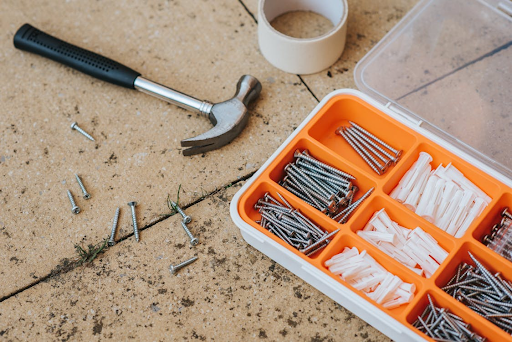
Nearly everyone is familiar with screws. This is one of the most versatile fasteners around. Screws come in many shapes and sizes and can be made from many materials as well. They are ideal for solutions where bolts might not be ideal since they require a nut to keep them in place.
There are sheet metal screws, machine screws, wood screws, lag screws, and so many other kinds of screws out there, all made for specific materials and goals. You will want to select the screw type that matches your goals and the materials that you are using for best results.
The best way to use screws is to drill a hole in advance, then sink the screw into the hole that you have prepared. Always be sure to have a drill on hand and to pay attention to the sizing of your pre-drilled holes. Making the hole too big will not allow the screw to seat properly, which could lead to failure of your installation down the road.
Using the Right Fastener the Right Way is Key
When it comes to installing anything during construction, the right fastener and the right installation method are key. There are often many ways that you might opt to install a fastener, but typically, the recommended best-practice is the right way to go. Be sure to match up your materials with the fasteners that you are considering using, and be sure that you pre-drill holes of the right size before installing your fastener.
Being able to install things correctly the first time and with lasting success often depends on picking the right fasteners for each job. The more that you know about the various kinds of fasteners that are available to you, the easier your construction job will be from start to finish.

8 Essential Energy Efficiency Improvements for Your Home
Looking to reduce your energy bills while making your home more environmentally friendly? You've come to the right place! In this blog post, we'll explore eight simple yet effective energy efficiency improvements you can implement in your home. These upgrades not only help you save money but also contribute to a healthier planet. Let’s dive in and discover how you can make your home more energy-efficient, one step at a time!

Looking to reduce your energy bills while making your home more environmentally friendly? You've come to the right place! In this blog post, we'll explore eight simple yet effective energy efficiency improvements you can implement in your home. These upgrades not only help you save money but also contribute to a healthier planet. Let’s dive in and discover how you can make your home more energy-efficient, one step at a time!
Roofing Upgrades for Optimal Energy Savings
A well-maintained roof significantly contributes to your home’s energy efficiency due to its ability to regulate temperature imbalances. Your first step is to consider installing reflective roofing materials, which help deflect sunlight and reduce heat accumulation within your home during hot summer months. This can lead to lower cooling costs and make your living space noticeably more comfortable. Additionally, effective attic insulation acts as a barrier that keeps warmth inside during colder months, preventing heat loss and lowering heating expenses. Attention to both elements of your roof ensures year-round energy savings.
For those eager to enhance their home’s energy efficiency further, regular maintenance, such as checking for gaps or damages, is vital. Leaky roofs not only compromise energy efficiency but can also cause long-term structural damage. If you're upgrading, you might explore options like ENERGY STAR certified roofing materials, designed specifically for improving energy performance. By proactive planning and adopting these strategies, you can transform your roof into a powerful shield against unnecessary energy expenditure. A professional contractor like Pro Roofing KC can assess your current roofing system, recommend the best materials tailored to your climate, and ensure installations are executed flawlessly.
Energy-Efficient Windows for Improved Insulation
Old, inefficient windows are a significant source of energy loss in your home, often contributing to a large portion of residential heating and cooling energy consumption. By prioritizing window upgrades, you can significantly enhance your home’s insulation and reduce your energy bills. Consider installing windows with double or triple-pane glass, which provide a thicker barrier against extreme weather conditions and are filled with argon or krypton gas for added insulation. Additionally, low-emissivity (low-e) coatings on windows are crucial for minimizing heat transfer—the coating allows your home to stay warmer in the winter and cooler in the summer by reflecting infrared energy. These features not only lower your heating and cooling costs but also boost the comfort level inside your living spaces.
When selecting energy-efficient windows, look for the ENERGY STAR label, which ensures the product meets strict performance standards set by the U.S. Environmental Protection Agency. This certification guarantees that you're investing in quality windows designed to optimize energy savings. Regular maintenance, such as sealing gaps and maintaining the window frames, supports these benefits by preventing drafts and air leaks. By paying attention to these details, you can efficiently maintain a comfortable environment in your home all year round, while also contributing positively to your home's long-term energy efficiency.
Smart Lighting Solutions for Energy Savings
Smart lighting can revolutionize how you manage energy in your home, offering you unmatched control and efficiency. Unlike other home improvements, smart lighting systems integrate seamlessly with modern technology to allow precise, real-time control over every bulb in the house via a smartphone or smart home assistant. This means you can turn lights on or off, adjust brightness, and even set schedules remotely, ensuring that no energy is wasted on lighting empty rooms. This level of control is exclusive to smart lighting, offering individual room management that traditional upgrades simply can't match.
As a homeowner determined to enhance energy efficiency, investing in LED bulbs is an essential first step. LEDs consume significantly less energy than conventional incandescent bulbs and boast a much longer lifespan, translating to fewer replacements and less waste. Consider integrating smart bulbs that can be dimmed or even adjust light warmth to optimize energy savings further. Coupled with motion sensors or timers, smart lighting ensures your lights are only on when needed. There's also the benefit of customizable scenes, allowing you to pre-program settings for different situations, like relaxing evenings or lively gatherings. Each decision you make with smart lighting contributes to reduced energy bills and a smaller carbon footprint, painting a brighter future for both your home and the planet.
Garage Door Insulation for Temperature Regulation
Reducing energy loss through your garage is pivotal because garages often serve as the gateway to increased indoor temperatures, especially if they are attached directly to your house. When you insulate your garage door, you're making an essential investment that helps balance temperatures inside the garage, slowing down heat exchange between your home and the outside environment. This helps reduce the workload on your HVAC system, effectively lowering your heating and cooling expenses. For homeowners who utilize their garage as more than just storage—perhaps as a workshop, gym, or hobby room—improving the thermal efficiency of this space directly contributes to comfort without spikes in utility bills.
To effectively insulate your garage door, consider choosing materials such as polystyrene or polyurethane foam, which offer superior insulation properties. Adding weatherstripping around the edges of your garage door further seals gaps and prevents drafts, ensuring that your garage maintains stable temperatures regardless of the season. Maintaining this space with regular check-ups and ensuring that the seals and insulation remain intact can maximize these advantages. By taking these specific steps, you create an energy-efficient buffer zone that harmonizes with the rest of your home's efficiency improvements. Each effort leads to enhanced comfort and substantial savings, benefiting your wallet while reducing your environmental footprint. Collaborating with an experienced garage door supplier and installer like Overhead Doors Unlimited, LLC can further enhance the effectiveness of your garage door insulation.
Solar Panel Installation for Renewable Energy
Powering your home with solar panels vastly reduces your dependence on fossil fuels, setting the foundation for a sustainable energy future unique to solar technology. By capturing sunlight and converting it into electricity, solar panels provide you with renewable energy directly from your rooftop, creating clean power without exhausting natural resources. As a homeowner focused on energy efficiency, consider that one of the greatest benefits of going solar is the long-term financial savings—a reduction in your monthly utility bills, which could offset the initial investment over time. Furthermore, many regions offer incentives and tax credits, reducing upfront costs and accelerating your return on investment.
Exploring solar roadmaps tailored for your specific location and energy needs ensures the system’s effectiveness. Selecting panels with high-efficiency rates can maximize your energy output even in areas with less sun exposure. Pairing your solar system with a battery storage unit can amplify these benefits, allowing you to store surplus energy for use during peak demand times or nocturnal periods, ultimately enhancing energy resilience. Regular maintenance, like cleaning the panels to remove debris and ensuring no extensive shading from nearby objects, helps maintain peak efficiency. Making this transition to solar not only bolsters your home's energy efficiency but also actively contributes to a more sustainable environment for future generations.
Energy-Efficient Appliances for Reduced Utility Costs
Lowering your utility bills starts right in your kitchen and laundry room, where energy-efficient appliances make a substantial difference. When selecting new appliances, look for the Energy Star certification, which guarantees significant energy savings compared to their non-certified counterparts. For refrigerators, models with high Energy Star ratings use significantly less energy, translating to noticeable drops in your monthly electricity consumption. In the case of dishwashers, many modern options employ innovative water management and heating techniques, using far less water and energy per load compared to older models. This means you conserve resources while enjoying the same, or even improved, performance.
When choosing a washing machine, front-loading models are generally more energy-efficient than top loaders, requiring less water and energy for each cycle. For dryers, consider those with moisture sensors, which automatically shut off the machine when clothes are dry. This feature not only saves energy but also prevents clothes from over-drying and extends their lifespan. By focusing on these specific advancements in appliance technology, you are investing in a more energy-efficient home that promises lower utility costs while simultaneously contributing to a greener planet. As you plan your appliance upgrade, keep in mind the dual benefits of financial savings and environmental responsibility that come with each energy-efficient choice.
Weather Stripping and Sealing for Draft Prevention
Unsealed gaps and cracks in your home can significantly compromise your comfort and lead to increased energy expenses, particularly in regions experiencing harsh seasonal changes. Addressing these vulnerabilities by focusing on weather stripping and sealing is a practical step to enhance your home’s thermal performance. Noticeable improvements occur when these strategies are applied to doors and windows, the most common culprits for energy inefficiency. Eliminating drafts reduces unnecessary workload on your HVAC system, extending its lifespan while optimizing energy costs.
Get started by selecting the appropriate weather-stripping material; options like felt or foam provide a cost-effective solution, while more durable materials such as vinyl or metal offer excellent long-term performance. Installing door sweeps at the base of your doors can also prevent drafts effectively. Make sure to inspect and seal other potential leak sources, including electrical outlets and baseboards, with caulk or expanding foam. Don’t overlook garage doors, attics, and basements, often forgotten yet critical areas for maintaining internal temperatures. By systematically addressing these areas and maintaining them regularly, you create a more energy-efficient home, enjoying sustained comfort and lower utility bills throughout the year.
HVAC System Enhancements for Year-Round Comfort
When temperatures outside drastically change, your HVAC system often becomes the largest energy consumer in your home. It's crucial to make this system as efficient as possible, starting with the installation of a programmable thermostat. This device uniquely allows you to automate temperature adjustments based on your daily routine—saving energy when no one is home and ensuring comfort when you return. Dive deeper by performing regular maintenance tasks such as changing air filters every one to three months. This simple step prevents the system from overworking due to clogs and poor airflow, improving both efficiency and air quality in your living space.
Seal and insulate your ductwork to prevent energy loss, as gaps and leaks can cause significant waste of heating and cooling energy. An often-overlooked upgrade, zone control systems divide your home into sectors and allow independent temperature settings in each, ensuring that energy is only used where needed. This can be particularly beneficial in homes with uneven heating and cooling patterns. Don't forget to schedule regular professional inspectionswith a contractor like 75 Air LLC; these checks ensure that your system components are operating at peak efficiency and can identify any potential issues before they turn into costly repairs. Addressing these aspects not only reduces your utility bills but enhances your home's overall comfort, contributing to a more sustainable future.
By implementing these essential energy efficiency improvements in your home, you can create a more sustainable living environment while saving money on utility bills. Prioritizing upgrades that optimize insulation, regulate temperature control, and promote efficient energy usage will not only benefit your finances but also contribute to a greener future for generations to come.

Which is Better Leaf Filter vs Leaf Guard?
Gutters play a crucial role in protecting our homes from water damage by channeling rainwater away from the structure. To ensure gutters function effectively, it's essential to invest in a gutter protection system that prevents debris buildup. Two popular options on the market are Leaf Filter and Leaf Guard. In this post, we will dive into the differences between Leaf Filter and Leaf Guard to help you determine the superior choice for your home.
We partnered with a home improvement company for this post. The opinions in the post are honest. All reviews and opinions expressed in this post are based on our personal views. We are excited because we know you will love it.

Gutters play a crucial role in protecting our homes from water damage by channeling rainwater away from the structure. To ensure gutters function effectively, it's essential to invest in a gutter protection system that prevents debris buildup. Two popular options on the market are Leaf Filter and Leaf Guard. In this post, we will dive into the differences between Leaf Filter and Leaf Guard to help you determine the superior choice for your home.
Understanding Leaf Filter
Leaf Filter is a highly regarded gutter protection system designed to keep debris out of your gutters, allowing water to flow freely. The system consists of a micromesh material that prevents leaves, twigs, and other debris from entering the gutters while allowing water to pass through seamlessly. Here are the pros and cons of Leaf Filter:
Pros of Leaf Filter:
Superior debris-blocking capabilities
Durable construction for long-lasting performance
Minimal maintenance required
Cons of Leaf Filter:
Higher initial cost
Professional installation recommended for optimal effectiveness
Exploring Leaf Guard

Leaf Guard is another popular gutter protection system known for its ability to keep gutters clean and clog-free. The system features a curved surface that directs debris off the roof while allowing water to flow into the gutters unobstructed. Let's take a closer look at the pros and cons of Leaf Guard:
Pros of Leaf Guard:
Efficient at shedding debris and maintaining gutter flow
Ease of installation for DIY enthusiasts
Cost-effective option compared to Leaf Filter
Cons of Leaf Guard:
May require more frequent maintenance compared to Leaf Filter
Limited color and style options available
A Comparison of Key Features

When comparing Leaf Filter and Leaf Guard, it's important to consider various factors such as durability, effectiveness, installation process, and cost. Leaf Filter is known for its superior debris-blocking capabilities and durability, making it a great choice for homeowners looking for a long-term solution with minimal maintenance requirements. On the other hand, Leaf Guard offers a cost-effective option that is easy to install, making it ideal for those on a budget or who prefer the DIY approach.
Customer Reviews and Satisfaction
Customer feedback is crucial in evaluating the performance and reliability of gutter protection systems. Reviews of Leaf Filter and Leaf Guard indicate high levels of satisfaction from homeowners who have installed these systems. While Leaf Filter is praised for its efficiency in keeping gutters clear, Leaf Guard receives positive feedback for its affordability and ease of installation.
Cost Comparison
When it comes to cost, Leaf Guard is typically more budget-friendly upfront compared to Leaf Filter. However, it's essential to consider long-term cost savings and the overall value for the price. While Leaf Filter may have a higher initial investment, its durability and low maintenance requirements can result in cost savings over time.
Environmental Impact
Both Leaf Filter and Leaf Guard have positive environmental impacts by preventing debris buildup in gutters, reducing the risk of water damage to homes. However, Leaf Filter's micromesh design may offer additional benefits in terms of sustainability by ensuring only water enters the gutters, promoting water conservation.
Conclusion
In the battle of the gutters, both Leaf Filter and Leaf Guard offer unique benefits and features that cater to different homeowner preferences. For those prioritizing durability and long-term performance, Leaf Filter may be the superior choice. Alternatively, if affordability and ease of installation are key factors, Leaf Guard could be the ideal option. Ultimately, the decision between Leaf Filter and Leaf Guard depends on your specific needs and budget.
If you're considering installing a gutter protection system for your home, reach out to knowledgeable professionals to learn more about Leaf Filter and Leaf Guard. Remember, investing in a quality gutter protection system is essential for maintaining the integrity of your home and protecting it from water damage.
By weighing the advantages and disadvantages of Leaf Filter and Leaf Guard, you can make an informed decision that aligns with your goals for gutter maintenance and protection. Choose wisely to ensure your gutters remain clear and your home stays safeguarded from the elements.

8 Do's and Don'ts of Putting in a Backyard Pool
Whether you're looking to create your own personal oasis or to entertain family and friends, having a pool in your backyard can be an exciting way to unwind. But before you grab your shovel and start digging, there are some important do's and don'ts that you should keep in mind. In this article, we'll cover everything from safety precautions to maintenance tips to ensure that your backyard pool experience is smooth sailing. So let's dive in (pun intended) and learn how to make a splash!
Whether you're looking to create your own personal oasis or to entertain family and friends, having a pool in your backyard can be an exciting way to unwind. But before you grab your shovel and start digging, there are some important do's and don'ts that you should keep in mind. In this article, we'll cover everything from safety precautions to maintenance tips to ensure that your backyard pool experience is smooth sailing. So let's dive in (pun intended) and learn how to make a splash!
Do's
Make Sure You Have the Proper Permits
Before you start digging up your backyard for that dream pool, it's crucial to make sure you have all the necessary permits from your local government. This not only ensures that your pool meets safety regulations and building codes, but it also prevents any potential legal issues in the future. Each city or town may have different requirements, so be sure to do your research and obtain all the proper permits before beginning any construction.
Invest in High-Quality Materials
Building a backyard pool is a significant investment, so be sure to invest in high-quality materials that will last. This includes the pool shell, decking, and any additional features such as waterfalls or slides. While cheaper options may be tempting, they can end up costing you more in the long run with frequent repairs and replacements.
Consult with your contractor about the best materials for your budget and make sure to prioritize durability over cost. No matter what, try to stay away from using untreated wood for your decking as it can easily rot and cause safety hazards. Instead, opt for materials like composite decking or concrete that can withstand the constant exposure to water and weather conditions. Additionally, be sure to use pool-specific paint and sealants for any surfaces near the pool to prevent damage and prolong their lifespan.
Consider Maintenance and Long-Term Costs
While the initial construction of a backyard pool may be costly, it's important to also consider long-term maintenance expenses. This includes regular cleaning and chemical treatments as well as potential repairs in the future. Before starting the project, make sure you have a realistic budget in mind for both upfront costs and ongoing maintenance. You may also want to research energy-efficient options for your pool equipment to help reduce long-term costs.
If you feel overwhelmed by the thought of maintaining a pool all year round, there are options available to help alleviate some of that responsibility. Hiring a professional pool maintenance service can ensure your pool is always in top condition without you having to spend time and effort on regular upkeep. You may also consider investing in automatic cleaning systems that will make maintenance tasks easier and less frequent.
Know Who to Call for the Job
Building a backyard pool is not a DIY project, so be sure to hire professionals, such as someone at Graber Excavating, who have experience and expertise in this area. From obtaining the necessary permits to building the pool structure and installing the proper equipment, there are many steps involved that require specialized skills. Make sure to do your research and choose a reputable contractor with positive reviews and references.
Don'ts
Skimp on Safety Measures
A backyard pool can bring endless fun and relaxation, but it also comes with potential hazards. It's crucial to prioritize safety by installing features such as pool covers, alarms, and fencing to prevent accidents. Additionally, be sure to educate yourself and your family on pool safety protocols, especially if you have children or pets. Remember, it's better to be safe than sorry when it comes to a backyard pool.
Ignore Your Property's Layout
While you may have a specific vision for where you want your pool to go, be sure to take into account your property's layout. Consider factors such as slope, underground utilities, and proximity to trees or other structures. Ignoring these aspects can lead to costly and time-consuming mistakes during the construction process. It's best to consult with a professional who can help determine the best location for your pool based on your property's layout.
Forget About Your Local Climate
The climate in your area can greatly affect the maintenance and use of your backyard pool. If you live in a region with harsh winters, you'll need to properly winterize your pool to prevent damage from freezing temperatures. On the other hand, if you live in a warmer climate, investing in a quality pool cover and maintaining proper chemical levels is crucial for keeping your pool clean and safe. Consider consulting with local experts or researching online to learn more about how to care for your pool based on your specific climate.
Leave Children Unattended by the Pool
Safety should always be a top priority when it comes to owning a backyard pool. One of the most essential rules is to never leave children unattended by the pool, even for a short period. This also includes pets, as they can easily fall into the pool and struggle to get out. Make sure your pool has proper fencing and alarms in place, and always have adult supervision when children are near the pool area.
Building a backyard pool can be a dream come true, but you need to approach the process with careful planning and consideration. By following these do's and don'ts, you'll be on your way to creating a safe, durable, and enjoyable pool that will bring joy for many summers to come!

