

A resource for those seeking information on organizing and transforming spaces.
5 DIY Projects for Creating a Healthier Home Environment
With the right DIY projects, creating a healthier home environment is possible without hiring a pro! Here are some simple tasks to cross off your to-do list.
Creating a healthier home environment can be challenging, especially for working parents and homeowners juggling multiple responsibilities. But with a few simple DIY projects, you can significantly improve your living space without hiring professionals. From changing your air filters to decluttering, these projects will help you create a healthier and more welcoming home.
Change Your Air Filters
One of the easiest ways to keep your home healthy is by changing your HVAC air filters regularly. Over time, these filters collect dust, pollen, and other allergens that can compromise indoor air quality. Experts recommend changing air filters monthly to keep your system running efficiently while promoting cleaner air. Not only will this simple task improve the air you breathe, but it can also extend the life of your HVAC system, saving you money in the long run.
Test for Radon
Radon is a colorless, odorless gas that can pose serious health risks if it accumulates in your home. Fortunately, testing for radon is a straightforward DIY project. You can purchase a radon test kit online or from your local hardware store. Simply follow the instructions, and send the test to a lab for analysis. Identifying radon levels in your home is crucial for your family’s safety, as prolonged exposure can lead to lung problems. If your results show high levels, you may need to consider further mitigation measures.
Declutter Your Home
A cluttered home not only makes cleaning more difficult but can also contribute to stress. By decluttering, you make it easier to dust and vacuum, reducing the allergens in your home. Start by tackling one room at a time, deciding what to keep, donate, or dispose of. Having fewer items makes cleaning more manageable and creates a calmer, more organized environment.
Deep Clean the Carpeting
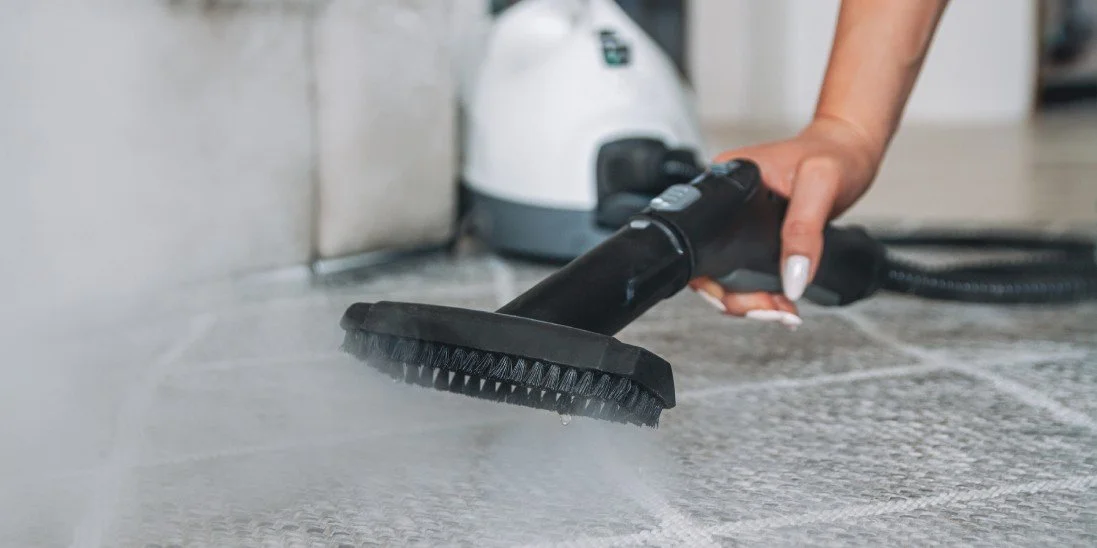
Even if you vacuum regularly, carpets can trap dirt, dust, and allergens deep within their fibers. Schedule a day to deep clean your carpets using a rented carpet cleaner. Removing these hidden particles can improve indoor air quality and extend the life of your carpeting. Plus, freshly cleaned carpets can make your entire home feel refreshed and revitalized.
Replace Moldy Caulk
Mold can often be found lurking in caulk around your bathtub, shower, or windows. While bleach might seem like a quick fix, it often only masks the problem. The best solution is to replace the moldy caulk with new material. Carefully remove the old caulk using a utility knife, clean the area thoroughly, and apply a fresh seal. This project improves the appearance of your bathroom or windows and prevents mold spores from affecting your family’s health.
These five DIY projects for creating a healthier home environment are practical and effective ways to enhance your living space. Whether you’re changing air filters or replacing moldy caulk, each project contributes to a healthier, more comfortable home for you and your family. Ready to make a change? Start one of these projects today, and experience the benefits of a healthier home environment.

8 Common Problems With Old Houses And How to Properly Address Them
It can be a delightful experience to own an ancient home that is rich with history and character. But these houses frequently have their share of issues that can be costly, time-consuming, and difficult to fix. Maintaining the integrity of your house and making sure it stays a comfortable place to live requires an understanding of frequent problems and knowing how to solve them. Here are some typical issues with older homes and workable fixes to help you keep your cherished home in good condition.
It can be a delightful experience to own an ancient home that is rich with history and character. But these houses frequently have their share of issues that can be costly, time-consuming, and difficult to fix. Maintaining the integrity of your house and making sure it stays a comfortable place to live requires an understanding of frequent problems and knowing how to solve them. Here are some typical issues with older homes and workable fixes to help you keep your cherished home in good condition.
Structural Issues
Structural issues are among the biggest issues with older homes. Homes may move or settle over time, resulting in uneven flooring, wall fissures, or even weakened foundations. It is imperative that you take immediate action to rectify any structural damage you observe. You can evaluate the issue and suggest the required repairs with the assistance of a certified structural engineer. Simple modifications could be enough in certain situations, but more involved work might be necessary in others to guarantee the stability of your house.
Outdated Electrical Systems
Older homes frequently have antiquated electrical systems that might not adhere to contemporary safety regulations. A fire threat could arise from frayed or overloaded wiring. It could be time to have an electrician assess your system if you frequently lose power or see flickering lights. Rewiring and upgrading your electrical panel can greatly improve usefulness and safety. In addition to protecting your house, investing in contemporary electrical systems will meet the expectations of modern technologies.
Plumbing Problems
Older homes frequently experience plumbing problems because pipes can rust, leak, or become clogged over time. It is often more cost-effective to reline a pipe than to dig up the entire system for repairs. It's critical to take quick care of any slow drains, poor water pressure, or wet areas on walls. In order to ensure dependable plumbing, it can be helpful to have a qualified plumber examine your system and suggest the best course of action.
Insufficient Insulation
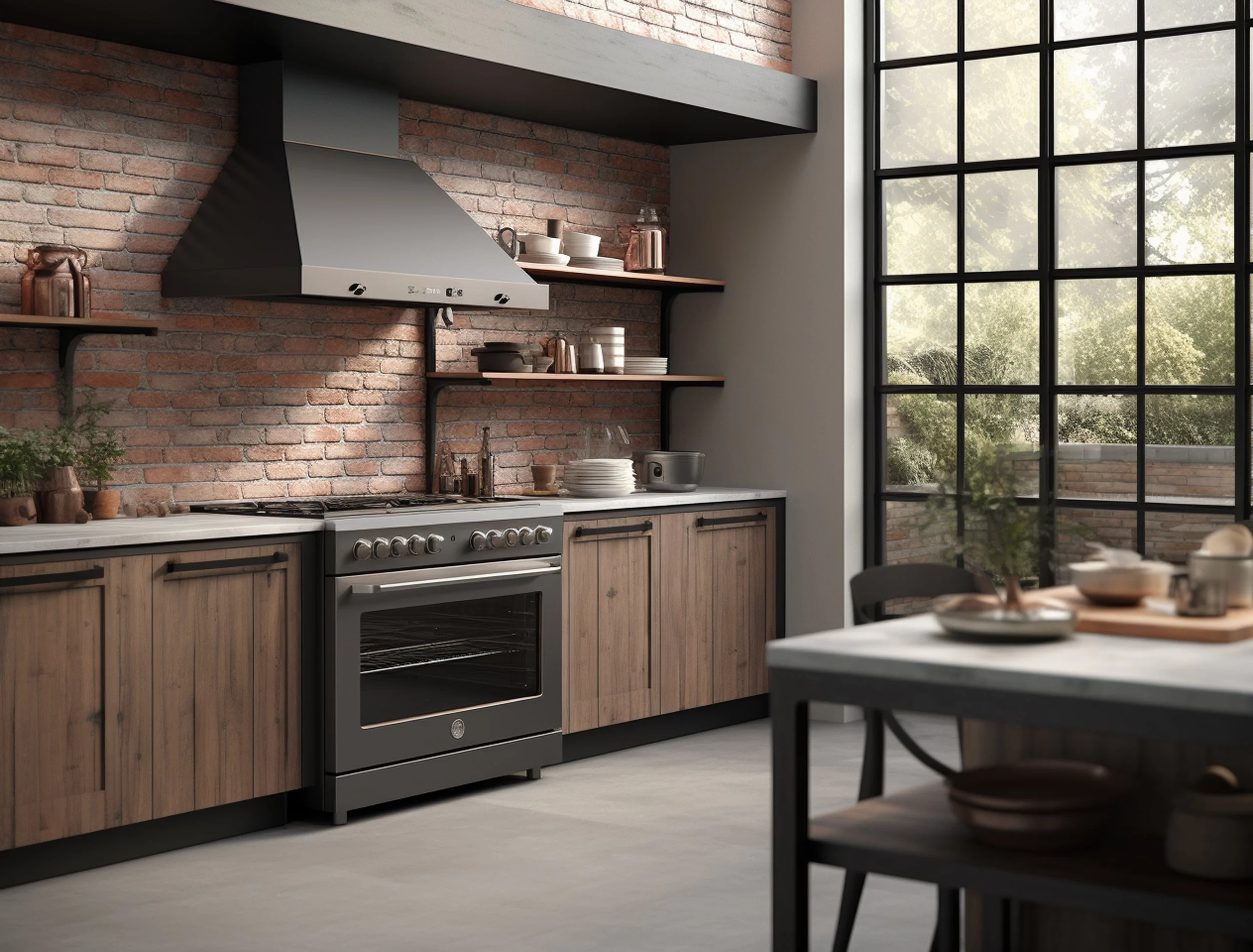
Lack of proper insulation of houses, especially those that were built earlier, results in drafts, high energy bills, unlived comfort during extreme weathers. Insufficient insulation may lead to high levels of heat loss during the winter and high levels of heat gains during the summers. Insulate your crawl spaces, walls as well as attic to solve this. Fiberglass, cellulose or spray foam are commonly used, effective insulation that causes considerable energy gain. Over time, this can reduce the energy expenditure other than enhancing comfort.
Old Windows and Doors
Drafts and inefficient use of energy can be caused by outdated windows and doors. They could also be devoid of appropriate security features. It could be time to replace your windows if they are single-pane or exhibit wear. Even though it can be expensive to replace every window, starting with the ones that are the most troublesome can help. Weatherstripping and caulking can help seal gaps and enhance insulation without breaking the bank for those on a tight budget.
Roof Wear and Tear
A home's roof is one of its most important parts, and older roofs frequently exhibit wear and tear. If you see leaks, drooping patches, or missing shingles, your roof may need maintenance. Frequent inspections are essential for identifying possible problems early. The extent of the damage will determine whether you require modest repairs or a full roof replacement. In addition to providing weather protection, a new roof increases the exterior appeal and value of your house.
Pest Infestations
Such structures may require treatment every few years because they are vulnerable to termites, rodents as well as other unwanted guests. These infestations can be very dangerous if not responded to immediately /If not tackled properly these infestations may lead to adverse effects. Invasions are easy to recognize during checks done frequently. It is advisable to call for a pest control practitioner once there is any sign of insects in the house including droppings or weak wooden beams. They are able to assess the problem and apply several effective measures on how not to let pests into your house.
Outdated Heating and Cooling Systems

Most of the heating and cooling systems in many homes are old and may not be working as efficiently as they should. These systems may affect your home by causing unequal temperatures and high costs of your energy bill. It is perhaps possible to replace your heating or cooling system with a newer, more energy efficient model if it is more than ten to fifteen years old. This means that you are able to spend less than you would have spent on energy and at the same time be a lot more comfortable when you incorporate modern systems for heating and cooling.
Although owning an older home has certain difficulties, the experience can be made more pleasurable by being aware of typical issues and knowing how to resolve them. Being proactive with maintenance and repairs is essential to maintaining the character and value of your house, whether it is due to structural problems or antiquated systems. With the correct strategy, you can transform your old home into a lovely, useful, and cozy area that you will treasure for many years to come.

Effective Home Improvement Tips to Keep Critters Away
Unwanted critters invading a home can be a source of frustration and discomfort for any homeowner. Keeping these pests at bay requires a strategic approach that includes preventive measures, regular maintenance, and sometimes professional help. Implementing effective home improvement tactics not only safeguards your living space but also enhances the overall quality and value of your home.

Unwanted critters invading a home can be a source of frustration and discomfort for any homeowner. Keeping these pests at bay requires a strategic approach that includes preventive measures, regular maintenance, and sometimes professional help. Implementing effective home improvement tactics not only safeguards your living space but also enhances the overall quality and value of your home.
Sealing Entry Points
Even the tiniest cracks or gaps can be an express invitation for critters to invade your space. Examine every inch of your home's exterior for small openings where pests might sneak in, such as around windows, under doors, or through utility lines. Pay particular attention to your garage door, as older models often have wide gaps. A new garage door from a supplier like J & D Door Sales, Inc with a tighter seal can significantly reduce entry points for insects and rodents. Weatherstripping is also a smart investment to secure any extra spaces, ensuring you seal off your home from unwelcome visitors.
As you inspect your home, don't overlook areas like vents, chimneys, and rooflines. These can be common yet less obvious entry points. Cover vents with mesh screens to prevent critters from finding their way inside, and ensure your chimney has a cap. Keep an eye out for any wear and tear or damage in these areas and repair them promptly to maintain a well-protected home. By dedicating time to these inspections, you are taking proactive steps in maintaining a critter-free home environment.
Landscaping Adjustments
Dense shrubbery and unkempt gardens next to your home form a welcome mat for unwanted pests, providing both habitat and a bridge into your household. By ensuring that plants, bushes, and trees don't touch your home's exterior, you deny pests easy access to walls, roofs, and attic spaces. Trim foliage regularly, leaving a gap between vegetation and the siding to prevent insects and rodents from finding easy paths inside. Additionally, consider the types of plants you include in your landscape; opting for pest-resistant varieties can naturally deter invaders and minimize the appeal of your yard as a nesting ground.
Maintaining a clean, tidy lawn also plays a significant role in pest prevention. Keep the grass well-trimmed and promptly clear away fallen leaves or debris, which can harbor unwanted guests. Moreover, inspect your garden for standing water—a common breeding site for mosquitoes and other insects—and ensure proper drainage. If you have mulch near your home, limit its depth to less than three inches to discourage insects from hiding there. By taking these specific landscaping actions, you not only beautify your outdoor space but effectively create an environment that reduces the likelihood of critters making your home their own.
Proper Waste Management
The scent of your trash can act as a beacon for pests, drawing them toward your home in search of food. To counteract this, ensure that your trash bins are properly protected. Use bins with tight-fitting lids that completely seal to prevent scent escape and secure them after each use. Scrub them out regularly to cut down on any lingering aromas that can attract pests. Position your garbage cans away from your home's entryways to discourage insects and rodents from venturing too close to your living spaces.
When it comes to composting, keeping critters at bay requires a bit more attention. Situate your compost pile as far from the house as possible and turn the pile frequently to manage odors—a primary lure for pests. Employ compost bins with secure lids and consider adding a layer of soil or brown materials like leaves over food waste to mask scents. Keep in mind, too, the importance of draining any fluids that might accumulate, as moisture contributes to the decomposition's appeal. By meticulously handling these waste management practices, you'll effectively minimize the risk of pests being drawn to your home.
Securing Roofs and Attics
The allure of a quiet, dark, and warm attic can transform it into a prime nesting spot for pests like squirrels, raccoons, and birds. To prevent these critters from overtaking your space, it's imperative to maintain a solid, impenetrable roof. Begin by thoroughly inspecting your roof for damaged or loose shingles, as these can serve as entry points. Replace any compromised shingles promptly and consider upgrading to a more durable roofing material if your roof frequently shows signs of wear. When undergoing new roofing installation, consult with your contractor about options that offer enhanced pest resistance, such as metal roofing or shingles treated with pest deterrents. Additionally, pay special attention to roof intersections and valleys where critters might find gaps to sneak through.
Securing your attic requires vigilance and some upgrades to bar entry effectively. Install tough mesh screens over attic vents to keep pests out while still allowing for proper ventilation. Chimney caps are non-negotiable if your home has a chimney; these simple additions prevent animals from coming down the flue. Also, check for any signs of gnawing or tampering, and if you observe any, take immediate action to reinforce those areas. Regular maintenance and improvements like these not only bolster your attic's defenses but also bring peace of mind, knowing you've done everything possible to deter uninvited wildlife from making your home theirs.
Managing Moisture Levels
Moist environments are ideal for insects like termites, cockroaches, and mosquitoes, since these thrive in damp conditions. To combat this, immediately address any plumbing leaks to prevent unwanted water accumulation. This not only protects your home from structural damage but also removes an inviting environment for these pests. Humidity can also be a silent enabler of pest proliferation, especially in areas like basements or crawl spaces. Employ dehumidifiers to maintain a dry climate in these spaces, making them less hospitable to moisture-loving pests.
Effective drainage around the foundation is also critical in managing water levels. If water pools near your home’s exterior, it can seep into the foundation, providing the dampness pests seek. Install and maintain gutters and downspouts to direct water away from your house, ensuring they are clear of debris to function correctly. Additionally, consider grading your landscape to slope away from the foundation, which aids in water runoff. By taking these steps, you help ensure that moisture isn’t calling pests to set up camp in or around your home.
Routine Inspections with Pest Control Services
Early detection of pest infestations can save thousands of dollars in potential repair costs and keep your home's structure intact. By partnering with a pest control service, you can gain insights into unseen or overlooked areas that might harbor pests. Professionals like the team at Best Pest Control Services possess the expertise to identify subtle signs of infestation before they escalate into bigger problems. For instance, they can pinpoint early termite activity through mud tubes or detect rodents by observing tiny droppings or gnawed materials. Their experience helps you understand the specific threats in your area and prioritize necessary preventive actions tailored to your home’s unique needs.
To maintain a pest-free environment, schedule routine inspections at least twice a year. During these visits, pest control technicians will conduct a thorough examination inside and outside your property. They will check potential entry points you might have missed and provide advice on sealing them off more effectively. If pests are detected, they will craft a targeted treatment plan that minimizes harm to your family and pets. By establishing a regular inspection routine, you stay one step ahead in pest management, minimize the risk of infestations, and extend the life and integrity of your home's structure.
Maintaining Cleanliness Indoors
Preventing the spread of food odors is fundamental in reducing the allure of pests inside your home. Lingering scents from kitchens can signal food availability, drawing pests like ants and pantry moths into your living space. You should vacuum floors and upholstery regularly, particularly in dining and kitchen areas where crumbs frequently accumulate. This diligent cleaning disrupts the scent trails pests rely on to locate food. Additionally, transfer pantry items, such as cereals and grains, into airtight containers. By doing so, you safeguard these items from invasion and prevent pests from multiplying undetected.
Decreasing clutter is another effective strategy in disrupting potential pest hideouts. Basements, attics, and closets often become neglected, providing ideal nooks for pests seeking shelter. Streamline these spaces by organizing and purging items you no longer need. Additionally, inspect these areas periodically for any signs of pest activity, such as gnawing marks or droppings, and address any findings immediately. Remember, a tidy, organized environment removes hiding spots for critters, significantly reducing the likelihood of them settling in your home. By incorporating these cleanliness habits, you enhance your home's defense against pests while creating a healthier living space.
Using Natural Pest Deterrents
Maintaining a chemical-free home environment while effectively deterring pests can be particularly appealing if you prioritize health and sustainability. For instance, applying essential oils such as peppermint, lavender, or eucalyptus to door frames and window sills can naturally drive away insects without the harmful effects commonly associated with chemical repellents. Each of these oils possesses unique deterrent properties; peppermint is specifically effective against spiders, while lavender can ward off fleas and moths. To utilize these oils, fill a spray bottle with water, add a few drops of your chosen essential oil, and apply consistently in areas where you notice pest activity. This method not only freshens the air but also creates a pest-resistant barrier.
Further enhancing your efforts, consider introducing certain plants around your home that naturally repel pests. Herbs like basil and mint act as aromatic barriers that many insects cannot tolerate. To maximize their effect, strategically place these plants near doorways or windows, where pests are most likely to enter. Additionally, the natural qualities of plants such as citronella and marigolds have been shown to ward off mosquitoes. You can also take a simple step like incorporating crushed garlic in your garden beds to deter aphids and caterpillars. By integrating these natural tactics, you play an active role in reducing pests and promoting a welcoming, chemical-free home environment.
Implementing these home improvement tips creates an environment less inviting to unwanted critters while enhancing security, cleanliness, and comfort within the household setting. By addressing both structural vulnerabilities and daily habits that attract pests, homeowners can achieve lasting results in their efforts against infestations.
Top Importance of Demolishing Old Mobile Homes
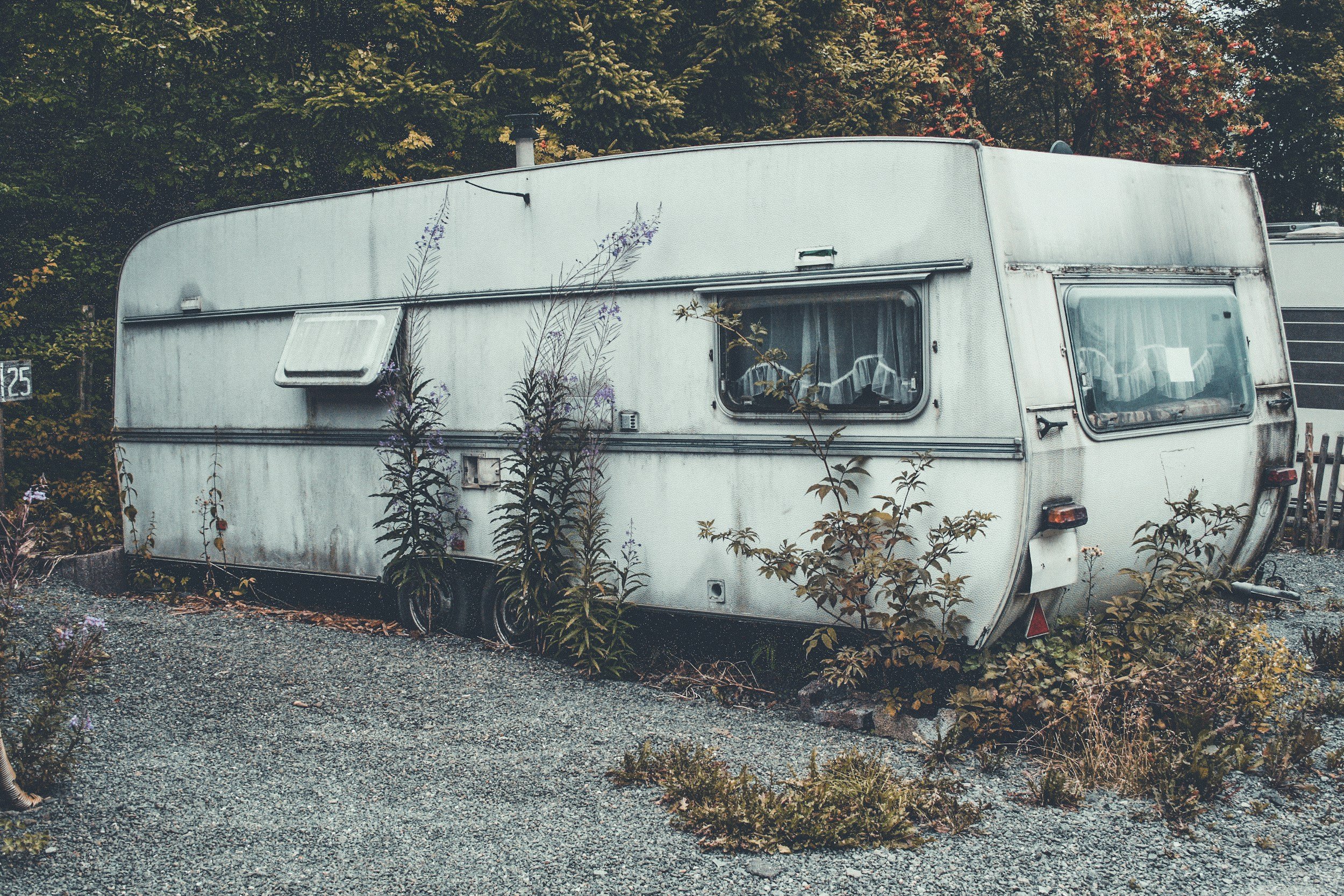
Mobile homes have been a preferred option for those looking for economical living, yet there may be severe issues with their structural integrity, safety, and environmental influence as they age. Old mobile homes must be demolished for several reasons, including safety concerns and ecological advantages that must be considered while erecting a home. The following are the main reasons these old buildings must be destroyed.
We partnered with a home improvement company. for this post. The opinions in the post are honest. All reviews and opinions expressed in this post are based on our personal views. We are excited because we know you will love it.
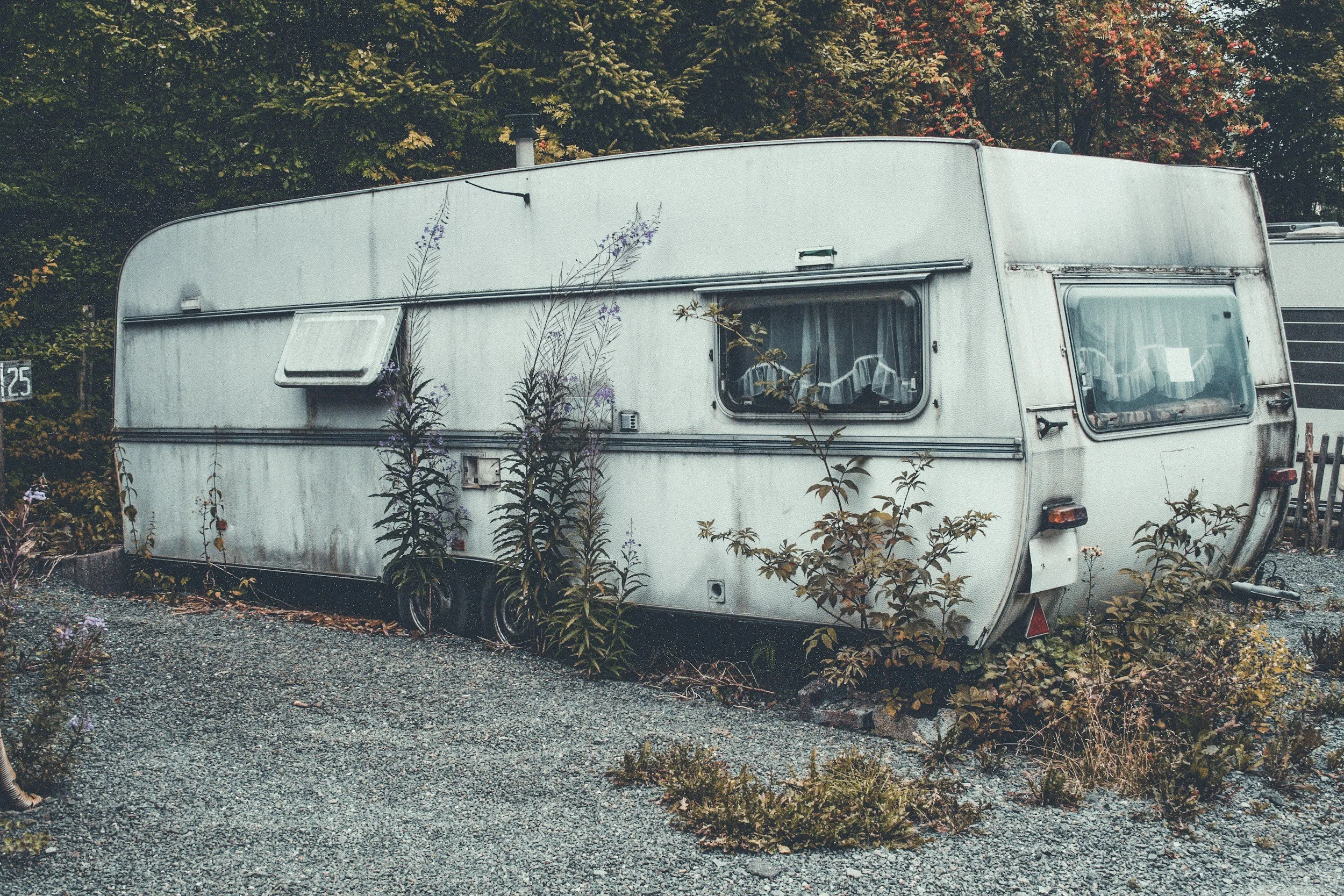
Mobile homes have been a preferred option for those looking for economical living, yet there may be severe issues with their structural integrity, safety, and environmental influence as they age. Old mobile homes must be demolished for several reasons, including safety concerns and ecological advantages that must be considered while erecting a home. The following are the main reasons these old buildings must be destroyed.
Ensuring Safety and Structural Integrity
Safety is one of the main justifications for tearing down outdated mobile homes. Occupants may be at risk because many older versions do not adhere to modern building requirements and safety standards. Materials can deteriorate over time, creating structural flaws that could cause collapses or other dangers and thus need immediate action. The shed removal services help ensure health and safety is reached. Furthermore, older mobile homes frequently have lower weather resistance, which raises the possibility of accidents or property damage during storms or other natural catastrophes. By tearing down these houses, we can ensure the occupants live in secure surroundings.
Environmental consideration
The ecology might suffer significantly from outdated mobile homes. Many are built using non-environmentally friendly materials, which can leak toxic compounds into the groundwater and soil as they deteriorate. Moreover, disposing of these houses may add waste to landfills. By enabling the recovery of recyclable elements and lowering the overall waste footprint, demolishing and adequately recycling or disposing of these structures can lessen their adverse environmental effects.
Economic benefits
Old mobile homes can be demolished, which can help communities economically. The land is prepared for better and more profitable uses by demolishing and repurposing old buildings as parks, commercial spaces, or new housing developments. Ultimately, this development may boost local property values and draw in new businesses and inhabitants, boosting the local economy. Apart from the demolition crews, recycling and trash management jobs can also be generated by the demolition process.
Urban Renewal and Community Development
Older mobile houses are frequently found in places prime for urban regeneration. By tearing down these houses, areas can be revitalized, and new construction that can improve community facilities can be built. Better public services, better infrastructure, and more enticing living situations are possible outcomes of this revitalization. Modern housing that satisfies current standards can help communities by promoting pride and enhancing people’s quality of life.
Addressing Housing Shortages
Dismantling outdated mobile homes can assist in addressing housing shortages in some locations as demand for cheap housing rises. Communities can create space for the construction of new, sustainable housing choices by demolishing old and perhaps dangerous buildings. These new constructions can include energy-efficient technologies and contemporary designs to give occupants safe, reasonably priced homes that satisfy modern demands. In crowded urban settings, this strategy can be beneficial.
Supporting Health and Well-being
Tearing down outdated mobile homes can significantly improve the health and well-being of locals. Older mobile homes frequently have problems, including mildew, inadequate ventilation, and pest infestations, which can worsen tenants’ health. Communities can enhance public health outcomes by dismantling these frameworks. Shed removal services can help you enhance the safety of your home and offer affordable services. Furthermore, new housing construction can provide occupants with a cozier, healthier home, improving their general well-being and quality of life.
In summary, demolishing outdated mobile homes is crucial for addressing public health, safety, urban redevelopment, economic development, and the environment. Communities can create safer, more sustainable, and healthier living conditions for all citizens by prioritizing demolishing these dilapidated buildings. Future development initiatives must consider the significance of dismantling outdated mobile homes in light of the ongoing difficulties with housing and environmental sustainability.

