

A resource for those seeking information on organizing and transforming spaces.

The Hidden Dangers Of A Damp Home: Health Risks And Structural Concerns
A damp home is more than just a nuisance—it poses significant risks to both health and the structure of your property. From promoting mold growth to weakening building materials, dampness can cause serious issues if left untreated.
A damp home is more than just a nuisance—it poses significant risks to both health and the structure of your property. From promoting mold growth to weakening building materials, dampness can cause serious issues if left untreated.
Health Risks Associated with a Damp Home
One of the most immediate dangers of a damp home is its impact on health. Excess moisture provides an ideal environment for mold and mildew, which release spores into the air. These spores can aggravate respiratory issues, trigger allergies, and even lead to asthma, particularly in children and older adults. Prolonged exposure to mold and damp environments can also weaken the immune system, making residents more susceptible to infections and illnesses.
Structural Damage and Home Integrity
Dampness can gradually damage your home’s structure, especially if moisture seeps into walls, floors, and foundations. Wood and plaster absorb water over time, which can lead to rot and degradation of essential structural components. Left unchecked, dampness may even affect a property’s stability, especially in older homes. To safeguard a property’s structure, it's essential to identify and repair sources of dampness as soon as they arise.
Preventing and Addressing Dampness
Managing dampness effectively requires both prevention and remediation. Regularly inspecting and maintaining plumbing, roofing, and gutters can prevent water from infiltrating the home. When water damage is detected, addressing it promptly is crucial. Concrete construction services, for instance, can provide solutions like waterproofing foundations and repairing structural cracks to help keep moisture out.
Dampness not only diminishes the comfort of a home but also puts residents at risk and can lead to expensive repairs. A proactive approach—inspecting for water leaks, investing in dehumidifiers, and making necessary structural repairs—will help maintain a dry, healthy, and sturdy living space. Protecting your home from dampness is an investment in both its longevity and your well-being. To learn more, check out the resource below.


The Art Of Hardscaping And Softscaping: Creating Balanced Outdoor Spaces
Creating a beautiful and functional landscape is both an art and a science. Combining hardscaping and softscaping elements brings depth, texture, and balance to any outdoor area, transforming a simple yard into an inviting, cohesive space. By understanding how to integrate these elements effectively, homeowners can craft landscapes that are visually appealing and sustainable.
Creating a beautiful and functional landscape is both an art and a science. Combining hardscaping and softscaping elements brings depth, texture, and balance to any outdoor area, transforming a simple yard into an inviting, cohesive space. By understanding how to integrate these elements effectively, homeowners can craft landscapes that are visually appealing and sustainable.
What is Hardscaping?
Hardscaping refers to the solid, non-living elements in a landscape. These include pathways, patios, retaining walls, decks, and decorative stone features. Hardscape structures provide functionality, guiding foot traffic, and defining spaces within your yard. Choosing the right materials for hardscaping—whether stone, brick, concrete, or wood—adds durability and character to your outdoor area. Features like fire pits, seating walls, and water fountains can also serve as focal points, drawing attention and enhancing the atmosphere.
The Role of Softscaping in a Landscape
Softscaping involves the living components of a landscape, such as plants, flowers, shrubs, and trees. These elements bring color, movement, and seasonal interest to an outdoor area. Plants not only contribute to the beauty of a yard but also play an essential role in improving air quality and supporting local wildlife. For a well-rounded approach, it’s essential to select plants that are suited to your region’s climate and soil type, ensuring they thrive year-round.
Working with an arborist in Beaverton, for example, can be beneficial if you’re planning to add trees to your landscape. Arborists can advise on native tree species that will flourish in local conditions, adding shade, privacy, and ecological value to your property.
Blending Hardscaping and Softscaping Elements
The key to a harmonious landscape lies in blending hardscaping and softscaping thoughtfully. Hardscape features should complement the natural flow of the garden, while softscape elements should enhance and soften the look of hard structures. For instance, placing flower beds along pathways or surrounding patios with lush greenery helps create a seamless transition between hard and soft elements.
Effective landscaping balances structure with nature, creating a space that’s both functional and inviting. By thoughtfully combining hardscaping and softscaping, homeowners can transform their outdoor areas into beautiful extensions of their homes, ready to be enjoyed in every season. For more information, look over the accompanying resource.


Safeguarding Your Home And Health After A Flood: Essential Steps To Recovery
Flooding can wreak havoc on your home, affecting both its structure and the health of those who live there. After the water recedes, the aftermath requires careful, immediate attention to prevent lasting damage and health risks. Addressing water damage efficiently can help ensure your home’s recovery while protecting your family.
Flooding can wreak havoc on your home, affecting both its structure and the health of those who live there. After the water recedes, the aftermath requires careful, immediate attention to prevent lasting damage and health risks. Addressing water damage efficiently can help ensure your home’s recovery while protecting your family.
Immediate Steps to Take After a Flood
As soon as it’s safe to return to your home, begin with a thorough assessment of the damage. Shut off the electricity and gas if possible, especially if water has reached outlets or electrical equipment. Remove any standing water and salvageable items as quickly as possible to minimize further damage. It’s essential to contact professionals specializing in water damage restoration in Rockford, IL, for thorough assistance with cleaning, drying, and repairs, especially for significant flooding.
Health Risks from Mold and Bacteria
Floodwaters often contain bacteria and contaminants that can compromise indoor air quality and cause health issues. Mold growth begins within 24-48 hours in moist environments, releasing spores that aggravate respiratory conditions, allergies, and even infections. It’s critical to dry all affected areas promptly and monitor for signs of mold in places where water may have seeped, such as under floors, behind walls, or in basements. Using air purifiers and wearing protective gear when cleaning can help mitigate health risks during the recovery process.
Safeguarding Your Home’s Structure
Water can weaken foundations, warp wood, and erode drywall, all of which compromise your home’s structural integrity. Professionals in water damage restoration will assess these areas, ensuring your home is safe and secure. Restoration experts can also offer advice on preventive measures, such as installing sump pumps, sealing basements, and improving drainage to mitigate future flooding risks.
Recovering from a flood requires time and diligence, but with the right precautions, your home can be restored. Addressing water damage promptly, safeguarding against mold, and securing structural stability will help you regain comfort and security in your living space. Protecting your home and health after a flood is an investment in safety and peace of mind. Look over the accompanying infographic for more information.

The Importance of Regular Maintenance for Commercial Plumbing Systems
There are many factors that go into the continuous operation of a business, and one such neglected component is plumbing. Whether it be a busy restaurant or a large office building, commercial plumbing maintenance is essential in keeping operations running smoothly.
We partnered with a plumbing supply company for this post. The opinions in the post are honest. All reviews and opinions expressed in this post are based on our personal views. We are excited because we know you will love it.
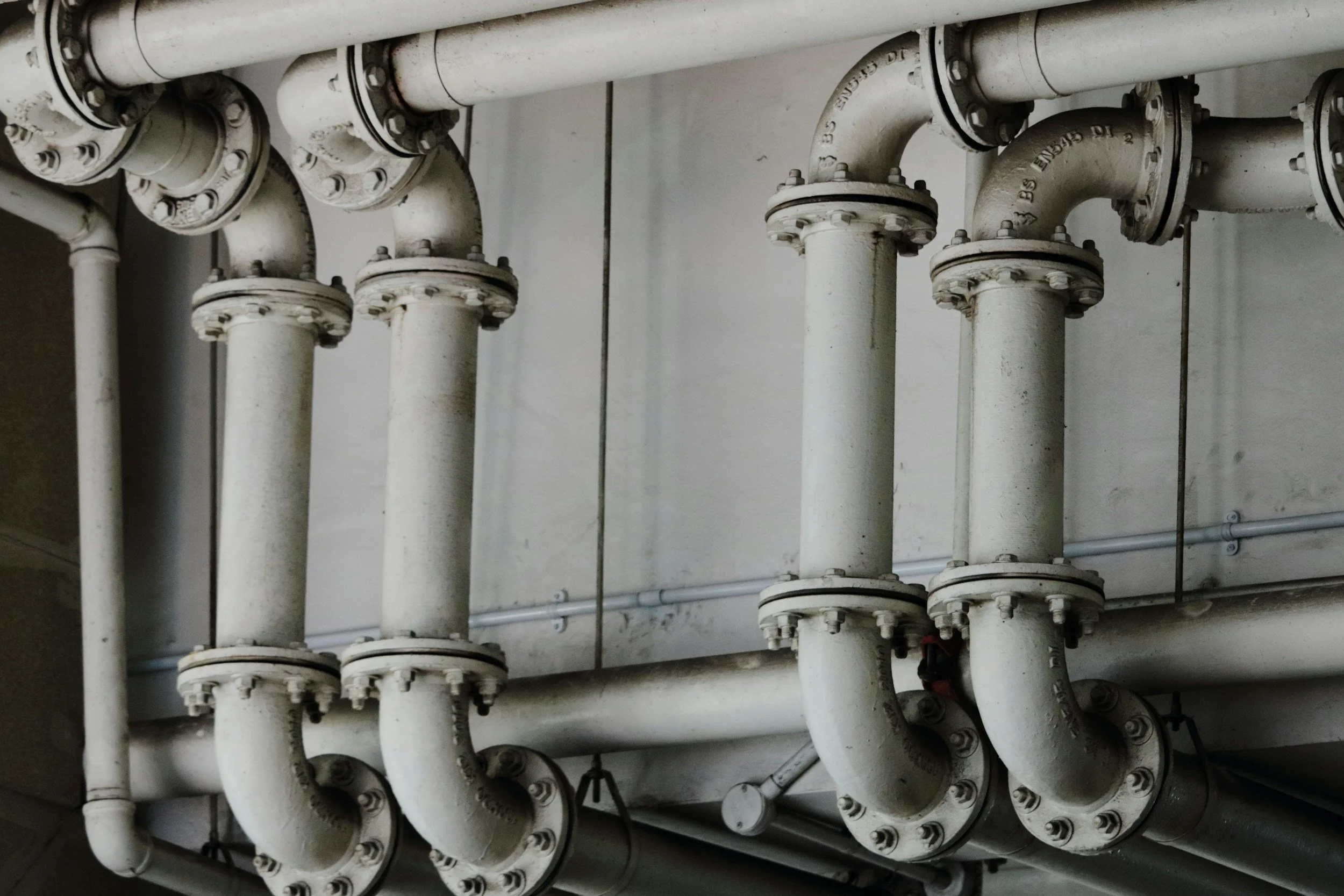
There are many factors that go into the continuous operation of a business, and one such neglected component is plumbing. Whether it be a busy restaurant or a large office building, commercial plumbing maintenance is essential in keeping operations running smoothly.
Ignoring it can mean expensive repairs, safety hazards, and even temporary closures. Regular maintenance is not just about repairing issues; it's also about keeping them from happening in the first place.
If something breaks down, it could spell doom. So, why is regular maintenance so essential, and how can businesses effectively approach it?
1. Prevent Costly Repairs with Regular Commercial Plumbing Maintenance
Finding out that your commercial building's main water line has sprung a leak in the middle of business hours can be catastrophic. Water can pool around machinery, damaging it and forcing you to stop work until it is fixed.
This is nothing more than a recipe for lost revenue and repair. Regular commercial plumbing maintenance is essential to avoid such scenarios.
Being proactive allows us to detect a small leak, corroding pipes, or broken equipment when the failure is still minor. These issues can be small, but if unchecked, could grow into full-on repairs that will bring your business to a screeching halt.
Businesses can effectively prevent possible problems through regular maintenance and stop small things before they turn into expensive issues. It also keeps your entire plumbing system running properly, preventing any sudden malfunctions.
2. Extend the Lifespan of Plumbing Systems Through Commercial Maintenance
Consider commercial maintenance plumbing just like you do regular car maintenance to get your vehicle to last for many years. This will make all the difference in how long these systems last before needing a full replacement.
Pipes and fixtures such as water heaters and pumps are essential parts of the infrastructure of a building. Like anything mechanical that has moving parts, it is going to break down eventually. Failure to check these components regularly could result in them failing long before they should, and it will cost you handsomely when they need replacing.
A maintenance plan allows the system to perform at its full capacity, making breakdowns less likely. Inspecting and maintaining water heaters is also crucial, as sediment tends to build up over time, lowering the unit's efficiency (making it work harder than necessary).
This not only prolongs the lifespan of equipment but also means businesses could save on utility costs—an outcome just about any business trying to keep overhead spending down would appreciate.
3. Ensure Compliance with Health and Safety Standards
In any commercial setting, compliance with local health and safety regulations is non-negotiable. Regular commercial plumbing preventive maintenance helps businesses meet these standards, ensuring a safe and sanitary environment for employees and customers.
A commercial plumber checks for issues that could lead to health code violations, such as backflow problems, clogged drains, or cross-contamination risks. For instance, restaurants need to ensure that their plumbing doesn’t allow for wastewater to mix with clean water supplies. Regular maintenance prevents such situations, keeping operations safe and compliant.
Being proactive about plumbing maintenance also demonstrates a commitment to safety and professionalism, something that clients and partners appreciate.
Creating a Commercial Plumbing Preventative Maintenance Checklist
Every business is different, and so are their plumbing needs. A retail store, for example, might have different requirements compared to a hotel or an industrial facility. That’s why it’s important to develop a commercial plumbing maintenance checklist that’s tailored to the unique demands of your business. Here are some key components to consider:
● Inspect Pipes and Fixtures: Regularly check for signs of wear, rust, and leaks. Even a minor drip can escalate into a larger issue if left unattended.
● Test Water Pressure: High or low water pressure can indicate deeper problems within the system. Consistent pressure tests help detect issues early.
● Check Water Heaters for Efficiency: Regular inspection ensures water heaters function at peak performance, reducing energy consumption.
● Monitor Drainage and Sewage Systems: Ensuring clear and efficient drainage helps avoid blockages that can lead to overflows or water damage.
● Inspect Backflow Prevention Devices: In many commercial settings, backflow preventers are a legal requirement. Routine checks ensure they are working correctly to prevent contamination.
Building a commercial plumbing preventative maintenance checklist allows businesses to monitor their systems, catching problems before they escalate systematically. It’s a small investment of time that pays off significantly in the long run.
Take Charge of Your Plumbing: Invest in Regular Maintenance Today!
Commercial plumbing systems are easy to overlook until something goes wrong. However, waiting for issues to arise can lead to unnecessary costs and disruptions for businesses.
Regular commercial plumbing maintenance is a simple yet essential practice that prevents problems, extends the life of plumbing components, and ensures compliance with health and safety regulations.
Developing and following a commercial plumbing preventive maintenance checklist enables businesses to maintain smooth operations without unexpected interruptions.
Whether through in-house maintenance or hiring a commercial maintenance plumber near los angeles, investing in regular care for your plumbing system is investing in your business's success.

