

A resource for those seeking information on organizing and transforming spaces.

Understanding The Life Cycle Of Water Heaters: What To Expect And When To Replace
Water heaters are essential home appliances, providing hot water for everything from showers to dishwashing. Like most home systems, they have a predictable life cycle, and knowing when to replace or maintain them can save on energy costs and prevent unexpected breakdowns.
Water heaters are essential home appliances, providing hot water for everything from showers to dishwashing. Like most home systems, they have a predictable life cycle, and knowing when to replace or maintain them can save on energy costs and prevent unexpected breakdowns.
Average Lifespan of Water Heaters
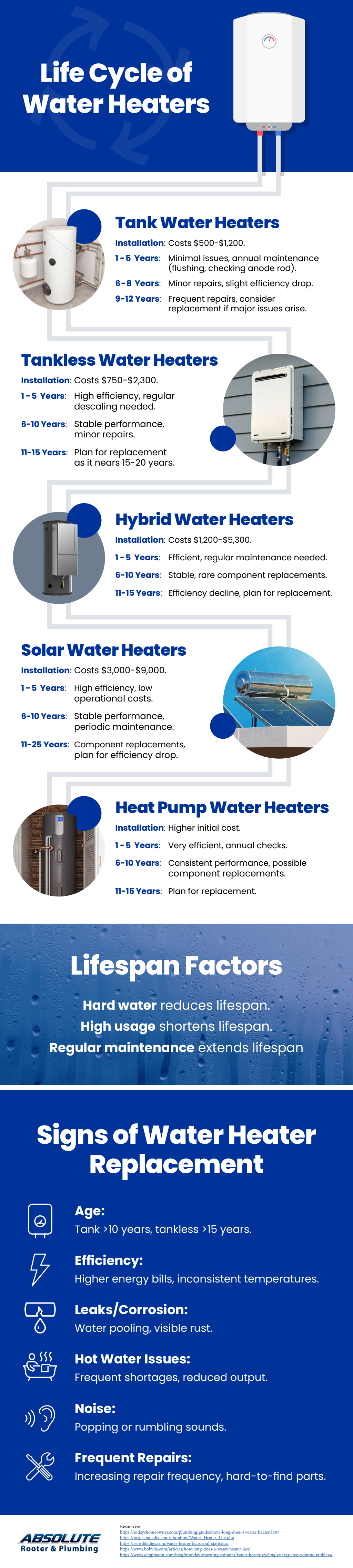
The typical water heater lasts between 8 and 12 years, although various factors can influence this range. Tankless water heaters, for example, tend to last longer—around 20 years—since they heat water on demand rather than storing it. Traditional tank-style water heaters experience wear over time, as minerals and sediment in water can accumulate, impacting efficiency.
Signs of Wear and When to Consider Replacement
As water heaters age, they often show warning signs. Reduced hot water availability, fluctuating temperatures, or rust-colored water could indicate that the tank is deteriorating. Another sign is unusual noises, such as banging or popping sounds, which may point to sediment buildup at the bottom of the tank. These issues often signal that it’s time for maintenance or, in some cases, a full replacement.
Regular inspections by a professional offering plumbing services can help identify early signs of trouble and recommend whether maintenance or replacement is the best option. Routine flushing of the tank to remove sediment can also extend the life of your water heater.
Choosing the Right Replacement
When the time comes to replace your water heater, consider factors like energy efficiency, household water needs, and cost. Tankless models are a good option for energy-conscious homeowners, while traditional tanks remain a reliable and budget-friendly choice for many families. Newer models often come with advanced insulation and heating technology, making them more efficient than older models and potentially lowering utility bills.
Understanding the life cycle of your water heater and knowing when to replace it are key to maintaining a steady supply of hot water and avoiding unexpected repairs. With the help of professional plumbing services, you can keep your system running smoothly and ensure that your home stays comfortable and efficient year-round.

The Hidden Dangers Of A Damp Home: Health Risks And Structural Concerns
A damp home is more than just a nuisance—it poses significant risks to both health and the structure of your property. From promoting mold growth to weakening building materials, dampness can cause serious issues if left untreated.
A damp home is more than just a nuisance—it poses significant risks to both health and the structure of your property. From promoting mold growth to weakening building materials, dampness can cause serious issues if left untreated.
Health Risks Associated with a Damp Home
One of the most immediate dangers of a damp home is its impact on health. Excess moisture provides an ideal environment for mold and mildew, which release spores into the air. These spores can aggravate respiratory issues, trigger allergies, and even lead to asthma, particularly in children and older adults. Prolonged exposure to mold and damp environments can also weaken the immune system, making residents more susceptible to infections and illnesses.
Structural Damage and Home Integrity
Dampness can gradually damage your home’s structure, especially if moisture seeps into walls, floors, and foundations. Wood and plaster absorb water over time, which can lead to rot and degradation of essential structural components. Left unchecked, dampness may even affect a property’s stability, especially in older homes. To safeguard a property’s structure, it's essential to identify and repair sources of dampness as soon as they arise.
Preventing and Addressing Dampness
Managing dampness effectively requires both prevention and remediation. Regularly inspecting and maintaining plumbing, roofing, and gutters can prevent water from infiltrating the home. When water damage is detected, addressing it promptly is crucial. Concrete construction services, for instance, can provide solutions like waterproofing foundations and repairing structural cracks to help keep moisture out.
Dampness not only diminishes the comfort of a home but also puts residents at risk and can lead to expensive repairs. A proactive approach—inspecting for water leaks, investing in dehumidifiers, and making necessary structural repairs—will help maintain a dry, healthy, and sturdy living space. Protecting your home from dampness is an investment in both its longevity and your well-being. To learn more, check out the resource below.

The Art Of Hardscaping And Softscaping: Creating Balanced Outdoor Spaces
Creating a beautiful and functional landscape is both an art and a science. Combining hardscaping and softscaping elements brings depth, texture, and balance to any outdoor area, transforming a simple yard into an inviting, cohesive space. By understanding how to integrate these elements effectively, homeowners can craft landscapes that are visually appealing and sustainable.
Creating a beautiful and functional landscape is both an art and a science. Combining hardscaping and softscaping elements brings depth, texture, and balance to any outdoor area, transforming a simple yard into an inviting, cohesive space. By understanding how to integrate these elements effectively, homeowners can craft landscapes that are visually appealing and sustainable.
What is Hardscaping?
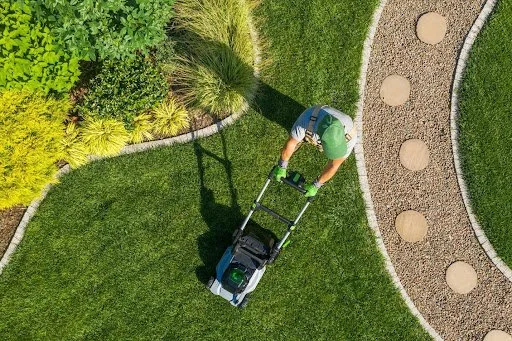
Hardscaping refers to the solid, non-living elements in a landscape. These include pathways, patios, retaining walls, decks, and decorative stone features. Hardscape structures provide functionality, guiding foot traffic, and defining spaces within your yard. Choosing the right materials for hardscaping—whether stone, brick, concrete, or wood—adds durability and character to your outdoor area. Features like fire pits, seating walls, and water fountains can also serve as focal points, drawing attention and enhancing the atmosphere.
The Role of Softscaping in a Landscape
Softscaping involves the living components of a landscape, such as plants, flowers, shrubs, and trees. These elements bring color, movement, and seasonal interest to an outdoor area. Plants not only contribute to the beauty of a yard but also play an essential role in improving air quality and supporting local wildlife. For a well-rounded approach, it’s essential to select plants that are suited to your region’s climate and soil type, ensuring they thrive year-round.
Working with an arborist in Beaverton, for example, can be beneficial if you’re planning to add trees to your landscape. Arborists can advise on native tree species that will flourish in local conditions, adding shade, privacy, and ecological value to your property.
Blending Hardscaping and Softscaping Elements
The key to a harmonious landscape lies in blending hardscaping and softscaping thoughtfully. Hardscape features should complement the natural flow of the garden, while softscape elements should enhance and soften the look of hard structures. For instance, placing flower beds along pathways or surrounding patios with lush greenery helps create a seamless transition between hard and soft elements.
Effective landscaping balances structure with nature, creating a space that’s both functional and inviting. By thoughtfully combining hardscaping and softscaping, homeowners can transform their outdoor areas into beautiful extensions of their homes, ready to be enjoyed in every season. For more information, look over the accompanying resource.


Safeguarding Your Home And Health After A Flood: Essential Steps To Recovery
Flooding can wreak havoc on your home, affecting both its structure and the health of those who live there. After the water recedes, the aftermath requires careful, immediate attention to prevent lasting damage and health risks. Addressing water damage efficiently can help ensure your home’s recovery while protecting your family.
Flooding can wreak havoc on your home, affecting both its structure and the health of those who live there. After the water recedes, the aftermath requires careful, immediate attention to prevent lasting damage and health risks. Addressing water damage efficiently can help ensure your home’s recovery while protecting your family.
Immediate Steps to Take After a Flood
As soon as it’s safe to return to your home, begin with a thorough assessment of the damage. Shut off the electricity and gas if possible, especially if water has reached outlets or electrical equipment. Remove any standing water and salvageable items as quickly as possible to minimize further damage. It’s essential to contact professionals specializing in water damage restoration in Rockford, IL, for thorough assistance with cleaning, drying, and repairs, especially for significant flooding.
Health Risks from Mold and Bacteria
Floodwaters often contain bacteria and contaminants that can compromise indoor air quality and cause health issues. Mold growth begins within 24-48 hours in moist environments, releasing spores that aggravate respiratory conditions, allergies, and even infections. It’s critical to dry all affected areas promptly and monitor for signs of mold in places where water may have seeped, such as under floors, behind walls, or in basements. Using air purifiers and wearing protective gear when cleaning can help mitigate health risks during the recovery process.
Safeguarding Your Home’s Structure
Water can weaken foundations, warp wood, and erode drywall, all of which compromise your home’s structural integrity. Professionals in water damage restoration will assess these areas, ensuring your home is safe and secure. Restoration experts can also offer advice on preventive measures, such as installing sump pumps, sealing basements, and improving drainage to mitigate future flooding risks.
Recovering from a flood requires time and diligence, but with the right precautions, your home can be restored. Addressing water damage promptly, safeguarding against mold, and securing structural stability will help you regain comfort and security in your living space. Protecting your home and health after a flood is an investment in safety and peace of mind. Look over the accompanying infographic for more information.


