

A resource for those seeking information on organizing and transforming spaces.

5 Signs the Winter Weather Poses a Threat to Your Home
Winter weather, while often picturesque, can bring a host of challenges that threaten the integrity of your home. Understanding these potential hazards is crucial for protecting your property and avoiding costly repairs. Below are five signs that winter weather might be jeopardizing your home, along with practical advice on how to tackle each issue effectively.
Winter weather, while often picturesque, can bring a host of challenges that threaten the integrity of your home. Understanding these potential hazards is crucial for protecting your property and avoiding costly repairs. Below are five signs that winter weather might be jeopardizing your home, along with practical advice on how to tackle each issue effectively.
Drafts and Temperature Fluctuations
Drafts in your home are more than just a minor annoyance; they are a clear indication that your home may not be properly insulated, leading to significant energy loss. If you detect cold spots near windows or doors, it's essential to take immediate action. Investigate for gaps or cracks in caulking and weather stripping, as these are common culprits for letting cold air seep in. Replacing or reinforcing these barriers can drastically improve your home’s insulation. Additionally, consider adding heavy curtains or thermal blinds to further reduce heat loss during the cold months.
Ice Dams and Roof Damage
Ice dams are a frequent winter issue that occur when heat from your home escapes into the attic, causing snow on the roof to melt. This meltwater flows down to the colder eaves and refreezes, forming a barrier that traps water under the shingles. This can lead to severe roof leaks and structural damage, posing a threat to the integrity of your home. To combat ice dams, it’s essential to ensure your attic is well-insulated and properly ventilated. Proper insulation keeps the heat contained within your living areas, while effective ventilation maintains a stable temperature across the roof, reducing the likelihood of snow melting and refreezing. Installing ice and water shield membranes can provide an additional layer of protection against potential leaks. If your roof has already sustained damage, it’s crucial to contact a roofing professional for assessment and repair. Engaging a roofing contractor, such as those from Alliance Roofing LLC, can ensure that any issues are addressed promptly and effectively, safeguarding your home from further winter-related damage.
Frozen Pipes
During the winter months, frozen pipes are a frequent concern that can result in bursting and subsequent flooding if not addressed. Pay particular attention to pipes located in unheated areas such as basements, garages, or crawl spaces. Insulating these pipes with materials like foam sleeves or heat tape can effectively prevent freezing. In extremely cold conditions, allowing faucets to drip keeps water moving through the pipes, reducing the risk of ice formation. Additionally, opening cabinet doors in kitchens and bathrooms can help warm air circulate around plumbing fixtures, further safeguarding against freezing.
Heavy Snow Loads
Heavy snow loads on your roof can pose significant structural threats to your home. While most roofs are designed to endure typical snow accumulation, exceptionally heavy snowfall can push these limits, resulting in dangerous sagging or potential collapse. Snow accumulation not only stresses the roof but can also cause damage to gutters, leading to water drainage issues once the snow begins to melt.
To mitigate these risks, homeowners should employ preventive measures. Using a roof rake allows you to safely remove excess snow while standing on the ground, reducing stress on the roof structure. Additionally, it's prudent to evaluate your roof and gutter's load-bearing capacity by consulting a professional, such as someone like Jerry Newman Roofing & Remodeling Inc, especially if your region is prone to intense or frequent snowfalls. Ensuring that your gutters are securely fastened or reinforced is equally important, as this prevents damage from the weight of ice and snow, safeguarding your home's exterior.
Condensation and Moisture Problems
Condensation on windows and walls is a sign of high indoor humidity, which can lead to mold growth and structural decay over time. To manage moisture levels, regularly use a dehumidifier and ensure proper ventilation in high-humidity areas like bathrooms, kitchens, and basements. Frequent checks for mold, particularly in hidden or less-ventilated areas, are vital for early detection and prevention of long-term damage. Address any signs of mold promptly to prevent it from spreading and compromising your home’s integrity.
By staying alert to these winter threats, homeowners can take proactive steps to protect their properties. Implementing the solutions outlined above will help maintain a safe, warm, and secure home throughout the colder months. For a comprehensive assessment and tailored advice, consider consulting local experts who can provide specialized services to ensure your home is thoroughly prepared for winter's challenges.

Understanding The Life Cycle Of Water Heaters: What To Expect And When To Replace
Water heaters are essential home appliances, providing hot water for everything from showers to dishwashing. Like most home systems, they have a predictable life cycle, and knowing when to replace or maintain them can save on energy costs and prevent unexpected breakdowns.
Water heaters are essential home appliances, providing hot water for everything from showers to dishwashing. Like most home systems, they have a predictable life cycle, and knowing when to replace or maintain them can save on energy costs and prevent unexpected breakdowns.
Average Lifespan of Water Heaters
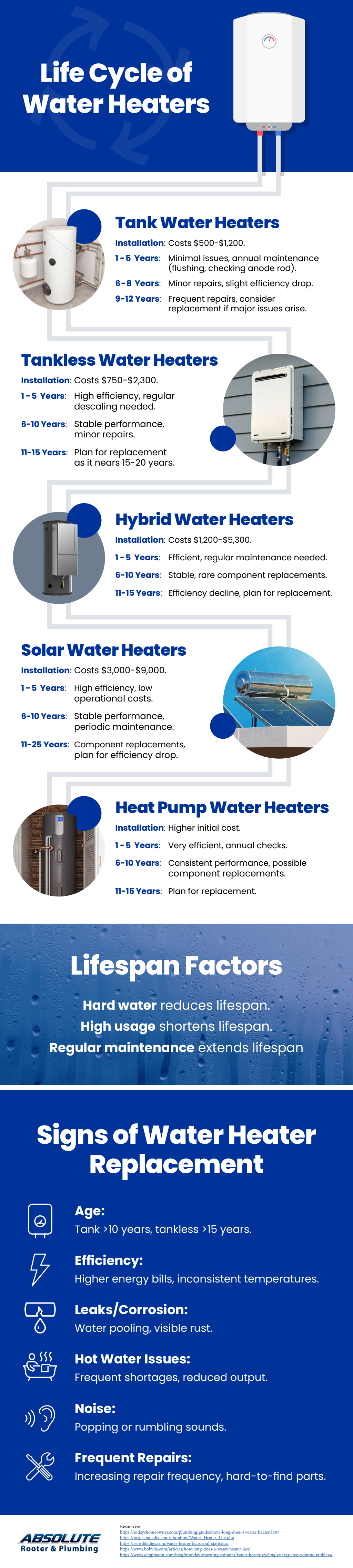
The typical water heater lasts between 8 and 12 years, although various factors can influence this range. Tankless water heaters, for example, tend to last longer—around 20 years—since they heat water on demand rather than storing it. Traditional tank-style water heaters experience wear over time, as minerals and sediment in water can accumulate, impacting efficiency.
Signs of Wear and When to Consider Replacement
As water heaters age, they often show warning signs. Reduced hot water availability, fluctuating temperatures, or rust-colored water could indicate that the tank is deteriorating. Another sign is unusual noises, such as banging or popping sounds, which may point to sediment buildup at the bottom of the tank. These issues often signal that it’s time for maintenance or, in some cases, a full replacement.
Regular inspections by a professional offering plumbing services can help identify early signs of trouble and recommend whether maintenance or replacement is the best option. Routine flushing of the tank to remove sediment can also extend the life of your water heater.
Choosing the Right Replacement
When the time comes to replace your water heater, consider factors like energy efficiency, household water needs, and cost. Tankless models are a good option for energy-conscious homeowners, while traditional tanks remain a reliable and budget-friendly choice for many families. Newer models often come with advanced insulation and heating technology, making them more efficient than older models and potentially lowering utility bills.
Understanding the life cycle of your water heater and knowing when to replace it are key to maintaining a steady supply of hot water and avoiding unexpected repairs. With the help of professional plumbing services, you can keep your system running smoothly and ensure that your home stays comfortable and efficient year-round.

The Hidden Dangers Of A Damp Home: Health Risks And Structural Concerns
A damp home is more than just a nuisance—it poses significant risks to both health and the structure of your property. From promoting mold growth to weakening building materials, dampness can cause serious issues if left untreated.
A damp home is more than just a nuisance—it poses significant risks to both health and the structure of your property. From promoting mold growth to weakening building materials, dampness can cause serious issues if left untreated.
Health Risks Associated with a Damp Home
One of the most immediate dangers of a damp home is its impact on health. Excess moisture provides an ideal environment for mold and mildew, which release spores into the air. These spores can aggravate respiratory issues, trigger allergies, and even lead to asthma, particularly in children and older adults. Prolonged exposure to mold and damp environments can also weaken the immune system, making residents more susceptible to infections and illnesses.
Structural Damage and Home Integrity
Dampness can gradually damage your home’s structure, especially if moisture seeps into walls, floors, and foundations. Wood and plaster absorb water over time, which can lead to rot and degradation of essential structural components. Left unchecked, dampness may even affect a property’s stability, especially in older homes. To safeguard a property’s structure, it's essential to identify and repair sources of dampness as soon as they arise.
Preventing and Addressing Dampness
Managing dampness effectively requires both prevention and remediation. Regularly inspecting and maintaining plumbing, roofing, and gutters can prevent water from infiltrating the home. When water damage is detected, addressing it promptly is crucial. Concrete construction services, for instance, can provide solutions like waterproofing foundations and repairing structural cracks to help keep moisture out.
Dampness not only diminishes the comfort of a home but also puts residents at risk and can lead to expensive repairs. A proactive approach—inspecting for water leaks, investing in dehumidifiers, and making necessary structural repairs—will help maintain a dry, healthy, and sturdy living space. Protecting your home from dampness is an investment in both its longevity and your well-being. To learn more, check out the resource below.

The Art Of Hardscaping And Softscaping: Creating Balanced Outdoor Spaces
Creating a beautiful and functional landscape is both an art and a science. Combining hardscaping and softscaping elements brings depth, texture, and balance to any outdoor area, transforming a simple yard into an inviting, cohesive space. By understanding how to integrate these elements effectively, homeowners can craft landscapes that are visually appealing and sustainable.
Creating a beautiful and functional landscape is both an art and a science. Combining hardscaping and softscaping elements brings depth, texture, and balance to any outdoor area, transforming a simple yard into an inviting, cohesive space. By understanding how to integrate these elements effectively, homeowners can craft landscapes that are visually appealing and sustainable.
What is Hardscaping?
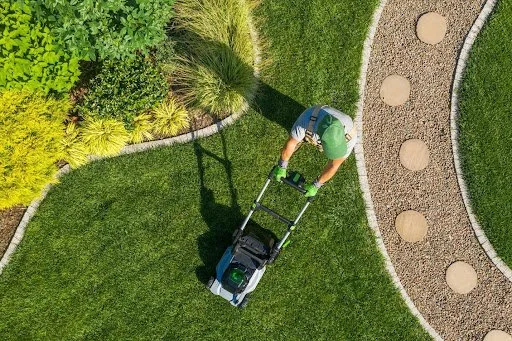
Hardscaping refers to the solid, non-living elements in a landscape. These include pathways, patios, retaining walls, decks, and decorative stone features. Hardscape structures provide functionality, guiding foot traffic, and defining spaces within your yard. Choosing the right materials for hardscaping—whether stone, brick, concrete, or wood—adds durability and character to your outdoor area. Features like fire pits, seating walls, and water fountains can also serve as focal points, drawing attention and enhancing the atmosphere.
The Role of Softscaping in a Landscape
Softscaping involves the living components of a landscape, such as plants, flowers, shrubs, and trees. These elements bring color, movement, and seasonal interest to an outdoor area. Plants not only contribute to the beauty of a yard but also play an essential role in improving air quality and supporting local wildlife. For a well-rounded approach, it’s essential to select plants that are suited to your region’s climate and soil type, ensuring they thrive year-round.
Working with an arborist in Beaverton, for example, can be beneficial if you’re planning to add trees to your landscape. Arborists can advise on native tree species that will flourish in local conditions, adding shade, privacy, and ecological value to your property.
Blending Hardscaping and Softscaping Elements
The key to a harmonious landscape lies in blending hardscaping and softscaping thoughtfully. Hardscape features should complement the natural flow of the garden, while softscape elements should enhance and soften the look of hard structures. For instance, placing flower beds along pathways or surrounding patios with lush greenery helps create a seamless transition between hard and soft elements.
Effective landscaping balances structure with nature, creating a space that’s both functional and inviting. By thoughtfully combining hardscaping and softscaping, homeowners can transform their outdoor areas into beautiful extensions of their homes, ready to be enjoyed in every season. For more information, look over the accompanying resource.


