

A resource for those seeking information on organizing and transforming spaces.

The Ultimate Checklist for Roof Maintenance Success
A well-maintained roof is essential for the safety, comfort, and value of any home or commercial building. It acts as the first line of defense against natural elements like rain, snow, wind, and sunlight. However, to ensure that your roof performs its job effectively over time, regular maintenance is crucial. Whether you're a homeowner or a property manager, understanding the key steps in roof maintenance can save you significant money in repairs and prolong the life of your roofing system. This guide will delve into the ultimate checklist for achieving success in roof maintenance with tips and insights.
A well-maintained roof is essential for the safety, comfort, and value of any home or commercial building. It acts as the first line of defense against natural elements like rain, snow, wind, and sunlight. However, to ensure that your roof performs its job effectively over time, regular maintenance is crucial. Whether you're a homeowner or a property manager, understanding the key steps in roof maintenance can save you significant money in repairs and prolong the life of your roofing system. This guide will delve into the ultimate checklist for achieving success in roof maintenance with tips and insights.
Conduct Regular Inspections
The first step towards effective roof maintenance is conducting regular inspections. Ideally performed twice a year—once in the spring and once in the fall—these inspections allow you to identify potential problems before they escalate into costly repairs. During an inspection, look for signs of wear and tear such as cracked or missing shingles, rust spots on flashing, and moss or algae growth. Utilize binoculars to examine hard-to-reach areas from a safe distance and consider hiring a professional like SL Construction if accessing certain parts requires specialized safety equipment. They’ll be able to give an exert report, noting if your roof is in good condition or needs immediate repair.
Address Minor Repairs Promptly
Once issues are identified during an inspection, addressing them promptly is crucial to preventing further damage. Small leaks can quickly become major water intrusion problems if left unchecked. Repairing cracked shingles or replacing missing ones helps maintain the integrity of your roof’s structure while preventing moisture from seeping through underlayment layers which could lead to mold growth or rot over time. For more extensive repair needs such as damaged flashing around chimneys or vents, seeking professional assistance like All Terrain Roofing ensures that repairs are done correctly.
Clean Your Roof
Regular debris removal from your roof is also critical for successful maintenance. Over time, leaves, branches, and other debris can build up and clog gutters and downspouts, preventing proper drainage. This buildup can also provide a breeding ground for pests like insects and rodents. In addition to cleaning gutters, remove any debris on the roof's surface as well. Be careful not to use pressure washers or harsh chemicals when cleaning as they can damage shingles.
Ensure Adequate Ventilation
Proper ventilation is essential for ensuring the longevity of your roofing system. Without adequate ventilation, hot air becomes trapped in the attic space, causing moisture buildup which could lead to mold growth and damage to the underlayment and roof deck. To ensure proper ventilation, make sure that all vents are clear of debris and functioning correctly. Consider installing a ridge vent or adding attic fans for improved air circulation.
Trim Overhanging Branches
Trees near your home can provide shade and enhance curb appeal, but they can also pose a threat to your roof's health if not adequately maintained. Overhanging branches can scrape against shingles, causing granule loss and potential damage. When trimming trees near your home, make sure to hire a professional arborist who understands how to trim without damaging the tree or risking injury.
Check for Signs of Pests or Wildlife Intrusion
Pests and wildlife can cause significant damage to your roof if not addressed promptly. Regularly check for signs of infestation, such as chewed wires, droppings, or nests on or near your roof. If you suspect an issue, contact a pest control specialist who can safely remove any pests and prevent future occurrences.
A well-maintained roof is crucial for the overall health and safety of your home or commercial building. By following this ultimate checklist for roof maintenance success, you can save yourself from costly repairs and ensure that your roofing system performs its job effectively for years to come. Remember to schedule regular inspections, address minor repairs promptly, clean your roof regularly, ensure proper ventilation, trim overhanging branches, and check for signs of pest or wildlife intrusion. With these simple steps, you can achieve success in maintaining your roof and protect your investment for the long term.

Benefits of Professional Mold Testing in San Marino for a Healthy Home
Mold testing in San Marino is crucial for maintaining a healthy and safe living environment.Mold is not just an eyesore; it poses significant health risks if left unchecked.From mild allergic reactions to severe respiratory problems, mold contamination can impact everyone in your home.
We partnered with a home improvement company for this post. The opinions in the post are honest. All reviews and opinions expressed in this post are based on our personal views. We are excited because we know you will love it.
Why Mold Testing Matters

Mold testing in San Marino is crucial for maintaining a healthy and safe living environment.
Mold is not just an eyesore; it poses significant health risks if left unchecked.
From mild allergic reactions to severe respiratory problems, mold contamination can impact everyone in your home.
Imagine walking into your basement and noticing a musty smell.
A San Marino resident, Lisa, had the same experience when she spotted discoloration on her walls after a heavy rainstorm.
She dismissed it at first, thinking it was just dirt.
A few weeks later, her young son began experiencing unexplained coughing fits.
Lisa called for professional mold testing in San Marino and discovered toxic black mold in her home.
That early intervention saved her family from prolonged exposure to harmful spores.
You can avoid similar situations by proactively addressing mold concerns.
Signs You Might Need Mold Testing
Certain telltale signs indicate a mold issue may be brewing in your home.
If you’ve noticed any of the following, it’s time to consider a professional inspection:
Persistent musty odors in specific rooms.
Unexplained health symptoms like sneezing, headaches, or skin irritation.
Water stains or discoloration on walls, ceilings, or floors.
Recurring condensation on windows.
Previous water damage or flooding incidents.
Take James, for example, a homeowner in San Marino who overlooked water stains near his air vents.
Months later, he developed chronic sinus infections.
A mold test revealed mold colonies growing within his HVAC system, spreading spores throughout his house.
How Mold Testing Works
Professional mold testing involves more than just a visual inspection.
Experts use advanced tools to identify the type and concentration of mold present.
Air Sampling: Collects mold spores from the air to determine indoor air quality.
Surface Testing: Swabs or tapes are used to collect samples from visible mold patches.
Moisture Mapping: Identifies hidden damp areas where mold may thrive.
Laboratory Analysis: Samples are analyzed in specialized labs to confirm mold species and severity.
When Sam hired a professional mold inspector after experiencing repeated asthma attacks, he was surprised to learn mold was hidden behind his bathroom tiles.
This detailed process uncovered the root cause, enabling effective remediation.
Why DIY Mold Testing Falls Short
While DIY mold testing kits are widely available, they often provide incomplete or inaccurate results.
A common misconception is that a positive result confirms dangerous mold.
However, without professional interpretation, you might miss critical context, such as:
Differentiating between toxic and non-toxic mold species.
Understanding whether the mold level poses a health risk.
Locating hidden mold sources in your home.
Sarah, a San Marino renter, tried a DIY kit after noticing black spots on her kitchen ceiling.
The results left her confused, prompting her to seek professional help.
An expert identified a leaky pipe behind her wall as the source of contamination, something her DIY test couldn't pinpoint.
Long-Term Benefits of Professional Mold Testing
Investing in professional mold testing provides peace of mind and safeguards your home.
Health Protection: Mold spores can exacerbate asthma, allergies, and other respiratory conditions.
Property Value Maintenance: Mold damage can significantly reduce the resale value of your home.
Preventive Maintenance: Early detection helps avoid costly repairs in the future.
Tailored Solutions: Experts recommend targeted remediation strategies based on testing results.
When Laura sold her San Marino home, a potential buyer requested a mold inspection.
Thanks to her proactive approach, her property was mold-free, and the sale went smoothly.
How to Choose a Reliable Mold Testing Service
Selecting the right professional for mold testing ensures accurate results.
Look for companies that offer:
Certifications and licenses in mold inspection.
Positive customer reviews and testimonials.
Transparent pricing and clear communication.
Advanced testing equipment and detailed reports.
When Eric faced mold issues in his newly purchased San Marino home, he researched local experts and found a certified mold inspector.
The thorough testing gave him the confidence to move forward with remediation.
Preventing Mold Growth After Testing
Mold testing is only the first step.
Preventing future mold requires consistent maintenance and vigilance.
Fix Water Leaks Promptly: Address leaky roofs, pipes, or windows immediately.
Maintain Proper Ventilation: Use exhaust fans in bathrooms and kitchens to reduce moisture.
Control Indoor Humidity: Keep humidity levels below 50% using dehumidifiers.
Regular Cleaning: Clean and dry areas prone to moisture buildup, such as basements and crawl spaces.
Homeowner Maria implemented these steps after her mold remediation process.
Years later, her San Marino property remains mold-free, proving that prevention pays off.
Closing Thoughts
Mold testing in San Marino is not just a precaution; it’s an investment in your family’s health and safety.
Whether you’re noticing early signs of mold or have experienced water damage, acting quickly can make all the difference.
Professional mold testing services provide the clarity and solutions you need to protect your home.
Take charge today to ensure a clean, healthy living space for years to come.

How to Ensure a Safe and Sanitary Workplace
Creating a safe and sanitary workplace is essential for the well-being of employees, clients, and visitors. A clean and organised environment not only boosts morale but also helps prevent illnesses and accidents, reducing downtime and improving overall productivity. In a world where hygiene standards are increasingly prioritised, ensuring that your workplace remains safe, clean, and hygienic is more important than ever.
We partnered with a cleaning company for this post. The opinions in the post are honest. All reviews and opinions expressed in this post are based on our personal views. We are excited because we know you will love it.

Creating a safe and sanitary workplace is essential for the well-being of employees, clients, and visitors. A clean and organised environment not only boosts morale but also helps prevent illnesses and accidents, reducing downtime and improving overall productivity. In a world where hygiene standards are increasingly prioritised, ensuring that your workplace remains safe, clean, and hygienic is more important than ever.
Whether you’re managing an office, a retail store, or a larger industrial facility, establishing effective cleaning protocols and encouraging good habits can make a big difference. If you’re looking to elevate workplace cleanliness, consider partnering with hygiene services to maintain the highest standards of sanitation. Here’s a comprehensive guide on how to create and uphold a safe and sanitary work environment for everyone involved.
1. Start with a Clean Workplace Culture
Creating a culture of cleanliness is the foundation of a safe and sanitary workplace. When everyone understands the importance of maintaining a clean environment, employees are more likely to take responsibility for their work areas and support company hygiene goals.
Promote Cleanliness as a Team Effort
Encourage employees to take an active role in keeping their workspace clean. This can be done through gentle reminders, clear expectations, and regular discussions about the benefits of cleanliness. When cleanliness is embedded in workplace culture, employees are more likely to make it a priority.
Provide Clear Guidelines
Set clear guidelines and expectations around cleanliness and hygiene. A well-documented hygiene policy can help clarify roles and responsibilities, ensuring that all staff members understand how to contribute to a safe workplace. This policy might include daily, weekly, or monthly cleaning tasks and instructions on waste disposal, personal hygiene, and shared space etiquette.
2. Ensure Regular Cleaning and Sanitising
Regular cleaning and sanitising are essential for preventing the spread of germs and maintaining a sanitary workplace. High-touch surfaces, in particular, should be cleaned and sanitised frequently, as they are most likely to harbour bacteria and viruses.
Create a Cleaning Schedule
A cleaning schedule ensures that every area of the workplace is cleaned and sanitised regularly. High-traffic areas like entrances, bathrooms, kitchens, and break rooms should be cleaned daily, while other areas can be cleaned on a weekly or monthly basis. Assign responsibilities to staff or cleaning services to maintain consistency.
Stock Up on Cleaning Supplies
Make sure the workplace is well-stocked with essential cleaning supplies, such as disinfectants, wipes, hand sanitiser, and gloves. Placing these items in accessible areas encourages staff to clean up after themselves and sanitise shared surfaces regularly.
3. Emphasise the Importance of Hand Hygiene
Hand hygiene is one of the most effective ways to reduce the spread of germs and maintain a sanitary workplace. Encouraging proper handwashing habits is crucial, particularly in high-contact environments like kitchens, bathrooms, and workspaces with shared equipment.
Provide Hand Sanitiser Stations
Place hand sanitiser stations at key locations, such as entrances, bathrooms, and communal areas. Alcohol-based hand sanitisers are effective at killing germs, making them a convenient option for when soap and water aren’t readily available. By making hand sanitiser accessible, you’re promoting good hygiene habits and helping to reduce germ transmission.
Educate on Proper Handwashing Techniques
Post visual guides on proper handwashing techniques in bathrooms to remind staff of the importance of thorough handwashing. Employees should wash their hands for at least 20 seconds, especially before and after eating, using the bathroom, and handling shared items. Regular handwashing is an easy but powerful habit that contributes to a sanitary workplace.
4. Maintain Clean and Well-Stocked Bathrooms
Bathroom cleanliness plays a significant role in maintaining a safe and sanitary workplace. A clean, well-stocked bathroom reduces the risk of germ transmission and helps employees feel comfortable in their environment.
Clean Bathrooms Frequently
Bathrooms should be cleaned at least once a day, and more often in high-traffic workplaces. Regular cleaning keeps bathrooms fresh, hygienic, and free from unpleasant odours. Ensuring that toilets, sinks, and other fixtures are sanitised will help reduce the spread of germs.
Keep Essentials Stocked
Make sure bathrooms are stocked with essentials like hand soap, paper towels, and toilet paper. Empty or poorly stocked bathrooms can lead to frustration and may encourage employees to neglect hygiene. Regularly checking and restocking bathroom supplies is a small but important step toward maintaining a sanitary workplace.
5. Provide Clean, Well-Maintained Workstations
Employee workstations are personal spaces, but they can still harbour germs and dust. Keeping these areas clean is important not only for employee health but also for overall morale and productivity.
Encourage a Tidy Desk Policy
A tidy desk policy encourages employees to keep their workspaces organised and free from clutter. This policy might involve clearing desks at the end of each day and wiping down surfaces regularly. By keeping workstations tidy, employees are less likely to spread germs and are more motivated to maintain cleanliness.
Offer Desk Cleaning Supplies
Providing employees with cleaning supplies like wipes or sprays allows them to clean their own desks regularly. A quick wipe-down each day can make a big difference, especially for desks that have high-contact items like keyboards, phones, and mice.
6. Promote Safe Food Handling Practices
If your workplace has a communal kitchen or break area, it’s essential to establish safe food handling practices to prevent cross-contamination and maintain hygiene.
Educate Employees on Food Safety
Encourage employees to store and handle food safely. This includes keeping perishable items in the refrigerator, using separate containers, and not leaving food out for extended periods. Posting reminders on safe food handling can help reduce the risk of bacteria and foodborne illnesses.
Clean Kitchen Appliances and Utensils Regularly
Make sure that kitchen appliances, such as microwaves, fridges, and coffee machines, are cleaned regularly. Dirty appliances can quickly become breeding grounds for bacteria, so it’s essential to include these in the regular cleaning schedule. Ensure that cutlery, dishes, and other utensils are washed after each use to prevent cross-contamination.
7. Ventilation and Air Quality
Good air quality and ventilation are critical for a safe and healthy workplace. Poor ventilation can contribute to respiratory issues and the spread of airborne illnesses.
Ensure Proper Ventilation
Regularly opening windows, using fans, or investing in air purifiers can help improve air circulation and remove impurities from the air. If your workplace uses air conditioning, schedule regular maintenance to ensure that filters are clean and functioning properly. Good ventilation reduces the risk of airborne infections and contributes to a fresher, healthier workplace environment.
Monitor Humidity Levels
Maintaining the right humidity levels can also support air quality. Excess humidity encourages mould and mildew growth, while very low humidity can irritate respiratory passages. Aim for a balanced humidity level between 30% and 50%, which helps create a comfortable and healthy indoor atmosphere.
8. Regular Training and Updates
A safe and sanitary workplace requires ongoing commitment and education. Regular training keeps employees informed about new hygiene protocols, best practices, and any changes in safety regulations.
Conduct Periodic Training Sessions
Hold training sessions to remind employees of workplace hygiene standards and demonstrate proper cleaning techniques. These sessions can cover everything from handwashing to safe food handling, empowering employees to maintain a clean and safe environment.
Update Policies as Needed
Hygiene and safety protocols should be updated regularly to reflect new knowledge, technology, or guidelines from health authorities. Staying current with these updates helps ensure that your workplace remains a safe and sanitary space for everyone.
Final Thoughts: A Healthier, Safer Workplace for All
Ensuring a safe and sanitary workplace is an ongoing effort that involves everyone, from management to employees. By fostering a culture of cleanliness, establishing regular cleaning routines, and providing the necessary tools and training, you can create a work environment that promotes health, safety, and well-being. The positive impact on morale, productivity, and overall satisfaction is well worth the effort, as a clean workplace contributes to a happier, healthier workforce.
When hygiene becomes a shared priority, you’re not only reducing the risk of illness but also demonstrating care for the people who make your business thrive. So, take proactive steps today to build a workplace where everyone feels safe, valued, and motivated to do their best. A clean, safe environment isn’t just good for business—it’s a commitment to everyone’s health and happiness.
5 Smart Ways to Avoid Overpaying for AC Repairs
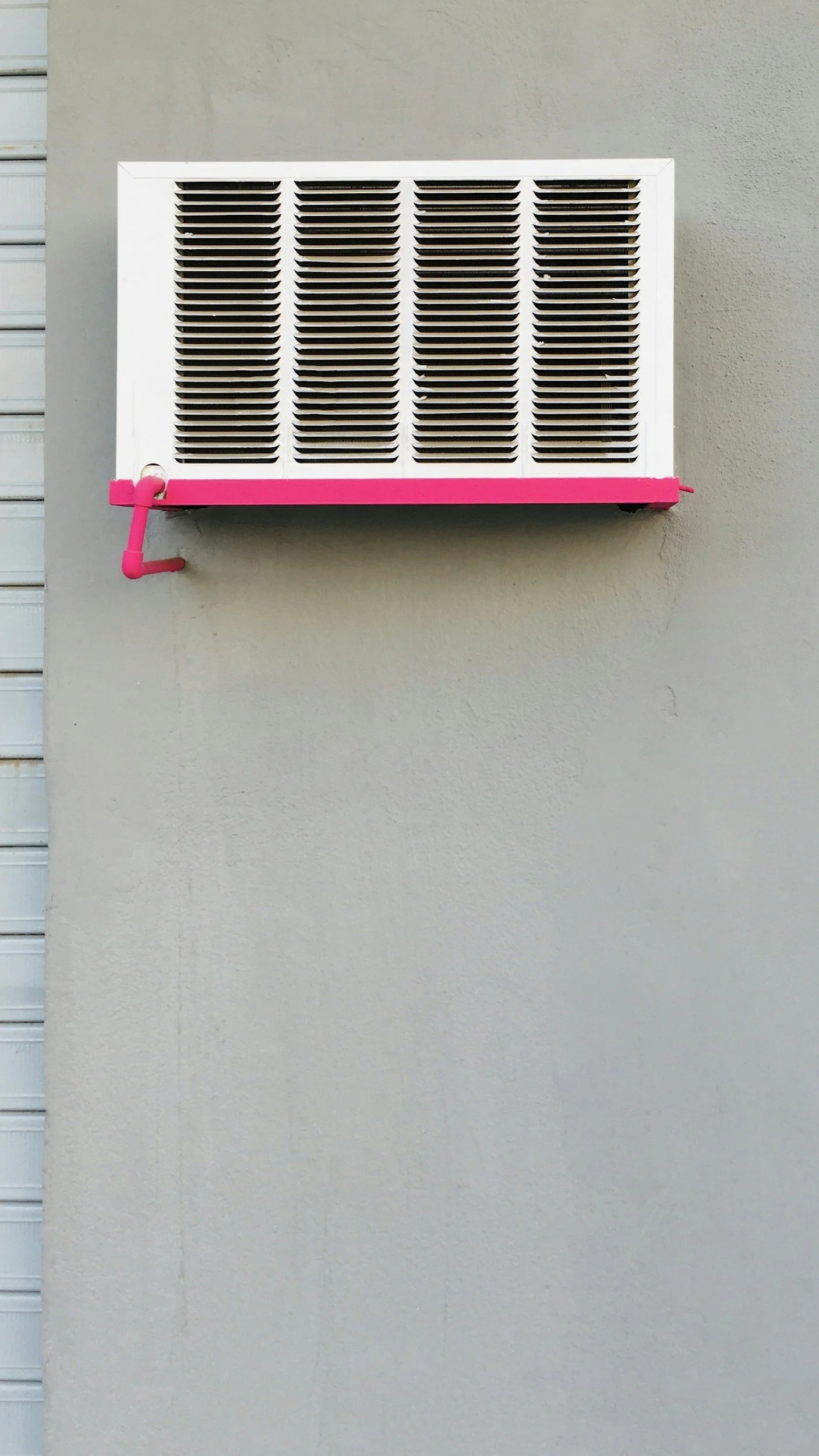
Keeping your air conditioning system in good shape is vital for a comfortable home. Yet, many families end up overpaying for repairs due to avoidable mistakes. Whether it’s a sudden breakdown during peak summer or unexpected service bills, overspending on repairs is frustrating.

Keeping your air conditioning system in good shape is vital for a comfortable home. Yet, many families end up overpaying for repairs due to avoidable mistakes. Whether it’s a sudden breakdown during peak summer or unexpected service bills, overspending on repairs is frustrating.
The good news? You can avoid inflated repair costs by being informed and proactive. Below, you'll discover five smart strategies to help you save money and ensure your AC remains in top condition.
Choose a Reliable, Reputable HVAC Company
One of the easiest ways to save money on AC repairs is by picking the right service provider. A trustworthy company isn’t just about affordability; it’s about efficiency, professionalism, and a commitment to helping you understand your repair options.
How do you spot such a provider? Look for HVAC companies with glowing reviews, testimonials that showcase consistent customer satisfaction, and technicians who prioritize educating homeowners. A reliable team will assess your situation accurately, offering solutions without upselling unnecessary services.
Start by doing your research—check online reviews on Google, Yelp, or Better Business Bureau, and don’t hesitate to ask your friends or neighbors for recommendations. A company that values transparency will make all the difference in avoiding hidden costs.
Stay on Top of Routine Maintenance
Regular preventative maintenance is essential for keeping your system efficient and minimizing repair costs. Just like your car needs routine checkups to run smoothly, your AC thrives on periodic inspections.
An annual tune-up can help prevent small issues from snowballing into expensive repairs. During a professional service visit, the technician will clean filters, check refrigerant levels, inspect electrical connections, and ensure all components are functioning properly. These proactive steps help minimize wear and tear, resulting in fewer breakdowns.
Additionally, simple maintenance tasks like changing filters regularly (every 1-3 months, depending on usage) or inspecting the outdoor unit for debris can save you money in the long run.
Compare Prices and Get Multiple Estimates
It’s easy to panic when your AC suddenly stops working during the hottest days of summer. However, your wallet will thank you if you take a moment to compare service quotes. Many families overpay because they go with the first estimate they receive without considering other options.
Reputable HVAC companies will provide clear breakdowns of costs, including labor, parts, and any additional fees. When obtaining multiple estimates, pay attention not only to the quoted price but also to the details. The cheapest option isn’t always the best; prioritize companies that explain their recommendations clearly and that use high-quality parts.
Comparison shopping will give you insight into standard repair pricing in your area, helping you make an informed decision without emptying your wallet.
Don’t Delay Repairs
When you notice your AC making strange noises, blowing warm air, or cycling frequently, it might be tempting to ignore the problem and hope it fixes itself. Unfortunately, delaying repairs often results in bigger, more expensive issues.
For example, a small refrigerant leak can place additional strain on the compressor when left unchecked, ultimately shortening its lifespan. Similarly, clogged filters and neglected coils force the system to work harder, leading to higher energy bills and potential equipment failure.
Addressing minor problems as soon as they arise ensures affordable repair costs while extending the lifespan of your air conditioner. If you’re unsure about a possible issue, contacting an expert early is always a wise move.
Understand Your AC System
Knowledge is power, and the more you know about your AC system, the less likely you are to overpay for repairs. A basic understanding of how your air conditioner works can help you recognize potential problems and ask the right questions when consulting an HVAC professional.
For example, familiarize yourself with common AC components like the compressor, evaporator coils, condenser, and refrigerant lines. If a technician explains a specific repair, understanding the basics of these parts can help you gauge whether their diagnosis makes sense.
Additionally, some HVAC companies are passionate about educating customers as part of their service. Look for providers who guide you through their repair process, explain costs, and offer tips to maintain your system. This approach fosters trust and ensures you’re never paying for unnecessary work.
Final Thoughts
Keeping your air conditioner in top condition doesn’t have to mean overpaying for repairs. By selecting a reputable HVAC company, staying proactive about maintenance, and understanding your system, you’ll save money while maintaining a cool and comfortable home for your family.
If you’re looking for a team that values efficiency, professionalism, and customer education, consider reaching out to a trusted local HVAC provider like Firehouse Heating & Air today.

