

A resource for those seeking information on organizing and transforming spaces.
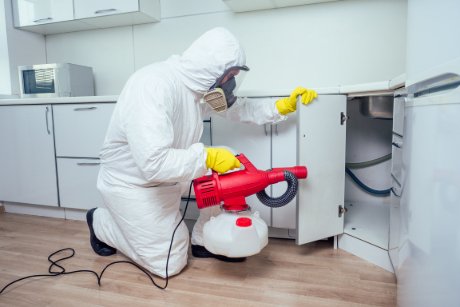
5 Pests to Remove from Your Home and How to Do It
Your home should be a safe and comfortable space, but pests can quickly disrupt your sense of peace. From rodents and insects to stinging pests, uninvited guests can cause structural damage, spread diseases, and create serious discomfort. Here’s a closer look at five common pests—mice, rats, cockroaches, bees, and wasps—including how to identify them, the problems they cause, and how to get rid of them.
Your home should be a safe and comfortable space, but pests can quickly disrupt your sense of peace. From rodents and insects to stinging pests, uninvited guests can cause structural damage, spread diseases, and create serious discomfort. Here’s a closer look at five common pests—mice, rats, cockroaches, bees, and wasps—including how to identify them, the problems they cause, and how to get rid of them.
Mice
Mice are small yet persistent rodents that can enter your home through the tiniest openings, making them one of the most common household pests. Beyond being a nuisance, they pose serious risks by chewing through wires and increasing the chance of electrical fires, contaminating food with droppings, and spreading diseases like Hantavirus. Common signs of a mouse infestation include small, dark droppings, gnawed materials, and scratching noises in walls or ceilings, particularly at night. To prevent mice, seal all gaps in walls and foundations using steel wool and caulk, store food in airtight containers, and maintain a clean home. For removal, snap traps, bait stations, or humane traps can be used effectively, while natural remedies like peppermint oil or fresh mint placed near entry points can deter them. However, in cases of severe infestations, it’s best to call a professional exterminator to identify access points and establish a long-term pest management plan.
Rats
Rats are larger and more destructive than mice, making them a particularly unwelcome pest in any home. They are known to spread diseases such as leptospirosis and salmonella, and their aggressive chewing can damage wiring, insulation, and furniture. Signs of a rat infestation include larger droppings, greasy rub marks along walls, gnawed materials, and a strong, musky odor. To prevent rats, seal holes larger than a quarter of an inch, keep your home free of food debris, regularly empty trash bins, and secure outdoor food sources like birdseed. For removal, tamper-proof bait stations and snap traps placed near suspected nesting areas are effective, and ultrasonic repellents may help deter them. However, if these methods fail, professional pest control services are recommended, as they can deploy advanced baiting and exclusion tactics to effectively resolve the issue.
Cockroaches
Cockroaches are highly resilient pests that thrive in warm, moist environments like kitchens and bathrooms, making them a common household nuisance. These pests can spread bacteria that cause foodborne illnesses, contaminate food with their droppings, and even trigger asthma and allergy symptoms. Signs of an infestation include small, black droppings, egg casings, shed skins, and a musty, oily odor. You might also catch them scurrying away when the lights are turned on. To prevent cockroaches, maintain a clean home, avoid leaving food or water out, tightly seal trash, and promptly repair any leaks. For removal, gel baits, sticky traps, and insecticide sprays can be effective in targeting hiding spots under sinks and behind appliances, while boric acid serves as a natural alternative in hard-to-reach areas. However, severe infestations often require professional pest control services to eliminate not only the adult insects but also their eggs, ensuring long-term relief.
Bees
Bees are essential to the ecosystem, but their presence in or near your home can pose risks, especially for individuals allergic to their stings. While generally non-aggressive, a large hive can become hazardous if disturbed, and bees nesting in walls or roofs may cause structural damage over time. Signs of infestation include bees flying in and out of a specific area, such as a wall or tree, or faint buzzing sounds inside your home. To prevent bees, seal cracks and gaps where they might establish nests and monitor outdoor areas for early hive formation. For small, manageable hives, contacting local beekeepers for safe relocation is a sustainable option. Avoid using DIY sprays, as these can harm beneficial pollinators. For larger or hard-to-reach hives, it’s best to enlist a professional pest control service, someone like Nelson's Bee Removal, experienced in safe bee removal.
Wasps
Wasps are aggressive pests capable of stinging multiple times, making them a hazardous presence around homes, especially for individuals allergic to their venom. Their nests often appear under eaves, in attics, or on trees, and frequent wasp sightings near your home are a clear sign of infestation. To prevent wasps, keep food and drinks covered while dining outdoors, avoid wearing strong perfumes that attract them, and use natural deterrents like peppermint oil. For small nests, commercial wasp sprays can be used at dawn or dusk when wasps are less active, or you can create a natural trap with sugar water and a plastic bottle. However, large or hard-to-reach nests should always be handled by professional pest control services to ensure safe and effective removal.
Managing pests at home requires vigilance, routine maintenance, and actionable strategies. While prevention is key, effective methods for removal—whether DIY or professional—can restore peace in your living space. Addressing pest infestations early ensures your home remains secure, clean, and pest-free.

9 Essential House and Yard Tasks for Every Australian Homeowner
Life down under is a dream for many of us, but being a homeowner in Australia comes with its own set of responsibilities. From keeping your house clean and well-maintained to maintaining the health and beauty of your yard, there are many tasks that should be on every Australian homeowner's to-do list. In this article, we'll go over nine essential tasks that every homeowner should prioritize for a comfortable and worry-free living experience.
Life down under is a dream for many of us, but being a homeowner in Australia comes with its own set of responsibilities. From keeping your house clean and well-maintained to maintaining the health and beauty of your yard, there are many tasks that should be on every Australian homeowner's to-do list. In this article, we'll go over nine essential tasks that every homeowner should prioritize for a comfortable and worry-free living experience.
Regular Cleaning and Maintenance
Keeping your home clean and well-maintained is not only important for aesthetic reasons, but also for the health and safety of you and your family. Regular cleaning not only keeps your house looking good, but it also helps prevent the build-up of dirt, dust, and allergens that can cause health issues. Additionally, regular maintenance tasks such as checking and changing air filters, cleaning gutters, and inspecting for any potential repairs can help protect your home from damage and save you money in the long run.
Pest Control
Australia is known for its diverse wildlife, including some unwanted visitors that can make their way into our homes. As a homeowner, it's vital to stay on top of pest control to prevent infestations and minimize potential damage to your property. This could include regularly checking for signs of termites or rodents, setting up traps or baits, and sealing any entry points around your house.
If a dangerous animal, such as a snake or spider, wanders onto your property, do your best to remain calm and call the appropriate authorities. In Australia, most areas have dedicated wildlife rescue organizations that can safely remove and relocate the animal. Don't forget to educate yourself and your family on how to handle encounters with these types of animals and take precautions to prevent them from entering your property in the future.
As an additional precaution, consider installing a durable fence. A good fence not only adds to the aesthetic appeal of your property, but also serves as an important security feature. With Australia's hot and sometimes unpredictable weather conditions, you'll want to invest in a fence that can withstand harsh winds, heavy rain, and extreme temperatures. Additionally, a sturdy fence, such as one from Sureline Fencing, can help keep unwanted animals out of your yard and protect your privacy. When choosing a fence for your property, consider materials such as steel or aluminum that are known for their durability and longevity.
Fire Safety Precautions
With Australia's hot and dry climate, bushfires are a common occurrence and can pose a serious threat to homes. As a homeowner, you'll want to take fire safety precautions seriously by keeping your property clear of flammable materials, having an evacuation plan in place, and regularly maintaining smoke alarms and fire extinguishers.
Energy Efficiency
Not only is being energy-efficient good for the environment, but it can also save you money on utility bills. Simple tasks such as switching to energy-efficient light bulbs and appliances, installing insulation, and sealing any drafts around windows and doors can make a big difference in reducing your home's energy consumption.
According to the Australian government's YourEnergySavings website, homeowners can save up to $130 per year just by switching from regular light bulbs to energy-efficient ones. Additionally, proper insulation and weather sealing can save up to 20% on your heating and cooling costs. With energy prices constantly on the rise, being mindful of your energy usage not only benefits your wallet but also helps reduce Australia's overall carbon footprint.
Lawn Care
The yard is often an extension of our homes, so you'll want to maintain its health and appearance. Regular mowing, watering, fertilizing, and weeding can help keep your lawn looking lush and green. Don't forget to regularly inspect for any pest or disease infestations and address them promptly to prevent further damage.
Garden Maintenance
If you have a garden, it requires regular maintenance as well. This could include pruning plants, pulling weeds, mulching, and fertilizing. Not only does this help keep your garden looking beautiful, but it also promotes plant growth and helps prevent diseases.
In addition to regular lawn care and garden maintenance, it's important for homeowners to keep junk out of their yards to prevent pest infestations and maintain curb appeal. Piles of debris or clutter can attract pests such as rodents, ants, and cockroaches, which can damage your property and create health hazards. Not only does a clean and well-maintained yard look more appealing, but it also shows that you take pride in your home and care about its overall upkeep.
Roof Inspection
Your roof is the first line of defense against the elements, so you'll want to make sure it's in good condition. Performing regular inspections can help identify any potential issues such as leaks, cracks, or damaged shingles. Don't neglect to clean your gutters regularly to prevent clogs and water damage.
Air Conditioner Maintenance
In Australia's hot climate, air conditioning is a must for many homeowners. To ensure it continues to work efficiently and avoid costly repairs, try to have regular maintenance performed on your air conditioner. This could include cleaning or replacing filters, checking for refrigerant leaks, and inspecting the unit for any signs of wear and tear.
Tree Trimming
If you have trees on your property, be sure to regularly trim them to maintain their health and prevent potential hazards. Overgrown branches can pose a threat to your home and power lines, and diseased or dead trees can also pose safety risks. Consider hiring a professional for larger trees or if you are unsure of how to properly trim them yourself.
As an Australian homeowner, it's important to stay on top of these essential tasks in order to maintain the beauty, health, and safety of your home. By prioritizing regular cleaning and maintenance, pest control, fire safety precautions, energy efficiency measures, lawn and garden care, roof inspections, air conditioner maintenance, and tree trimming, you can ensure that your home remains a comfortable and worry-free haven for you and your family.

Tips for Safe and Efficient Electrical Repairs at Home
Electrical repairs can be a daunting task for homeowners. While it may be tempting to try fixing things on your own, electrical work requires caution and care.
We partnered with an home improvement company for this post. The opinions in the post are honest. All reviews and opinions expressed in this post are based on our personal views. We are excited because we know you will love it.
Electrical repairs can be a daunting task for homeowners. While it may be tempting to try fixing things on your own, electrical work requires caution and care.
Whether you're dealing with a faulty outlet, a tripped circuit, or a light fixture that won't turn on, knowing how to handle electrical repairs safely and efficiently is key. Here are some tips to help you get the job done right without putting yourself or your home at risk.
Turn Off the Power
Always switch off the circuit breaker to cut power before beginning any electrical repairs. This step is crucial to ensure your safety. Even with common electrical issues, such as replacing a light switch, it's important to disconnect the power supply.
If you're unsure which circuit controls the area you're working on, it's safer to turn off the main power switch. Using a voltage tester can help confirm that the power is off and that there's no electrical current running through the wires.
Understand the Problem
Before diving into home electrical maintenance, take some time to understand the problem you are facing. If a circuit breaker keeps tripping, it could be a sign of an overloaded circuit, a short circuit, or a problem with the breaker itself.
Similarly, if a light fixture isn't working, the issue could be a loose connection or a burned-out bulb. Diagnosing the problem correctly will help you decide what steps to take. If you're not sure what the issue is, it may be best to call a professional electrician.
Use the Right Tools
Using the correct tools for the job is essential for both safety and efficiency. Ensure you have the right equipment, such as insulated screwdrivers, wire cutters, pliers, and a voltage tester. These tools are designed to protect you from electrical shock while working.
Having the proper tools will not only make the repair easier but will also help you avoid causing damage to the electrical components in your home. If you're unsure about which tools to use or need assistance with more complex repairs, it may be a good idea to consult a residential contractor who can provide expert guidance.
Follow Proper Wiring Techniques
When making electrical repairs, it's important to follow proper wiring techniques. Always make sure that wires are securely connected, and never leave any exposed wiring. If you're replacing a switch or outlet, ensure that the new one matches the electrical rating of the old one.
Test the Repair
Once you've completed the repair, it's important to test your work before you consider the job finished. Turn the power back on at the circuit breaker and check if everything is working as it should. If the repair involves a light fixture, check that the light is turning on and off correctly.
Electrical Repairs: Know Your Limits
Electrical repairs can be dangerous if not done properly. While it's great to be hands-on around the house, always remember to prioritize safety. If you're ever unsure about a repair or feel uncomfortable working with electricity, it's best to contact a licensed electrician.
By following these tips and knowing when to call for help, you can safely handle basic electrical repairs and keep your home running smoothly.
For more on this content, visit the rest of our blog!

4 Signs It’s Time to Seek Professional Help for Your Clogged Drain
Dealing with a clogged drain can often seem like a minor inconvenience that might not warrant immediate professional attention. However, there are times when a simple plunger or DIY solution just won’t cut it and the problem persists—or even worsens. Ignoring these signs can turn an easily manageable issue into a costly and time-consuming project. Recognizing when it’s time to call in the experts can save you from unnecessary stress and expense in the long run. So, how do you know when it's time to put down the snake tool and pick up the phone? Here are four telltale signs that indicate it’s time to seek professional help for your clogged drain.
Dealing with a clogged drain can often seem like a minor inconvenience that might not warrant immediate professional attention. However, there are times when a simple plunger or DIY solution just won’t cut it and the problem persists—or even worsens. Ignoring these signs can turn an easily manageable issue into a costly and time-consuming project. Recognizing when it’s time to call in the experts can save you from unnecessary stress and expense in the long run. So, how do you know when it's time to put down the snake tool and pick up the phone? Here are four telltale signs that indicate it’s time to seek professional help for your clogged drain.
Persistent Clogs Despite DIY Efforts
One of the most obvious signals that your plumbing issues need expert intervention is when clogs become persistent despite repeated attempts at home remedies. If you've used every trick in the book—plungers, chemical drain cleaners, homemade solutions—and still find yourself dealing with slow or standing water, it's likely that your clog is deeper within the plumbing system than what you can reach on your own. This could be due to buildup from years of soap scum, grease, hair, or even more significant obstructions like tree roots infiltrating underground pipes. A professional plumber, like those at Calhoun Plumbing, has access to advanced tools such as hydro-jetting equipment and specialized cameras which can effectively address these stubborn blockages.
Unpleasant Odors Emanating from Drains
Another clear indication that it might be time to call in a professional is if you're noticing foul odors coming from your drains. These smells often result from decomposing organic material trapped inside pipes which can signify a more severe blockage issue. While certain DIY methods may offer temporary relief by masking odors, they won't eliminate the root cause of the smell—the actual obstruction itself. Professional plumbers have both the expertise and equipment necessary to thoroughly clean out drains and ensure proper flow, thereby eliminating these unpleasant scents permanently.
Multiple Slow Drains Throughout Your Home
If you're experiencing slow drains in multiple areas of your home, it's likely that there is a larger issue at play. While a single clogged drain may be manageable with DIY methods, having multiple slow drains can indicate a more severe problem within your plumbing system. It could be an issue with the main sewer line or even an underground pipe collapse. In either case, seeking professional help is crucial to properly diagnose and address the root cause of the issue before it becomes a major headache.
Water Backing Up Into Other Fixtures
Perhaps one of the most concerning signs that it's time to seek professional help for your clogged drain is water backing up into other fixtures. For example, if flushing the toilet causes water to come up in your shower or bathtub, this is a clear sign that there is a blockage in the main sewer line. This issue can quickly escalate and lead to sewage backing up into your home, causing extensive damage and posing health risks. A professional plumber can use specialized equipment to locate and remove the obstruction before it becomes a major disaster.
While minor clogs can often be resolved with simple DIY methods, persistent clogs, foul odors, multiple slow drains throughout your home, and water backing up into other fixtures are clear signs that it's time to seek professional help for your clogged drain. Ignoring these warning signs can lead to more significant issues down the road, causing unnecessary stress and expenses. By recognizing these signs and calling in a professional plumber, you can address the root cause of the issue and prevent further damage to your plumbing system. Don't wait until it's too late—seeking professional help for your clogged drain is always the best course of action for long-term peace of mind. So next time you’re facing a stubborn clog, remember these four signs and don’t hesitate to reach out to a trusted plumbing professional. Your drains (and wallet) will thank you!

