

A resource for those seeking information on organizing and transforming spaces.

The Importance of Regular Heating Maintenance for Optimal Comfort
With winter's cold setting in, the need for a reliable heating system quickly becomes apparent. Yet, it's all too easy to overlook the regular maintenance that keeps our systems running efficiently and safely. Regular heating maintenance is not just a matter of convenience; it’s an essential aspect of ensuring your home remains comfortable during the cold months. In this blog post, we’ll explore why regular heating maintenance should be a priority in your household, how it impacts your comfort and energy bills, and what you can do to keep your heating system in prime condition.
With winter's cold setting in, the need for a reliable heating system quickly becomes apparent. Yet, it's all too easy to overlook the regular maintenance that keeps our systems running efficiently and safely. Regular heating maintenance is not just a matter of convenience; it’s an essential aspect of ensuring your home remains comfortable during the cold months. In this blog post, we’ll explore why regular heating maintenance should be a priority in your household, how it impacts your comfort and energy bills, and what you can do to keep your heating system in prime condition.
The Basics of Heating Maintenance
Heating systems are complex machines comprising numerous components that work together to generate and distribute heat throughout your home. Over time, these components can wear down or become clogged with dust and debris, which can lead to inefficiencies or even system failures. Regular maintenance helps identify potential issues before they escalate into costly repairs or replacements. During a routine check-up, HVAC professionals clean filters, inspect electrical connections, lubricate moving parts, and ensure everything is operating smoothly. This not only prolongs the life of your equipment but also enhances its efficiency.
The Cost-Effectiveness of Preventive Care
One of the most compelling reasons for adhering to regular heating maintenance schedules is cost-effectiveness. While it may seem like an unnecessary expenditure at first glance, neglecting routine upkeep can lead to bigger expenses down the line. For instance, a small issue like a dirty filter might eventually cause significant damage if left unaddressed—such as overheating parts that could result in system failure. Additionally, well-maintained systems run more efficiently, consuming less energy and reducing utility bills. Investing in preventive care ultimately saves money by avoiding emergency repairs and lowering operational costs. However, should you need heating repair, it’s also important that you don’t delay as this too can prevent further damage down the line, saving you time and money. Addressing repairs early often reduces the risk of costly system failures and extends the lifespan of your heating unit, making it a more budget-friendly choice in the long run.
The Role of Regular Inspections in Safety Assurance
In addition to ensuring comfort and saving money, regular heating maintenance also plays a critical role in safety assurance. Heating systems that are not adequately maintained can pose serious hazards, such as carbon monoxide leaks or electrical fires. Professionals inspect your system for any potential safety risks, including cracked heat exchangers or faulty wiring, and address them before they become a danger to your household. This gives you peace of mind knowing that your heating system is operating safely. Should you find that your heating system poses a risk to your household, it’s essential to have hvac replacement immediately. A timely replacement not only ensures the safety of your family but also improves energy efficiency and overall performance. Delaying this crucial step could lead to higher utility costs and unexpected breakdowns during critical times.
The Steps to Maintain Your System between Professional Tune-Ups
While it’s highly recommended to have professional HVAC technicians perform regular maintenance on your heating system, there are steps you can take between tune-ups to keep it running efficiently. The most crucial task is regularly changing air filters, as dirty filters can impede airflow and strain your system. Additionally, keep the area around your heating equipment clear of any debris or clutter. Finally, pay attention to any strange noises or smells coming from your system and consult a professional if you notice anything out of the ordinary.
Regular heating maintenance may seem like an additional expense, but it’s a small price to pay for optimal comfort, cost-effectiveness, and safety in your home. By understanding the importance of routine care and taking proactive measures between tune-ups, you can ensure that your heating system operates smoothly throughout the winter season. Don’t overlook this essential aspect of home maintenance – schedule your next heating maintenance appointment today to keep your home warm and cozy all season long.

4 Ways To Prolong the Lifespan of Your Porch
A well-maintained porch enhances your home’s exterior and provides a serene space for relaxation. Check out these ways to prolong the lifespan of your porch.
For homeowners, a porch is a sanctuary where you unwind, entertain, and enjoy outdoor living. However, without proper maintenance, your porch can quickly degrade, diminishing its beauty and function. Let’s explore ways to prolong the lifespan of your porch, helping you maintain its charm and utility for years to come.
Regular Cleaning
The first step in preserving your porch is keeping it clean. Dirt, leaves, and debris can accumulate over time, leading to mold and decay. A clean porch looks appealing and is less prone to damage. Make it a habit to sweep your porch regularly, especially after storms or windy days. Use a mild detergent mixed with water to scrub away stains or mildew, ensuring you rinse thoroughly afterward. By incorporating regular cleaning into your routine, you prevent the buildup of damaging substances and maintain the structural integrity of your porch.
Seasonal Inspections
Your porch needs seasonal inspections to catch potential problems before they escalate. Look for signs of rot, insect infestations, or loose railings. Pay close attention to the underside and edges—areas that are often overlooked. If you spot any discoloration or soft spots, address them promptly to prevent further deterioration. By conducting these inspections at least twice a year, you can ensure that your porch remains safe and sturdy, ready to withstand the changing seasons.
Repair and Improvement
Over time, even the sturdiest porches will require some repair. Often, minor damage such as cracked boards or loose spindles can lead to bigger issues if left unattended. Replace worn-out porch spindles and boards and tighten loose fastenings as part of your routine maintenance. Consider upgrading to composite decking materials, which offer longer lifespans with less maintenance. Investing in quality materials and regular repairs enhances the durability of your porch, allowing it to endure for many more years.
Protection From the Elements
Weatherproofing is a crucial aspect of porch maintenance. Exposure to the elements can cause wood to warp, crack, or fade over time. To combat this, apply a quality sealant or stain annually to protect against moisture and UV rays. Ensure that the sealant is suitable for your porch material for optimal protection. Additionally, consider installing shades or awnings to minimize direct exposure to harsh sunlight and rain. By shielding your porch from the elements, you preserve its appearance and functionality, making it a welcoming retreat regardless of the weather.
Maintaining a well-cared-for porch is an investment that pays off in both aesthetic and practical terms. Start implementing these ways to prolong the lifespan of your porch today and enjoy a relaxing outdoor space that stands the test of time.
Small and Simple Repairs to Make Around the House Before You Move
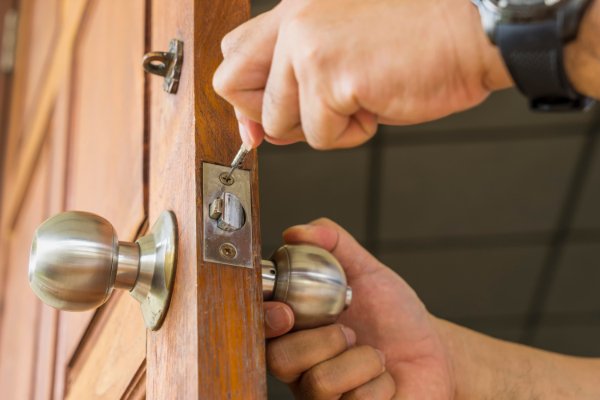
Before you hand over the keys, it’s essential to fix up certain parts of your home. Small repairs can make a big difference in how potential buyers or renters perceive the property, potentially speeding up the process and even adding to its value. Here’s a list of the most impactful yet simple fixes to tackle before you move out.
Before you hand over the keys, it’s essential to fix up certain parts of your home. Small repairs can make a big difference in how potential buyers or renters perceive the property, potentially speeding up the process and even adding to its value. Here’s a list of the most impactful yet simple fixes to tackle before you move out.
Patch Up Nail Holes and Scratches on Walls
Walls endure wear and tear over time, accumulating nail holes from artwork and scratches from daily activities. Addressing these imperfections can significantly enhance a home’s appearance, giving it a fresh and polished look. To tackle this, use a lightweight spackle to fill in nail holes, then sand the area down until smooth. Finish by touching up the spot with matching paint. If you don’t have the original paint, bring a small sample to a hardware store where they can color-match it for you, ensuring a seamless finish.
Fix Squeaky Doors and Cabinets
Squeaky doors and cabinets may seem like minor nuisances, but they can leave an impression of poor maintenance, which could detract from the appeal of a home. Fortunately, these issues are easy to fix. Applying a bit of WD-40 or a similar lubricant can effectively silence the squeaks, instantly improving functionality. While addressing the noise, take the time to tighten any loose hinges to ensure smooth and quiet operation, leaving a polished and well-cared-for impression.
Replace Broken or Damaged Light Bulbs
Ensuring all light fixtures are functional is a simple yet impactful way to enhance your home’s overall appeal. Burned-out or mismatched bulbs can make a space feel neglected or dim, so replacing them is essential before moving in or showcasing your home to buyers or renters. Swap out any non-functional bulbs with energy-efficient LED options, which not only brighten the space but also add eco-friendly value that resonates with environmentally-conscious individuals.
Repair Broken or Loose Tiles
Broken or loose tiles in the bathroom or kitchen can make an otherwise clean home appear neglected, so addressing these issues is an important step in maintaining a polished and well-cared-for look. Repairs are often simple and can be done using tile adhesive and grout repair materials, which are easily found at home improvement stores. For small cracks, a matching tile filler can seal the damage, restoring the area’s appearance and safeguarding against further wear.
Unclog Drains and Fix Leaky Faucets
Addressing leaky faucets and slow drains is more than just a convenience—it can prevent plumbing problems that might deter potential buyers or renters. Fixing these issues ensures a smooth and worry-free experience for anyone using the space. Start by checking for clogs, removing debris trapped in the drain, or using a safe chemical drain cleaner to tackle buildup. For leaking faucets, replace worn-out washers or cartridges—an inexpensive and straightforward task that can make a big difference in the functionality and appeal of your plumbing.
Touch-Up baseboards and Trim
Baseboards and trim may seem like minor details, but scuffs, dents, and dirt can make a room look less polished over time. Maintaining these features can instantly refresh the overall appearance of your space. Start by giving the baseboards a thorough wipe-down with a damp cloth to remove grime and dust. For scratches or peeling paint, touch up the affected areas with a fresh coat of paint to restore their crisp, clean look.
Wall and Ceiling Repair
Plaster walls and ceilings can develop cracks or holes over time, but these imperfections are straightforward to fix. Begin by cleaning the damaged area and removing any loose debris or crumbling plaster. Use a putty knife to apply joint compound or spackling paste, carefully filling in the crack or hole. Smooth out the surface, allow it to dry, and then sand it down until even. Finish by touching up the area with matching paint for a seamless look. If you’d rather avoid the effort and ensure a flawless result, consider hiring a professional service, someone like WA Ceiling Fixers, to handle every step, from preparation to painting, leaving your walls and ceilings looking pristine.
Refresh Caulking in Kitchens and Bathrooms
Refreshing caulking in kitchens and bathrooms is a simple yet impactful way to improve the look and feel of these spaces. Old, discolored, or peeling caulk can make areas around sinks, bathtubs, or countertops appear neglected, while replacing it gives them a clean, well-maintained appearance. To do it effectively, start by using a caulk remover to take off the old material. Then, apply a fresh, mildew-resistant caulk, and smooth it with a caulk finishing tool for a professional and polished result.
With these small but impactful repairs, you’ll leave your home in top shape, creating a positive impression for buyers or renters. These fixes won’t break the bank but can significantly boost the appeal and value of your property.
5 Pests to Remove from Your Home and How to Do It
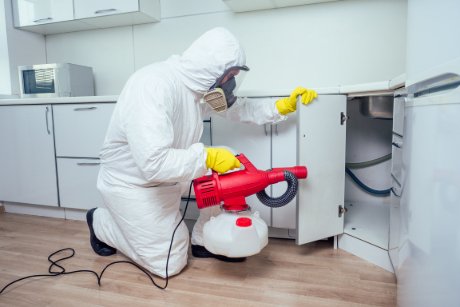
Your home should be a safe and comfortable space, but pests can quickly disrupt your sense of peace. From rodents and insects to stinging pests, uninvited guests can cause structural damage, spread diseases, and create serious discomfort. Here’s a closer look at five common pests—mice, rats, cockroaches, bees, and wasps—including how to identify them, the problems they cause, and how to get rid of them.
Your home should be a safe and comfortable space, but pests can quickly disrupt your sense of peace. From rodents and insects to stinging pests, uninvited guests can cause structural damage, spread diseases, and create serious discomfort. Here’s a closer look at five common pests—mice, rats, cockroaches, bees, and wasps—including how to identify them, the problems they cause, and how to get rid of them.
Mice
Mice are small yet persistent rodents that can enter your home through the tiniest openings, making them one of the most common household pests. Beyond being a nuisance, they pose serious risks by chewing through wires and increasing the chance of electrical fires, contaminating food with droppings, and spreading diseases like Hantavirus. Common signs of a mouse infestation include small, dark droppings, gnawed materials, and scratching noises in walls or ceilings, particularly at night. To prevent mice, seal all gaps in walls and foundations using steel wool and caulk, store food in airtight containers, and maintain a clean home. For removal, snap traps, bait stations, or humane traps can be used effectively, while natural remedies like peppermint oil or fresh mint placed near entry points can deter them. However, in cases of severe infestations, it’s best to call a professional exterminator to identify access points and establish a long-term pest management plan.
Rats
Rats are larger and more destructive than mice, making them a particularly unwelcome pest in any home. They are known to spread diseases such as leptospirosis and salmonella, and their aggressive chewing can damage wiring, insulation, and furniture. Signs of a rat infestation include larger droppings, greasy rub marks along walls, gnawed materials, and a strong, musky odor. To prevent rats, seal holes larger than a quarter of an inch, keep your home free of food debris, regularly empty trash bins, and secure outdoor food sources like birdseed. For removal, tamper-proof bait stations and snap traps placed near suspected nesting areas are effective, and ultrasonic repellents may help deter them. However, if these methods fail, professional pest control services are recommended, as they can deploy advanced baiting and exclusion tactics to effectively resolve the issue.
Cockroaches
Cockroaches are highly resilient pests that thrive in warm, moist environments like kitchens and bathrooms, making them a common household nuisance. These pests can spread bacteria that cause foodborne illnesses, contaminate food with their droppings, and even trigger asthma and allergy symptoms. Signs of an infestation include small, black droppings, egg casings, shed skins, and a musty, oily odor. You might also catch them scurrying away when the lights are turned on. To prevent cockroaches, maintain a clean home, avoid leaving food or water out, tightly seal trash, and promptly repair any leaks. For removal, gel baits, sticky traps, and insecticide sprays can be effective in targeting hiding spots under sinks and behind appliances, while boric acid serves as a natural alternative in hard-to-reach areas. However, severe infestations often require professional pest control services to eliminate not only the adult insects but also their eggs, ensuring long-term relief.
Bees
Bees are essential to the ecosystem, but their presence in or near your home can pose risks, especially for individuals allergic to their stings. While generally non-aggressive, a large hive can become hazardous if disturbed, and bees nesting in walls or roofs may cause structural damage over time. Signs of infestation include bees flying in and out of a specific area, such as a wall or tree, or faint buzzing sounds inside your home. To prevent bees, seal cracks and gaps where they might establish nests and monitor outdoor areas for early hive formation. For small, manageable hives, contacting local beekeepers for safe relocation is a sustainable option. Avoid using DIY sprays, as these can harm beneficial pollinators. For larger or hard-to-reach hives, it’s best to enlist a professional pest control service, someone like Nelson's Bee Removal, experienced in safe bee removal.
Wasps
Wasps are aggressive pests capable of stinging multiple times, making them a hazardous presence around homes, especially for individuals allergic to their venom. Their nests often appear under eaves, in attics, or on trees, and frequent wasp sightings near your home are a clear sign of infestation. To prevent wasps, keep food and drinks covered while dining outdoors, avoid wearing strong perfumes that attract them, and use natural deterrents like peppermint oil. For small nests, commercial wasp sprays can be used at dawn or dusk when wasps are less active, or you can create a natural trap with sugar water and a plastic bottle. However, large or hard-to-reach nests should always be handled by professional pest control services to ensure safe and effective removal.
Managing pests at home requires vigilance, routine maintenance, and actionable strategies. While prevention is key, effective methods for removal—whether DIY or professional—can restore peace in your living space. Addressing pest infestations early ensures your home remains secure, clean, and pest-free.

