

A resource for those seeking information on organizing and transforming spaces.

How To Reduce Outside Noise In Your Home For A Peaceful Environment
A quiet home offers a sanctuary from the hustle and bustle of daily life, but outside noise can often disturb that tranquility. Whether it's traffic, construction, or noisy neighbors, excessive sound can disrupt relaxation and even impact your well-being. Fortunately, there are several effective ways to reduce noise pollution and create a more peaceful living space.
A quiet home offers a sanctuary from the hustle and bustle of daily life, but outside noise can often disturb that tranquility. Whether it's traffic, construction, or noisy neighbors, excessive sound can disrupt relaxation and even impact your well-being. Fortunately, there are several effective ways to reduce noise pollution and create a more peaceful living space.
Install Heavy Curtains or Blinds
Thick, heavy curtains or soundproof blinds add an extra layer of defense against external noise. By absorbing sound waves, these window treatments help reduce the amount of noise that filters into your home. Opt for floor-length, dense fabrics to maximize their sound-dampening effect, especially in rooms facing busy streets or loud areas.
Upgrade to Noise-Reducing Windows
Windows are one of the most common entry points for outside noise. Upgrading to high-quality, noise-reducing models can make a significant difference. Options like Andersen 400 Series Woodwright windows provide excellent insulation, helping to block out unwanted sounds while enhancing the overall energy efficiency of your home. Their solid construction and advanced design make them an attractive and practical solution for noise control.
Use Weatherstripping and Seal Gaps
Small gaps around doors and windows allow noise to seep into your home. Sealing these gaps with weatherstripping or acoustic caulk can drastically minimize sound transmission. Focus on entry doors, window frames, and any other openings where sound may enter. This simple and affordable solution not only reduces noise but also improves your home's energy efficiency by preventing drafts.
Add Soft Furnishings and Rugs
Hard surfaces reflect sound, amplifying noise within your home. Incorporating soft furnishings like area rugs, upholstered furniture, and wall hangings can absorb sound and reduce echo. The more soft materials you introduce, the quieter your space will feel.
Create a Barrier with Landscaping
Outdoor landscaping can also help block noise from entering your home. Planting dense shrubs, hedges, or trees around the perimeter of your property creates a natural sound barrier. Installing fences or garden walls further enhances this effect, providing both privacy and peace.
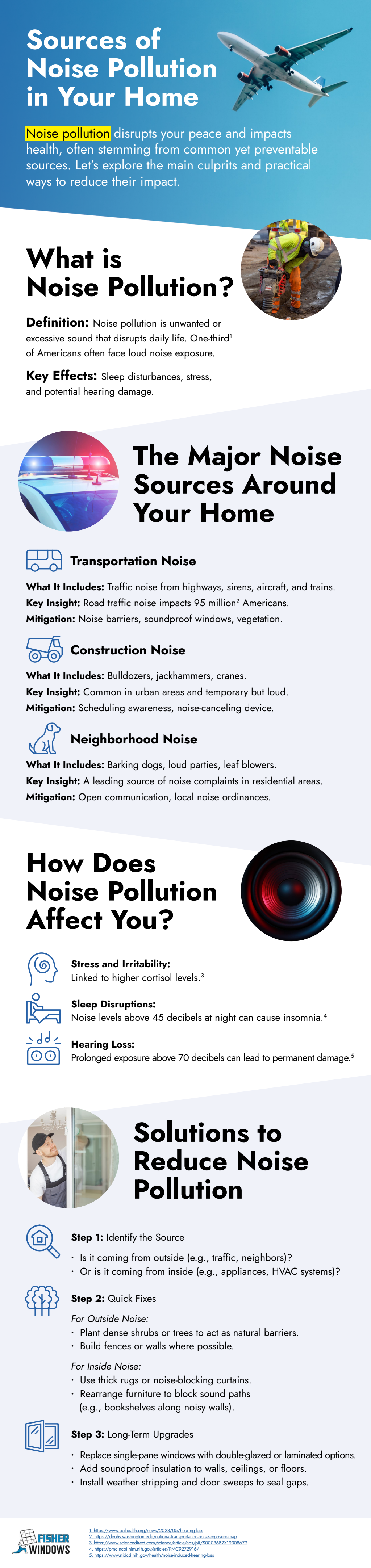
Reducing outside noise takes a combination of structural upgrades and thoughtful interior design. By investing in quality windows, sealing gaps, and incorporating sound-absorbing materials, you can transform your home into a quieter, more comfortable space for you and your family. To learn more, check out the infographic below.

Beyond Filling Tires: Creative Uses for an Air Compressor
Air compressors are often thought of as a tool that is solely used for filling tires. However, these versatile machines have many other practical and creative uses that can make life easier in various situations. Whether you're a homeowner, DIY enthusiast, or professional contractor, an air compressor can be a valuable addition to your toolbox, no matter how big or small. In this article, we'll explore some unique and innovative ways to use an air compressor beyond just filling tires. Ready to make use of your tools? Let's get started!
Air compressors are often thought of as a tool that is solely used for filling tires. However, these versatile machines have many other practical and creative uses that can make life easier in various situations. Whether you're a homeowner, DIY enthusiast, or professional contractor, an air compressor can be a valuable addition to your toolbox, no matter how big or small. In this article, we'll explore some unique and innovative ways to use an air compressor beyond just filling tires. Ready to make use of your tools? Let's get started!
Inflating Sports Equipment
One of the most common alternative uses for an air compressor is inflating sports equipment such as footballs, basketballs, soccer balls, and more. With the right attachment, you can easily fill up any type of ball to the desired pressure. This can save you time and energy compared to manually pumping air into each ball. Plus, using an air compressor ensures a more consistent and accurate inflation, which is crucial for optimal performance in sports.
To determine if a ball is adequately filled, you can use the "thumb test." Simply press your thumb into the ball and see how much give it has. If it feels too soft or mushy, then it needs more air. If it feels hard or doesn't give at all, then it may be overinflated. With an air compressor, you can easily adjust the pressure until the ball reaches the desired level of firmness. This not only ensures that your sports equipment is ready for action but also helps to prolong its lifespan by preventing under or over-inflation.
Powering Pneumatic Tools
Another practical use for an air compressor is powering pneumatic tools. These tools, also known as air-powered or compressed-air tools, rely on compressed air to function. They are commonly used in construction, automotive repair, and other industries where heavy-duty tools are necessary. With the right-sized air compressor and proper attachments, you can power various types of pneumatic tools such as impact wrenches, nail guns, sanders, and more. This not only saves you from having to purchase individual power tools, but it also allows for more flexibility and convenience in your projects.
Removing Debris and Dust
An air compressor can also be a useful tool for cleaning up debris and dust. With the help of an air gun or blowgun attachment, you can easily remove debris from hard-to-reach areas such as corners, crevices, and tight spaces. This is especially handy for cleaning up sawdust after woodworking projects or blowing away leaves and grass clippings in your yard. Plus, using compressed air is a safer alternative to using a broom or other manual methods that may stir up allergens into the air.
If you're looking to find a good air compressor, there are several options available to you. One option is to visit your local hardware store or home improvement center, where you can physically see and test different models. This allows you to get a feel for the size, power, and features of various air compressors. Another option is to shop online from reputable retailers that specialize in tools and equipment; don't forget to ask as many questions as you can to learn more. Here, you can often find a wider selection at competitive prices and read reviews from other customers.
Painting
Painting can be a messy and time-consuming task, but an air compressor can make the process much more efficient and precise. With a paint sprayer attachment, you can evenly apply paint to surfaces in less time compared to using traditional brushes or rollers. This is great for larger painting projects such as painting a fence or an entire room. Plus, since compressed air helps to atomize the paint particles, the finish is smoother and more professional-looking.
When looking for a good paint sprayer, you can often find them at the same places where you would purchase an air compressor—hardware stores, home improvement centers, or online retailers. When choosing a paint sprayer, make sure to consider factors such as the type of paint it can handle (latex or oil-based), nozzle size options for different types of projects, and adjustable pressure settings.
Winterizing Equipment
If you live in an area with harsh winters, you know how important it is to properly winterize your equipment before storing it away for the season. An air compressor can help with this task by quickly and effectively blowing out any remaining water in pipes, hoses, and other equipment. This prevents freezing and potential damage to your tools or machines. Plus, using an air compressor saves you from having to manually drain water or use expensive antifreeze products.
Knowing when to winterize your equipment is vital for maintaining its functionality and longevity. As a general rule, you should begin the winterization process before the first freeze or when temperatures consistently drop below freezing. This will ensure that all water is removed from your equipment before it has a chance to freeze and cause damage. Don't forget to regularly check and maintain your tools throughout the season to prevent any potential issues.
Whether you're tackling a DIY project or just need to re-inflate that basketball for a pickup game, there are so many practical and creative uses for an air compressor beyond just filling tires. With the right attachments and techniques, you can save time, energy, and money while getting professional results in your various tasks. So next time you think of your trusty air compressor as just a tire filler, remember these alternative uses and put it to work in new ways! Your toolbox will thank you!

Essential Tools You Need For A Successful Roofing Project
Taking on a roofing project, whether it’s repairs or a full replacement, requires the right tools to ensure safety, efficiency, and quality results. Having the proper equipment on hand can make a significant difference in how smoothly the project progresses. From basic hand tools to specialized gear, here are the essential items every homeowner or contractor should have before starting a roofing job.
Taking on a roofing project, whether it’s repairs or a full replacement, requires the right tools to ensure safety, efficiency, and quality results. Having the proper equipment on hand can make a significant difference in how smoothly the project progresses. From basic hand tools to specialized gear, here are the essential items every homeowner or contractor should have before starting a roofing job.
Safety First: Protective Gear and Equipment
Roofing can be hazardous, making safety equipment a top priority. A sturdy harness system, non-slip roofing boots, and a hard hat help protect against falls and head injuries. Additionally, gloves with a strong grip and safety goggles are essential to prevent cuts and shield your eyes from debris. Working on a roof without the right safety measures can lead to unnecessary risks, so never overlook protective gear.
Climbing Essentials: Ladders and Accessories
A reliable ladder is critical for accessing the roof, but ladder safety doesn’t stop there. Using ladder stabilizers and other ladder accessories for gutters can help prevent slipping or damaging delicate areas around the roofline. These accessories ensure that the ladder remains secure while reducing pressure on the gutters, allowing for safer, more stable positioning during the project.
Hand Tools for Precision and Efficiency
Quality hand tools are at the core of any roofing project. A roofing hammer, utility knife, and chalk line help ensure accurate measurements and clean cuts. Nail guns or roofing nailers significantly speed up the process, securing shingles or materials more efficiently than manual methods. Keeping a magnetic sweeper nearby also helps collect stray nails and metal debris from the site.
Materials Handling: Tarps and Shingle Removers
Protecting the worksite and landscaping is essential during a roofing project. Heavy-duty tarps shield surfaces from falling debris, while shingle removers make stripping old materials quick and efficient. These tools help maintain a clean, organized workspace, preventing unnecessary damage and ensuring a smoother workflow.
Finishing Touches: Sealants and Flashing Tools
Sealants and caulking guns are vital for waterproofing and securing flashing around vents, chimneys, and edges. Properly sealing these areas prevents leaks and extends the lifespan of the roof. Additionally, having a pair of tin snips or metal shears allows for precise trimming of flashing and metal materials.
A successful roofing project relies heavily on preparation and the right tools. Investing in quality equipment not only improves the efficiency of the job but also enhances safety and ensures lasting results. With the proper tools at your disposal, tackling roofing projects becomes far more manageable and rewarding. To learn more about essential tools for roofing, check out the resource below.


5 Signs Your Fridge Ice Maker Needs Maintenance
A well-functioning fridge ice maker can make a big difference in everyday convenience, whether it’s for cooling drinks or preparing for a gathering. Yet, like any appliance, ice makers can experience issues over time that impact their performance. From reduced ice production to unusual noises, these signs often point to the need for maintenance or minor repairs. Understanding the common warning signs can help you identify potential problems early and keep your ice maker running smoothly for the long term.
5 Signs Your Fridge Ice Maker Needs Maintenance
A well-functioning fridge ice maker can make a big difference in everyday convenience, whether it’s for cooling drinks or preparing for a gathering. Yet, like any appliance, ice makers can experience issues over time that impact their performance. From reduced ice production to unusual noises, these signs often point to the need for maintenance or minor repairs. Understanding the common warning signs can help you identify potential problems early and keep your ice maker running smoothly for the long term.
Reduced Ice Production
If your fridge’s ice maker is producing less ice than usual, it could be due to a variety of factors. Common causes include a clogged water filter, low water pressure, or a malfunctioning thermostat that prevents the ice-making process from working efficiently. Additionally, if the freezer temperature is set too high, it can slow down ice production. Regular maintenance, such as checking and replacing the water filter and ensuring the freezer is set to the correct temperature, can help keep your ice maker running smoothly. Understanding these potential issues can save you time and prevent unnecessary frustration.
Unusual Noises Coming from the Ice-Maker
Unusual noises coming from your ice-maker can be a sign that something isn’t working as it should. Common sounds like buzzing, grinding, or clicking might indicate issues such as a clogged water line, a jammed ice tray, or a malfunctioning motor. Regular maintenance, like checking for blockages or inspecting the ice-maker’s components, can help identify the source of the noise. If the problem persists, consulting your appliance’s manual or reaching out to a professional technician can prevent further damage and keep your ice maker running smoothly.
Poor Ice Quality or Odd Taste
A dirty water filter, mineral buildup, or stagnant water in the lines often causes an odd taste or generally poor ice quality. If the ice appears cloudy, it might be due to trapped air bubbles or impurities. An unusual taste, on the other hand, could point to old or contaminated water. Regularly cleaning the ice maker, replacing the water filter as recommended, and ensuring proper water flow can help maintain the ice’s clarity and freshness. Addressing these issues promptly can improve the overall performance of your ice maker.
Visible Leaks or Water Pooling
Visible leaks or water pooling around your fridge can be a clear sign that something is wrong with your ice maker. This could happen if a water line is loose, blocked, or damaged, causing water to drip out instead of flowing properly into the ice maker. You might notice puddles near the base of the fridge or water running down its interior. In some cases, the drain in the freezer can become clogged, leading to water buildup. If left unaddressed, these issues can lead to further damage, so inspecting your fridge and promptly addressing any leaks is important.
Ice-Maker Fails to Dispense Properly
If your fridge’s ice maker isn’t dispensing properly, it can be frustrating and inconvenient. Common signs include ice getting stuck in the chute, the dispenser making noises but not releasing ice, or irregularly shaped cubes clogging the system. This could be caused by a jam in the dispenser mechanism, an ice buildup blocking the chute, or a faulty motor. Sometimes, the issue may even stem from the control panel's settings or a water supply problem. Regular cleaning and checking for blockages can help prevent these problems and keep your ice maker running smoothly.
Keeping your fridge's ice maker in good condition can make a big difference in its performance and your overall experience. By paying attention to signs like reduced ice production, unusual noises, poor ice quality, leaks, or dispensing issues, you can catch potential problems early and address them before they turn into bigger headaches. Regular maintenance and repair, from professionals like Andy's Appliance Repair, and a little troubleshooting can go a long way in ensuring your ice maker continues to function smoothly. If problems persist, it might be worth consulting a professional to get things back on track. After all, having fresh, clean ice at your fingertips is one of those simple conveniences that can make everyday life a bit easier.

