

A resource for those seeking information on organizing and transforming spaces.

Can Simple Repairs Make Your Home More Energy Efficient?
Reducing energy waste at home is not just about saving on utility bills—it’s about creating a more comfortable, eco-friendly living space while contributing to long-term sustainability. Rising energy costs and growing environmental concerns have made it increasingly important for homeowners to find practical ways to improve energy efficiency. Simple, targeted repairs can make a significant difference, helping to lower expenses and minimize environmental impact without the need for costly renovations. This guide highlights eight straightforward and effective repairs that can enhance a home's energy performance, offering both immediate and long-term benefits.

Reducing energy waste at home is not just about saving on utility bills—it’s about creating a more comfortable, eco-friendly living space while contributing to long-term sustainability. Rising energy costs and growing environmental concerns have made it increasingly important for homeowners to find practical ways to improve energy efficiency. Simple, targeted repairs can make a significant difference, helping to lower expenses and minimize environmental impact without the need for costly renovations. This guide highlights eight straightforward and effective repairs that can enhance a home's energy performance, offering both immediate and long-term benefits.
HVAC System Repair
An inefficient HVAC system is one of the most significant culprits behind high energy bills. Common issues such as dirty filters, poorly maintained ducts, or faulty components can lead to excessive energy consumption. Addressing these problems through regular maintenance and repairs ensures that the system operates efficiently, preventing wasted energy. For example, sealing leaks in ductwork can improve airflow and reduce energy loss.
Air conditioner repairs play a specific role in energy-saving efforts. Wear and tear, refrigerant leaks, or malfunctioning parts often cause AC units to work harder than necessary. Consulting an AC repair specialist such as Carl's Air Conditioning is crucial to determine which areas need attention. Items like cleaning the coils, checking the thermostat calibration, or inspecting for leaks can make a significant difference in performance and energy use.
Window Sealing
Drafty windows are among the most common sources of energy loss in homes. Cracks or gaps around windows allow air to escape, making heating or cooling systems work harder. Sealing these imperfections with caulk or weatherstripping creates a tighter barrier and improves indoor temperature regulation.
Regular inspections can identify areas where air leaks might occur, and simple fixes can often resolve these problems. For older windows that may lack proper insulation, adding a transparent film or considering double-pane glazing can also help improve energy efficiency without the need for replacement.
Insulation Upgrades
Insufficient or damaged insulation leads to heat escaping in the winter and infiltrating in the summer. Repairing or upgrading insulation in key areas such as attics, walls, and crawl spaces keeps energy levels in balance and stabilizes interior temperatures. Adding fiberglass batts or spray foam to uninsulated spaces can make a noticeable difference.
Small fixes are often enough to restore insulation's effectiveness. Checking for compression, moisture damage, or gaps, and addressing these issues promptly, eliminates unnecessary energy waste. It’s an often-overlooked repair that can have long-term benefits for energy savings.
Roof Maintenance
A well-maintained roof protects the home from weather elements while contributing to energy efficiency. Damaged shingles, leaks, or insufficient ventilation disrupt both roof integrity and energy management. These problems allow unwanted air to enter or escape, driving up heating and cooling demands.
Regular roof inspections and small repairs go a long way in preserving energy efficiency. Fixing leaks, replacing damaged flashing, or ensuring proper insulation under the roof helps maintain a stable indoor environment without undue energy loss. Proper attention to these areas strengthens the home's overall energy barrier.
Plumbing Fixes
Leaks in plumbing systems not only waste water but can also make hot water systems less efficient. Small drips or faulty fixtures force water heaters to work harder, consuming more energy than necessary. Fixing these issues promptly ensures that energy is used effectively to heat water.
Another common problem is poorly insulated pipes, particularly in colder climates. Adding insulation to hot water pipes minimizes heat loss during water transfer, making the system more efficient while reducing energy demand. These simple fixes enhance both plumbing performance and energy savings.
Lighting Updates
Inefficient lighting fixtures make a home’s energy costs unnecessarily high. Older incandescent bulbs, for instance, consume significantly more power compared to modern alternatives. Replacing these bulbs with energy-efficient LEDs or compact fluorescent lights (CFLs) lowers electricity usage immediately.
Consider repairing or upgrading outdated light fixtures as well. Faulty wiring or dim switches can limit efficiency and safety. Addressing these issues ensures optimal energy performance while maintaining proper illumination throughout the home.
Garage Door Repair
A poorly functioning garage door can compromise your home’s energy efficiency. Gaps in garage doors allow drafts, reducing indoor temperature control and increasing heating and cooling costs. Repairing these gaps with proper weatherstripping or alignment of the door ensures better insulation and limits energy waste.
Garage door mechanics that are not working smoothly can also lead to energy loss by preventing proper sealing. Consulting a garage door repair specialist like Edgemont Garage Door Service can help identify misaligned tracks, faulty sensors, or warped panels that detract from efficiency. Ensuring the garage door operates as it should is a small but impactful way to save energy.
Appliance Maintenance
Worn or damaged appliances are some of the biggest contributors to excessive energy consumption. For example, refrigerators with damaged door seals or dryers with clogged vents require more energy to function properly. Repairing these components ensures that appliances run at peak performance levels.
Another concern is outdated appliances that no longer meet modern energy efficiency standards. While repairs can extend their lifespan, it’s also worth considering tune-ups or minor upgrades to improve efficiency. Paying attention to appliance maintenance not only extends their usability but also reduces overall energy waste.
Conclusion
By addressing common energy inefficiencies in the home, such as HVAC system issues, poor insulation, drafty windows, and outdated or poorly maintained appliances, homeowners can achieve significant energy savings and lower utility bills. Simple yet effective solutions, like sealing leaks, scheduling system repairs, and upgrading to energy-efficient components, can maximize a home’s performance while reducing unnecessary energy waste. These practical measures not only enhance comfort and sustainability but also deliver measurable financial benefits, making them a worthwhile investment for long-term value.
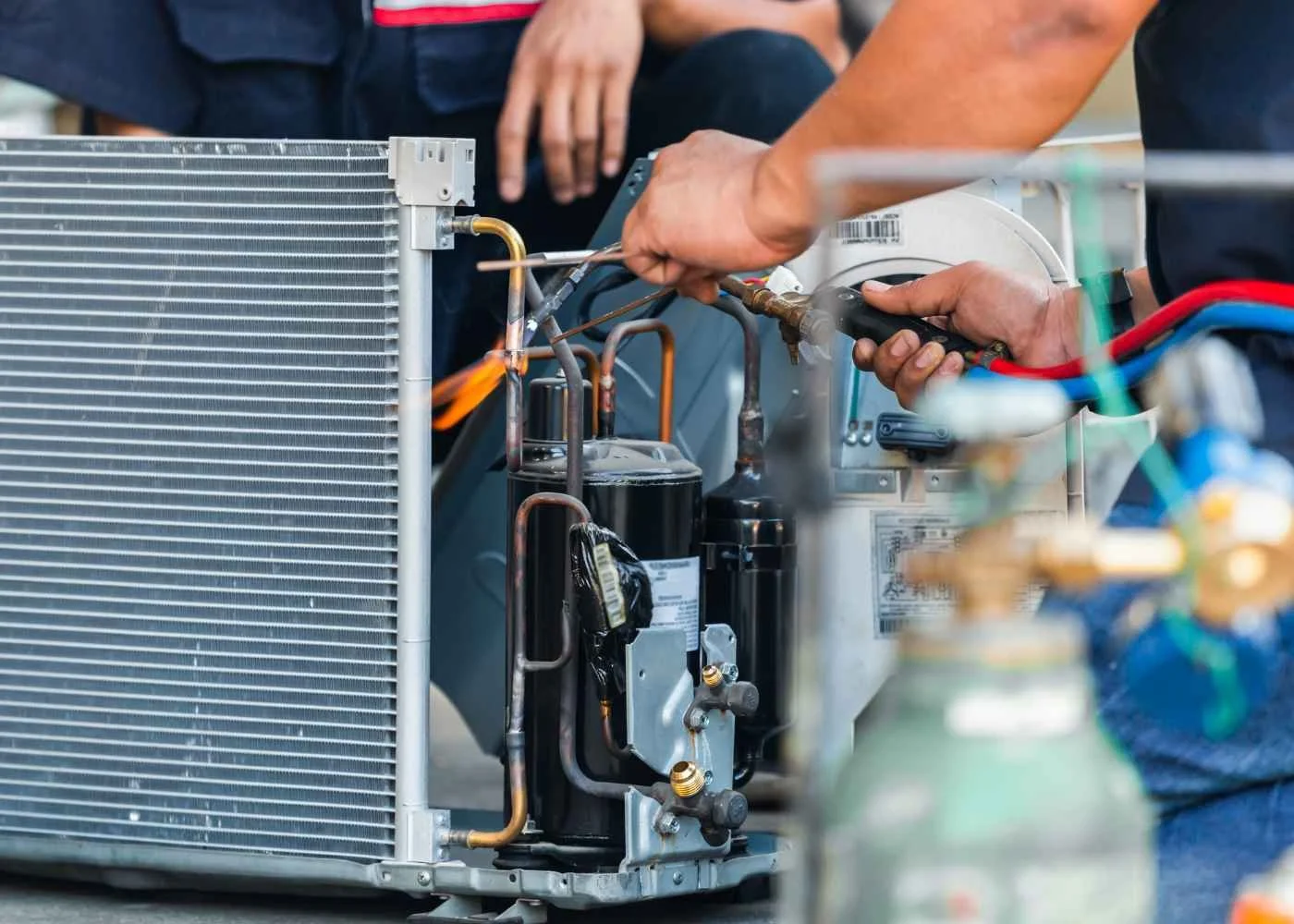
5 Key Benefits of AC Tune-Ups for Homeowners
Your home’s air conditioning system works tirelessly to ensure comfort during hot summers, making it an essential part of any well-functioning home. However, many new homeowners often overlook the importance of regularly scheduled tune-ups for their AC systems. Just like cars require routine maintenance to run smoothly, your air conditioning system needs regular attention to operate efficiently.
Your home’s air conditioning system works tirelessly to ensure comfort during hot summers, making it an essential part of any well-functioning home. However, many new homeowners often overlook the importance of regularly scheduled tune-ups for their AC systems. Just like cars require routine maintenance to run smoothly, your air conditioning system needs regular attention to operate efficiently.
This post will explore the top five advantages of scheduling an AC tune-up, revealing how it can save you money, improve air quality, and prolong the life of your system.
Boosting Energy Efficiency
One of the most significant advantages of regular AC tune-ups is the boost in energy efficiency. Over time, dust and grime can accumulate in your system, forcing it to work harder to cool your home. This extra strain not only increases your energy bills but also diminishes the overall performance of your unit.
During a tune-up, technicians clean the condenser coils, lubricate moving parts, and optimize system functions, ensuring your AC works as efficiently as possible. A more efficient system translates to lower utility bills and a reduced carbon footprint, both of which are major wins for homeowners.
Preventing Costly Breakdowns
Imagine the frustration of your air conditioner failing on the hottest day of the year. Regular maintenance significantly reduces the likelihood of unexpected breakdowns by addressing potential issues before they escalate.
During a tune-up, technicians inspect critical components like capacitors, belts, and fans, identifying areas of wear and tear. Addressing these minor problems early can help you avoid more substantial, costly repairs down the line.
Investing in routine tune-ups is a proactive approach that saves money in the long run while offering peace of mind knowing your AC system is in excellent condition.
Prolonging System Lifespan
Air conditioning systems are a significant investment, and safeguarding that investment should be a priority for any homeowner. Routine tune-ups can extend the lifespan of your AC unit by reducing wear and tear on vital components.
When your system operates efficiently, it experiences less strain during daily use. This optimized performance minimizes the chance of severe mechanical failures and ensures you get the most out of your system for years to come. By prioritizing tune-ups, new homeowners can delay the need for a costly replacement.
Improving Indoor Air Quality
Air conditioning systems do more than regulate temperature—they also play a critical role in maintaining indoor air quality. Over time, dust, pollen, and other allergens can accumulate within your system, circulating through your home if not addressed.
During a tune-up, technicians replace air filters, clean internal components, and check for mold or mildew growth that could affect air quality. Cleaner air contributes to a healthier living environment, which is particularly important for households with children, pets, or respiratory sensitivities.
By improving air quality, regular tune-ups enhance both comfort and health, making your home an even more inviting space.
Ensuring Compliance with Warranty Requirements
Many AC manufacturers require proof of regular maintenance to uphold warranty agreements. Neglecting recommended tune-ups can void your warranty, leaving you responsible for repair costs should something go wrong.
Scheduling routine maintenance ensures compliance with manufacturer requirements and keeps your warranty intact. For new homeowners, understanding and adhering to these terms is vital to protecting your investment.
Final Thoughts
Regular air conditioning tune-ups are more than just a maintenance task—they’re an opportunity to protect your investment, lower your energy bills, and enhance the comfort of your home. By taking a proactive approach to AC care, you can enjoy peace of mind while ensuring your system operates at its best.
If it’s been a while since your last AC tune-up, consider scheduling one with trusted professionals from reputable companies like Trane South today. Your system—and your wallet—will thank you!

7 Signs Your AC Needs Repair
When summer temperatures start climbing, your air conditioner becomes a lifeline. A properly functioning AC not only keeps your home cool but also maintains air quality and energy efficiency. However, air conditioners can develop small issues over time that, if ignored, turn into costly problems or even total breakdowns. Below are some identifiers of the early warning signs that your AC needs repair, allowing you to take swift action and prevent more serious problems down the line.
When summer temperatures start climbing, your air conditioner becomes a lifeline. A properly functioning AC not only keeps your home cool but also maintains air quality and energy efficiency. However, air conditioners can develop small issues over time that, if ignored, turn into costly problems or even total breakdowns. Below are some identifiers of the early warning signs that your AC needs repair, allowing you to take swift action and prevent more serious problems down the line.
Insufficient Cooling
If your air conditioner is struggling to cool your home or is blowing warm air, it’s a clear sign that something may be wrong. Uneven room temperatures or the inability to reach the set thermostat level often point to issues like low refrigerant levels or a failing compressor. Ignoring insufficient cooling can put extra strain on your system, leading to costly repairs or even early replacement. To protect your AC and avoid unnecessary expenses, address this problem promptly. Before calling a technician, check your thermostat settings to ensure the issue isn’t due to user error. Taking quick action can help extend your system’s lifespan and maintain optimal comfort in your home.
Strange Noises
Strange noises coming from your air conditioner should never be ignored, as they often signal mechanical problems that require immediate attention. Grinding sounds may indicate worn-out bearings, while rattling could suggest loose components, and high-pitched squealing is often linked to motor or belt issues. These noises not only disrupt the comfort of your home but can also lead to more significant damage if left unaddressed. To protect your system, turn off your AC as soon as you notice any unusual sounds and call a professional technician to diagnose and fix the problem promptly. Taking swift action ensures your AC remains efficient and avoids costly repairs down the line.
Weak Airflow
Weak airflow from your AC vents can indicate underlying problems that need attention. A common cause is a clogged air filter, which restricts air circulation and hinders your system’s performance. However, it could also point to more serious issues, such as a failing blower motor or problems within the ductwork. While replacing a clogged air filter is a simple fix you can handle yourself, persistent airflow issues should be evaluated by a professional technician, such as someone from Texas Comfort Systems, to identify and resolve the root cause effectively. To keep your system running smoothly, make it a habit to replace your air filter every 1–3 months for optimal performance.
Frequent Cycling
Frequent cycling, or short cycling, occurs when your AC repeatedly turns on and off in quick bursts, putting unnecessary strain on the system and significantly reducing its lifespan. Common causes include a faulty thermostat, dirty filters, or an undersized unit that struggles to cool your home efficiently. This constant cycling forces the system to work harder, leading to energy loss and higher utility bills if not addressed. To prevent this, make sure your thermostat is clean and installed away from direct sunlight, as excessive heat exposure can cause inaccurate readings that disrupt your AC’s performance. Prompt action can help maintain efficiency and prevent further damage to your system.
Unpleasant Odors
Unpleasant odors coming from your AC are often a warning sign that something is wrong and should not be ignored. A musty or moldy smell could indicate mold growth within the ducts or system, while a burning odor may point to overheating electrical components that require immediate attention. These smells can compromise indoor air quality, potentially leading to health risks for your household. If you detect a burning smell, it’s crucial to shut off your AC right away and contact a professional to prevent safety hazards. Acting quickly ensures the issue is addressed before it causes further damage or discomfort.
Rising Energy Bills
Rising energy bills can be a strong indicator that your AC is struggling to work efficiently, often having to overcompensate to maintain your desired indoor temperature. Issues like a failing compressor, dirty coils, or clogged filters are common culprits that force your system to consume more energy than necessary. Comparing your current energy bills with those from previous months or the same period last year can help identify unexplained increases and signal the need for an inspection. To keep your AC running smoothly and reduce energy costs, scheduling regular maintenance is a smart preventative step that ensures your system stays clean and efficient.
Leaks or Moisture Around the Unit
Leaks or moisture around your AC unit should never be ignored, as they can signal significant issues like a blocked drain line or a refrigerant leak. Refrigerant leaks, in particular, are a major concern, as they not only reduce your system's efficiency but can also pose serious health risks if left unaddressed. Prompt attention to moisture can prevent water damage to your home and help resolve any underlying mechanical problems before they escalate. It’s important to avoid handling refrigerant leaks on your own, instead always consult a certified HVAC professional to ensure safe, effective repairs while staying compliant with regulations.
Your air conditioner is a critical part of maintaining comfort in your home, especially during the heat of summer. Addressing small issues as soon as they arise can save you money, prevent system failure, and keep your home running smoothly year-round. If you’ve noticed any of these signs, it’s time to act.
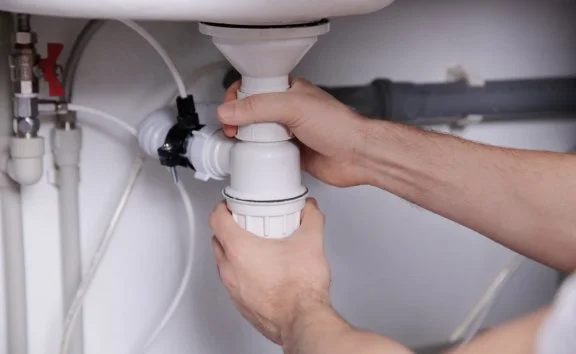
Call a Pro for These 5 Plumbing Fixes
Taking on home repair projects yourself can be a great way to save money while enjoying the satisfaction of improving your space. With the abundance of DIY tutorials online, it can feel tempting to tackle even challenging repairs on your own. However, there are certain cases where it's best to leave the tools to the professionals, and plumbing is a prime example. While some minor fixes may be manageable, attempting complex replacements without the right expertise can lead to significant damage, create safety hazards, and result in costly repairs down the line. When it comes to the following plumbing tasks, calling an expert is the safest, most efficient solution to protect your home and family.
Taking on home repair projects yourself can be a great way to save money while enjoying the satisfaction of improving your space. With the abundance of DIY tutorials online, it can feel tempting to tackle even challenging repairs on your own. However, there are certain cases where it's best to leave the tools to the professionals, and plumbing is a prime example. While some minor fixes may be manageable, attempting complex replacements without the right expertise can lead to significant damage, create safety hazards, and result in costly repairs down the line. When it comes to the following plumbing tasks, calling an expert is the safest, most efficient solution to protect your home and family.
Water Heater Replacement
At a glance, replacing a water heater can look like a manageable task, but this is one job that can quickly spiral into dangerous territory if mishandled. Improper installation can result in serious problems, such as water leaks, electrical failures, or even carbon monoxide poisoning—hazards that could jeopardize both your home and your loved ones. Water heaters involve a mix of gas, electricity, and pressurized systems, which makes careful installation critical.
Licensed plumbers, such as those at Quality Plumbing, ensure that all connections, whether gas or electric, meet local building codes and are installed with complete safety in mind. They also obtain the necessary permits and test the system after installation to confirm everything is working correctly. This isn’t just about efficiency; it’s about providing you with the peace of mind that your water heater is running smoothly and safely, with no hidden risks of future breakdowns or hazards.
Pipe Replacement
Replacing pipes sounds simple on the surface—cut out the damaged pipe and replace it with a new one. But in reality, this task requires detailed planning, precise calculations, and advanced technical skills. It involves selecting the correct materials based on water pressure, temperature, and compatibility, not to mention techniques like soldering, threading, or properly sealing the connections. For DIY enthusiasts lacking this experience, mistakes can easily lead to ongoing leaks, weakened connections, or even burst pipes, all of which can result in expensive water damage and repeated repairs.
Professional plumbers don’t just quickly swap out pipes—they investigate the root causes of the issue, whether it’s corrosion, freezing, shifting foundations, or natural wear. By accurately diagnosing the problem and applying the right solutions, they ensure that the fix is durable and prevents further inconveniences. Hiring a pro not only saves you money over time but also spares you the frustration of recurring plumbing problems.
Sewer Line Replacement
Few plumbing issues are as daunting or complex as replacing a sewer line. This job doesn’t just involve removing old pipes, it often requires specialized machinery like trenchers, pipe-bursting systems, and video inspection cameras. Mistakes here can have serious consequences, including contamination of your water supply, damage to surrounding property, or even environmental hazards.
A licensed plumber is trained to handle a sewer repair job with precision and care. Whether they’re navigating excavation work or safely disposing of old pipes, they adhere to strict regulations to avoid fines or structural damage. Plumbing professionals also have the tools needed to minimize disruption to your yard and ensure the new sewer line functions flawlessly for years to come. Taking this on yourself without access to the right equipment and expertise simply isn’t worth the risk.
Toilet Replacement
Swapping out a toilet might seem like one of the more straightforward plumbing projects, but even here, poor installation can lead to significant headaches. A poorly installed toilet can cause water leaks around the base, rocking or unstable fixtures, and hidden water damage to floors and subfloors—issues that are not only frustrating but expensive to repair.
A professional plumber ensures that the toilet is properly aligned with the drain, securely anchored to prevent movement, and sealed with a quality wax ring to avoid leaks. They will also test plumbing connections to ensure everything flows as it should. While replacing a toilet might seem like a simple DIY task, even small mistakes in alignment or sealing can lead to wasted water and unnecessary repair bills. Trusting a licensed plumber ensures the job is done right the first time.
Gas Line Replacement
Among all plumbing-related tasks, gas line work is perhaps the riskiest as they’re a serious safety concern due to the flammable and volatile nature of the material. Replacing or repairing gas lines without proper tools and expertise can lead to leaks, explosions, or even carbon monoxide poisoning. Mishaps here can have dire consequences not just for your home, but for your neighbors as well.
Licensed plumbers are specially trained to handle gas line repairs and installations with the highest safety precautions. They use advanced tools and follow stringent protocols to ensure every connection is secure and compliant with regulations. Whether updating aging gas lines or installing new ones, professionals provide the reassurance that your system is both safe and efficient while keeping your home in line with local codes.
Hiring a trusted plumber goes far beyond simply fixing the immediate issue, it provides peace of mind that the work is done safely, professionally, and designed to last. Plumbing repairs often involve complex systems, where even a small mistake can lead to costly damages, recurring problems, or safety hazards like leaks and property damage. Attempting these tasks on your own, without the right knowledge or tools, puts both your home and your well-being at risk. By choosing a skilled plumber, you avoid the stress of trial-and-error fixes, costly future repairs, and potential safety issues.

