

A resource for those seeking information on organizing and transforming spaces.
Preventing Mold Growth After Roof Repairs: Maintaining Interior Air Quality
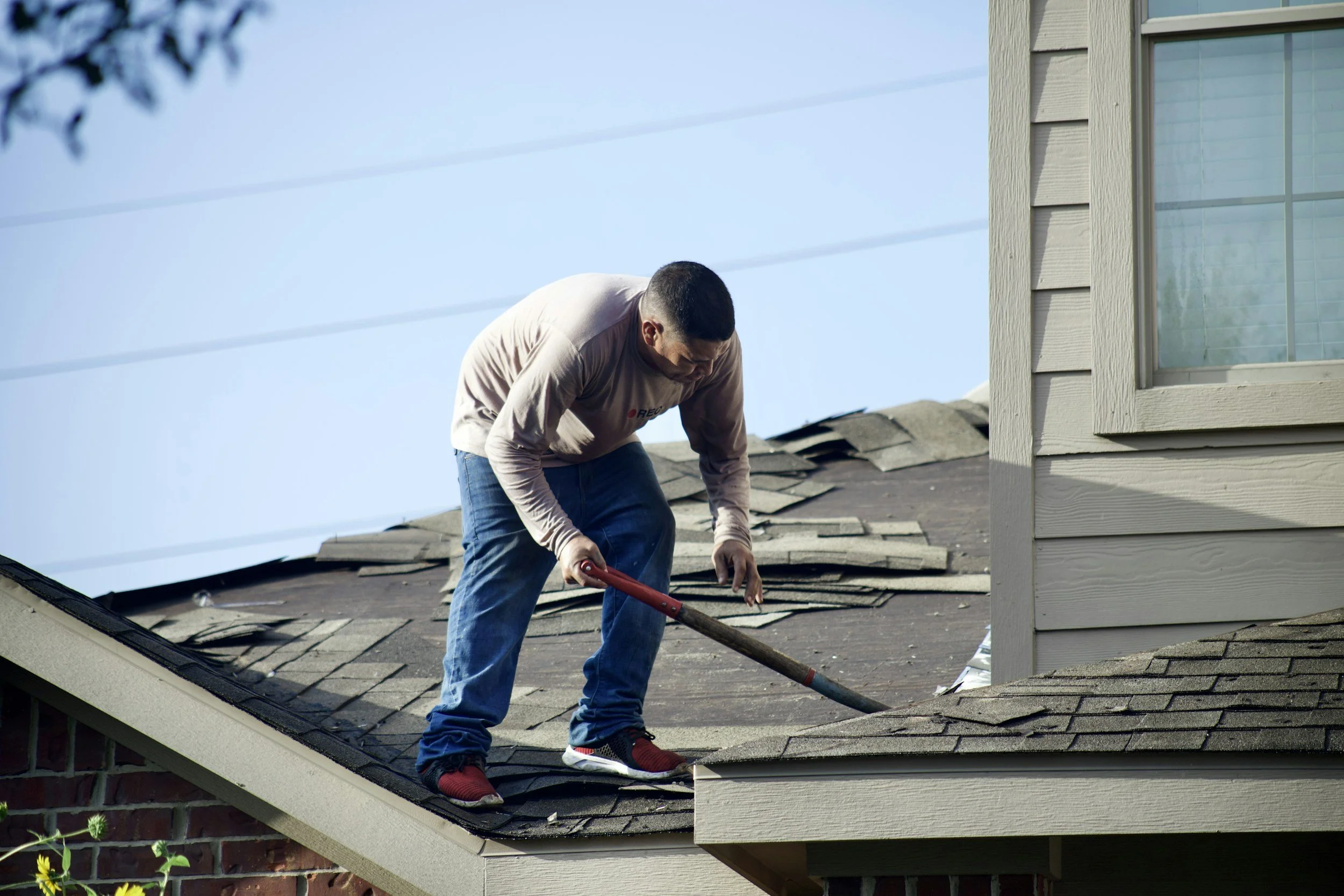
Roof repairs are essential for protecting a home from the elements, but they can also introduce new challenges, particularly the risk of mold growth. Moisture intrusion during or after repairs can lead to mold development, which can negatively impact both the structure of the home and the health of its occupants. To maintain healthy indoor air quality, homeowners must take proactive steps to prevent mold following roof repairs. By focusing on ventilation, moisture control, and thorough post-repair inspections, homeowners can safeguard their living spaces from mold-related issues.
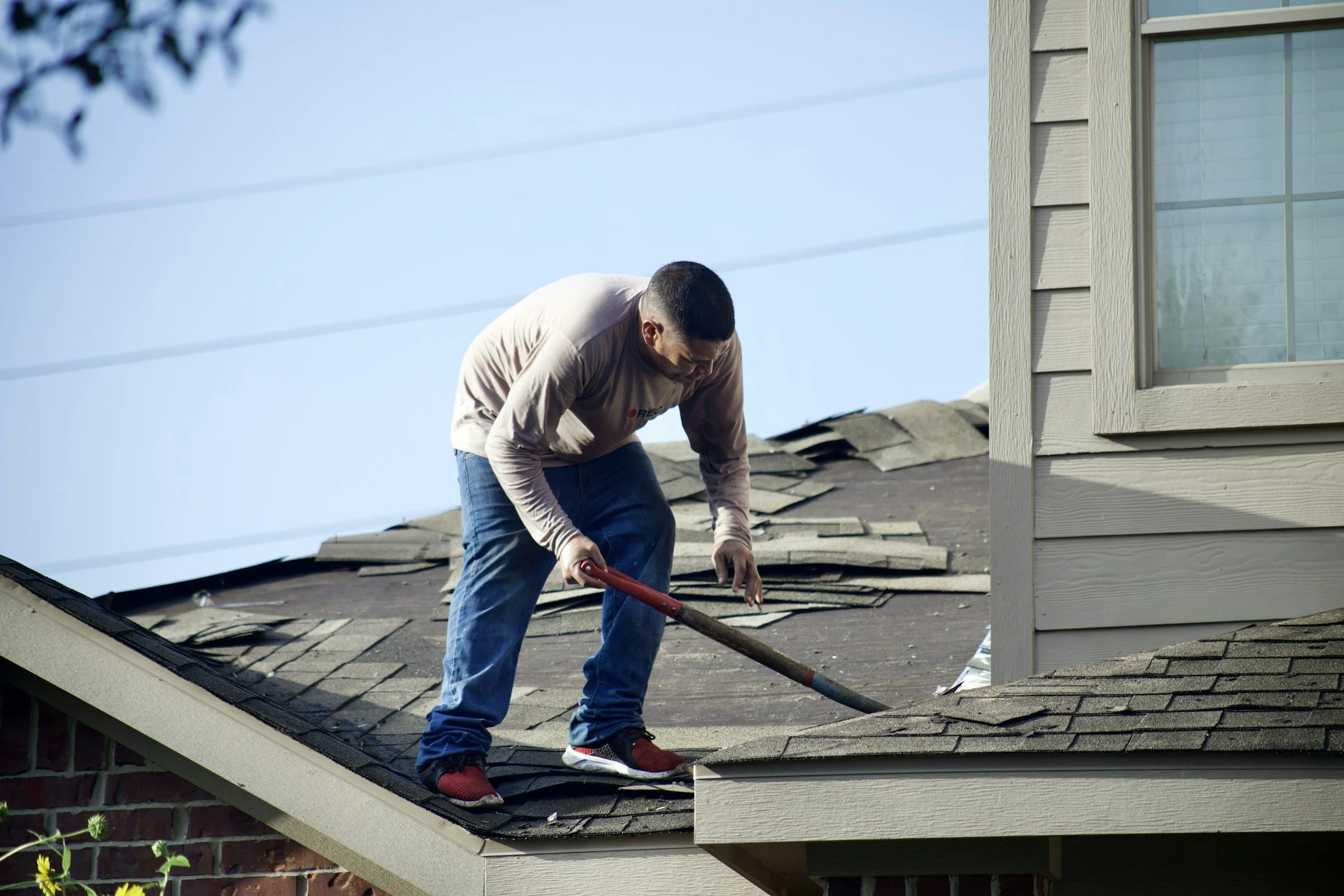
Roof repairs are essential for protecting a home from the elements, but they can also introduce new challenges, particularly the risk of mold growth. Moisture intrusion during or after repairs can lead to mold development, which can negatively impact both the structure of the home and the health of its occupants. To maintain healthy indoor air quality, homeowners must take proactive steps to prevent mold following roof repairs. By focusing on ventilation, moisture control, and thorough post-repair inspections, homeowners can safeguard their living spaces from mold-related issues.
Understanding the Risk of Mold After Roof Repairs
Mold thrives in damp environments, making any residual moisture from roof repairs a potential hazard. If water seeps into walls, ceilings, or insulation without proper drying, it creates ideal conditions for mold spores to spread. Even minor leaks or trapped humidity can lead to significant mold issues over time.
Common causes of post-repair moisture problems include:
Improper sealing of repaired areas, allowing leaks to persist
Moisture buildup in attic spaces due to inadequate ventilation
Residual dampness from water intrusion during the repair process
Addressing these risks immediately after repairs can help homeowners avoid costly mold remediation in the future.
Key Strategies to Prevent Mold Growth
1. Ensure Proper Ventilation
Adequate airflow is essential for keeping indoor spaces dry and preventing moisture accumulation. After roof repairs, homeowners should:
Inspect Attic Ventilation: Proper attic ventilation helps regulate humidity levels and prevents condensation. Ridge vents, soffit vents, and attic fans can improve airflow.
Use Exhaust Fans: Bathrooms, kitchens, and laundry rooms should have functioning exhaust fans to reduce indoor humidity levels.
Keep Windows Open When Possible: Allowing fresh air to circulate can help dry out any lingering moisture from the repairs.
2. Control Indoor Moisture Levels
Regulating indoor humidity is crucial for mold prevention. Homeowners should take the following steps:
Use a Dehumidifier: Running a dehumidifier in areas prone to moisture buildup, such as basements and attics, can help maintain optimal humidity levels (ideally below 50%).
Check for Water Stains or Dampness: After roof repairs, inspect ceilings and walls for any discoloration or damp patches that may indicate hidden leaks.
Dry Out Affected Areas Promptly: If any moisture is detected, use fans, dehumidifiers, and towels to dry the area thoroughly.
3. Conduct Thorough Post-Repair Inspections
A careful inspection after roof work is vital to ensuring that no moisture issues persist. Homeowners should:
Examine the Repaired Areas: Look for gaps, loose shingles, or signs of improper sealing that could allow water infiltration.
Inspect the Attic and Ceiling Spaces: Even if no leaks are visible from the inside, the attic may reveal early signs of moisture buildup.
Monitor for Musty Odors: A musty smell is often the first indication of hidden mold growth. If detected, further inspection and mitigation are necessary.
4. Work With Experienced Roofing Professionals
Choosing skilled roof contractors is one of the best ways to prevent mold problems after repairs. Reputable contractors will ensure proper sealing, use high-quality materials, and conduct thorough post-repair checks to minimize the risk of water intrusion. Homeowners should verify that their contractor is licensed, insured, and has positive customer reviews before hiring.
5. Maintain a Long-Term Mold Prevention Plan
Even after addressing immediate concerns, ongoing maintenance is necessary to keep mold at bay. Homeowners should:
Schedule Regular Roof Inspections: Having the roof checked annually can help identify minor issues before they lead to leaks and moisture problems.
Clean Gutters and Downspouts: Clogged gutters can cause water to back up under the roof, increasing the risk of leaks.
Address Any Water Damage Promptly: If signs of water intrusion appear, act quickly to dry out affected areas and make necessary repairs.
Safeguard Your Home: Proactive Steps to Prevent Mold After Roof Repairs
Preventing mold growth after roof repairs is essential for maintaining a healthy home environment. By ensuring proper ventilation, controlling indoor moisture, conducting thorough inspections, and working with experienced residential roofing contractors, homeowners can effectively mitigate the risk of mold. Implementing these proactive measures will help protect both the structural integrity of the home and the well-being of those who live in it.
Author bio: Jeff Brown is Owner of Colorado Superior Roofing & Exteriors, a leading provider of quality roofing and exterior solutions for residential and commercial properties. With more than two decades of experience, CSR&E is dedicated to delivering reliable, professional services while maintaining the highest standards of craftsmanship and customer satisfaction.

5 Tips for Nailing Interior Window and Floor Trim
Perfect your DIY interior window or floor trim with these five easy tips. Learn how to measure, nail, and finish trim like a pro without stress.
A well-finished home needs polished details, and nothing pulls a room together like clean, properly installed trim. Gaps, misaligned pieces, or the wrong nails can make a project look messy instead of professional.
Fortunately, a little planning and the right techniques make all the difference in appearance. Whether upgrading a home office or giving the living room a fresh touch, nailing trim the right way creates a polished, long-lasting finish.
Measure and Cut Trim Accurately Before Nailing
Rushing through measurements leads to uneven edges, visible gaps, and unnecessary frustration. A precise fit will achieve a seamless look.
Measuring twice and cutting once saves time and materials. Use a miter saw to create clean, angled cuts for corners, and employ coping techniques to ensure a snug fit where trim pieces meet. Measuring twice before nailing is an essential tip for nailing window and floor trim to avoid surprises.
Choose the Right Finishing Nail for a Clean, Professional Look
Picking the correct finishing nail determines whether trim sits securely or starts pulling away over time. Some nails provide better hold, while others blend in more easily. Using the wrong type risks splitting the wood, creating large holes, or leaving an unstable trim job.
DA and FN finish nails differ in some ways, but both work well for this kind of project. DA nails have an angled head that allows for a stronger grip, while FN nails offer a straighter, more subtle finish.
Use a Nail Gun for Consistency and Efficiency
Another helpful tip for nailing window and floor trim is to use a nail gun instead of a hammer. While hand-nailing works, a nail gun delivers better accuracy, saves time, and reduces the risk of dents or damage.
Setting the correct nail depth ensures the best results. Nails driven too deep leave holes that require filling, while those that sit too high make the trim unstable. Adjusting the nail gun settings prevents these issues and keeps the trim looking smooth and secure.
Secure Trim Properly To Prevent Warping or Gaps
Loose or misaligned trim happens when pieces are not secure. Nails alone don’t always keep the trim in place, especially in areas with shifting temperatures or humidity. Using additional support creates a more durable installation.
Apply construction adhesive behind the trim before nailing to keep everything firmly in place. You can also position nails into studs or other solid backing to reinforce strength.
Fill Nail Holes and Caulk for a Flawless Finish
A beautiful trim job isn’t complete without the finishing touches. Small nail holes and slight gaps make an otherwise great installation look unfinished. Wood filler or putty hides nail holes, while caulk fills tiny gaps between the trim and wall. Sanding everything smooth before painting or staining enhances the professional appearance.
Installing trim the right way elevates a space without unnecessary headaches. A little patience and attention to detail turn a simple project into a long-lasting upgrade.

Why You Should Consider Low-Maintenance Countertops
Is it time to upgrade your kitchen? When you’re ready to choose new countertops, keep in mind why you should consider a low-maintenance option.
Choosing the right countertops for your home is no small decision. Yes, they’re a surface, but they’re more than that. Your counters bear the brunt of cooking mishaps, host family dinners, and sometimes even act as your kids’ makeshift art studio.
All of that is why you should consider low-maintenance countertops. If you need a little more convincing, let us show you why these types of counters should be your home’s next upgrade.
They Save You Time and Effort
Who has time to endlessly scrub and reseal countertops? With low-maintenance options like quartz or porcelain, cleaning is a breeze. A quick wipe with a damp cloth is often all you need to keep your countertops looking fresh. Whether your kids are spilling juice or you're a foodie experimenting with colorful ingredients, these countertops minimize cleaning stress so that you can focus on what matters most.
They’re Built to Last
Low-maintenance countertops don’t just look good; they’re genuinely tough. Materials like porcelain countertops are highly resistant to scratches, chips, or heat damage. Imagine placing a hot pan directly on the surface without a second thought. Investing in such durable options means your countertops will hold up to years of use without showing signs of wear.
Cost-Effective in the Long Run
While the initial cost might be comparable to other options, low-maintenance countertops will save you money over time. With no need for regular resealing, refinishing, or special cleaning products, your upkeep expenses are virtually zero. Plus, their durability ensures fewer repairs or replacements, proving to be a smart financial choice in the long run.
No More Worrying About Stains or Damage
Say goodbye to the days of frantically scrubbing at wine stains or worrying about dropping a heavy pot. Many low-maintenance materials, such as engineered stone or sealed surfaces, are resistant to stains and damage. This resilience allows you to enjoy your countertops without worrying about every little mishap.
Perfect for Busy Lifestyles
For families on the go, professionals working long hours, or anyone with limited time, low-maintenance countertops offer unmatched convenience. They cut back on daily chores, require no special care, and blend seamlessly into your lifestyle. Busy with work? Entertaining guests? These countertops simplify life, giving you one less thing to manage.
Choosing low-maintenance countertops doesn’t mean sacrificing style. It’s about making a practical choice that enhances your life. The long-term benefits are undeniable. If you’ve been debating the best countertop option for your home, this is why you should consider low-maintenance countertops.

How Maintaining Your Home's Exterior Supports A Healthier Living Environment
Home maintenance often focuses on curb appeal and property value, but its impact on personal health is just as important. A well-maintained exterior does more than protect your investment. It creates a safer and healthier environment for everyone inside. Ignoring routine upkeep can introduce hazards that compromise indoor air quality, encourage pests, and lead to costly health issues.
Home maintenance often focuses on curb appeal and property value, but its impact on personal health is just as important. A well-maintained exterior does more than protect your investment. It creates a safer and healthier environment for everyone inside. Ignoring routine upkeep can introduce hazards that compromise indoor air quality, encourage pests, and lead to costly health issues.
Preventing Mold and Mildew from Entering the Home
One of the biggest risks of neglecting exterior maintenance is water intrusion. Leaks in the roof, siding, or foundation can allow moisture to seep into walls and ceilings. This creates the perfect environment for mold and mildew growth. Exposure to mold spores can trigger allergies, respiratory issues, and worsen conditions like asthma. Regular inspections of your roof, gutters, and siding ensure water is directed away from your home, preventing these serious health risks.
Keeping Pests at Bay
Cracks, gaps, and damaged exterior features can invite pests inside. Rodents, insects, and other unwelcome visitors often carry bacteria and allergens that threaten indoor air quality. Repairing exterior damage—such as broken window seals or holes in the siding—reduces the likelihood of infestations. Professional services like a Benson contracting roofing company (or those more local) can assess vulnerable areas and address potential entry points before they become larger problems.
Improving Air Quality with Regular Maintenance
Outdoor debris, dust, and pollutants can enter your home through poorly sealed doors, windows, and ventilation systems. Power washing exterior walls, cleaning windows, and sealing gaps can help limit contaminants. Additionally, maintaining roofing and ventilation prevents dust buildup in attic spaces that could circulate through the HVAC system, supporting cleaner indoor air.
Maintaining your home’s exterior protects more than just its structure. It safeguards your family’s health by preventing environmental hazards, improving air quality, and reducing pest exposure. Routine upkeep not only extends the life of your home but also creates a safer, healthier place to live. Check out the infographic below for more information.
