

A resource for those seeking information on organizing and transforming spaces.

How To Prepare Your Home — Inside And Out — For A Roof Replacement
Getting a new roof can be an exciting project. You get a fresh look for your home exterior, and it can help your energy efficiency. But if you want to have a seamless roof installation experience, you’ll need to make some preparations. With these tips, you’ll know what you need to do to ensure that your home is ready for your new roof.

Getting a new roof can be an exciting project. You get a fresh look for your home exterior, and it can help your energy efficiency. But if you want to have a seamless roof installation experience, you’ll need to make some preparations. With these tips, you’ll know what you need to do to ensure that your home is ready for your new roof.
Communicate About Expectations
Before you make any assumptions about what you should do in preparation for your roof replacement, start by talking to the contractor directly. Ideally, your contractor has already visited your home and performed a basic inspection of your roof. Ask your contractor what you should expect from the process and about any tips they can provide in the days before the installation. They may have suggestions or requirements that aren’t on this list, so be sure to take notes and ask for clarification if there’s anything you don’t understand.
Ensure Access
Your roofing team will need to get access to your home exterior frequently throughout the day, so you should confirm that they have easy entry. Identify the location of all entry points to the property and relay that information to your contractor. Unlock the gates and make sure that they open and close easily. If the roofing team needs access to power during the installation, test the exterior outlets and verify that they work. If your air conditioning unit sits close to your home, consider turning it off and covering it to protect it from falling debris, as you would during roof maintenance services.
Prepare Home Exterior and Landscaping
Getting a new roof can be somewhat messy, with debris piling up outside during the removal of the old material. To minimize problems and damage to your landscaping, you should take some time to prepare your exterior property in advance:
Relocate patio furniture away from the home.
Put children’s toys in the garage or shed.
Move planters to another spot in the yard.
Cover plants and shrubs near the home.
Mow the lawn to make cleanup easier.
Move vehicles to the street.
For larger or seasonal items that you want to keep safely out of the way during the installation, renting a temporary self-storage unit can offer added peace of mind. The tidier your yard is before the start of the project, the easier it will be to reset it.
Secure Attic Belongings
If you keep some of your belongings in the attic, take a moment to secure them. If you cannot easily remove them and put them in a room in your home during the project, consider covering them with a tarp. Avoid leaving precious, irreplaceable, or high-value items in the attic.
Protect Fragile Items
During installation, you may notice hammering or other activities that cause the walls to vibrate. In order to protect your fragile or delicate items in the home, you should remove them from the walls. Take porcelain figurines and other collectibles off shelves, wrap them, and put them into a box for temporary storage. Remove framed photos and other wall hangings.
Prepare Your Neighbors, Pets, and Children
Replacing your roof can create some disruption to your routine and to the routines of those who live with you or nearby. Before installation day, talk to your neighbors and let them know what to expect. If you need them to trim trees or other landscaping before installation, give them plenty of time to do so. If you have pets or young children, consider asking a friend or family member to take them out for the day. Otherwise, create barriers to keep them from getting into spaces that are unsafe while the roofing team is working.
Having a contractor replace your roof can be easier than you think. If you follow these tasks and coordinate with your contractor, you’ll have everything you need to make installation as simple as possible.
Author bio: Jack B Gray is President of Ariat Roofing, Inc., a trusted, family-owned roofing contractor that has been serving residential and commercial clients in the Las Vegas Valley since 2009. Gray and his team have many years of experience in the roofing industry and understand the importance of a solid and secure roofing system when it comes to providing protection for and adding value to your home.
SOURCES
https://www.kmroofpros.com/blog/how-to-prepare-for-a-roof-replacement-a-homeowners-step-by-step-guide
https://www.ontopsroofing.com/blog/protect-home-during-roof-replacement

How to Choose Between Repairing or Replacing Your AC Unit
It is good to know how your air conditioning system functions before plunging into the decision making process. Air conditioners are made of a number of components, including a compressor, refrigerant, evaporator coil and condenser. Every part acts significantly in cooling your residential house, and failure of any of the components may result in the whole system failing. Getting an idea of these elements could make you more conversant with HVAC professionals and comprehend what they suggest.
It is good to know how your air conditioning system functions before plunging into the decision making process. Air conditioners are made of a number of components, including a compressor, refrigerant, evaporator coil and condenser. Every part acts significantly in cooling your residential house, and failure of any of the components may result in the whole system failing. Getting an idea of these elements could make you more conversant with HVAC professionals and comprehend what they suggest.
The compressor, which is the heart of the system, compresses the refrigerant and the refrigerant then circulates through the system. The condenser eliminates the heat that is collected by the refrigerant and the evaporator coil enhances the cooling by enabling the refrigerant to trap the heat of the indoor air. Finally, it is the air that circulates the heat or, in other words, it is the refrigerant that makes the overall cooling process possible. Malfunctioning of one of these parts may result in poor cooling and the further emergence of complications.
The AC unit can have problems; some of them which are common would be:
Lack of adequate cooling: This can happen because of low levels of the refrigerant, foul coils or a malfunctioning compressor.
Weird sounds: These may indicate vibrating parts or it could mean worn belts or motor issues and may need to be fixed urgently.
Constant cycling: When your unit keeps turning on and off excessively, it can be the result of an oversized system or a bad thermostat.
Abnormally high humidity: This could be an indication that something is wrong with your AC, either because it is too cold or it is incorrectly sized or it has a faulty part.
Leaks: Leakage may also arise as a result of clogged drainage pipes or a full drain pan, which in most cases results in damage to the unit.
Bad smells: Bad odors of a unit may be a result of mold or bacteria growth, which must be cleaned properly.
Recognition of these issues early can enable you to make decisions on whether repair or replacement is to be carried out. By ensuring that minor problems are solved at the earliest stage, it is possible to avoid very big yet expensive problems.
With some conditions, repairs of your AC unit may be cost effective. The following are some of the situations in which repair may be the solution. It is worth considering these advantages of repair and the possibility of a problem in the future as you always need to make a decision that is not only practicable but also cost effective.
When Repair Might Be the Right Choice
Your Unit is less than 10 Years old
Your air conditioner might still be able to live another 10 years, provided that it hasn’t aged over 10 years already. Aged care units are built in a manner that can endure 15-20 years with maintenance. In the case that your system is rather new, or at least in good condition, you can make a good decision and repair it. When a unit is serviced on a regular basis and there are no significant signs of damage or wear, then a considerable extension to its life can often be achieved by carrying out relatively minor repair work.
Besides, the production of a new unit and its installation may be less harmful to nature as one waits longer to prolong old units. It is also possible to make this approach more in line with your financial plans, particularly when you cannot yet afford to invest in a new system.
In the case of Small, Manageable Issues
There could be a simple repair required when the situation is a relatively small problem, e.g. clogged filter or a small electrical problem. Such repairs are not very expensive and prolong the life of your unit. The solution to these problems can also reduce the risk of damaging your system further, hence costing you money in the long term.
Besides, minor repairs can be carried out easily and without large interference in your everyday life, which is also a good chance not to waste time and be nervous about changing the system. These can be detected through regular checks, which will prevent major problems that may occur because of these minor nuisances.
The 50 Percent Policy
Repairing may be more profitable than buying a new one in cases where the cost of the repairs is less than 50 percent of the cost of a new unit. But when repair is more costly, it is time to think about a replacement of your unit.
Take into account the recommended repairs that might need to be performed in the future as well. If your unit needs constant repairs that will have a cumulative effect on the total cost, you may want to invest in a new system.
When Replacement Is a Better Option
Frequent Repairs
In the case you tend to spend several years repairing your AC unit, then it is probably cheaper to replace it. It may also indicate that your system is close to the end of its lifecycle when it experiences frequent breakdowns. A newer unit will be more reliable and more effective, and less of a burden and nuisance when it fails arbitrarily.
You can also invest in a new system that can give you the latest technology and energy-saving features that can save you money on your utility bills. This could make the switch a cost-effective choice in the long run.
Low Energy and Expensive energy bills
More mature air conditioners are less economical, which results in increased utility bills. Long-term savings are possible compared to the expenses of buying energy because when you upgrade to a newer and more efficient model, it will help you save money. The new systems are built using superior technologies that streamline performance and the usage of energy.
Besides saving money on bills, newer models tend to have better options, like producing less noise, better filtration and more precise temperature adjustment. Such improvements may greatly enhance the comfort of your house and the quality of the air.
R-22 Refrigerant Phase-Out
Depending on the type of refrigerant that your AC unit uses, there is a chance that you may consider replacing it. For example, the R-22 has been phased out because of its environmental effects, hence becoming expensive and difficult to access.
Upgrading your unit to a new one that is designed to use environment-friendly refrigerants is a progressive move that is in line with current concerns about the environment.
This change not only contributes to environmental sustainability but also serves to abide by legal rules to avoid possible financial consequences. Future-proofing your home in this manner can also make your home more valuable and attractive.
Home Renovation or Expansion
Whether you are looking to make a large renovation or simply add space to your house, you might want to install new AC to help with the new square footage as well. An additional unit would see to it that the whole house remains cool. By upgrading in the process of such renovation, you can accommodate your AC system with other projections of modern technological advances, and so advance the entire residential efficiency of your home.
Long term cost factors
Weighing up the costs of repair and against replacement, you should factor in the cost of initial investment as well as long-term savings. A new and energy-efficient air conditioner might prove quite expensive to upgrade to, but it can save you on energy bills and the cost of future repairs. Calculating the total cost of ownership may provide you with a better understanding of the one being more affordable in the long-term perspective.
The majority of new AC units are supplied with the manufacturer's warranty covering the parts and usually the labor during a specific period of time. In case your current unit has already gone out of warranty, upgrading to it may provide some peace of mind, as well as security against unexpected repair expenses. A warranty is actually a useful item as it secures and lessens the threat to finance when there is big repair coverage.
Moreover, a new unit under warranty will be a good idea to increase the resale value of the house since individuals interested in purchasing will be glad to have the option of a secured HVAC. This is a strategic factor in case you are intending to sell your home in the nearest future.
Professional suggestions are important.
At the end, the decision to either repair or replace your air conditioner will be dependent on a number of factors such as the age of your system, the cost of repair, the future of your home, among others. You can consult with an experienced HVAC expert who could give you some great clues on how to make a smart decision. They can take you through the complexity of HVAC systems because of their expertise, and you end up making the right choice of the option that is best suited to your needs.
A good insight into how your system is doing can be made by hiring a certified technician who has experience with HVAC systems. They are able to provide professional counsel on whether it could be repaired or if a replacement would be more useful.
Professional assessment will also bring out the invisible problems, which might not be visible to the layman's eye, hence making you make a better decision. In case you experience multiple breakdowns or constant failures of the performance, the most reasonable initial solution could be to organize a professional AC repair in Philadelphia, and only then decide on a complete replacement of such an item.
The technicians are even able to advise you on the proper models and brands that suit your needs in terms of climate, size of house and energy efficiency requirements. Such personalized guidance may prove priceless when it comes to making sure that you choose the most appropriate system.
Final Thoughts
Deciding on whether to repair or replace your AC unit is not always easy and knowing the main aspects to consider can facilitate the projected outcome. You can be sure that no matter how old, and how expensive and efficient your system currently is, consulting with a professional who works with HVAC will help you keep your home cool and comfortable and make a financially good option. It is a way of striking a balance between short-term satisfactions and long-term advantages, and it favors comfort and economic security.
Keep in mind that proper maintenance of your air conditioner not only helps keep your house warm or cool but also creates savings in terms of money and energy. Depending on your choice of repairing or replacing, it is always better to do it earlier instead of later to avoid bigger problems and maintain your home. Periodic repairs and prompt modernization can save your investment and have a better quality of living.
Why Selecting a Quality Gutter System for Leaf-Free Performance Is Crucial
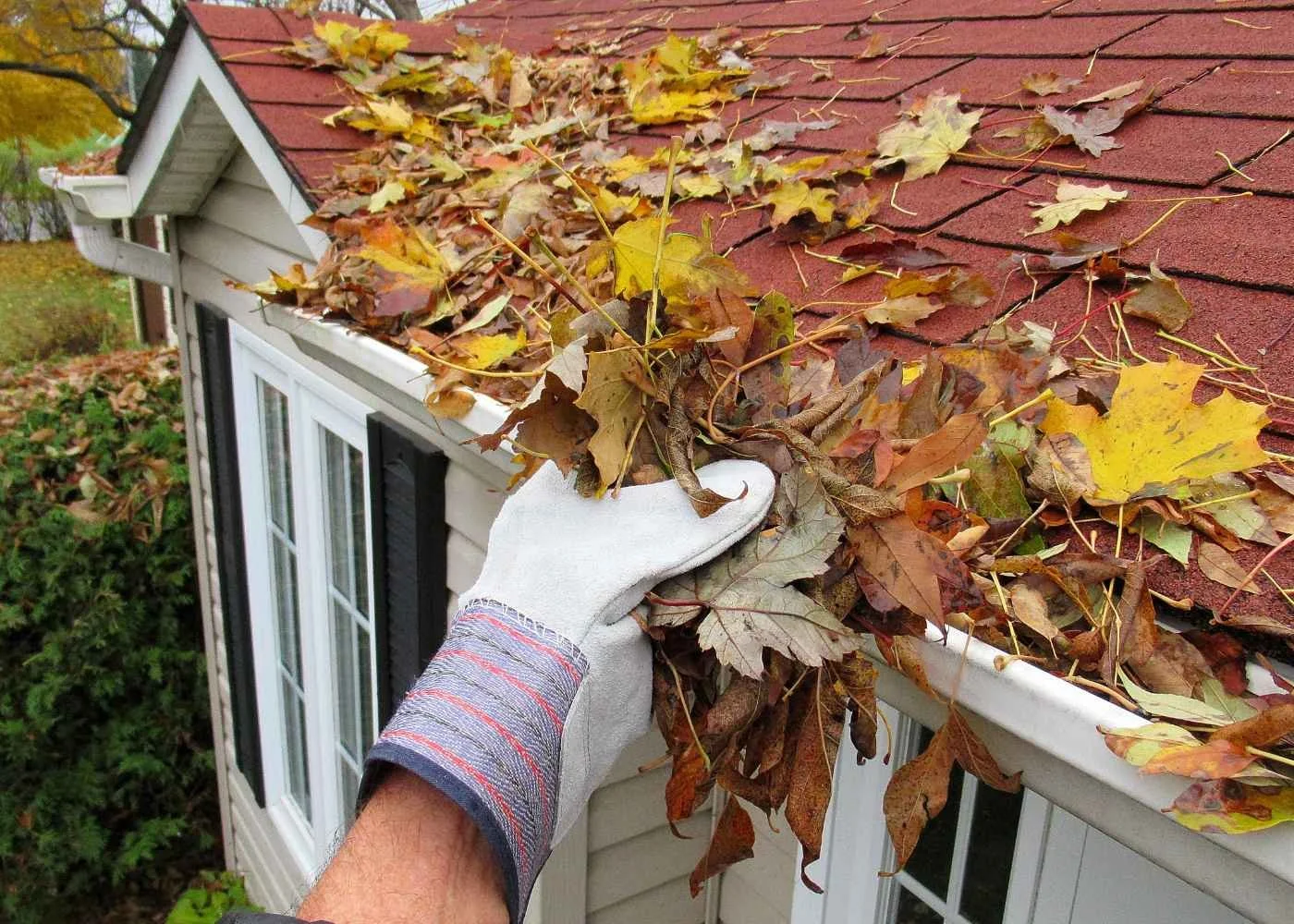
Your home's gutter system plays a vital role in protecting your property from water damage while managing rainwater runoff safely and efficiently. Quality gutter systems designed for leaf-free performance eliminate many of the maintenance headaches and potential problems associated with traditional gutters that clog frequently and require constant cleaning.
Your home's gutter system plays a vital role in protecting your property from water damage while managing rainwater runoff safely and efficiently. Quality gutter systems designed for leaf-free performance eliminate many of the maintenance headaches and potential problems associated with traditional gutters that clog frequently and require constant cleaning.
Many homeowners underestimate the importance of gutter quality, focusing primarily on initial cost rather than long-term performance and maintenance requirements. Understanding why quality matters in gutter selection helps property owners make informed decisions that protect their homes while reducing ongoing maintenance burdens.
Leaf-free gutter systems combine advanced design, quality materials, and innovative technology to create solutions that handle debris automatically while providing superior water management and long-term reliability that justifies the investment through reduced maintenance and enhanced property protection.
Preventing Costly Water Damage
Quality leaf-free gutter systems from companies like Home Evolutions VA provide consistent water flow that prevents overflow and backup situations that can cause expensive damage to foundations, landscaping, and exterior building materials. Proper water management protects your most significant investment—your home.
Foundation protection becomes critical when gutters function properly and direct water away from your home's foundation rather than allowing it to pool around the structure where it can cause settling, cracking, and expensive structural problems.
Roof damage prevention occurs when gutters handle water efficiently without allowing backup that can damage shingles, underlayment, and roof decking. Quality systems prevent ice dams and water infiltration that compromise roof integrity.
Basement flooding risks decrease significantly when gutters direct water properly away from your home rather than allowing it to accumulate around foundations where it can seep into basements and cause extensive damage.
Reducing Maintenance Requirements
Leaf-free design features eliminate the need for frequent gutter cleaning by preventing leaves, twigs, and debris from accumulating in gutters where they cause blockages and overflow problems that require regular attention.
Self-cleaning capabilities in quality systems allow debris to wash away naturally during rainfall rather than building up and creating maintenance requirements that consume time and money throughout the year.
Safety improvements result from reduced ladder use and climbing requirements that eliminate the risks associated with frequent gutter cleaning, protecting homeowners from falls and injuries that can occur during maintenance activities.
Professional cleaning costs decrease dramatically when gutters remain clear of debris, reducing or eliminating the expense of hiring gutter cleaning services that can cost hundreds of dollars annually.
Ensuring Long-Term Durability
Premium materials used in quality gutter systems resist corrosion, weathering, and damage from UV exposure while maintaining their appearance and function for decades rather than requiring frequent replacement or repair.
Seamless construction techniques eliminate joints and connections where leaks commonly develop in traditional gutter systems, providing superior water management while reducing maintenance requirements and potential failure points.
Professional installation ensures proper slope, secure mounting, and optimal performance that protects your investment while providing warranty coverage that guarantees system performance and longevity.
Weather resistance features help quality systems withstand extreme conditions including heavy rainfall, snow loads, and temperature fluctuations that can damage inferior gutter products over time.
Protecting Property Value
Curb appeal enhancement through attractive, well-functioning gutters improves your home's appearance while demonstrating attention to maintenance that appeals to potential buyers and supports property values.
Home inspection advantages occur when quality gutter systems pass inspections without issues, while problematic gutters can create obstacles during real estate transactions that affect sale prices or buyer confidence.
Insurance benefits may be available for homes with quality gutter systems that reduce water damage risks, potentially lowering homeowner's insurance premiums while providing better coverage for weather-related claims.
Investment protection through proper water management preserves exterior paint, siding, landscaping, and other property features that can be damaged by poor drainage from inadequate gutter systems.
Improving Water Management Efficiency
Flow capacity in quality systems handles heavy rainfall more effectively than standard gutters, preventing overflow during storm events that can overwhelm inferior systems and cause property damage.
Downspout design and placement optimize water collection and disposal while directing runoff to appropriate drainage areas that protect landscaping and prevent erosion around your property.
Debris handling capabilities allow quality systems to manage leaves, seeds, and other natural debris without clogging while maintaining optimal water flow throughout all weather conditions and seasons.
Consistent performance ensures gutters function properly year-round rather than experiencing seasonal problems that require intervention and maintenance during inconvenient times.
Supporting Environmental Responsibility
Water conservation opportunities through quality gutter systems include rainwater collection capabilities that allow homeowners to harvest clean water for irrigation and other non-potable uses.
Erosion prevention protects surrounding landscapes and prevents soil runoff that can affect local water quality while preserving the natural drainage patterns around your property.
Sustainable materials used in quality gutter systems often include recycled content and environmentally responsible manufacturing processes that support green building practices and environmental stewardship.
Reduced chemical usage occurs when gutters remain clean naturally without requiring harsh cleaning chemicals or treatments that can affect surrounding vegetation and water systems.
Maximizing Return on Investment
Initial cost considerations for quality gutter systems should be evaluated against long-term savings from reduced maintenance, prevented damage, and extended system life that provide excellent returns on investment.
Energy efficiency improvements may result from proper drainage that prevents ice dams and moisture problems that can affect insulation performance and heating costs during winter months.
Warranty protection provided by quality manufacturers ensures your investment is protected while providing confidence in system performance and longevity that inferior products cannot match.
Replacement avoidance through quality system selection eliminates the disruption and expense of frequent gutter replacement that occurs with budget systems that fail prematurely.
Making the Right Choice
Quality gutter systems designed for leaf-free performance represent smart investments in property protection, maintenance reduction, and long-term value that provide benefits far exceeding their initial cost.
Research gutter options thoroughly, focusing on quality, performance features, and manufacturer reputation rather than simply choosing the lowest-priced option that may create ongoing problems and expenses.
Professional consultation and installation ensure you select the right system for your specific property while maximizing performance and longevity through proper installation and setup that protects your investment for decades to come.
5 Climate Upgrades Every Old House Needs for Better Air Quality
Older homes possess a unique charm and character that newer houses often lack. However, these seasoned structures can also come with their own set of challenges, especially when it comes to indoor air quality. Decades of use, outdated building materials, and the natural settling of a house can contribute to a less-than-healthy indoor environment.
Older homes possess a unique charm and character that newer houses often lack. However, these seasoned structures can also come with their own set of challenges, especially when it comes to indoor air quality. Decades of use, outdated building materials, and the natural settling of a house can contribute to a less-than-healthy indoor environment.
Fortunately, with a few climate upgrades, you can significantly improve the air you and your family breathe. These modernizations not only enhance your home's air quality but also contribute to a more comfortable and energy-efficient living space. Let’s dive into them!
Seal a Leaky Building Envelope
One of the most effective ways to improve indoor air quality in an older home is by sealing its envelope. Over time, gaps and cracks can develop around windows, doors, and through walls and foundations. These openings allow outdoor pollutants, such as pollen, dust, and other allergens, to infiltrate your home. A leaky envelope also leads to energy loss, as heated or cooled air escapes, forcing your HVAC system to work harder.
To address your home’s leaky envelope, meticulously caulk windows, weatherstrip doors, and seal any visible cracks, you create a barrier against these unwanted airborne particles. This simple yet crucial step can lead to a noticeable improvement in your home's air and a reduction in your energy bills.
Introduce a Balanced Ventilation System
While sealing your home is important, proper ventilation is equally critical to prevent the buildup of indoor pollutants. Many older homes were not designed with modern ventilation strategies in mind, often relying on natural (and unpredictable) air leaks. A dedicated ventilation system ensures a consistent exchange of stale indoor air with fresh outdoor air.
Look for ventilation options, such as a Heat Recovery Ventilator (HRV) or an Energy Recovery Ventilator (ERV), which are ideal for older homes. These systems not only supply fresh air but also precondition it, using the temperature of the outgoing air to heat or cool the incoming air. This process provides superior ventilation without the energy penalty, ensuring your home breathes correctly and maintains healthy air year-round.
Replace Your Current HVAC System With a Modern Unit
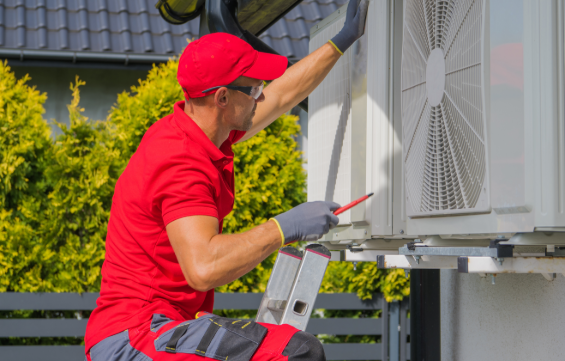
The heating, ventilation, and air conditioning (HVAC) system is the heart of your home's climate control and plays a pivotal role in indoor air quality. Older HVAC systems are often inefficient and may not have the advanced filtration capabilities of modern units. Upgrading to a new, energy-efficient HVAC system can dramatically improve air circulation and filtration. Modern systems are designed to remove a wide range of airborne contaminants, providing cleaner, healthier air throughout your home.
When considering an HVAC upgrade, it's essential to consult with experts who can assess your home's specific needs. For a significant undertaking such as this, relying on HVAC replacement experts, like Trane South, can ensure the replacement job is done right. Experienced technicians can help you select the perfect system for your older home, guaranteeing optimal performance and improved air quality. A professional installation is also key to maximizing the benefits of your new system for years to come.
Install a Whole-Home Air Purification System
For the ultimate in clean air, consider a whole-home air purification system. Unlike portable units that only address a single room, a whole-home system integrates directly with your HVAC system to purify the air in every corner of your house. These systems can capture a remarkable percentage of airborne particles, including microscopic allergens, bacteria, and viruses. Some advanced systems even neutralize odors and volatile organic compounds (VOCs) that can off-gas from old building materials and furniture.
Air purification systems integrated and installed by professionals, such as Premier Heating and Air, help effectively absorb and remove airborne pollutants in your home. Specialists can guide you through the available options and expertly install a system that meets your family’s specific health needs. With a professionally installed air purification system, you can be confident that you are providing the cleanest possible air for your loved ones.
Utilize High-Efficiency Particulate Air (HEPA) Filters
A simple yet highly effective upgrade for any forced-air HVAC system is the use of High-Efficiency Particulate Air (HEPA) filters. These filters are engineered to capture at least 99.97% of airborne particles as small as 0.3 microns. This includes common irritants found in older homes like dust mites, mold spores, pet dander, and pollen. By trapping these fine particles, HEPA filters prevent them from circulating throughout your living spaces.
In addition, regularly replacing your standard HVAC filters with high-quality HEPA filters can make a significant difference in your indoor air quality, especially for family members with allergies or asthma. It’s a small change that delivers a substantial improvement in the health of your home environment.
By investing in these climate upgrades, you can transform your older house into a healthier, more comfortable, and energy-efficient home. Breathing clean air is fundamental to your well-being, and taking these steps will ensure that your charming older home provides the best possible environment for you and your family for years to come!