

A resource for those seeking information on organizing and transforming spaces.
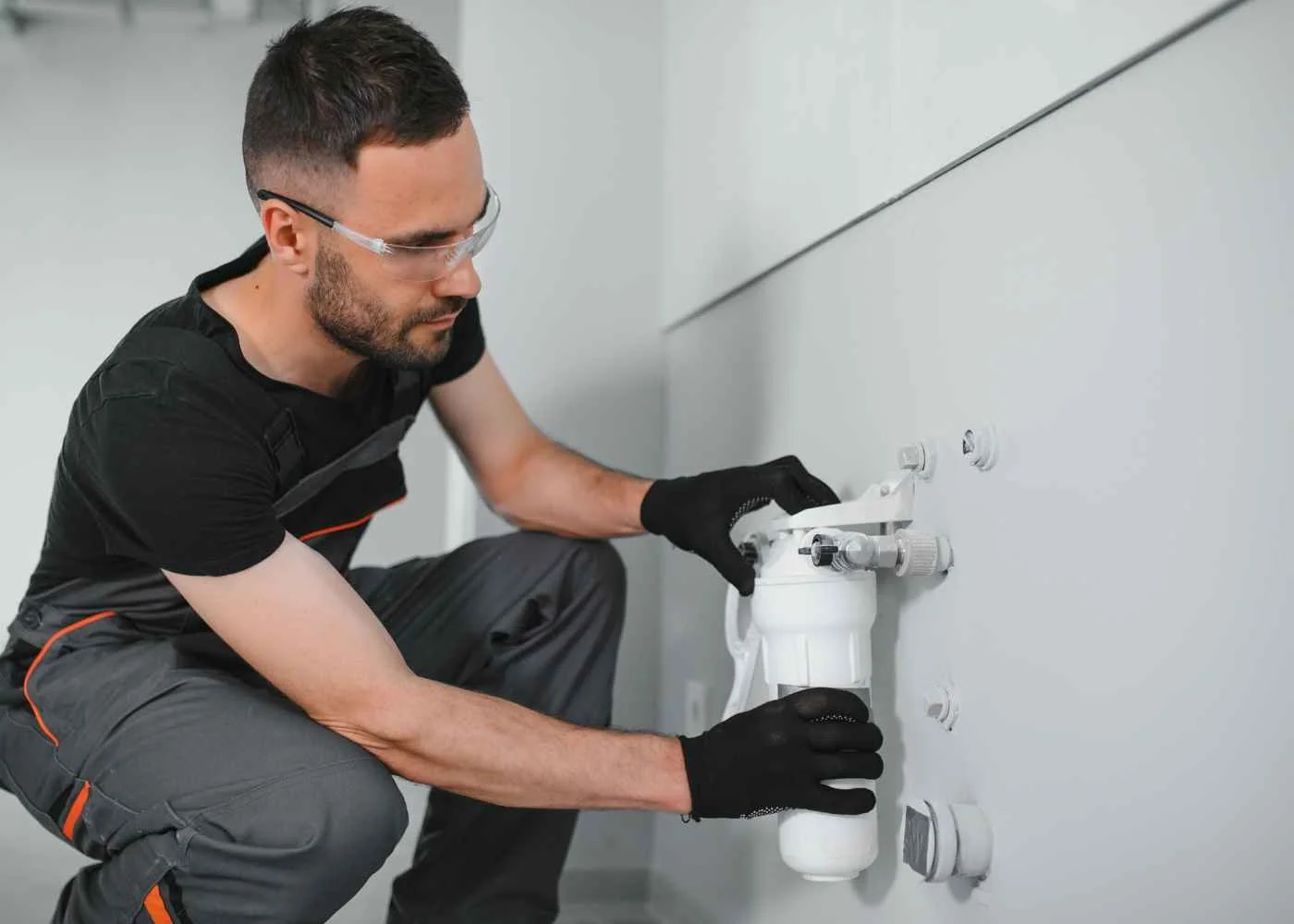
How Water Filtration Systems Improve Your Home and Health
Clean water represents one of the most fundamental necessities for healthy living, yet many homes receive water containing contaminants, chemicals, and minerals that affect both health and household systems. Municipal water treatment removes many dangerous substances, but various impurities still reach home taps through aging infrastructure and environmental factors.
Clean water represents one of the most fundamental necessities for healthy living, yet many homes receive water containing contaminants, chemicals, and minerals that affect both health and household systems. Municipal water treatment removes many dangerous substances, but various impurities still reach home taps through aging infrastructure and environmental factors.
Water filtration systems provide comprehensive purification that protects family health while extending appliance life and improving daily quality of life. Understanding these benefits helps homeowners make informed decisions about water treatment investments that deliver value across multiple dimensions.
Removing Harmful Contaminants and Chemicals
Comprehensive filtration eliminates chlorine, chloramines, and disinfection byproducts that municipal treatment adds to water. While these chemicals kill bacteria, they can affect taste and potentially create health concerns with long-term exposure.
Heavy metal reduction addresses lead, mercury, arsenic, and other dangerous elements that enter water through corroded pipes or environmental contamination. Even trace amounts of these metals can cause serious health problems over time.
Pesticide and herbicide removal protects families from agricultural chemicals that infiltrate water supplies through runoff. These compounds can disrupt hormones and affect development, particularly in children.
Pharmaceutical residue filtration addresses emerging contaminants including medications and personal care products that pass through municipal treatment. Advanced filtration systems remove these compounds that standard treatment cannot eliminate.
Improving Taste and Odor Quality
Pure water taste without chemical flavors, chlorine odors, or metallic notes transforms drinking experiences. Quality filtration removes the substances that create unpleasant tastes that discourage proper hydration.
Cooking enhancement occurs when filtered water improves food and beverage preparation. Coffee, tea, soups, and other dishes taste better when made with clean water free from flavor-altering impurities.
Ice quality improves dramatically with filtered water producing crystal-clear cubes without cloudiness or off-flavors. Clean ice enhances beverages while demonstrating water purity visually.
Hydration encouragement happens naturally when water tastes better and families consume more throughout the day. Improved taste promotes healthy drinking habits that support overall wellness.
Protecting Household Appliances and Fixtures
Mineral reduction prevents scale buildup that damages water heaters, dishwashers, washing machines, and coffee makers. Filtered water extends appliance lifespan while maintaining optimal performance.
Plumbing preservation occurs when filtered water reduces corrosion and deposits in pipes and fixtures. Cleaner water flowing through plumbing systems prevents clogs and maintains water pressure.
Fixture appearance improves when filtered water eliminates mineral spots and film on faucets, sinks, and glass shower doors. Surfaces remain cleaner longer without constant scrubbing.
Energy efficiency increases when appliances operate without mineral buildup that forces them to work harder. Clean water supports optimal equipment performance while reducing energy consumption.
Supporting Family Health and Wellness
Immune system protection strengthens when families avoid contaminants that stress body systems. Clean water supports overall health by eliminating substances that can compromise immune function.
Skin and hair health improves with filtered shower and bath water free from harsh chemicals and minerals. Softer water reduces irritation and dryness while improving hair texture and appearance.
Digestive wellness benefits from pure drinking water that doesn't introduce contaminants affecting gut health. Clean water supports healthy digestion and nutrient absorption.
Children's development receives protection from filtered water eliminating substances that could affect growth and cognitive function. Pure water provides essential hydration without developmental risks.
Reducing Environmental Impact and Waste
Plastic bottle elimination occurs when home filtration provides unlimited clean water from taps. This reduction in single-use plastics significantly decreases household environmental footprint.
Carbon footprint reduction results from eliminating bottled water transportation and production impacts. Home filtration represents sustainable choices that benefit both families and the environment.
Landfill waste decreases when families stop purchasing and discarding plastic water bottles. This waste reduction supports environmental conservation while saving money.
Resource conservation through home filtration uses less water than bottling processes while eliminating packaging waste. Sustainable water treatment aligns with environmental responsibility.
Saving Money on Water Expenses
Bottled water costs eliminated through home filtration create substantial savings over time. The average family spending hundreds annually on bottled water recovers filtration system costs quickly.
Appliance replacement delays from reduced mineral damage save thousands in premature equipment purchases. Protected appliances last significantly longer than those exposed to unfiltered water.
Plumbing repair reduction from cleaner water flowing through pipes decreases maintenance costs. Fewer clogs and corrosion problems mean lower plumbing expenses over time.
Cleaning product savings result from reduced mineral deposits requiring less soap and cleaning solutions. Filtered water cleans more effectively while reducing chemical usage.
Investing in Quality of Life
Water filtration systems from companies like Metro Flow Plumbing deliver comprehensive improvements affecting health, home maintenance, environmental impact, and household budgets. The multi-dimensional benefits justify system investments through enhanced daily living and long-term value.
Clean water represents essential infrastructure for healthy homes, and filtration systems ensure families receive the quality they deserve. The combination of health protection, appliance preservation, and cost savings makes water filtration one of the smartest home improvements homeowners can make for their families' wellbeing and their property's longevity.

The New Essentials: Rethinking Comfort and Safety In Your New Home
It has been said that home is where the heart is, but in today’s world, the definition of what it means for a home to feel comfortable and secure has changed. Of course, creating a comfortable home is tied to making the space feel inviting and hospitable. However, it goes beyond mere trends and moves toward investing in how your home feels in other aspects to create a comfortable, secure home, which is of the utmost importance today. Read on for insight on the new essentials for homeowners who are rethinking comfort and safety:

It has been said that home is where the heart is, but in today’s world, the definition of what it means for a home to feel comfortable and secure has changed. Of course, creating a comfortable home is tied to making the space feel inviting and hospitable. However, it goes beyond mere trends and moves toward investing in how your home feels in other aspects to create a comfortable, secure home, which is of the utmost importance today. Read on for insight on the new essentials for homeowners who are rethinking comfort and safety:
The Indoor Air Has to Be Comfortable
Decades ago, the way a home “felt” inside would likely not have been that big of an issue. After all, air conditioning hasn’t even been mainstream for many generations, and there are still some parts of the country that don’t utilize it as much. However, a home should feel comfortable, not stuffy or humid, to offer the best and most hospitable atmosphere. Ideally, according to experts, a home’s humidity levels should be between 30 and 40 percent. Of course, this isn’t the only factor that contributes to the comfort level, but humidity levels that are too high can make a space feel sticky and stuffy. An HVAC system can work properly, but if the humidity levels in a home aren’t kept at ideal ranges, then it can be uncomfortable inside.
Home is Personal Expression, So Express Yourself
Another way to rethink comfort and safety in a home includes using the space for self-expression. While trends are fun to experiment with and obviously, smart technology can enhance many aspects of your home, having your home reflect you is even more important. It doesn’t matter if your home is spacious or cozy, and it includes the desired“white picket fence” or is instead situated in an apartment building without a yard at all; it can be the perfect space for you if you express yourself when it comes to furnishings. Choose patterns, colors, art, and more that make you smile. Don’t worry so much if it matches or is in trend. Instead, consider how these items make you feel. If you love it, it works, so just go with it and make the space your own.
Embrace The Natural Features of Your Home
Your home has some great things going for it. This is almost a certainty. Therefore, instead of looking at what you could improve in your home, contemplate how you could embrace and even enhance its natural features. This could include showcasing interesting architectural features or allowing natural light to shine through from beautiful windows. Natural light does increase the temperature in your home, so keep that in mind during the summer, especially if your city or town has rolling blackouts. Look at your home from an outsider's perspective and consider what makes it stand out from other homes. When you discover this hidden gem, embrace it and highlight it if possible.
Add Comfortable Fabrics and Fixtures
Another way to make your home comfortable is by adding comfortable items like blankets and comfortable furnishings with snug fabrics. It can also include altering the lighting in your home, upgrading what you have to offer to include dimming options, or changing harsh lighting to warm lighting. Adding curtains can also help, not only to highlight beautiful windows, but they can also aid in covering them up in the summer when you are trying to keep the hot air outside. Adding rugs to hardwood or upgrading carpeting to a more plush variety can also instantly make the space feel much more inviting and comfortable. Consider adding fabrics and comforting fixtures to your space to make it feel more welcoming.
Make Your Home Secure
In today’s uncertain world, a great deal of making a space feel comfortable is to make it feel protected and secure. This might look different for each homeowner. However, in general, adding motion-activated lighting, cameras, video doorbells, smart locks, and more can make you feel more secure when you are in your home. Many of these systems allow you to check your home even when you are away and ensure that you have locked everything up properly. Don’t think of installing a security system as something that means your home is unsafe. Instead, consider all the ways it can help you and protect all you love. Ideally, you will never have to use these features for security, but instead use them as a way to make life more convenient. These smart locks and cameras can allow you to open your home up for visitors, kids, or even deliveries, which can make life much easier. Some systems may even offer insurance discounts or tax incentives, adding an extra layer of value to your investment in security.
Declutter and Get Rid of What Doesn’t Make You Happy
Another way to make your home more comfortable and even secure is to get rid of excessive clutter. Clutter increases fall risks and can increase the risk of fire damage and even lead to loss of life. In addition, why have items on hand that don’t make you happy or add value to your life? Instead, spend some time going room-to-room and reducing clutter. Have a yard sale or donate unwanted gear to local charities or missions. You will be doing good for your community, helping others, and making your home more comfortable and secure, all at the same time. Having less clutter will also mean you have less to maintain and less dust accumulating in your home, leading to better air quality.
Bring The Outside In
Last but not least, to rethink comfort and security, consider bringing some of the outside inside by incorporating plants and flowers into your decor. Live plants, along with fresh-cut flowers, can help make your space feel more comfortable. They also enhance the indoor air quality and look amazing. You can change out fresh-cut flowers based on what is blooming to bring the outdoors in and brighten up even the most dreary indoor environment.
The New Essentials
Improving comfort and security for your home might look different today than in years past. Keep the elements listed above in mind to transform your home into a space that better represents your preferences, your style, and your overall personality. There are no wrong additions if they bring you joy, but keep comfort and security in mind when determining what changes you want to make. After all, that is the essence of making a space serene, truly embracing the idea of home. The essentials are no longer trends, but instead aimed at improving the comfort levels and functionality of homes, including making them more secure in an ever-changing and more uncertain world.
Megan Isola
Megan Isola holds a Bachelor of Science in Hospitality and a minor in Business Marketing from Cal State University Chico. She enjoys going to concerts, trying new restaurants, and hanging out with friends.
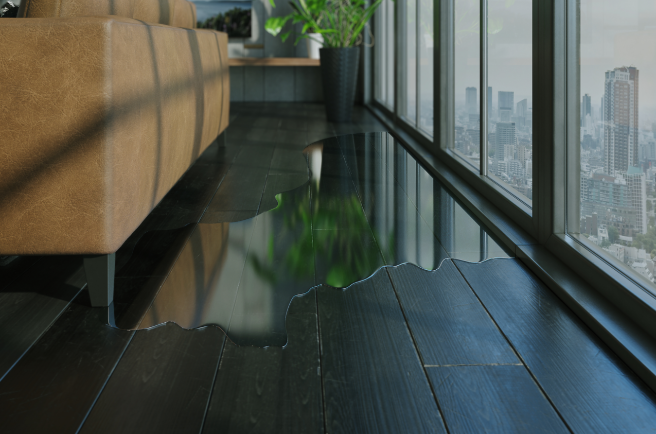
How to Dry Out Your Home Faster After a Flood
Flooding can turn your home upside down in a matter of hours. Whether it’s from a burst pipe, a storm, or a rising river, the aftermath is overwhelming. But once the water recedes, the real work begins. Drying out your home quickly is essential—not just for comfort, but to prevent mold, structural damage, and long-term health risks. Here’s how to speed up the drying process and get your home back on track.
Flooding can turn your home upside down in a matter of hours. Whether it’s from a burst pipe, a storm, or a rising river, the aftermath is overwhelming. But once the water recedes, the real work begins. Drying out your home quickly is essential—not just for comfort, but to prevent mold, structural damage, and long-term health risks. Here’s how to speed up the drying process and get your home back on track.
Start by Removing Standing Water Immediately
The first step is to get rid of any standing water. The longer it sits, the more damage it causes. If the flooding is minor, you can use wet vacs, buckets, or mops to remove water manually. For deeper flooding, consider renting a sump pump or calling in professionals. Time is critical here. Every hour counts when it comes to preventing mold growth and wood rot. Once the bulk of the water is gone, you’ll be able to assess the damage and move on to drying out surfaces.
Improve Airflow Throughout the House
Airflow is your best friend during the drying process. Open all windows and doors to let fresh air circulate. Use fans—especially high-powered ones—to push moist air out and bring dry air in. Position fans strategically to create cross-ventilation. If your HVAC system is safe to use, turn it on to help regulate humidity. Ceiling fans, box fans, and even bathroom exhaust fans can help move air around. The goal is to keep air moving constantly so moisture doesn’t settle into walls, floors, or furniture.
Use Dehumidifiers to Pull Moisture from the Air
Even after the visible water is gone, moisture lingers in the air and inside materials. Dehumidifiers are essential for drawing out this hidden dampness. Place them in the most affected rooms and let them run continuously. If possible, use commercial-grade dehumidifiers—they’re more powerful and can handle larger spaces. Keep doors closed in rooms with dehumidifiers to concentrate their effect. Monitor humidity levels with a hygrometer and aim to keep them below 50%. This helps prevent mold and speeds up drying.
Remove Wet Materials and Damaged Items Quickly
Wet carpets, rugs, insulation, and drywall act like sponges. They hold moisture and slow down the drying process. Remove and discard anything that can’t be salvaged. This includes soaked furniture, mattresses, and paper goods. If you’re unsure whether something is worth saving, err on the side of caution. Mold can start growing within 24 to 48 hours. The sooner you clear out wet materials, the faster the space can dry. Be sure to wear protective gear when handling contaminated items.
Clean and Disinfect All Surfaces Thoroughly
Floodwater often contains bacteria, chemicals, and other contaminants. Once the area is dry, cleaning and disinfecting are a must. Use a mixture of water and bleach or commercial disinfectants to scrub walls, floors, and hard surfaces. Pay special attention to kitchens, bathrooms, and any areas where children or pets spend time. Disinfecting not only removes germs but also helps eliminate odors. After cleaning, continue to ventilate the space to help surfaces dry completely.
Call in Professionals When Needed
Sometimes, the damage is too extensive to handle alone. That’s when water damage mitigation services from professionals, like Disaster Recovery Pros, become invaluable. Experts have specialized equipment and training to dry out homes quickly and safely. They can assess structural damage, detect hidden moisture, and prevent mold before it starts. Hiring experts can also help with insurance claims and documentation. Their experience can save you time, reduce stress, and ensure your home is restored properly from the start.
Monitor for Mold and Moisture After Drying
Even after your home feels dry, moisture can linger in hidden places. Keep an eye out for signs of mold—musty smells, discoloration, or peeling paint. Use moisture meters to check behind walls and under floors. If you spot mold early, you can treat it before it spreads. Continue using dehumidifiers and fans for several days after the initial drying. It’s better to over-dry than to risk lingering dampness. Staying vigilant helps protect your home and your health.
Stay Positive and Take it One Step at a Time
Recovering from a flood is never easy, but it’s possible. Focus on one task at a time and celebrate small wins—like clearing a room or restoring power. Lean on friends, neighbors, and professionals when you need support. Your home may look different now, but with time and care, it can feel like home again. Drying out is just the beginning of the recovery process, and every step forward matters.
Final Thoughts
Floods are stressful, but fast action makes a big difference. By removing water quickly, improving airflow, and using the right tools, you can dry out your home faster and prevent long-term damage. Whether you tackle it yourself or call in experts, the key is to stay proactive and hopeful. Your home can recover—and so can you.
How to Feel Safer—and Actually Relax—at Home
Let’s be honest: home is supposed to be your safe place. It’s where you can drop your bag at the door, kick off your shoes, and let out that deep sigh you’ve been holding all day. But sometimes, especially in our wild world lately, even home can feel a little unsettled. Maybe the news has you on edge, or maybe your neighborhood’s gotten busier, or you’re just plain tired of that jittery feeling in the back of your mind.
We partnered with a home improvement company for this post. The opinions in the post are honest. All reviews and opinions expressed in this post are based on our personal views. We are excited because we know you will love it.
Let’s be honest: home is supposed to be your safe place. It’s where you can drop your bag at the door, kick off your shoes, and let out that deep sigh you’ve been holding all day. But sometimes, especially in our wild world lately, even home can feel a little unsettled. Maybe the news has you on edge, or maybe your neighborhood’s gotten busier, or you’re just plain tired of that jittery feeling in the back of your mind.
Been there, and you’re not alone. The good news? You don’t have to live with that low-key worry buzzing around all the time. Here are some genuinely doable ways to bring back that feeling of comfort, security, and peace, no matter where you call home.
Start With the Basics—Locks, Lights, and Good Old Common Sense
Before you start looking at high-tech solutions, just give your basics a quick check. Are your doors sturdy? Windows latch well? It’s simple, but you’d be shocked how many people (me included, guilty as charged) forget to lock the back door some nights. A quick walk-through every now and then, especially before bedtime, really does help you sleep easier.
Grab some motion-sensor lights for outside, or just switch the bulbs by your porch and back steps for brighter ones. Most folks would rather skip sneaking around a well-lit yard, and that’s the whole point.
Boundaries Matter—Literally and Emotionally
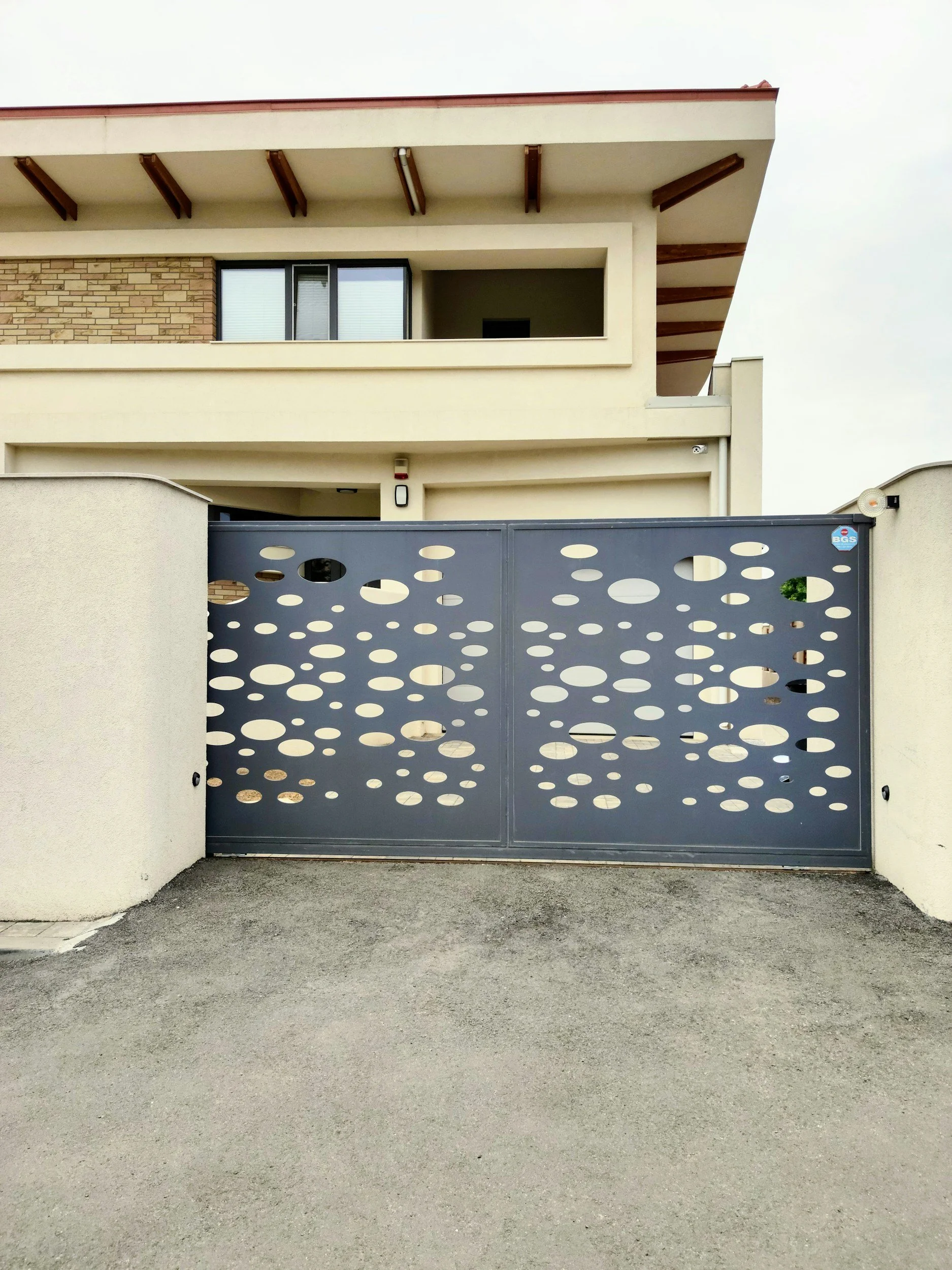
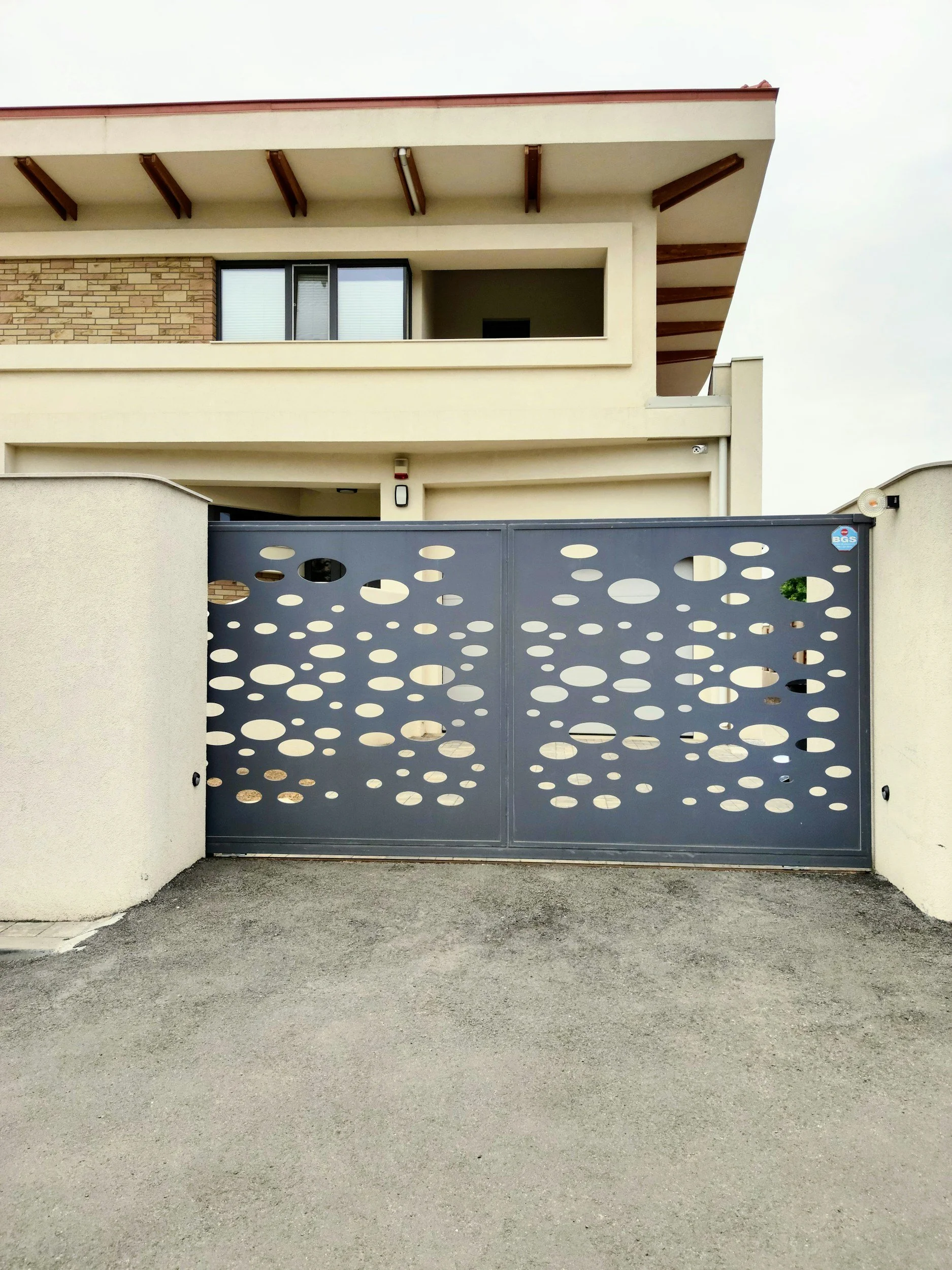
Okay, hear me out—there’s something about a fence or a gate that just makes your space feel more yours. Even in apartments or townhomes, having a little boundary, like a plant screen on your patio or a small privacy fence, changes the energy. If you’ve got a yard, consider a home gate installation to create a true sense of separation from the street. I know a family down the road who added a decorative iron gate—and not only did it boost their curb appeal, but it also made them feel way more tucked-in and relaxed.
Get Smarter With Tech (But Don’t Overcomplicate It)
Not everyone wants to turn their living room into Mission Impossible, but a simple security camera or a video doorbell adds big peace of mind. Most of these gadgets are easy to set up—no IT degree required. Watching that package from your phone or checking who’s at the door before opening up is a game-changer, especially if you live alone or work late.
And hey, don’t forget your Wi-Fi password! Keeping your network secure stops a whole other world of worries.
Create a Peaceful Vibe Inside
Once you feel protected on the outside, focus on what actually brings calm inside those walls. For me, soft lamps, comfy throws, and a playlist of whatever I’m into (sometimes it’s spa music, sometimes it’s Taylor Swift—no judgment) help shift my brain out of “what if?” mode.
Plants, scents, and even a tidy space can nudge you toward peace. Maybe it’s lighting a candle at night, or opening windows on a breezy afternoon. Little rituals matter.
Find Your Safe People and Use Your Community
Safety isn’t just cameras and locks—sometimes, it’s knowing your neighbors or having a group chat with the people next door. Just a quick “Hey, can you grab my package?” or “Did you notice anything weird last night?” makes everyone a little more aware and a lot more connected.
Remember, none of this is about living scared. It’s about doing a few thoughtful things so you get back to actually loving your home—a place where you can relax, laugh, and finally, finally breathe easy.